You’ve seen them a thousand times scrolling through your feed. Those dreamy destinations with perfect lighting, pristine beaches without a soul in sight, and iconic landmarks that look straight out of a postcard. Your heart races, you screenshot the location, and suddenly that spot shoots straight to the top of your travel bucket list.
Here’s the thing though. I’ve spent years chasing these Instagram-famous places, and I’m going to level with you: what you see online and what you experience in person can be wildly different. Let’s dive into the spots that look stunning on your screen but might leave you scratching your head when you finally show up.
The Mona Lisa at the Louvre, Paris
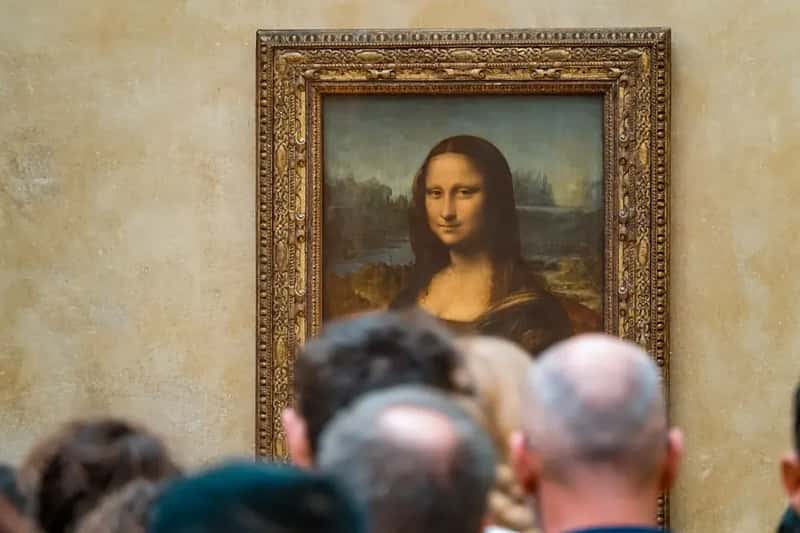
The Mona Lisa draws up to 10 million visitors annually at the Louvre, and honestly, most of them walk away feeling cheated. The painting is much smaller than most people expect and it’s protected by a thick layer of glass and a barrier that keeps visitors at a distance. The real kicker? Visitors have roughly one minute to absorb the masterpiece before they are shooed away to make room for the next wave of tourists.
According to the Louvre’s research, roughly 80 percent of visitors are there for the Mona Lisa and most of them leave unhappy. After analyzing more than 18,000 visitor reviews, nearly 40 percent of comments were negative, with people calling the experience “torture.”
Santorini’s Blue Domes, Greece
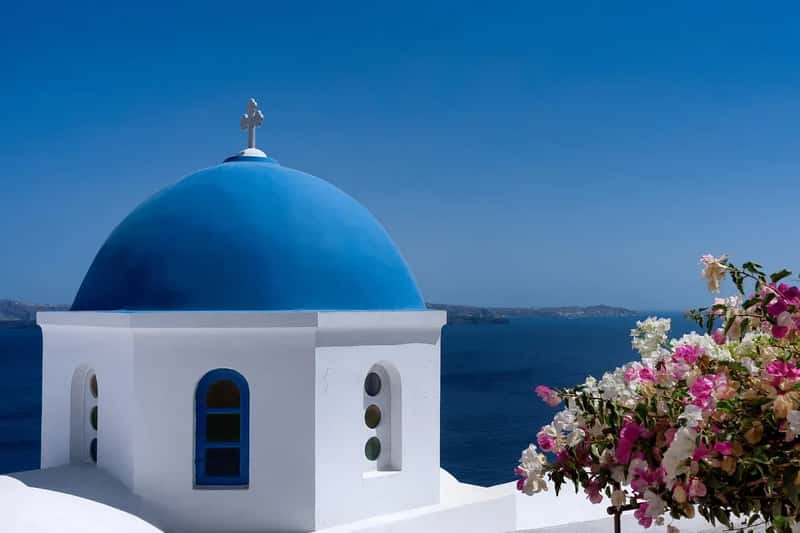
In July 2024, 11,000 tourists disembarked from cruise ships on Santorini, an island home to only 20,000 people, prompting the municipality to post a warning for residents to remain indoors. Let me paint you the real picture: the hotspots on Santorini are overcrowded, and throngs of impatient tourists elbow each other to take their turn capturing the iconic sunset shot.
To get those pictures of women in long, flowy dresses standing on white buildings with blue domes, people have to trespass and climb residents’ roofs, jumping over barriers and past “No trespassing” signs. The cost of living is sky-high due to tourism, where simple things like a cup of coffee can burn a hole in your pocket.
Times Square, New York City
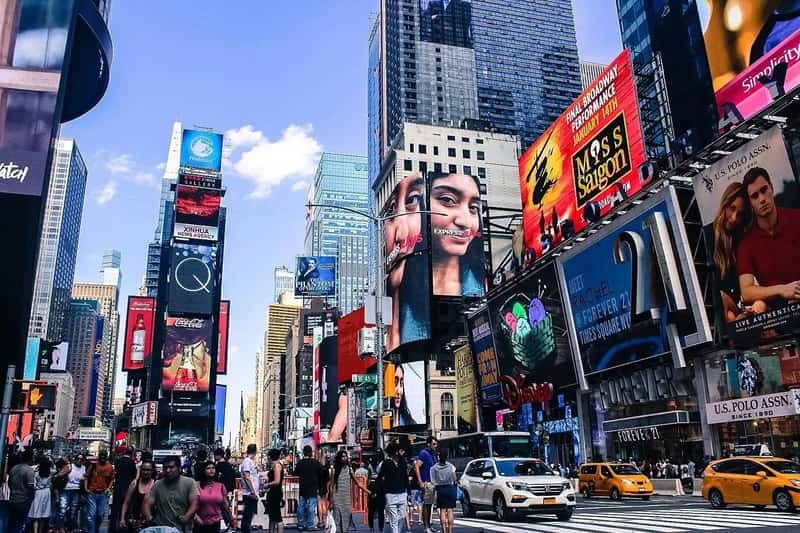
Times Square has 1,151 one-star reviews on TripAdvisor and 934 negative comments on Reddit. One TripAdvisor user described it as “the worst part of all things touristy in New York, saying if you must go, then just get your selfie and get out”.
I know it sounds crazy, but the place that looks electric and glamorous in movies is actually overwhelming and exhausting. Many find the experience more overwhelming than inspiring, with the area often crowded to the point of discomfort, noisy, and filled with aggressive street performers and overpriced stores.
Hollywood Walk of Fame, Los Angeles
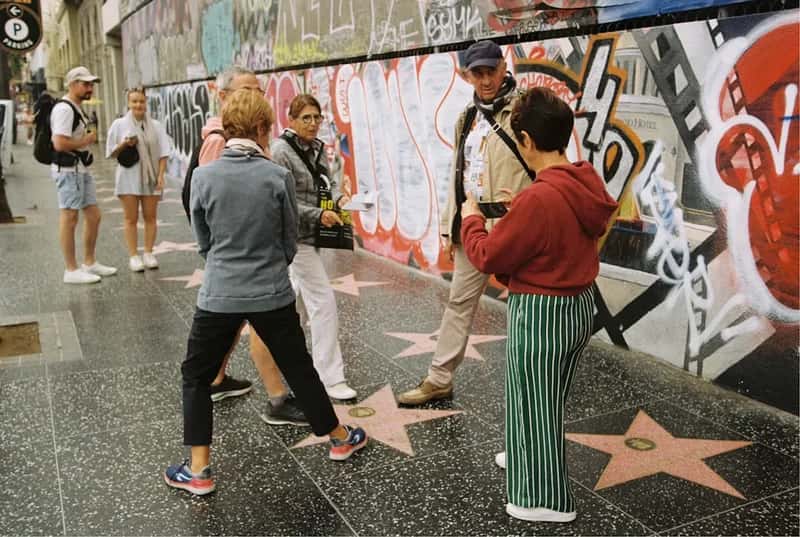
A global study ranked the Hollywood Walk of Fame as having the lowest score at 2.67 out of 10 due to poor safety ratings, overcrowding, and distance from major transit hubs. The famed sidewalk received 49 negative mentions on Reddit and 1,180 one-star reviews on TripAdvisor.
One visitor described experiencing “disgraceful filth, stench of urine throughout the walk of fame, with stars littered with crud, litter, cigarette butts, and stained spilled drinks”. It’s brutal, I know, but the glamorous image and the gritty reality are worlds apart.
The Great Wall of China, Badaling Section
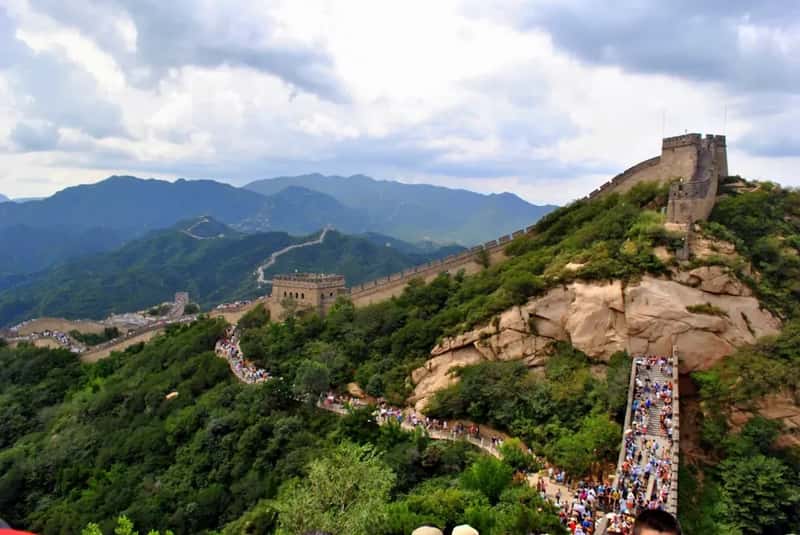
On Instagram, the Great Wall looks like an uninterrupted, serene path winding across majestic mountains, but the reality can be quite different. The most-visited section of the wall, Badaling, is often swarming with tourists, making it difficult to move, let alone get that peaceful shot without dozens of other people in it.
The commercialization around the wall can be a downer, with numerous souvenir stalls and even a Starbucks. Sure, it’s still historically impressive, yet the Instagram version conveniently crops out the masses.
Plitvice Lakes National Park, Croatia
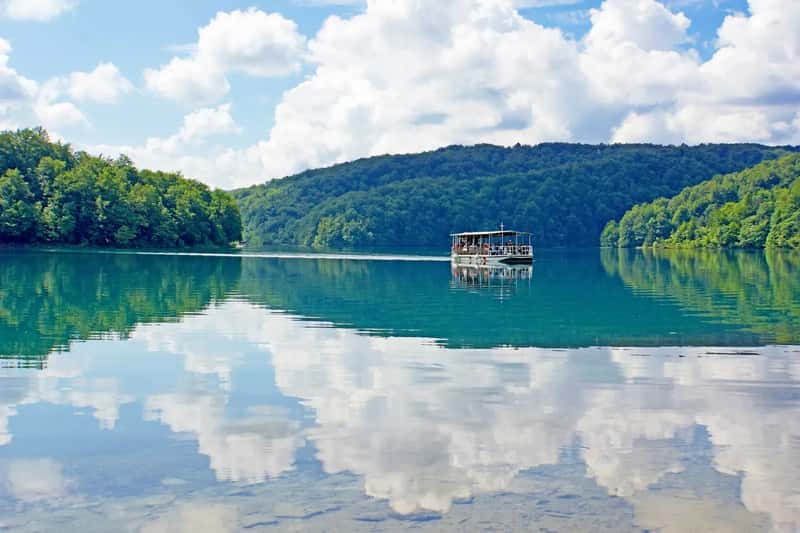
The Croatian National Park basically looks like paradise on Earth in photos, but apparently other people have caught on to the attraction. The turquoise waters and cascading waterfalls you see in those flawless shots? They’re real, absolutely. The problem is you’ll be sharing the view with thousands of others all trying to recreate that same viral moment.
What is widely termed “Instagram vs. Reality” started to circulate widely in 2022-23, with posts showing stunning shots of trending destinations contrasted with scenes of thousands of tourists cramming formerly empty spaces. This park is a textbook example.
Leaning Tower of Pisa, Italy
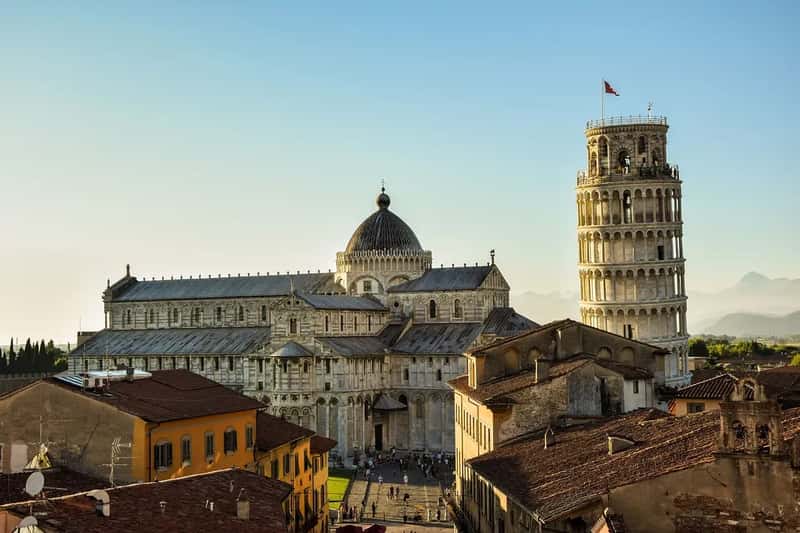
The creative photos of people ‘holding up’ the tower or ‘pushing’ it away were a sight to behold, making it look like such a fun and quirky place to visit. Reality check: the in-person experience often revolves around getting that one classic “holding the tower” shot.
The area is packed with tourists all doing the exact same pose. You’ll stand there for ages waiting your turn to do the same tired trick photography that millions have done before you. The tower itself is cool, don’t get me wrong, yet the actual experience feels more like a photo assembly line than a cultural adventure.
Tegalalang Rice Terraces, Bali
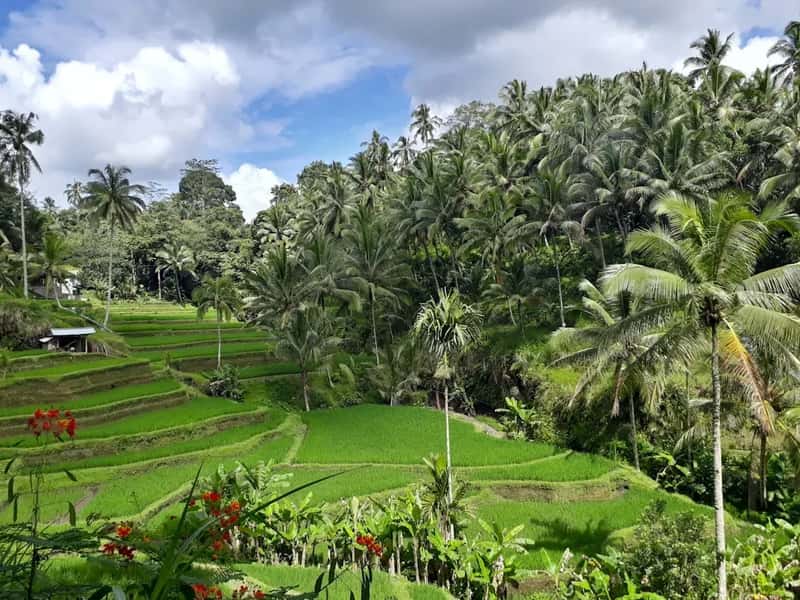
The Tegalalang Rice Fields, an official UNESCO World Heritage Site, lure visitors with lush, emerald-green terraces, but things are changing rapidly with the surge of internet influencers. Paid photo ops pervade the terraces now, and all the authentic charm is gone, with wannabe influencers having ruined this place so much that none of the farmers even bother farming rice anymore.
You’re basically paying to stand in designated spots with artificial props while crowds wait behind you. It’s become a selfie factory rather than an agricultural wonder.
The Dead Sea, Jordan/Israel
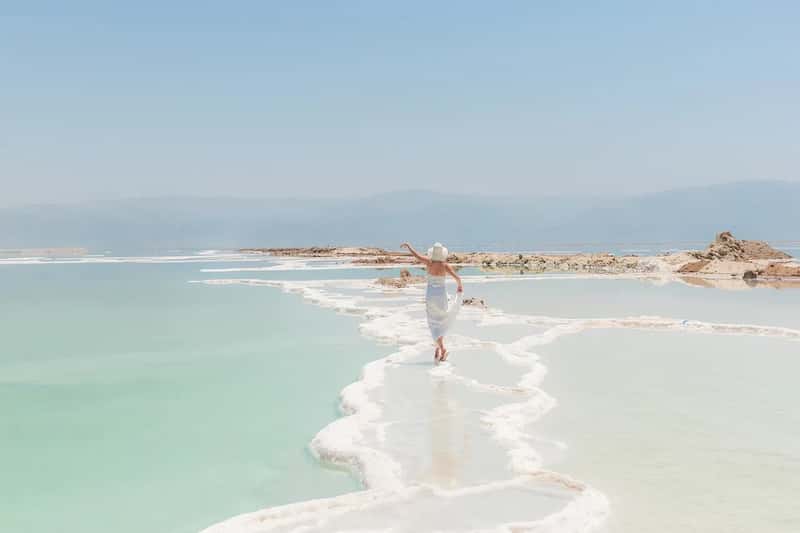
The Dead Sea claims the fourth spot as one of the world’s most disappointing tourist attractions, with 234 negative comments on Reddit and 20 one-star reviews on TripAdvisor, with visitors pointing out the exorbitant cost associated with this saltwater attraction. The Dead Sea received a disappointing score of 3.57 out of 10 in the global study.
Those serene floating photos? They don’t show you the slippery salt rocks that can cut your hands and feet, the overcrowded beach areas, or the fact that getting the perfect shot requires awkward positioning and multiple attempts. The experience itself is unique, sure, yet setting expectations based on Instagram will leave you disappointed.
Wrapping Up the Reality Check
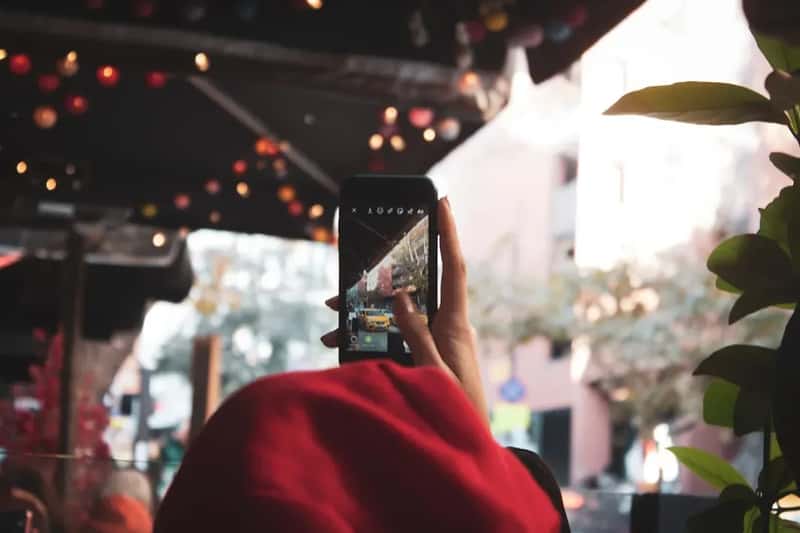
Social media has transformed travel from a personal journey into a curated performance, with some arguing that Instagram has turned once-pristine destinations into overcrowded “selfie factories,” where the focus is more on the shot than the experience. Research in behavioral science shows that when expectations are set by idealized images, actual experiences feel disappointing even when they’re objectively good.
Look, I’m not telling you to avoid these places entirely. They’re famous for legitimate reasons. The key is managing your expectations and understanding that social media shows you maybe 30 seconds of reality stretched across carefully selected angles and lighting. Sometimes the best travel moments happen at the places nobody’s posting about, in the spots between the Instagram hotspots where you’re actually living rather than performing.
Did you expect these spots to make the list? What disappointing travel experience caught you off guard?