The cruise industry is experiencing unprecedented growth, with 19 million Americans projected to cruise in 2025, marking the third straight year of record cruise passenger volume. Nearly 27% of cruisers in the past two years are new to cruising, which means millions of first-time passengers are about to embark on their maiden voyage. The excitement is palpable, yet many newcomers make avoidable mistakes that can turn their dream vacation into a stressful experience.
Smart planning makes the difference between a magical cruise and a forgettable one. These six essential tips, backed by industry data and seasoned cruiser wisdom, will help you navigate your first sailing like a pro.
Pack Your Carry-On Like Your Cruise Depends On It
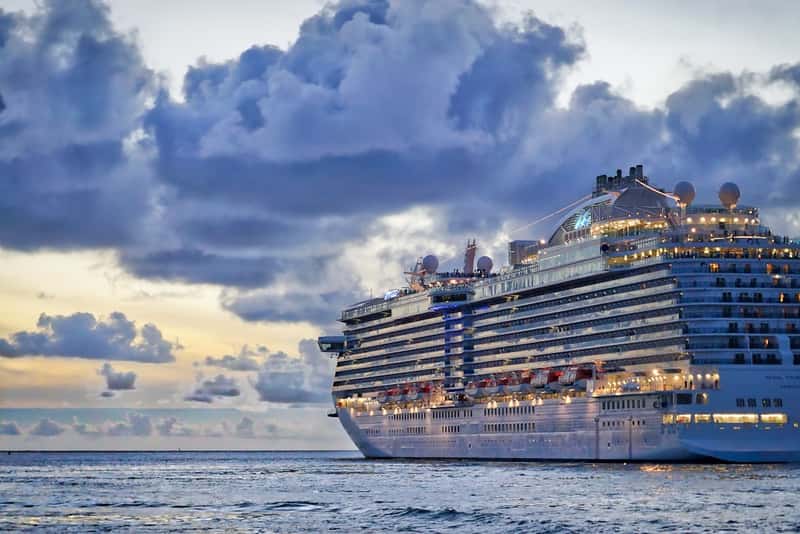
The biggest rookie mistake? Assuming your luggage will reach your cabin immediately after boarding. Luggage delivery times can range from a couple of hours to half a day, depending on staffing levels and your cabin location. This means you could be standing on deck in street clothes while everyone else is poolside having fun.
Pack a carry-on backpack with essentials like your cell phone, wallet, bathing suit and sunglasses, and start swimming, sunning or exploring your ship immediately. Smart cruisers also include a change of clothing and/or a bathing suit to enjoy the pool until you can access your cabin. Remember to pack any prescription medications, contact solution, and basic toiletries in your carry-on too.
This simple strategy transforms embarkation day from waiting around to instant vacation mode. The moment you step aboard, you’re ready for whatever the ship offers.
Never Fly In on Sailing Day (Seriously, Never)
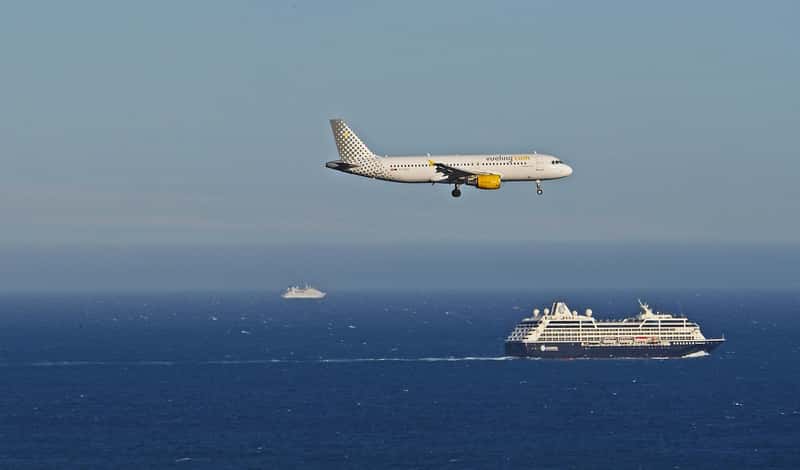
Another common mistake first-time cruisers make is flying in on the same day as the cruise. With possible flight delays, luggage and weather issues, it’s more common than you think for people to miss their cruise ship because their flight hasn’t arrived on time. The cruise line won’t wait for delayed passengers, and you’ll forfeit your entire vacation investment.
Plan to arrive at least one day before your cruise vacation. You’ll have peace of mind and will start your cruise without any stress or worry. For overseas cruises, travel to the port two or even three days in advance to recover from jet lag, especially for port-intensive European cruises where you want to be ready for lots of touring.
The extra hotel night costs far less than losing your entire cruise. Plus, you can explore your departure city and truly begin your vacation early.
Understand What’s Actually Included (Hint: Less Than You Think)
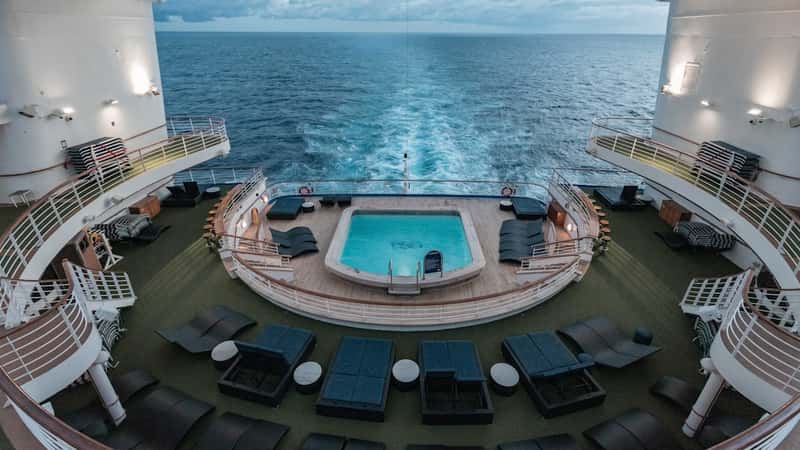
Cruise advertising often emphasizes “all-inclusive” experiences, but drink packages, WiFi, specialty dining, and gratuities usually cost extra. Some first-time cruisers have said they thought only the cruise ship buffet was included, missing out on complimentary main dining rooms and casual eateries.
Research your cruise line’s inclusions beforehand. Most mainstream lines include main dining room meals, buffet dining, basic room service, pools, fitness centers, and entertainment shows. However, specialty restaurants, premium drinks, spa services, shore excursions, and internet access typically require additional payment. Many cruises offer limited “flash deals” for things like entertainment shows or drink packages during booking, but you won’t find those same deals once you’re on board.
Budget for these extras upfront rather than facing sticker shock during your vacation. The transparency helps you make informed decisions about which upgrades truly enhance your experience.
Book Shore Excursions and Specialty Dining Early
Popular dining venues and spa times sell out quickly, as do limited-participant shore excursions, such as cabana rentals. If you wait to book until you board, you might be left on a waitlist or with undesirable times. You can usually start booking 90 days before your cruise through the cruise line’s website.
Booking an excursion before boarding has always been cheaper than on the cruise, and you don’t miss out on the best ones because you enquired late when they were fully booked. Research the ports you’ll visit and identify must-do activities, whether it’s snorkeling in Cozumel or touring ancient ruins in Rome.
The same applies to specialty restaurants and shows. On some ships, like the Norwegian Epic, not booking specialty dining in advance meant missing out on restaurant reservations for the entire week. Popular production shows also fill up, especially on sea days when everyone’s aboard.
Don’t Try to Do Everything (You’ll Exhaust Yourself)
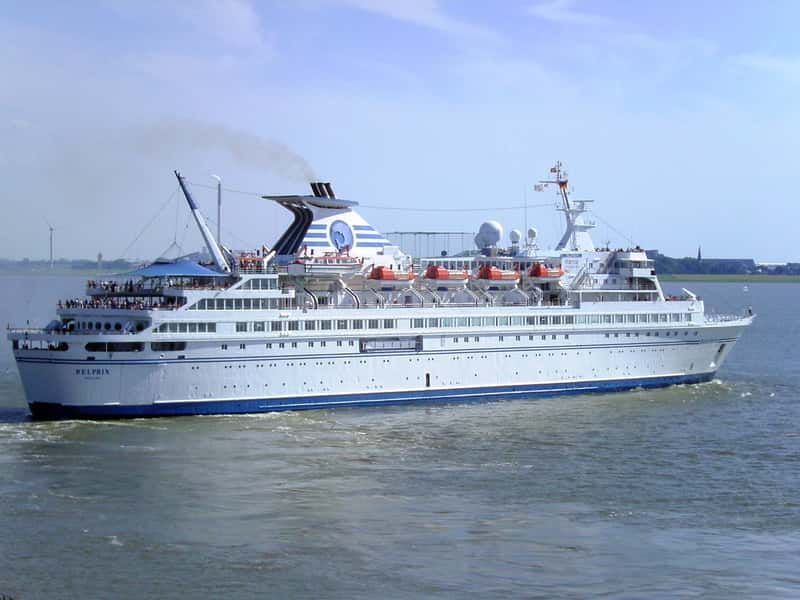
Cruising takes you to significant places and numerous spots. Many try to do most activities and visit each port, but that’s the biggest mistake you’re making as a newbie. When you opt for cruising, you don’t have that much time to do everything. Ensure that you do things that make you feel refreshed and excite you, not try everything mentioned in the brochure.
Experienced cruisers know that trying to pack every moment leads to vacation exhaustion rather than relaxation. Choose a few priority activities per day and leave room for spontaneous discoveries. Maybe skip one shore excursion to enjoy the ship’s amenities during a peaceful port day when most passengers are ashore.
Read your daily cruise planner or check the schedule on the cruise line app. You don’t want to miss amazing shows or interesting cruise ship activities. All cruise ships provide a daily planner of ship activities, as well as information such as opening hours for dining venues, the fitness centre and more. Plan strategically rather than frantically.
Prepare for Real Cruise Costs Beyond the Sticker Price
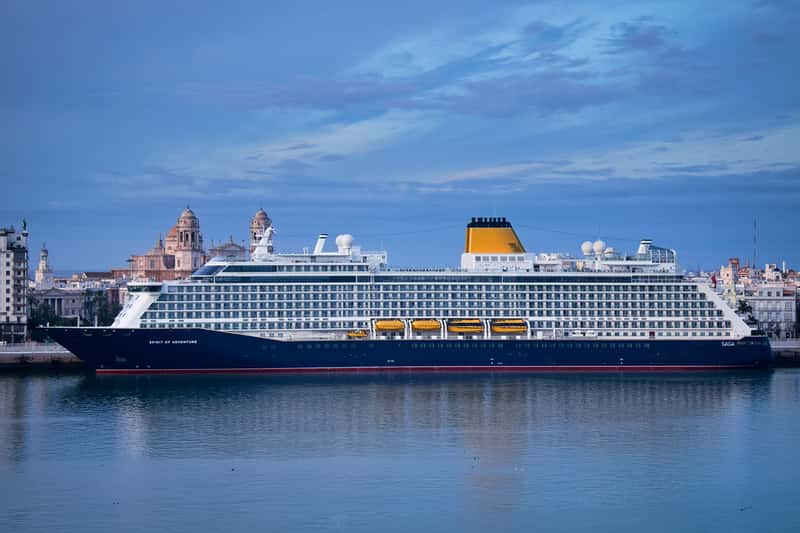
Even on a cruise, there are extra charges that some services will require. Even if your cruise package is all-inclusive, bring cash, especially small bills, for tips and in-destination purchases. Many first-timers underestimate these additional expenses and find themselves scrambling.
Typical extra costs include gratuities (roughly $14-16 per person per day), alcoholic beverages, specialty coffee, shore excursion tips, spa services, photos, and WiFi packages. Wi-Fi packages can be expensive and often move at glacial speeds, so consider disconnecting for a true vacation experience.
Travel insurance doesn’t just cover the cost of your vacation should you need to cancel. It can also pay for any medical expenses that happen abroad, as most domestic health insurance policies will not cover you after you enter international waters. Factor these costs into your cruise budget from the beginning.
Your first cruise should be magical, not stressful. These six tips, drawn from industry statistics and seasoned traveler experiences, will help you avoid common pitfalls and maximize your vacation investment. The cruise industry is booming because when done right, cruising creates lifelong memories and often converts first-timers into repeat passengers.
What surprised you most about cruise planning? Share your thoughts in the comments below.