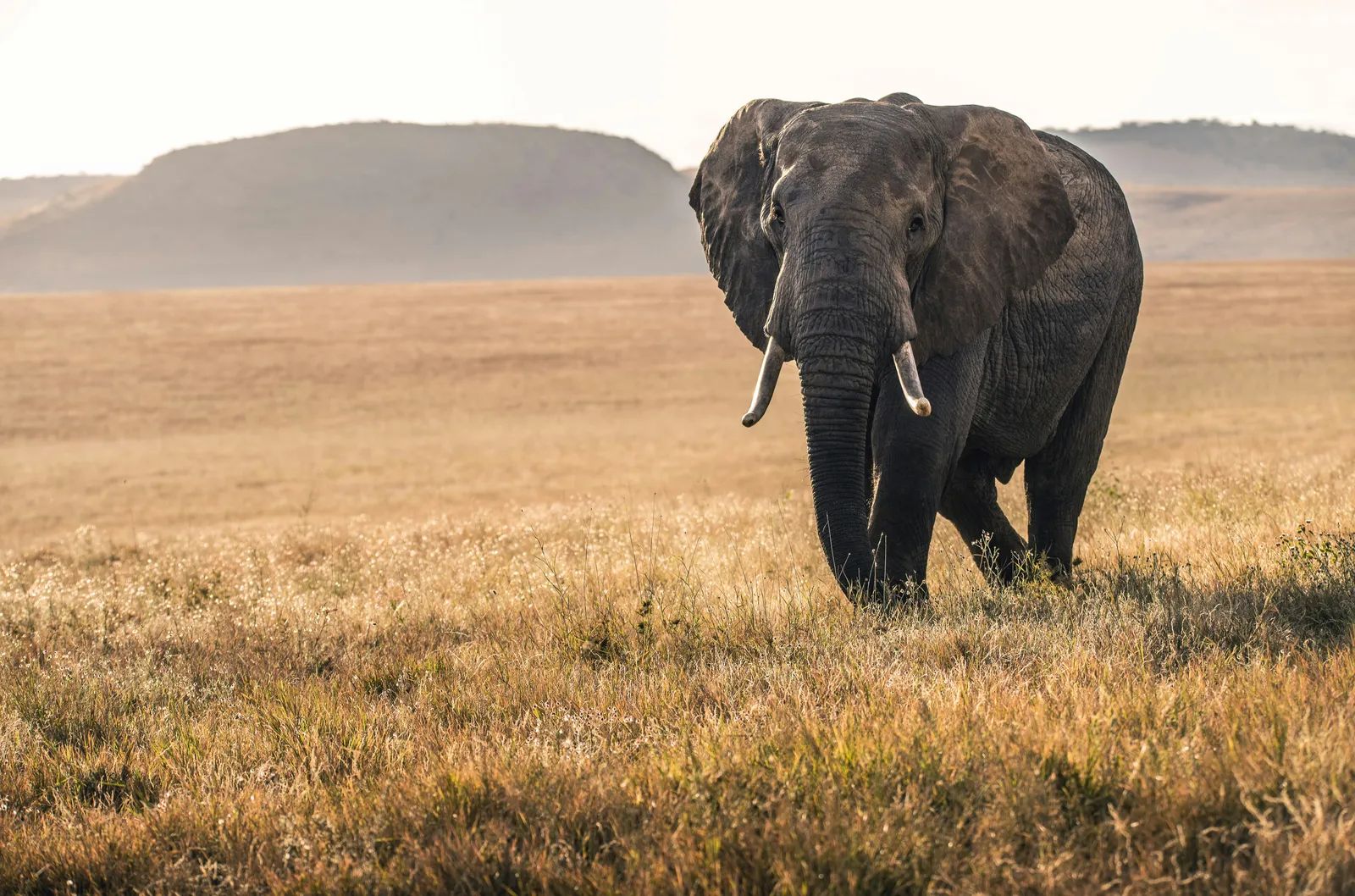
Many travelers picture lions, elephants, leopards, rhinos and buffalo when wildlife holidays come to mind. Yet the full range of animal encounters stretches across polar ice, open oceans and dense forests far from those classic African plains. Operators such as Wildfoot Travel design trips around specific species and landscapes rather than fixed checklists, opening options that feel more personal and varied. The original emphasis on the Big Five can narrow expectations, but shifting focus to habitats and behaviors reveals richer possibilities. ([1])
Why the Classic Safari Need Not Be the Only Goal
Africa holds far more than its most famous mammals. Primates, wild dogs, giraffes, birds and reptiles thrive across the continent and reward patient observation in their natural settings. Concentrating solely on the Big Five risks overlooking these species and the distinct behaviors they display. Travelers who broaden their view discover that the same continent supports entirely different rhythms of movement and interaction. The result is often a deeper connection to place rather than a hurried list of sightings. This shift also reduces pressure to tick boxes and encourages longer, more relaxed time in the field.
Polar Landscapes Deliver Drama of Their Own
The Arctic and Antarctica present wildlife against backdrops of ice and open water that feel nothing like savanna drives. In the north, polar bears, Arctic foxes, reindeer and seabirds appear against tundra and remote coastlines, often viewed from expedition ships that also allow shore landings. Antarctica brings penguins, seals and whales in waters framed by glaciers and mountains. The scale of the wilderness itself becomes part of every sighting, turning each day into a blend of animal watching and exploration of vast, empty terrain. These journeys reward those who value setting as much as the creatures themselves.
Marine Routes and Forest Trails Offer Fresh Perspectives
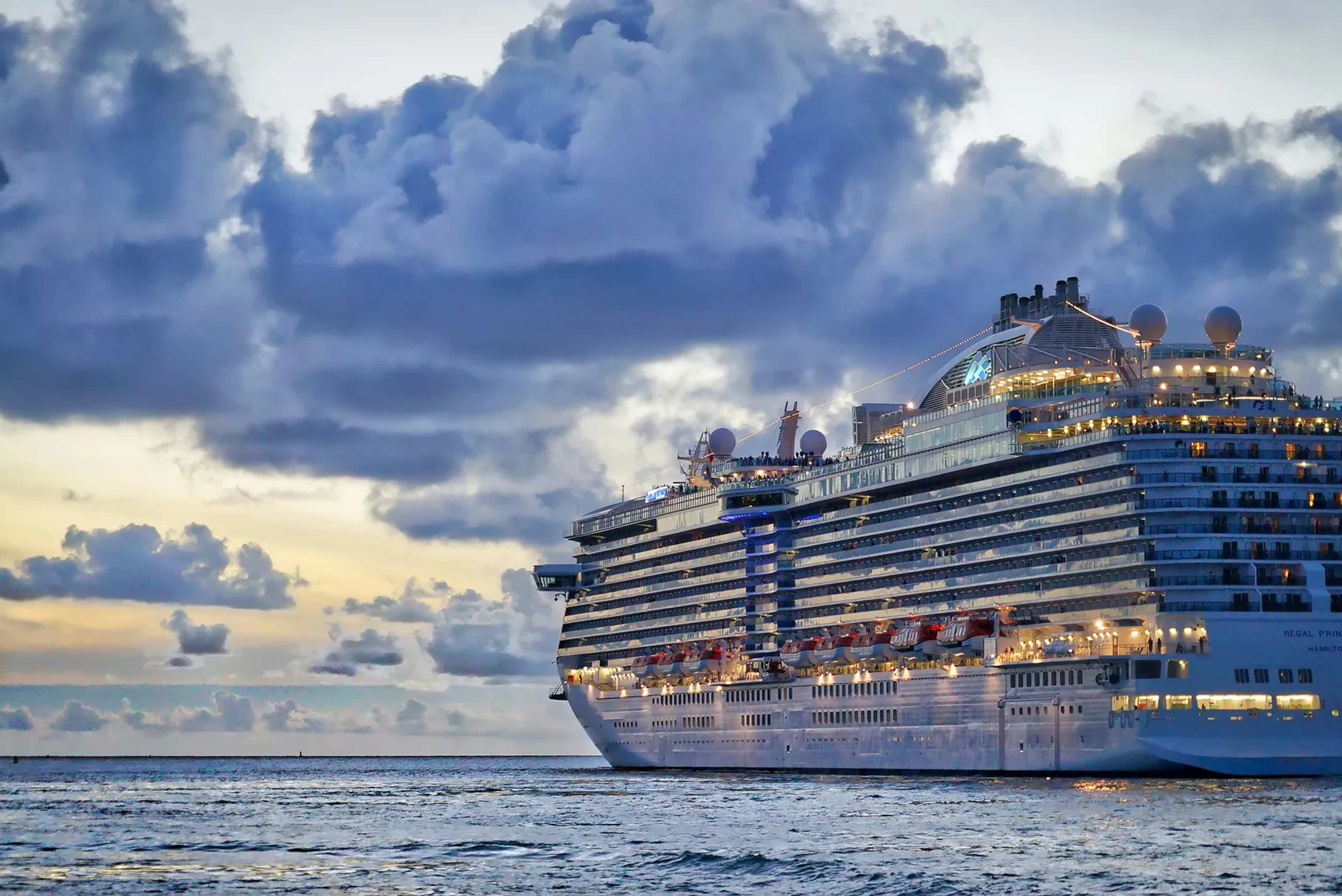
Expedition cruises place travelers directly among whales, dolphins, orcas and seabirds for days at a time. The movement of the vessel itself becomes the itinerary, with unexpected surfacing events often proving more memorable than scheduled stops. Cold-water routes emphasize seals and large cetaceans, while tropical passages add coral reefs and island ecosystems. On land, primate tracking replaces vehicle-based game drives with guided walks through forests and mountains. Gorillas, chimpanzees and rarer species require attention to sounds, tracks and vegetation rather than distant scanning across plains. The physical engagement changes the pace and intensity of each encounter.
Practical Choices Shape the Quality of the Trip
Timing matters because migrations, breeding seasons and weather patterns dictate visibility. Researching peak periods for a target species improves odds without forcing a rigid schedule. Within one country, the best weeks for one animal may not align with another, so operators can advise on realistic windows. Travel style also influences results. Walking safaris highlight smaller creatures and plant life, while photography-focused departures allow more time for light and behavior. Expedition vessels reach coastlines otherwise inaccessible, and small boats bring marine life closer. Combining wildlife with local culture, history or scenery turns quieter moments into part of the overall reward. The most satisfying journeys begin with a personal wish list rather than a standard itinerary. Whether the goal involves polar bears, whales, birds or primates, the wider world of wildlife travel rewards those willing to look past the familiar five.