Ask most visitors to name a Canadian city and you’ll hear the same two answers. Toronto has the skyline and Vancouver has the mountains behind the harbour. Both deserve their reputations, yet they take up a lot of the attention.
Plenty of other cities across the country have their own museums, trails, food markets and strange bits of history. Some sit on rivers that most people have never heard of, and some are a short drive from places travellers already know. The nine below are a good place to start looking.
Winnipeg, Manitoba
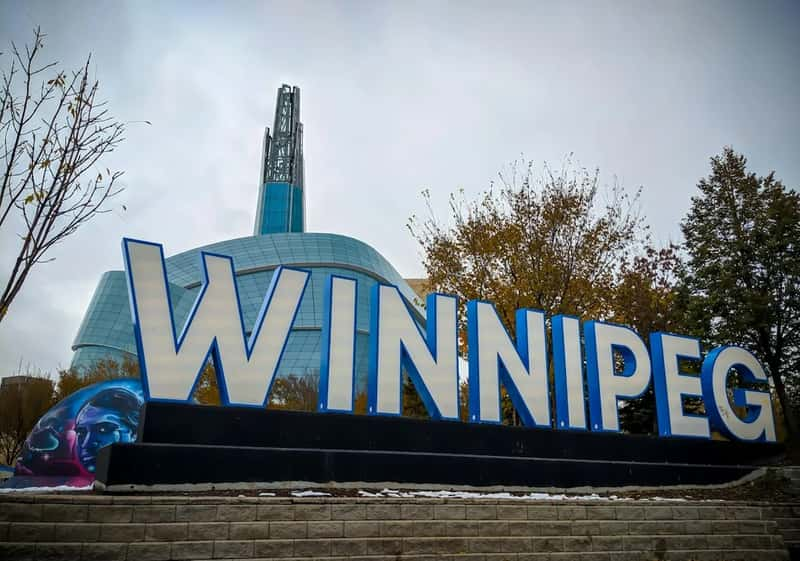
Winnipeg’s centre of gravity is The Forks, where the Red and Assiniboine rivers meet. The area has been an Indigenous gathering place for thousands of years.[1] Today it holds markets, restaurants and riverside walking paths in one compact stretch of downtown.
Right beside it stands the Canadian Museum for Human Rights. It is the first national museum in Canada built outside the capital region.[2] Most visitors find that three to four hours is enough to see the main galleries and the Tower of Hope.[2] Admission is free on the first Sunday of each month.[3]
Saskatoon, Saskatchewan
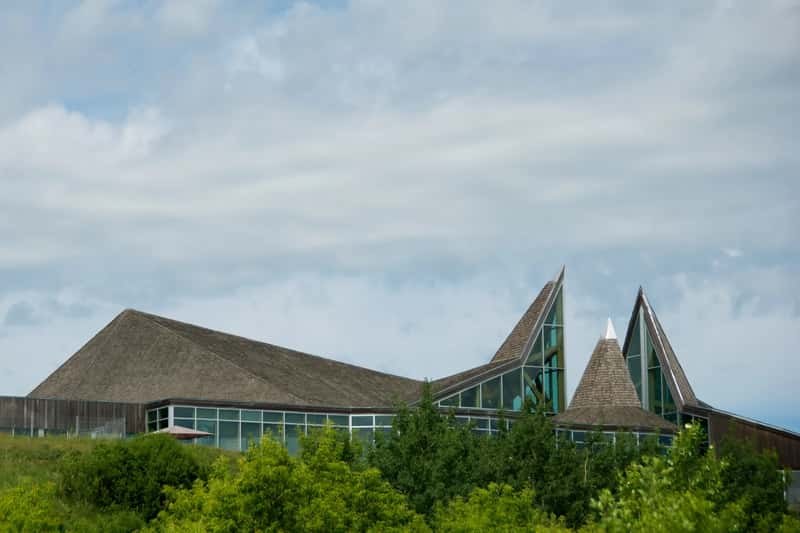
Saskatoon sits on the South Saskatchewan River, and its biggest draw is a short drive from downtown. Wanuskewin Heritage Park, about 17 kilometres north of the city, is hoping to become Saskatchewan’s first UNESCO World Heritage Site.[4] The park’s leaders are hoping for a positive response by 2028.[4]
The park is not a museum behind glass. It has the longest running archaeological dig in Canada, with 19 pre-contact sites, a medicine wheel, tipi rings and buffalo jumps along 7 kilometres of walking trails.[5] Its restaurant serves First Nations cuisine with a modern twist.[6]
St. John’s, Newfoundland and Labrador
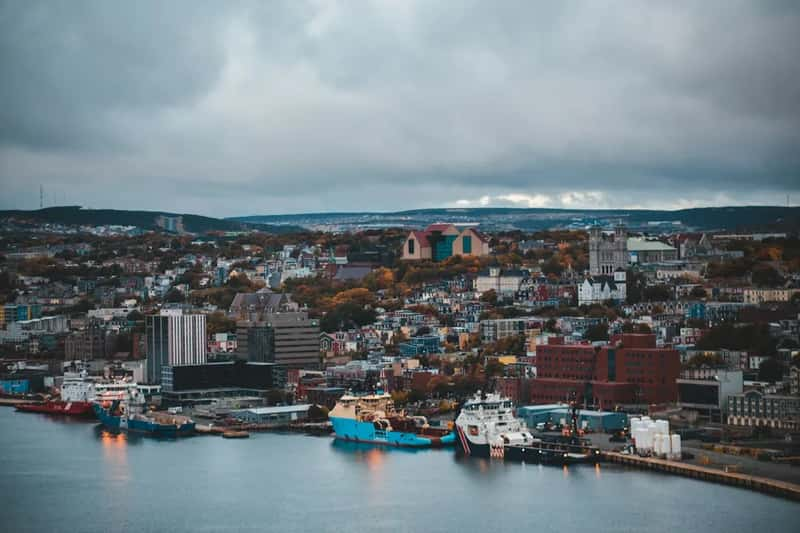
St. John’s is a long way from anywhere else, and that is part of its charm. It is the easternmost city in North America and the capital of Newfoundland and Labrador.[7] Its harbour has been a working fishing port since the 16th century.
Start on Jellybean Row, though don’t look for a street by that name. The nickname covers a whole hillside of streets near downtown.[8] Then climb Signal Hill, where Guglielmo Marconi received the first transatlantic wireless signal in 1901.[9] The North Head Trail there is 1.7 kilometres, takes about an hour and is rated difficult.[10]
Kingston, Ontario
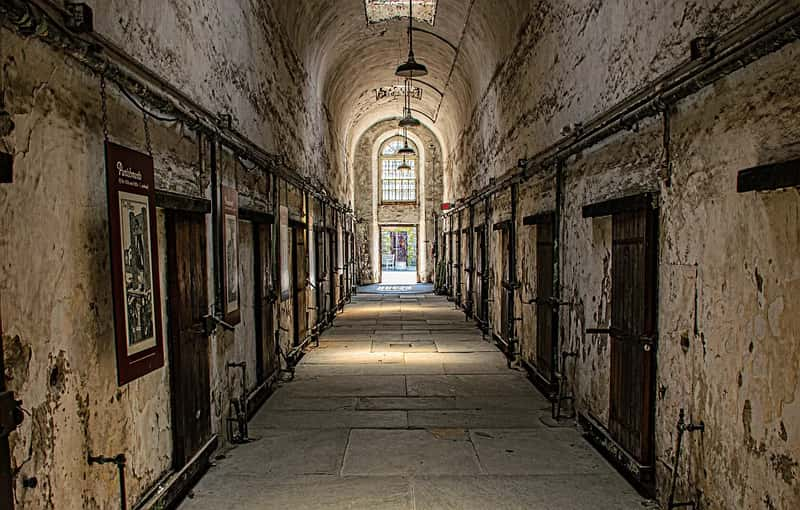
Kingston is built largely from limestone, and it wears its history openly. It was Canada’s first capital city.[11] Fort Henry National Historic Site showcases the country’s military heritage with tours and reenactments.[12]
Then there’s the prison. Kingston Penitentiary, Canada’s oldest, can be toured today, including living and working areas that date to the 1830s.[13] Tours are led by former staff members who share first hand accounts of life inside.[14] In July and August, Fort Henry also hosts weekly Sunset Ceremonies.[14]
Saint John, New Brunswick
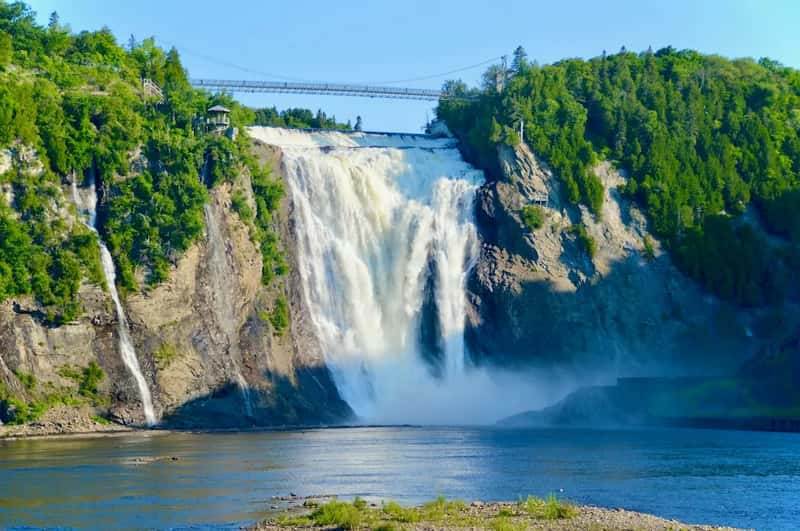
Saint John is the Bay of Fundy’s port city, and the bay shapes almost everything here. The Fundy tides are among the highest in the world. At the Reversing Falls, the tide pushes the Saint John River’s flow back against itself, which is a strange thing to watch from the shore.
Downtown, the Saint John City Market occupies a building from 1876 and is a national historic site. It’s a good place to eat lunch and see local produce, seafood and baked goods under a big timber roof. The compact uptown core makes the city easy to cover on foot.
Fredericton, New Brunswick
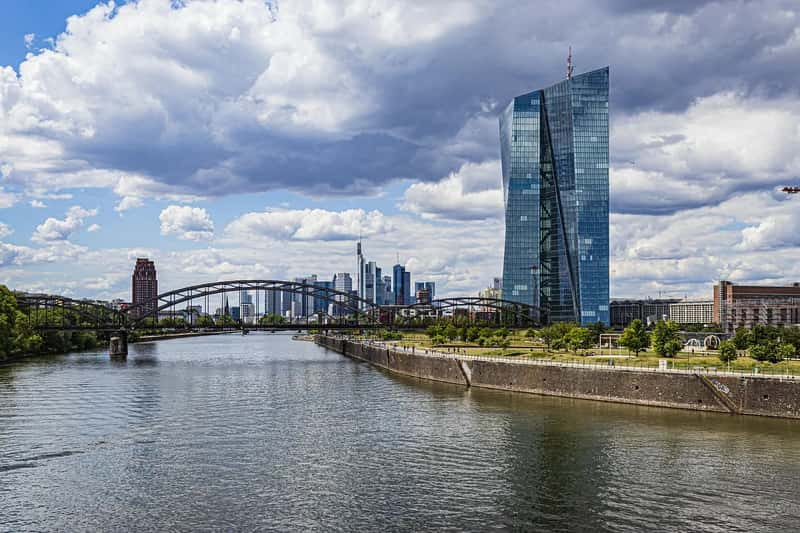
Fredericton is the provincial capital, and it’s smaller and calmer than people expect. It sits on the Saint John River, with a riverside trail system and a walkable downtown. The pace is quiet, and the arts scene is stronger than the size of the city would suggest.
The Beaverbrook Art Gallery is the main reason to stop. Founded in 1959, it holds Salvador Dalí’s Santiago El Grande, a huge canvas that surprises many first time visitors. On Saturday mornings, the Boyce Farmers Market is the local place to go for breakfast and fresh food.
Sherbrooke, Quebec
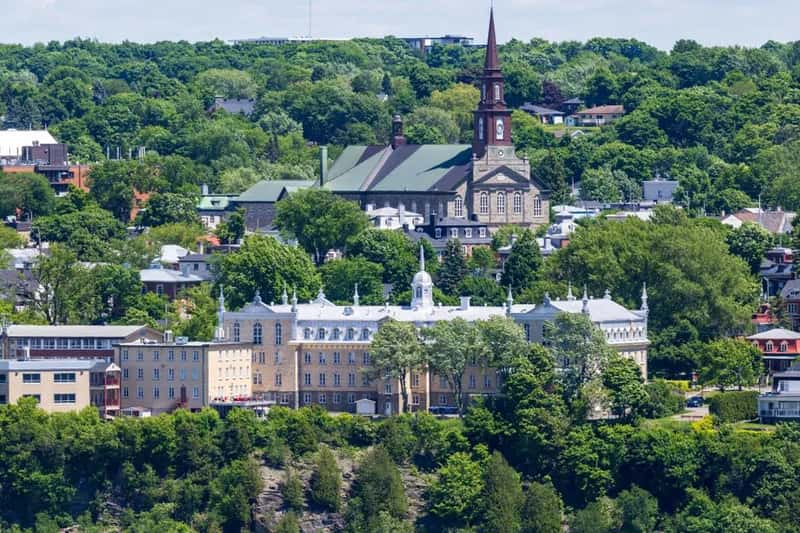
Sherbrooke is in the Eastern Townships, a region of hills, lakes and farmland southeast of Montreal. It’s a mainly French speaking city, so a few words of French go a long way. The Magog River runs through the middle of town and gives the downtown a natural focal point.
The city is known for its large outdoor murals, which tell local stories on the sides of downtown buildings. Lac des Nations, a lake in the city centre, is a popular place for walking and events. From here, the wider Eastern Townships are an easy drive for hiking, vineyards and small villages.
Whitehorse, Yukon
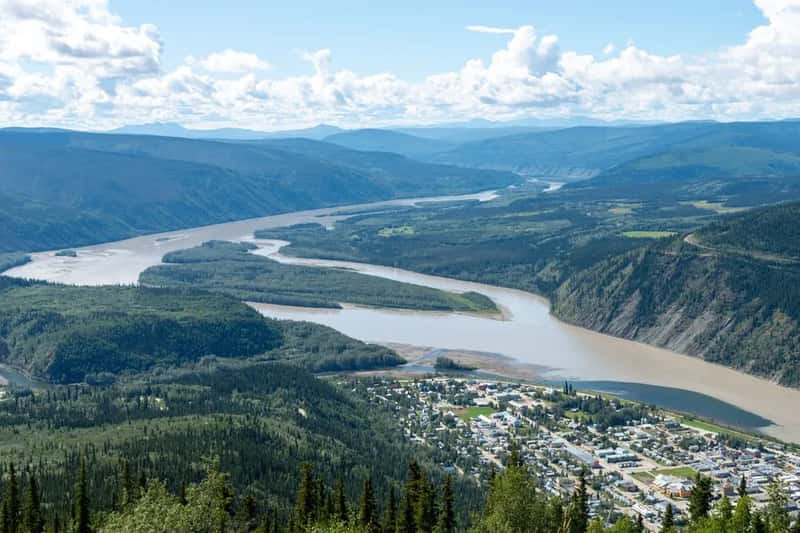
Whitehorse is the Yukon’s capital, and it’s home to roughly 28,000 people, most of the territory’s population. The Yukon River runs right alongside downtown. The SS Klondike, a restored sternwheeler, is a reminder of the riverboat era that carried people and freight during the Klondike Gold Rush years.
Northern lights viewing is a big reason people come. The season typically runs from late August through April, when nights are dark enough. Miles Canyon, just outside the city, is a short trip for walking trails and a suspension bridge above the river.
Lethbridge, Alberta
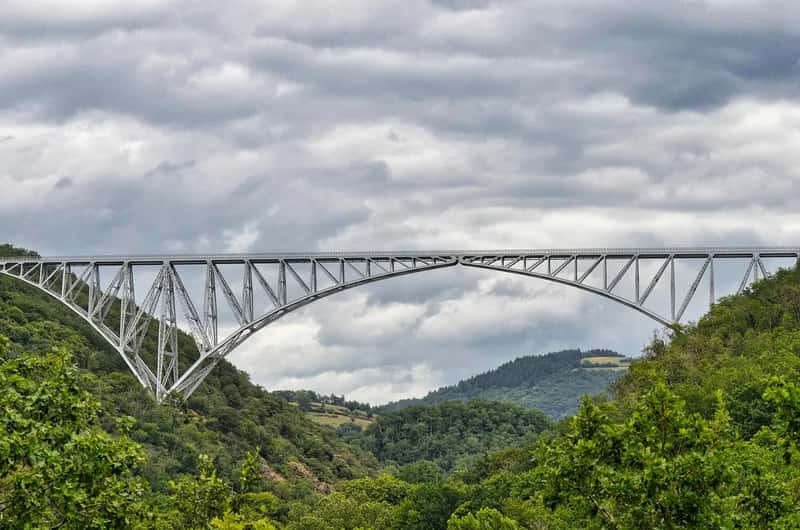
Lethbridge, in southern Alberta, is a prairie city with a dramatic river valley running through it. The Lethbridge Viaduct, also known as the High Level Bridge, was completed in 1909 and is among the longest and highest railway bridges of its kind in the world. It stretches roughly one and a half kilometres across the Oldman River coulee.
Nikka Yuko Japanese Garden was created in 1967 to mark Canada’s centennial. It reflects the city’s Japanese Canadian community and its history. Together with the trails in Indian Battle Park below the bridge, the garden makes for an easy and quiet afternoon.
Planning Your Route
Timing matters for several of these places. Fort Henry’s main season in Kingston runs daily from 16 May to 7 September in 2026.[15] In St. John’s, iceberg viewing peaks in June and early July.[9]
Winnipeg’s museum offers free admission on the first Sunday of each month, and Whitehorse’s aurora season runs from late summer into spring. Saskatoon’s Wanuskewin is open to visitors now, even as its UNESCO decision is still pending.