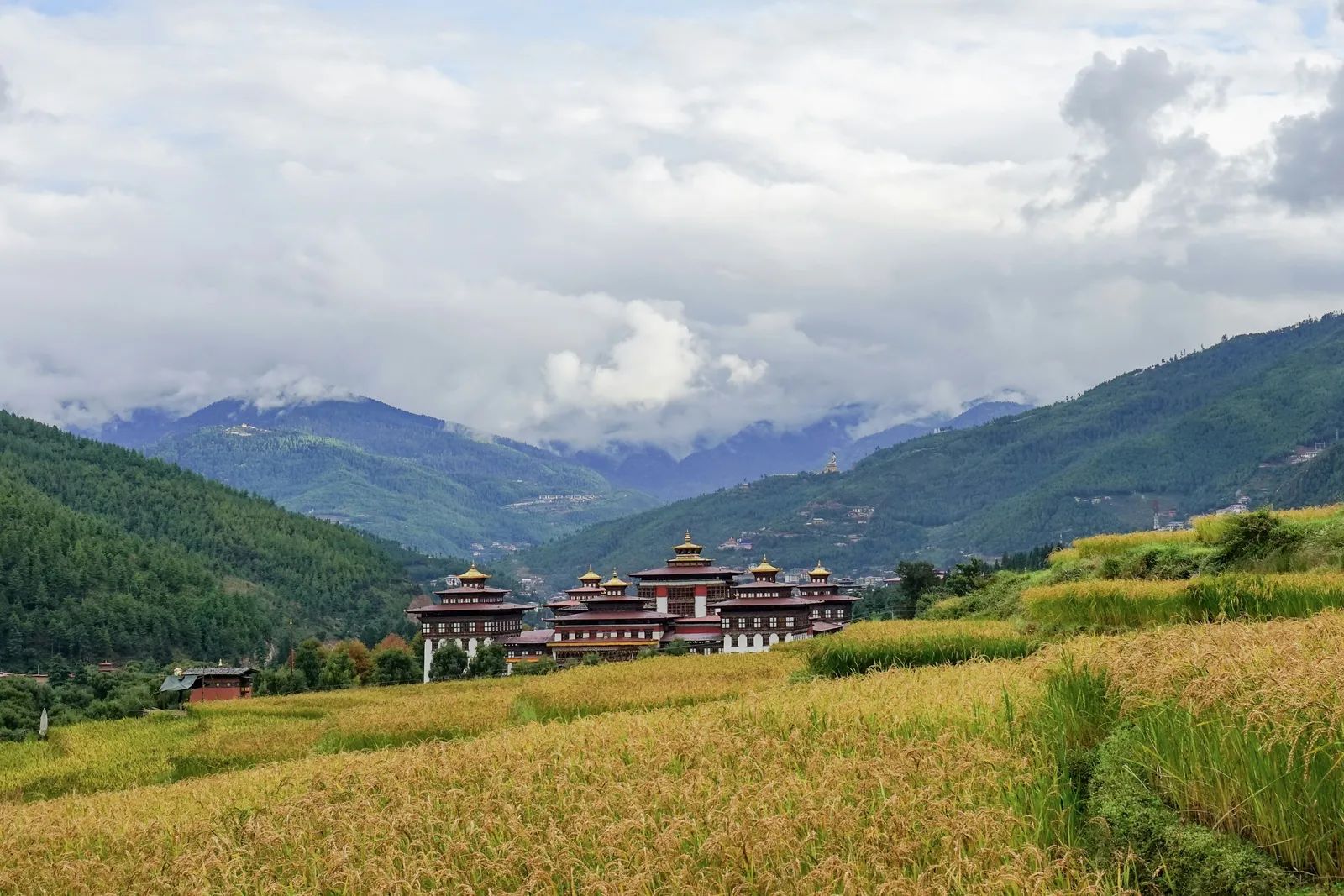
Bhutan is advancing an ambitious agricultural agenda that directly connects to its long-standing national philosophy of Gross National Happiness. The landlocked Himalayan kingdom has set a clear deadline of 2029 to reach food self-sufficiency as part of its 13th five-year plan. This effort seeks to strengthen domestic production of staple commodities while supporting the smallholder farmers who form the backbone of rural communities.
Philosophy Shapes Practical Policy
Gross National Happiness has guided Bhutan’s development priorities for decades, placing well-being alongside economic growth. The current five-year plan translates that principle into concrete agricultural targets. Officials aim to reduce reliance on imports by boosting output of rice, vegetables, and other essentials. The approach recognizes that reliable local food supplies contribute to both economic stability and the sense of security central to the happiness index. Agriculture already supports more than 40 percent of the country’s roughly 800,000 residents. Most of these farmers operate on small plots in remote areas. Government planners view improved farm productivity as a direct way to raise living standards and retain population in rural districts. The 2029 deadline creates a measurable benchmark against which progress can be tracked.
Steep Terrain and Logistics Create Persistent Hurdles
Bhutan’s mountainous landscape limits the amount of land suitable for cultivation. Only a small fraction of the country’s territory can support intensive farming. Remote locations compound the difficulty, with many farms connected by unpaved roads that slow transport and increase spoilage. Key obstacles include: – Limited arable land due to steep slopes and high elevation
– Long transit times that reduce produce quality before it reaches markets
– Absence of adequate cold storage facilities in many districts
– Shortage of labor as younger residents move away from farming These factors raise costs and reduce returns for growers. Bleu Tshering Dorji, a chef and restaurateur, has noted that every extra hour in transit affects freshness and market value. The result is a system where even successful harvests can lose significant value before reaching consumers.
Targeted Funding and Farmer Support Underway
The government has allocated roughly $180 million through the five-year plan, with $139 million directed specifically at smallholder farmers. The majority of these farmers are women, making the investment particularly relevant to rural households. Funds are intended to improve infrastructure, introduce better storage solutions, and provide training that makes farming more viable as a profession. Sonam Wangchuk of the Ministry of Agriculture and Livestock has emphasized the need to modernize supply chains while preserving the small-scale character of Bhutanese agriculture. Officials hope these measures will help farmers capture more value from their output and reduce post-harvest losses. The plan also includes efforts to make agriculture attractive to younger Bhutanese by highlighting it as a skilled and respected occupation rather than a fallback option. Progress will depend on sustained investment and the ability to overcome geographic constraints. Success by 2029 would mark a notable step in aligning the country’s food system with its broader vision of national well-being.