You’ve packed your bags, booked your flights, and you’re ready for that dream vacation. The passport is tucked safely in your carry-on, along with your wallet, phone charger, and a small bottle of pills that keeps your life running smoothly. Nothing special about them, right? Just the same prescriptions you’ve been taking for years.
Yet that unassuming bottle might be the very thing that gets you detained at customs, thrown into a foreign jail cell, or deported before you even step foot outside the airport. The medication that your doctor prescribed without a second thought could be classified as an illegal narcotic halfway across the world. Scary thought, isn’t it?
A 2024 survey found 63% of people had no idea their meds could be illegal overseas. Let’s be real, most of us toss our pill bottles into our luggage and never think twice. We assume what’s legal at home is fine everywhere else. It’s a dangerous assumption. Let’s dive into nine common medications that could land you in serious trouble abroad.
Adderall and Amphetamine-Based ADHD Medications
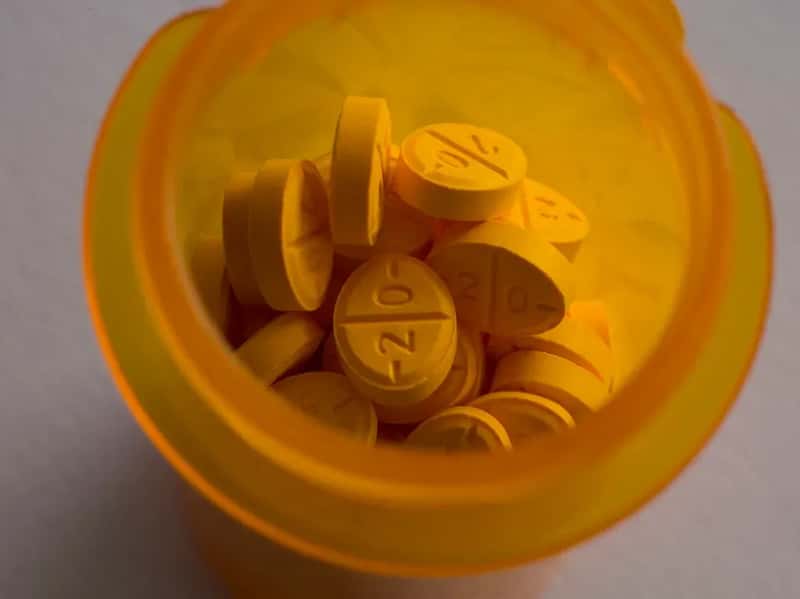
Adderall is as American as apple pie, at least when it comes to treating ADHD. Millions rely on it daily. Step off a plane in Japan, though, and you might as well be smuggling contraband.
Amphetamine, Active Pharmaceutical Ingredient of ADDERALL, is controlled as “Stimulants” under the Stimulants Control Act, and cannot be imported into Japan, even for treatment purposes. Think having a prescription will save you? Think again. One traveler brought Adderall to Tokyo in March 2024, had a doctor’s letter, had the original prescription, still got detained, his meds were thrown out, and he had to fly home early.
Stimulants are banned or heavily restricted in over 40 countries, including Japan, Singapore, and the UAE. In the UAE, possession can result in up to 15 years in prison for stimulant possession. That’s not a slap on the wrist or a small fine. That’s a decade and a half behind bars for a pill your doctor gave you. China is equally unforgiving. China bans ADHD meds outright, Adderall, Concerta, Ritalin, all illegal, no permits, no exceptions.
Codeine-Based Pain Relievers
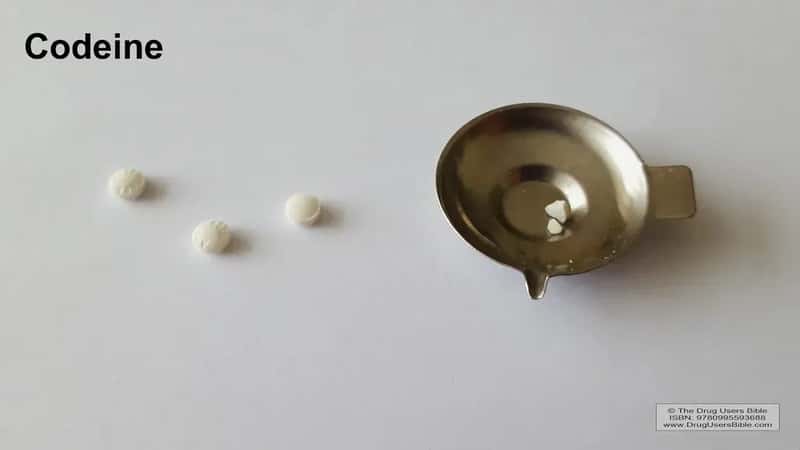
Got a bottle of Tylenol with codeine for that nagging back pain? Or maybe a cough syrup that works wonders when you’re sick? Better leave those at home if you’re heading to the Middle East or Asia.
Codeine, which is found in certain cough syrups and painkillers, is controlled or outright banned in the UAE, Japan, Greece, and Indonesia, often requiring prior approval or special permits. It sounds harmless. Codeine is available over the counter in many places, or at least with a simple prescription. A woman from Australia carried 10 codeine pills for migraines into Dubai, thought they were fine because they were prescribed, she spent 72 hours in detention, her husband had to fly in to get her out.
Codeine in cough syrups and pain relievers is tightly controlled in 14 countries, including the UAE, Japan, and Greece, and in the UAE, carrying it without a permit can mean 1 to 3 years in prison. Even small amounts trigger harsh penalties. Honestly, it’s terrifying how a simple painkiller can turn your trip into a legal nightmare.
Vyvanse and Other Lisdexamfetamine Products
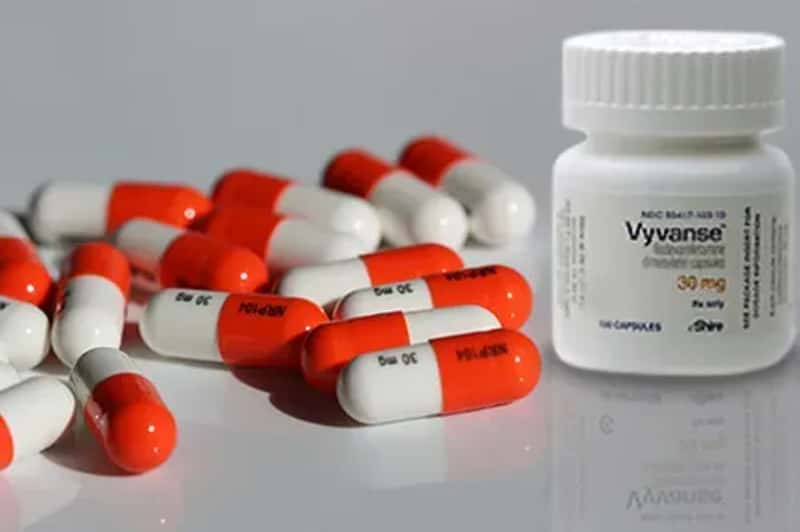
Vyvanse is another ADHD medication commonly prescribed in the United States and Canada. It works differently than Adderall on a chemical level, but to many countries, it’s just another stimulant to ban.
Vyvanse is legal in Australia and Canada but banned in most of Europe and Asia. Japan does allow Vyvanse under strict conditions. Lisdexamfetamine, API of VYVANSE, is controlled as “Stimulants’ Raw Materials” under the Stimulants Control Act, and you can import it into Japan by getting an advanced permission. Getting that permission, though, is no walk in the park. You need to apply weeks in advance, submit medical documentation, and hope Japanese authorities approve your request.
Many European nations take a hard line too. Countries like Germany and Norway classify Adderall as a Class A drug, making unauthorized possession illegal and subject to severe penalties, including imprisonment and hefty fines. That same logic often applies to Vyvanse and similar medications. Traveling with these drugs without checking local laws first is rolling the dice with your freedom.
Diazepam (Valium) and Benzodiazepines
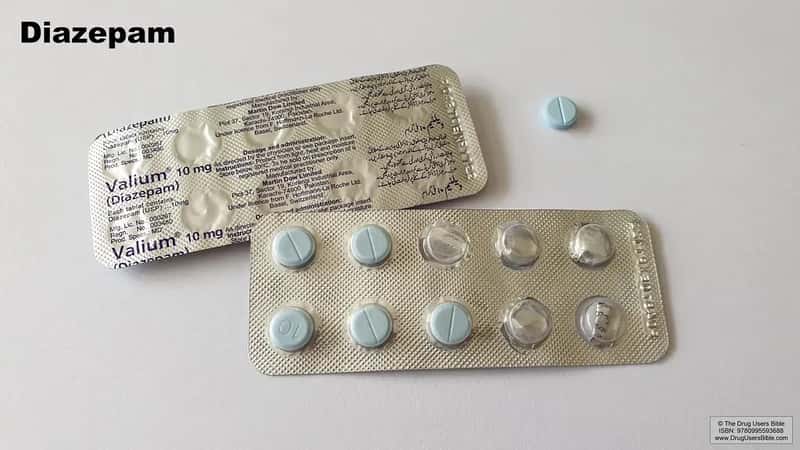
Anxiety medications like Valium, Xanax, and Ativan are staples for millions managing stress, panic attacks, or sleep issues. Pack them for your trip to Greece or the UAE without proper paperwork, and you’re asking for trouble.
Xanax and Valium, even with a prescription, are controlled in 31 countries, and the UAE imposes mandatory 2-year prison sentences for unauthorized possession. Medications to exercise particular caution with include sedatives, such as alprazolam and diazepam. These aren’t exotic substances. They’re commonly prescribed for legitimate medical reasons. Yet borders don’t care about your anxiety diagnosis.
In the United Arab Emirates, codeine, zolpidem, Xanax, and diazepam are all illegal without a permit, with penalties ranging from 2 to 4 years in prison. Greece also tightly regulates these drugs. Greece and Japan do not allow medication with Diazepam and it is also banned in the UAE. Even Thailand and Germany have strict rules. You may be allowed to bring a limited supply with proper documentation, but anything beyond that puts you at risk.
Pseudoephedrine (Sudafed) and Cold Medications
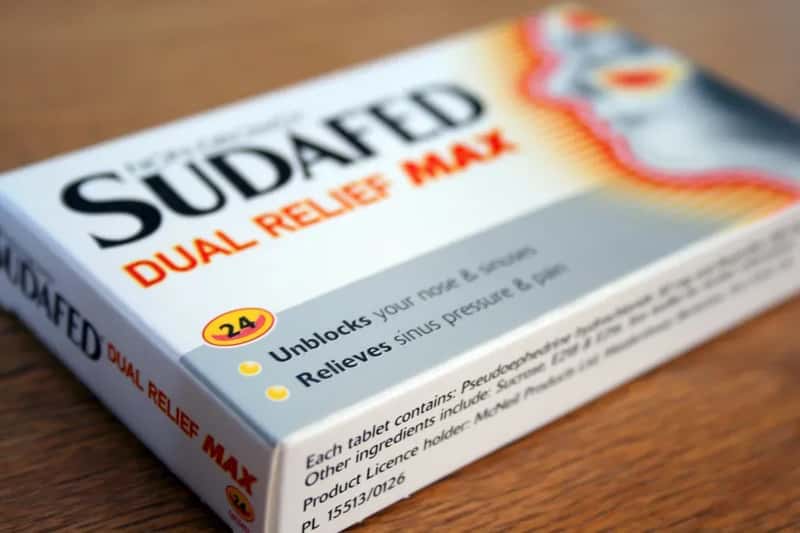
This one catches people off guard more than any other. Sudafed, Vicks inhalers, or any cold medication containing pseudoephedrine seems as innocent as aspirin. It’s sold over the counter at every pharmacy in America.
Pseudoephedrine, a medication found in medications to treat upper respiratory symptoms, may be converted into methamphetamine and is illegal in some countries. Japan bans it entirely. In Japan, it is prohibited, and travelers are advised not to bring it into the country. Mexico also doesn’t allow it. Pseudoephedrine, the main ingredient in Sudafed, is completely banned in Mexico, and there are no exceptions for personal use, even with a prescription.
Sudafed and Benadryl together account for 94% of all medication-related arrests involving U.S. citizens in Japan. Imagine getting arrested over a cold pill. It sounds absurd, yet it happens all the time. The reasoning is that pseudoephedrine can be used to manufacture methamphetamine, so countries with strict drug enforcement simply ban it outright.
Diphenhydramine (Benadryl)

Benadryl is another over-the-counter staple. Allergies acting up? Pop a Benadryl. Can’t sleep on the plane? Benadryl to the rescue. But several countries see it differently.
Diphenhydramine (Benadryl) is not permitted in Japan and can be confiscated at customs. Japan allows it only in tiny doses. In Japan, diphenhydramine is allowed only if the amount in a tablet or injection is limited, however, a typical 25-milligram tablet of Tylenol PM in the U.S. exceeds the 10-milligram maximum amount in a tablet you can bring into Japan. So even if you’re carrying something technically legal, the dosage alone could get you in trouble.
In Singapore, some formulations containing diphenhydramine are restricted, and in the UAE it is classified as a controlled substance and possession may lead to legal issues. Zambia bans it outright in over-the-counter products. You’d never guess that a simple allergy pill could cause such headaches abroad, but international drug laws are wildly inconsistent.
Zolpidem (Ambien) and Sleep Aids
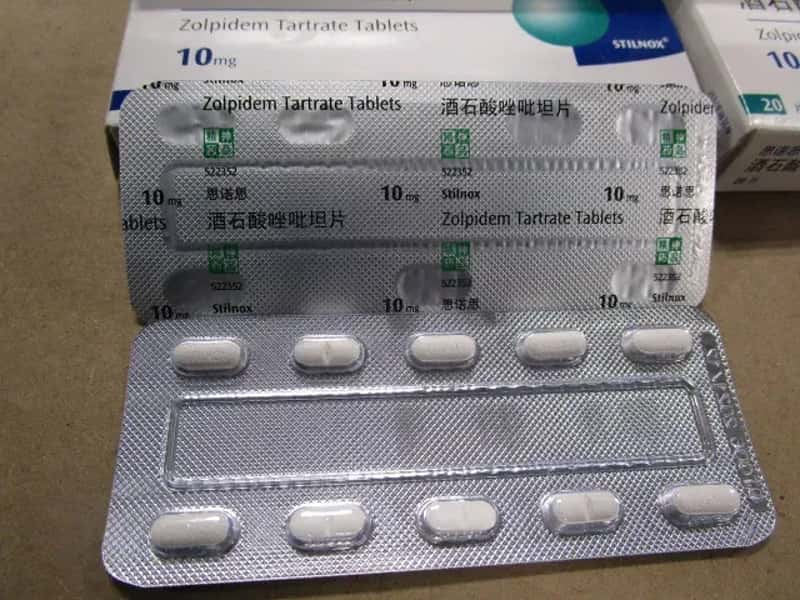
Long flights mess with sleep schedules, so many travelers pack Ambien or similar sleep aids. It’s a prescription medication in the U.S., but widely available and generally accepted. Not everywhere, though.
Even zolpidem, a medication commonly used to prevent jet lag, requires permission in some countries and is prohibited in others. Sleeping medications that contain zolpidem aren’t allowed in Indonesia, Saudi Arabia or Nigeria. Singapore requires a special license. Ambien and Zolpidem, this sedative is banned in Singapore and requires a special license in the UAE.
Here’s the thing, most people assume sleep aids are fine because they’re so common. You’d be wrong. These medications fall under controlled substance regulations in many nations. Without advance approval or proper documentation, customs officials will confiscate them at best, detain you at worst.
Tramadol and Hydrocodone
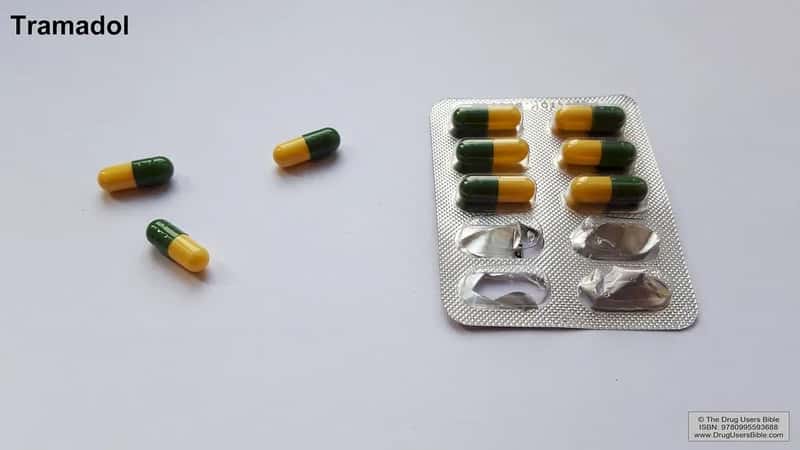
Opioid pain medications are heavily scrutinized worldwide, and for good reason given the addiction crisis. Tramadol and hydrocodone are two of the most commonly prescribed painkillers in the United States. Many other countries either ban them or require extensive documentation.
Codeine and Tramadol are banned or restricted in many countries, including Greece, the UAE, and Egypt. Taking large doses of hydrocodone in combination with acetaminophen puts you at risk of severe liver damage, and this has resulted in several countries, including Germany, Malaysia, and Colombia, adding one or both of these drugs to their controlled substances list.
Greece and Turkey are particularly strict. Traveling with opioids through those countries without a medical certificate, prescription, and sometimes special permits can result in immediate legal action. Though it is one of the most commonly taken opioid medications, codeine is at the center of the opioid addiction problem in several countries, including the United States, and as a result, codeine is highly regulated and even prohibited in some countries. The same caution applies to hydrocodone and other strong painkillers.
CBD and Cannabis Products

CBD oil has exploded in popularity. It’s legal in many U.S. states and touted for everything from anxiety relief to pain management. Some travelers assume since it’s not marijuana, it’s fine to travel with.
Any form of marijuana including CBD oil that may contain THC, even for medical use is illegal in Japan. International travelers should be aware of local laws when packing CBD-containing products, including but not limited to gummies, lotions, oil, and vape cartridges, and often classified as an herbal supplement, CBD itself is not psychoactive but is still controlled in some countries, even if CBD is legal in a country, a CBD-containing product may be illegal if it also contains THC.
Singapore, the UAE, and several other nations have zero tolerance policies for cannabis products of any kind. While products containing 0.2% THC or less are legal in most European countries, products containing any traces of THC are banned in countries such as France, Sweden, Norway, and the UK. Even cruise ships often ban CBD entirely. It’s hard to say for sure what’s allowed where, so unless you’re absolutely certain, leave the CBD at home.
What You Need to Do Before You Travel

So what’s the solution? You can’t just stop taking your medications. Life doesn’t pause for a vacation.
Start planning early. Start 8 to 12 weeks before travel, this isn’t a last-minute task. Contact the embassy or consulate of your destination country and ask directly about your medications. Use the generic drug name, not the brand name. Adderall means nothing abroad, but amphetamine or dextroamphetamine does.
Keep medicines in their original, labeled containers, ensuring that they are clearly labeled with your full name, health care provider’s name, generic and brand name, and exact dosage. Get a letter from your doctor on official letterhead explaining why you need the medication, the dosage, and your medical condition. Ask your doctor for a letter on their letterhead explaining your medications (generic and brand name) and necessity, translated into the host country’s language, if necessary.
Some countries require special import permits for controlled substances. Japan, for example, requires an import certificate for many medications. Thailand raised penalties by 200% in 2023, and the Philippines launched a digital approval system in January 2025, cutting processing time from 14 days to 3. Regulations are getting stricter, not more lenient. The window for error is shrinking.
Conclusion

Traveling internationally with prescription medications isn’t as simple as it should be. What’s routine and legal at home can turn into a criminal offense abroad. Adderall, codeine, Valium, Sudafed, and even Benadryl have landed unsuspecting travelers in detention centers, cost them thousands in legal fees, and ruined vacations they’d been planning for months.
The key is preparation. Research your destination’s drug laws well in advance, get proper documentation from your doctor, and when in doubt, reach out to the embassy. It’s tedious and it feels overly cautious, but it’s worth it. Nobody wants their dream trip to end in handcuffs over a bottle of pills.
Have you ever had a close call traveling with medications? Or maybe you’ve learned the hard way? Either way, always check before you pack. Safe travels.