Air quality is easy to ignore until a hazy sky or a smoke alert forces the issue. This ranking relies on fine particle pollution, often shortened to PM2.5. These are particles that can reach deep into the lungs and enter the bloodstream.[1] The numbers come from 2022 to 2024 averages of fine particle pollution, measured in micrograms per cubic meter.[2]
For scale, the national average was 8.8, above the World Health Organization guideline of 5.[2] Other studies use different methods, so a state’s position can shift depending on the source. Where that happens, the sections below point it out.
1. Wyoming: The Cleanest Air in the Country
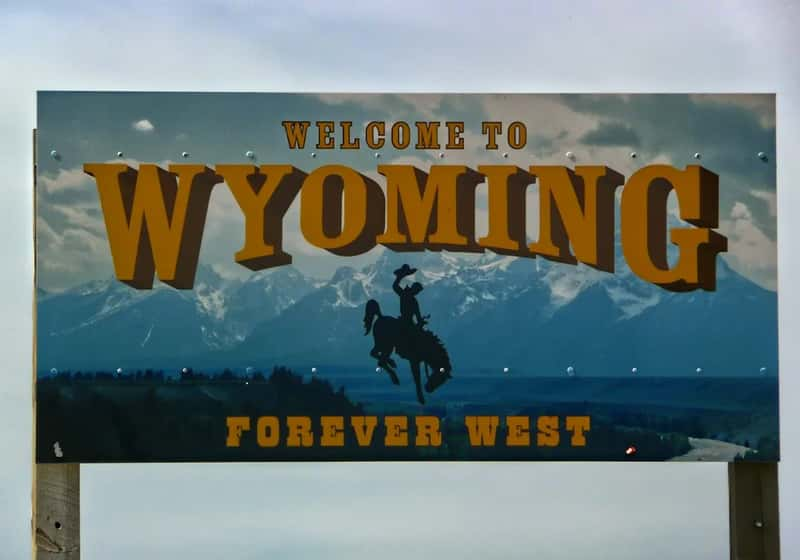
Wyoming tops the national list with an average of 4.1 micrograms per cubic meter.[3] That puts it under the WHO guideline, and it is one of only a few states that can say so. Only Wyoming, Hawaii and New Hampshire fall within the WHO guidelines.[2]
The likely reason is simple geography. Wyoming has vast open land and the smallest population in the nation.[2] Low population density, strong winds and rainfall all play a part in keeping its air clean.[2]
2. Hawaii: Island Air With Room to Spare

Hawaii sits second at 4.7 micrograms per cubic meter. That is the second best particle pollution reading in the country.[2] It also meets the WHO guideline, which most mainland states can’t do.
Local cities back this up. In the American Lung Association’s State of the Air report, Honolulu and Kahului-Wailuku were among the cleanest cities, close behind the top spot.[4] A mid ocean location means little industry upwind, which helps explain the pattern.
3. New Hampshire: Clean Air in the Northeast
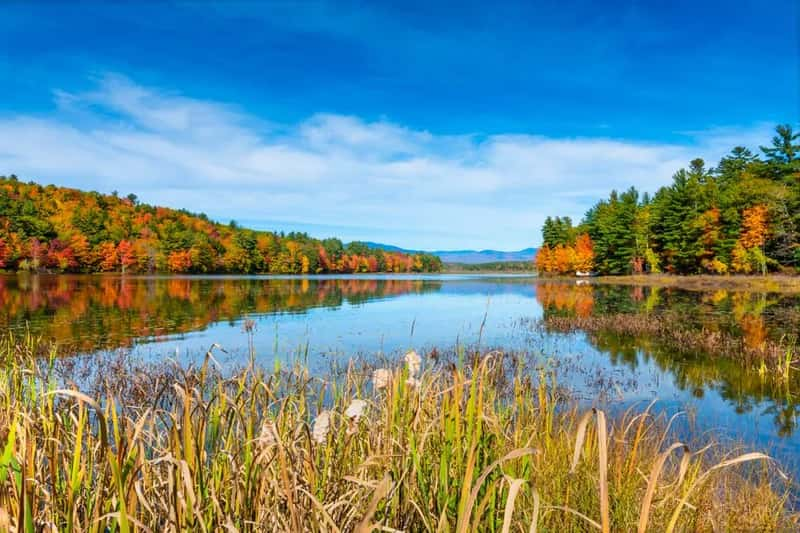
New Hampshire comes third nationally at 5.0 micrograms per cubic meter. It trails only Wyoming and Hawaii.[2] That makes it the only Northeastern state to meet the WHO guideline.
A separate ranking agrees. U.S. News placed New Hampshire fourth in the nation for air quality in 2026.[5] Two different methods landing in the same neighborhood adds some weight to the result.
4. South Dakota: Wide Open and Easy to Breathe
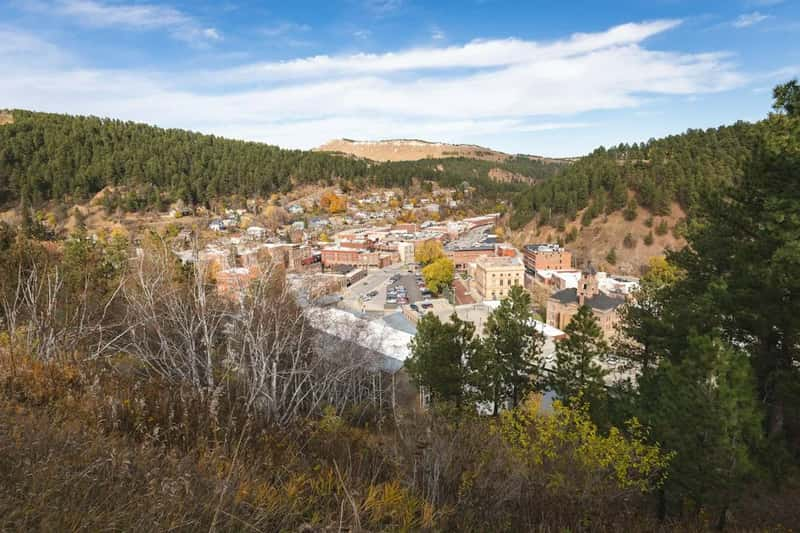
South Dakota ranks fourth at 5.7 micrograms per cubic meter.[3] That is just above the WHO guideline, so it narrowly misses the club of three. For a Plains state, it is a strong showing.
Other researchers reached a similar view. Compare the Market weighed PM2.5, industrial pollution and health data, and gave South Dakota a score of 81.07 out of 100, which put it second.[6] The study includes health measures, so it isn’t a pure air test.
5. Alaska: Huge Space, a Few Local Problems
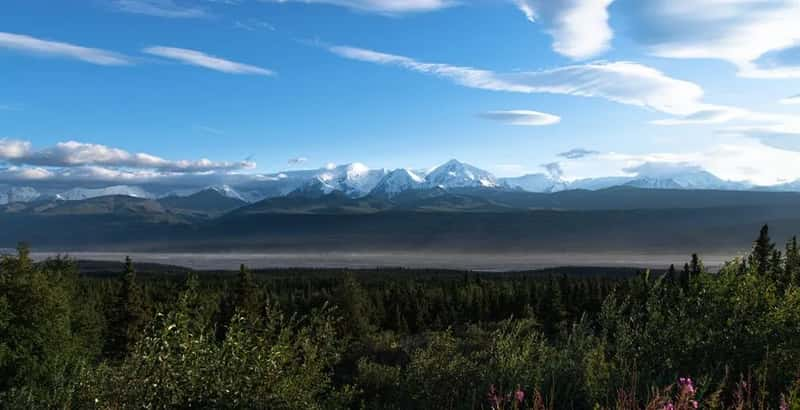
Alaska is tied for fifth place at 5.9 micrograms per cubic meter. Maine and New Mexico share that value.[3] The state’s size and sparse population work in its favor.
Averages can hide local trouble, though. Residents of Anchorage and the Mat-Su Borough can face particle pollution from wood burning used for home heating.[5] A statewide number is only part of the picture for people who live there.
6. Maine: Tied for Fifth, Strong in Other Data Too
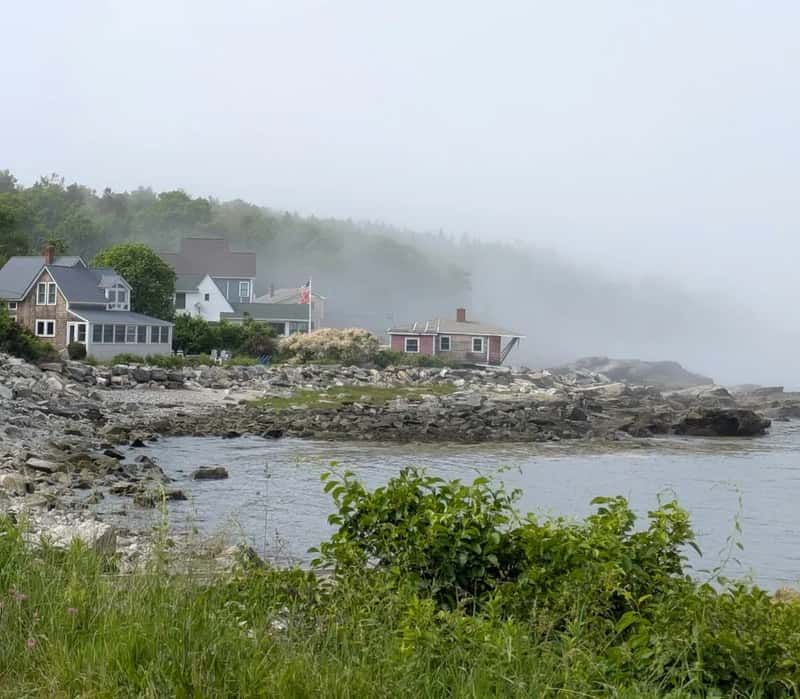
Maine shares fifth place at 5.9 micrograms per cubic meter. It is tied with Alaska and New Mexico.[3] That keeps it near the top of the national list.
A different dataset points the same way. HouseFresh, working from IQAir data, listed Maine at 5.0, alongside Vermont and Washington.[7] The figures differ because the sources and years differ, but both put Maine among the cleaner states.
7. New Mexico: Clean on Particles, Mixed on Other Measures
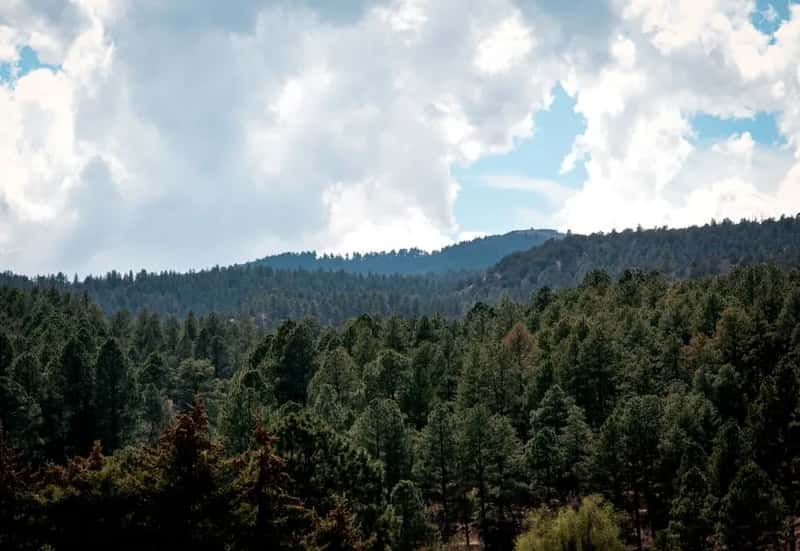
New Mexico also lands at 5.9 micrograms per cubic meter, tied for fifth. On fine particles alone, it looks excellent. Other measures complicate the story.
Its average Air Quality Index for 2023 was 54.1, and U.S. News ranked it 33rd for air quality.[5] That index covers more than fine particles. It suggests that where a state lands depends on what you count.
8. Colorado: Mountain Air, With Caveats
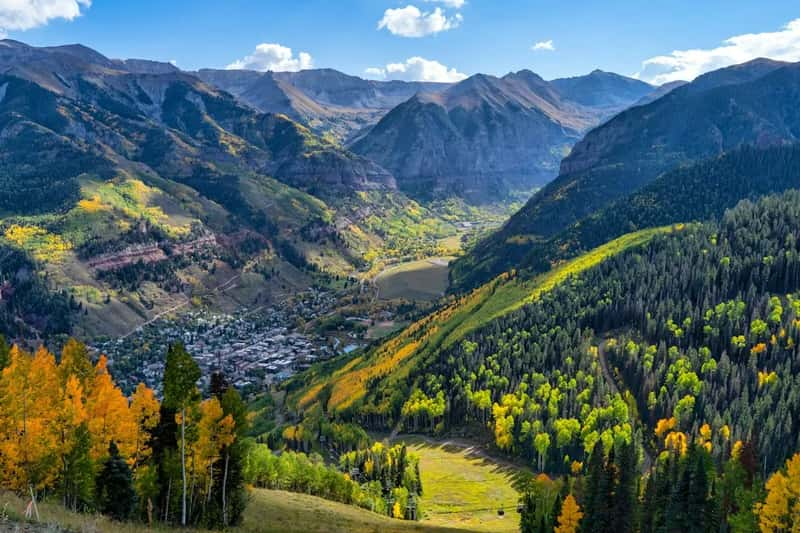
Colorado is eighth at 6.0 micrograms per cubic meter, tied with Vermont.[3] That is a respectable figure for a state with a large, growing Front Range population. It sits only a bit above the WHO guideline.
Yet other rankings are less generous. Colorado’s 2023 Air Quality Index average was 49.1, and U.S. News ranked it 31st for air quality.[5] Particles tell one story, and the wider index tells another.
9. Vermont: Small, Quiet and Consistently Clean
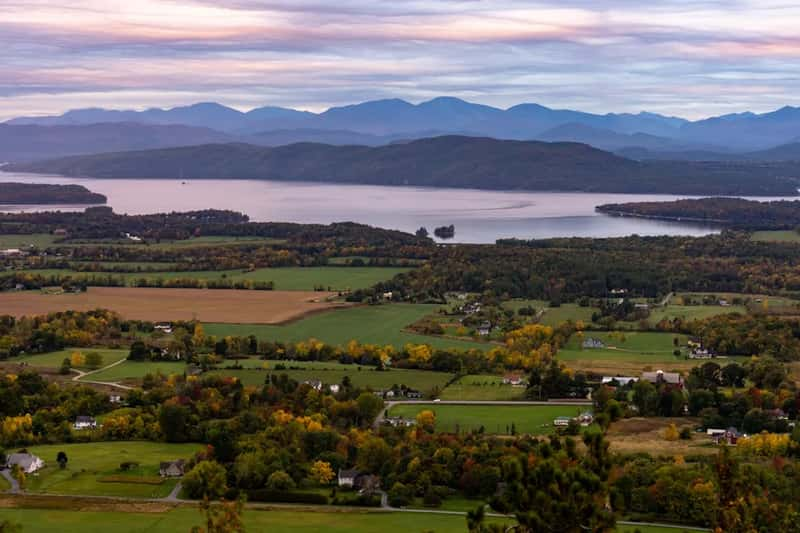
Vermont shares eighth place at 6.0 micrograms per cubic meter. It ties with Colorado.[3] It stays comfortably better than the national average of 8.8.
Other measures agree. U.S. News ranked Vermont seventh for air quality, and its industrial toxin concentration is listed at 34 pounds per square mile.[5] That is a very low figure next to some states in the same table, which show thousands.
10. Montana: Making the Cut by a Whisker
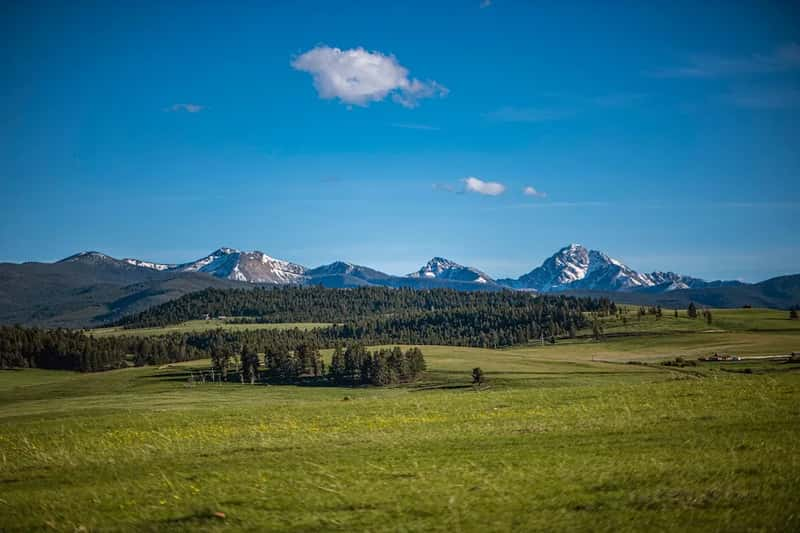
Montana rounds out the cleanest ten at 6.5 micrograms per cubic meter. Nebraska follows right behind at 6.6.[2] The gap between tenth and eleventh is tiny, so this spot is not a lock from year to year.
Still, it is about 1.5 micrograms above the WHO guideline. That is much closer to clean than the national average of 8.8. For a state with big open spaces, that is a solid result.
11. California: The Smoggiest State on the List
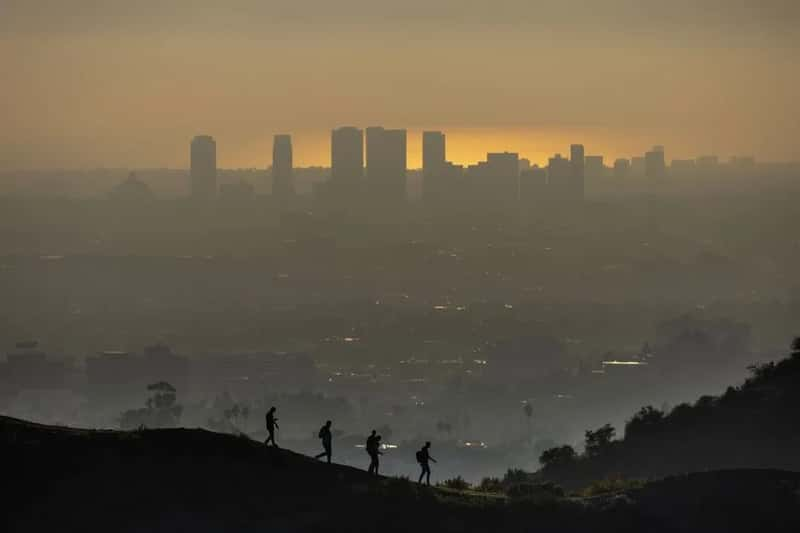
California has the worst air quality at 11.7, more than double the WHO guideline.[1] That makes it the most polluted state in this ranking. The report points to dense population, industrial facilities, vehicle emissions and a climate that fuels frequent wildfires.[1]
The worst of it sits in particular cities. In the American Lung Association report, Bakersfield-Delano ranked as the most polluted, followed closely by Visalia and Fresno-Hanford-Corcoran.[4] All three are in California.
12. Pennsylvania: Industrial Roots and Heavy Traffic
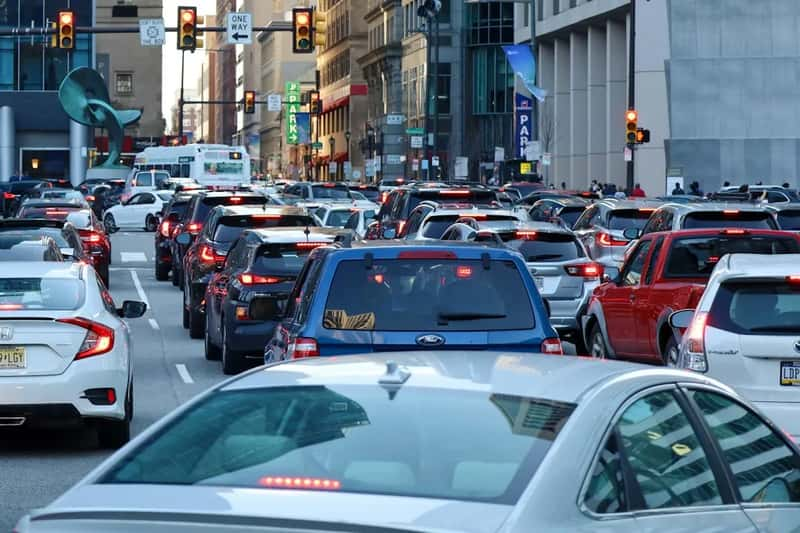
Pennsylvania ranks 49th at 11.0 micrograms per cubic meter. That is the second worst reading in the country, behind only California.[2] It is well above the national average.
One summary of the data points to its mix of industrial legacy and modern traffic.[8] Local data tells a similar story. Lancaster, Pennsylvania averaged 10.1 in an analysis of IQAir data.[9]
13. Michigan: Great Lakes, Not So Great Air
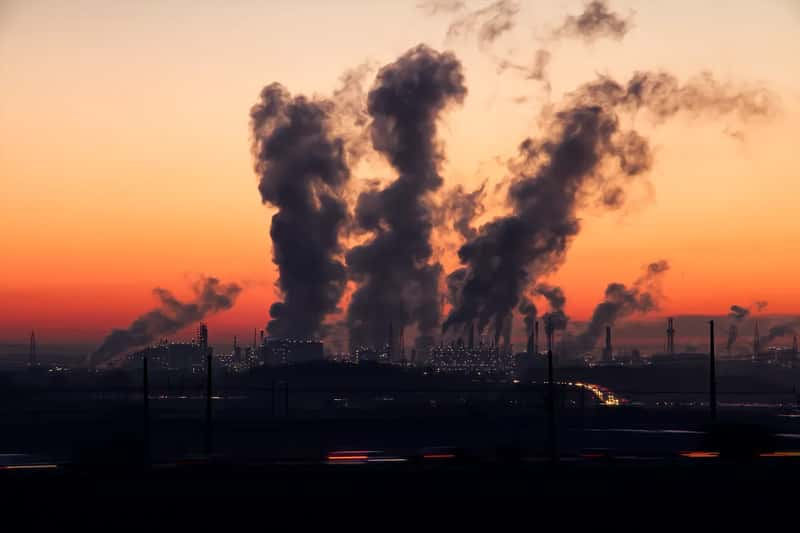
Michigan averages 10.4 micrograms per cubic meter and ranks 48th.[10] Few people would guess that from a map of lakes and forests. Bordering several Great Lakes does not guarantee clean air.[8]
Town level numbers show the same pressure. Adrian, Michigan averaged 10.5 in the IQAir based analysis.[9] The figure is a bit higher than the statewide average, which fits the broader pattern.
14. Illinois: A Midwest Heavyweight With Dirty Air
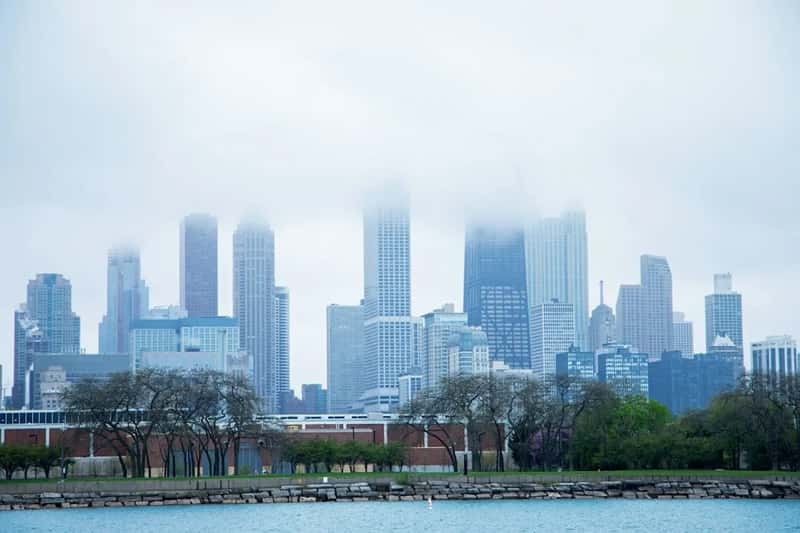
Illinois ranks 47th at 10.3 micrograms per cubic meter. It sits between Ohio and Michigan near the bottom of the list.[2] That is about 1.5 above the national average of 8.8, and roughly double the WHO guideline.
Pollution shows up beyond Chicago too. Aurora, Illinois averaged 8.7 in the same IQAir based analysis.[9] A different data source can give lower numbers, as it does here, but the state still falls on the wrong side of the ranking.
15. Ohio: The Fifth Smoggiest, Still Near Double the Guideline
Ohio rounds out the smoggiest five at 9.8 micrograms per cubic meter. It ranks 46th in the America’s Health Rankings data from the EPA.[10] That is about one microgram above the national average of 8.8.
It is nearly twice the WHO guideline of 5. Grove City, Ohio averaged 9.0 in the IQAir based town analysis, and polluted hotspots also appear across the Midwest and South.[9] Ohio’s numbers are lower than those of the four states above it, but still well short of clean.