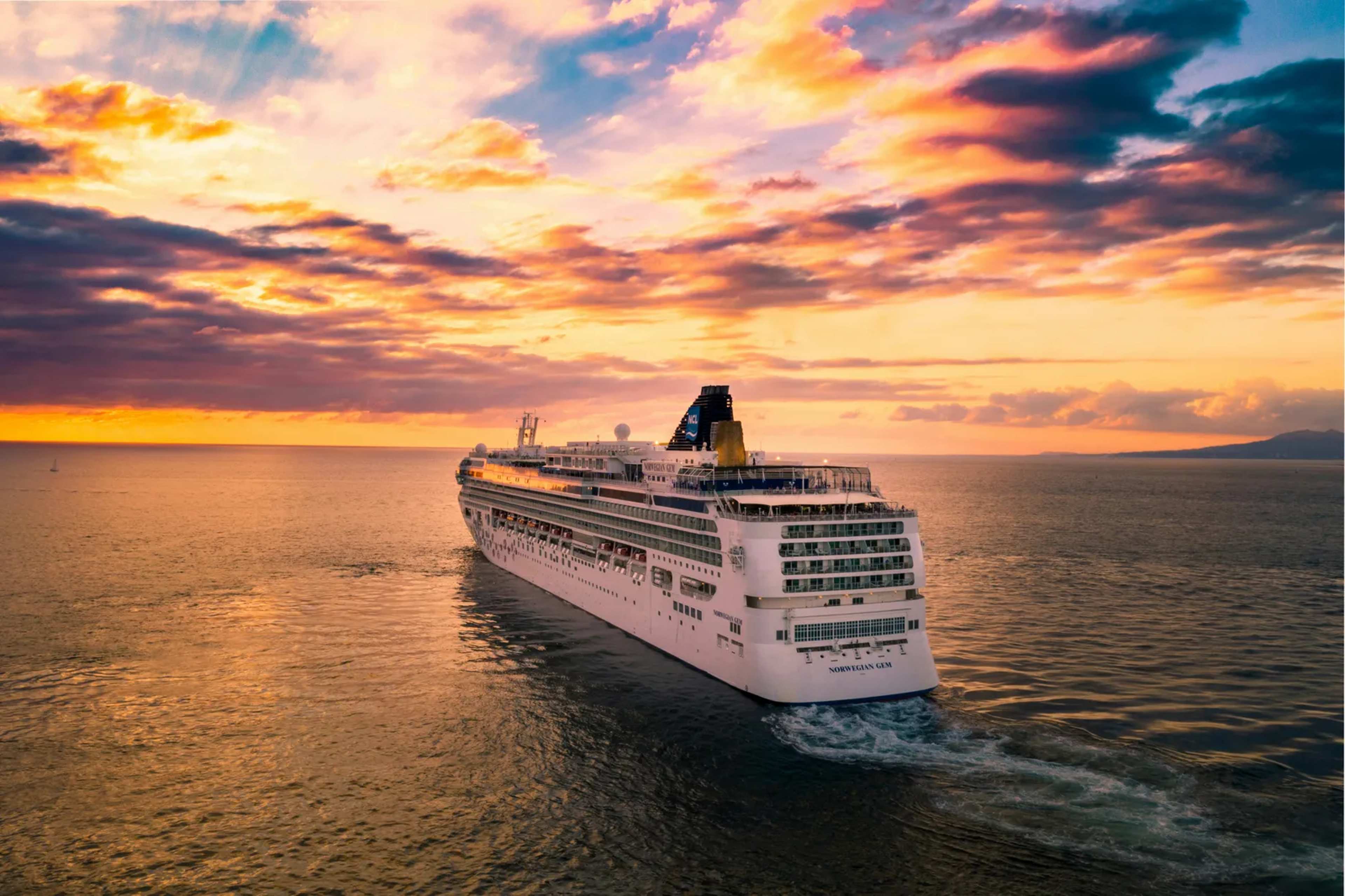
Many cruise passengers book upscale hotels near departure ports as a matter of habit. A different approach has gained attention among frequent travelers who deliberately select modest budget properties instead. The choice often frees several hundred dollars per trip while creating a sharper contrast that makes the ship itself feel more rewarding.
Savings Shift Directly to Port Activities
Room rates at basic hotels near major cruise terminals can run 40 to 60 percent lower than mid-range or luxury options. Those differences compound when families or groups travel together. The freed funds frequently cover shore excursions, specialty dining, or additional onboard purchases that would otherwise strain the overall vacation budget.
Travelers who follow this pattern report allocating the difference to experiences that occur once the ship reaches its destinations. Port days then become more flexible rather than constrained by earlier spending decisions. The net result is a more balanced allocation of resources across the entire itinerary.
Contrast Sharpens Enjoyment of the Voyage
A simple hotel room with basic amenities sets a low baseline for comfort. When passengers board the vessel, the upgrade in space, service, and facilities registers more clearly. This shift in perspective turns routine ship features into noticeable improvements rather than expected standards.
The effect extends beyond the first day at sea. Passengers who stayed in budget accommodations often describe greater satisfaction with cabin layouts, dining options, and entertainment choices throughout the sailing. The comparison remains fresh because the preceding night was spent in far simpler surroundings.
Support for Local Workers and Real Context
Budget properties frequently employ staff who rely on steady occupancy from cost-conscious travelers. Choosing these hotels channels spending toward establishments that operate on thinner margins. The decision also places guests in neighborhoods that reflect everyday conditions rather than curated tourist zones.
Exposure to modest lodging can reveal practical details about the port city that polished hotels obscure. Guests notice transit patterns, nearby dining options, and local services that prove useful during embarkation or disembarkation. These observations add texture to the overall travel experience without requiring extra planning.
Key Benefits at a Glance
- Lower nightly rates preserve funds for excursions and onboard spending.
- Stark contrast increases appreciation for ship facilities and service.
- Direct support reaches workers at properties with narrower profit margins.
- Proximity to everyday neighborhoods offers practical local insights.
- Stories from the stay provide conversation material after the trip ends.
The approach requires only modest adjustments to booking habits. Travelers who test the option once often repeat it on subsequent cruises because the trade-offs remain consistent. The strategy aligns spending with priorities that matter most once the ship leaves port.