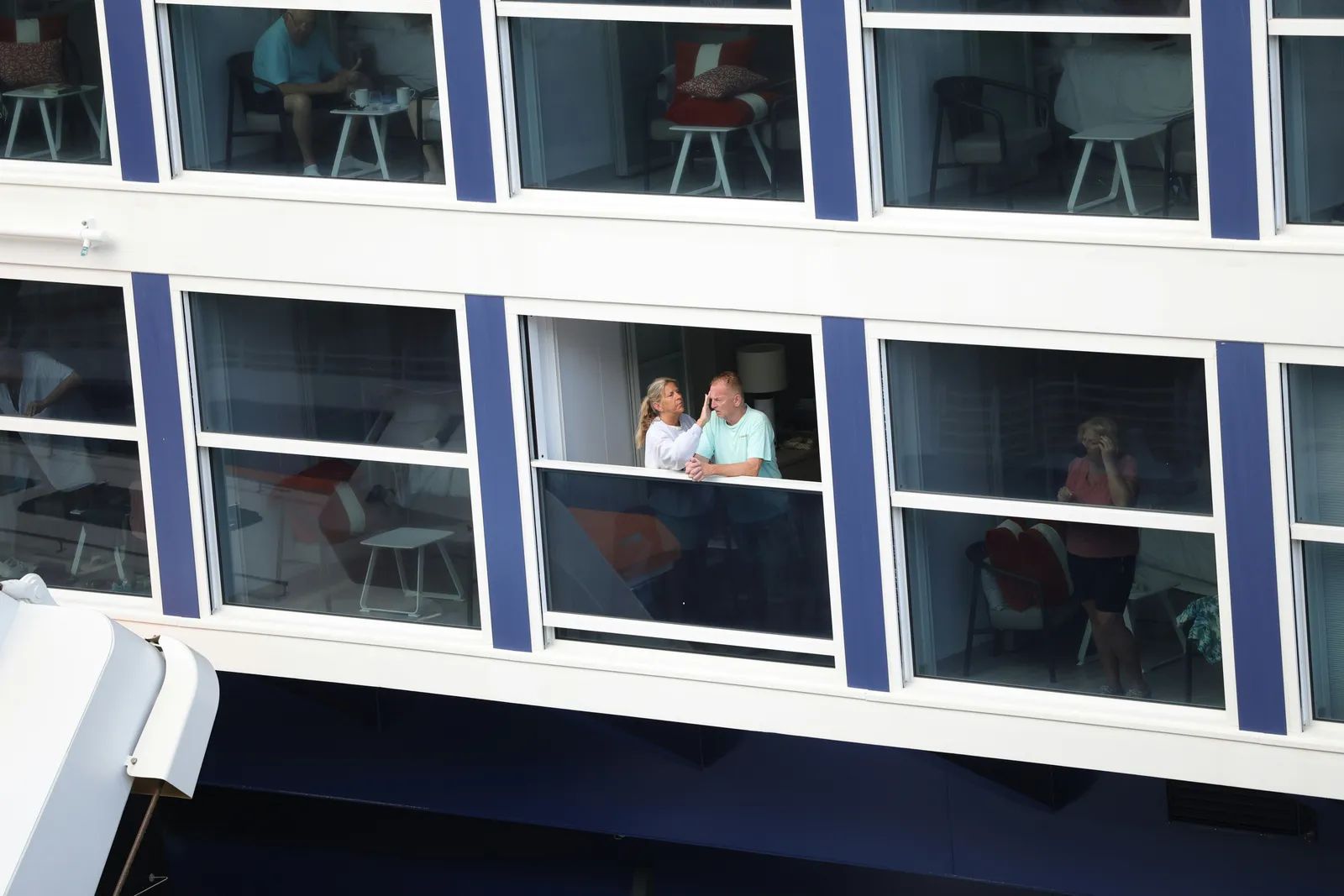
Cruising remains one of the most popular vacation choices for American travelers, yet many return home frustrated by disrupted rest rather than refreshed. Noise from neighboring cabins, corridor traffic, and the ship itself often turns what should be a relaxing escape into a test of endurance. The issue stems less from isolated incidents and more from where passengers book their rooms in the first place. Practical steps taken before departure and during the voyage can limit the impact.
Why Noise Becomes a Frequent Complaint
Passengers frequently report disturbances that begin the moment they settle into their cabins. Slamming doors echo through thin partitions, while coat hangers rattle against closet rods with every wave or footstep. Engine vibration travels upward through lower decks and can create a constant low hum that interferes with sleep. These sounds compound when the ship is full and corridors stay active late into the night. The consequences extend beyond one restless evening. Repeated interruptions affect mood, energy levels, and the overall value of the trip. Cruise lines operate on tight schedules with limited flexibility once the vessel is underway, which leaves guests responsible for anticipating problems in advance. Industry observers note that complaints about cabin acoustics appear regularly in passenger feedback across multiple operators.
Selecting a Cabin That Reduces Exposure
Location within the ship often determines how much noise reaches a given room. Cabins near elevators, stairwells, or crew access points experience higher foot traffic and door activity. Midship placements on upper decks tend to sit farther from engine rooms and service areas, offering a measurable difference in vibration and ambient sound. Forward or aft positions can also vary depending on the vessel design and sea conditions. Reviewing deck plans before booking allows travelers to identify potential problem zones. Many lines provide interactive maps that highlight proximity to public spaces and mechanical areas. Passengers who request rooms away from these high-traffic corridors report fewer disturbances once underway. Early selection also improves the chance of securing a quieter option before popular categories fill.
Handling Persistent Problems During the Voyage
When noise continues despite careful planning, guests should contact guest services promptly rather than waiting for conditions to improve. Staff can sometimes relocate passengers to available cabins or adjust nearby activities that contribute to the disturbance. Documenting specific incidents with times and descriptions strengthens the case for assistance. Persistent issues may warrant a formal complaint filed through the line’s customer service channels after the cruise. Some operators track recurring complaints by cabin number and use the data to guide future maintenance or layout adjustments. Acting quickly onboard gives the crew the best opportunity to respond while the ship is still at sea.
Preparation That Protects Future Trips
Travelers who sail regularly benefit from noting cabin numbers and noise patterns after each voyage. Sharing those observations with booking agents or travel advisors helps refine choices on subsequent sailings. Checking recent passenger reviews for the specific ship and itinerary can reveal patterns that official deck plans do not show. Ultimately, the most effective defense against cruise ship cabin noise lies in deliberate selection and timely communication. Passengers who treat cabin choice as a key planning step rather than an afterthought consistently report better rest and higher satisfaction with their time at sea.