Belgium sits quietly among Europe’s giants, its unassuming facade masking centuries of profound influence across three continents. This small nation has shaped global commerce through an intricate web of waterways, built empires on the backs of cocoa beans, and orchestrated some of history’s most controversial colonial ventures. From Flemish harbours to Congolese forests, Belgium’s story reveals how geography, ambition, and exploitation intertwined to create unexpected power.
The Liquid Highway That Built a Nation
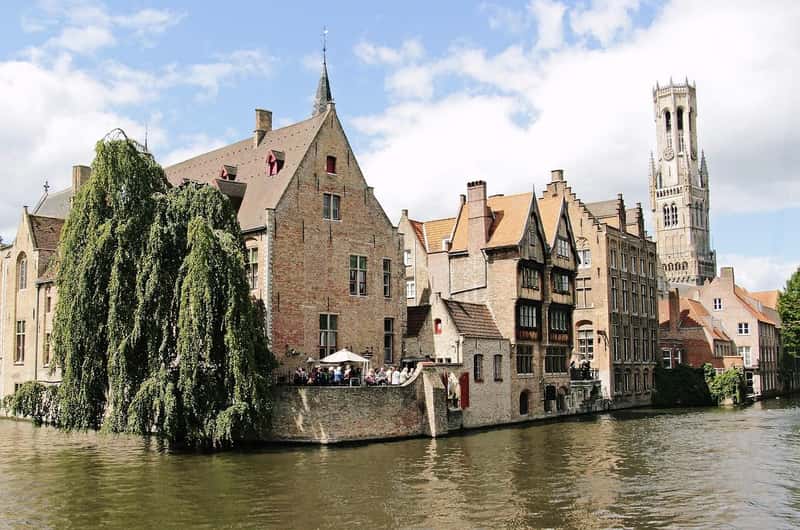
Belgium is a real logistics hub in Europe, with an outstanding inland waterway network. Situated between the North Sea and the Meuse and Rhine basins, it plays a key role in the transport of goods by water. What strikes me most about Belgium’s canal system is how it transformed a small country into a continental transportation powerhouse. The two regions of Belgium, the flatland canals of Flanders along the English Channel and the hills & rivers of Wallonie in the south, are connected in a dense 1,600-km network of recently improved waterways.
When Kings Owned Countries
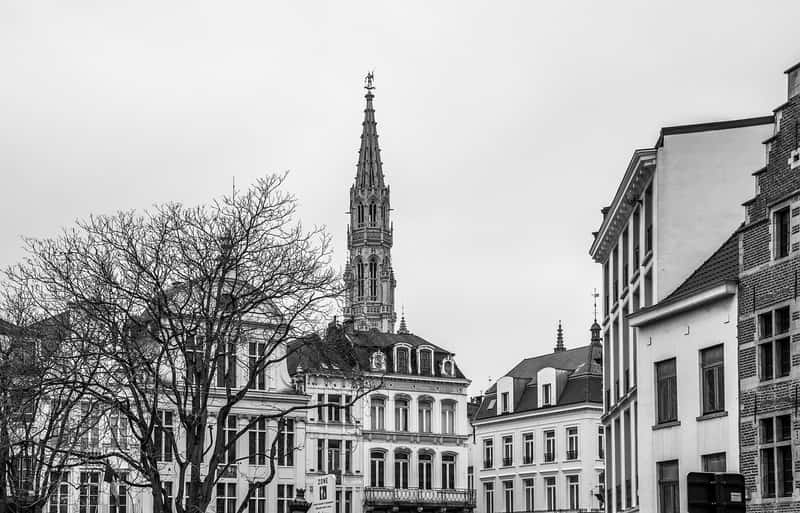
Here’s what most people don’t know: Belgium’s colonial empire wasn’t really Belgium’s at all, at least not initially. The Congo Free State was not a part of, nor did it belong to, Belgium. The Free State was privately controlled by Leopold from Brussels; he never visited it. Imagine owning a territory roughly the size of Western Europe and never setting foot there. Leopold II was the private ruler of the État Indépendant du Congo (Congo Free State), which was approximately 76 times the size of his Kingdom of Belgium.
Roughly 98% of Belgium’s overseas territory was just one colony (about 76 times larger than Belgium itself) – known as the Belgian Congo. The scale is almost incomprehensible when you consider Belgium’s modest European footprint. What happened there remains one of history’s darkest chapters, with estimates suggesting devastating human costs. It is estimated that about half of the then 20 million inhabitants of the Congo lost their lives due to the conditions people had to endure to extract raw materials, mainly rubber.
The Chocolate Empire Built on Distant Soil

Belgium’s chocolate reputation rests on a peculiar foundation: the country processes cocoa it doesn’t grow. Belgium is the second-largest importer of cocoa beans in Europe after the Netherlands. 95% of these beans come directly from producing countries. This creates a fascinating economic dynamic where Belgian expertise transforms African raw materials into luxury European exports.
Belgium’s domestic chocolate consumption remains notably high, reflecting the country’s deep cultural connection to chocolate. While estimates vary depending on the source and methodology, Belgians are consistently ranked among the world’s top chocolate consumers, with per-capita consumption commonly reported in the mid-range of several kilograms per person each year. This strong domestic appetite, combined with Belgium’s global reputation for premium chocolate production, helps sustain a vibrant industry that is both culturally significant and economically important.
The Port That Conquered Europe

The Port of Antwerp Bruges is Europe’s second-largest seaport, after Rotterdam, and is an important connection for imported goods to the rest of Europe. It is also Europe’s second-largest port for the import of cocoa beans, after Amsterdam. The strategic positioning allows Belgium to serve as Europe’s gateway for African commodities, particularly cocoa, maintaining economic ties that echo colonial relationships.
Modern Reckonings with Colonial Legacies

Belgium’s ties to its colonial past continue to evolve. King Philippe and Queen Mathilde’s recent visit to the Democratic Republic of Congo was framed as an effort to reset relations after a troubled history, reflecting wider pressure on European states to confront their colonial roles. Meanwhile, the DRC still faces severe instability, with millions displaced and global demand for minerals like cobalt, coltan, and gold fueling exploitative conditions. These realities show how patterns of extraction persist, keeping Belgium’s relationship with Congo complex and unresolved.
The Sustainable Future Challenge

Belgium’s chocolate industry faces new pressures as the EU’s 2023 Deforestation Regulation bans cocoa linked to post-2020 deforestation and demands full supply-chain traceability. Rising sugar and cocoa prices further squeeze producers, forcing tougher sourcing decisions. These economic and ethical pressures challenge Belgium’s long-standing chocolate leadership while spotlighting the industry’s reliance on historically unequal supply chains.
Belgium’s story demonstrates how small nations can wield disproportionate global influence through strategic positioning, technological expertise, and historical labour exploitation. Its canals transformed European trade, its chocolate industry, built on colonial extraction, continues dominating global markets, and its ports remain crucial European gateways. The question remains whether Belgium can maintain its economic advantages while genuinely confronting the darker chapters that helped create them. What legacy will this small but mighty nation leave fo,,r the next century?