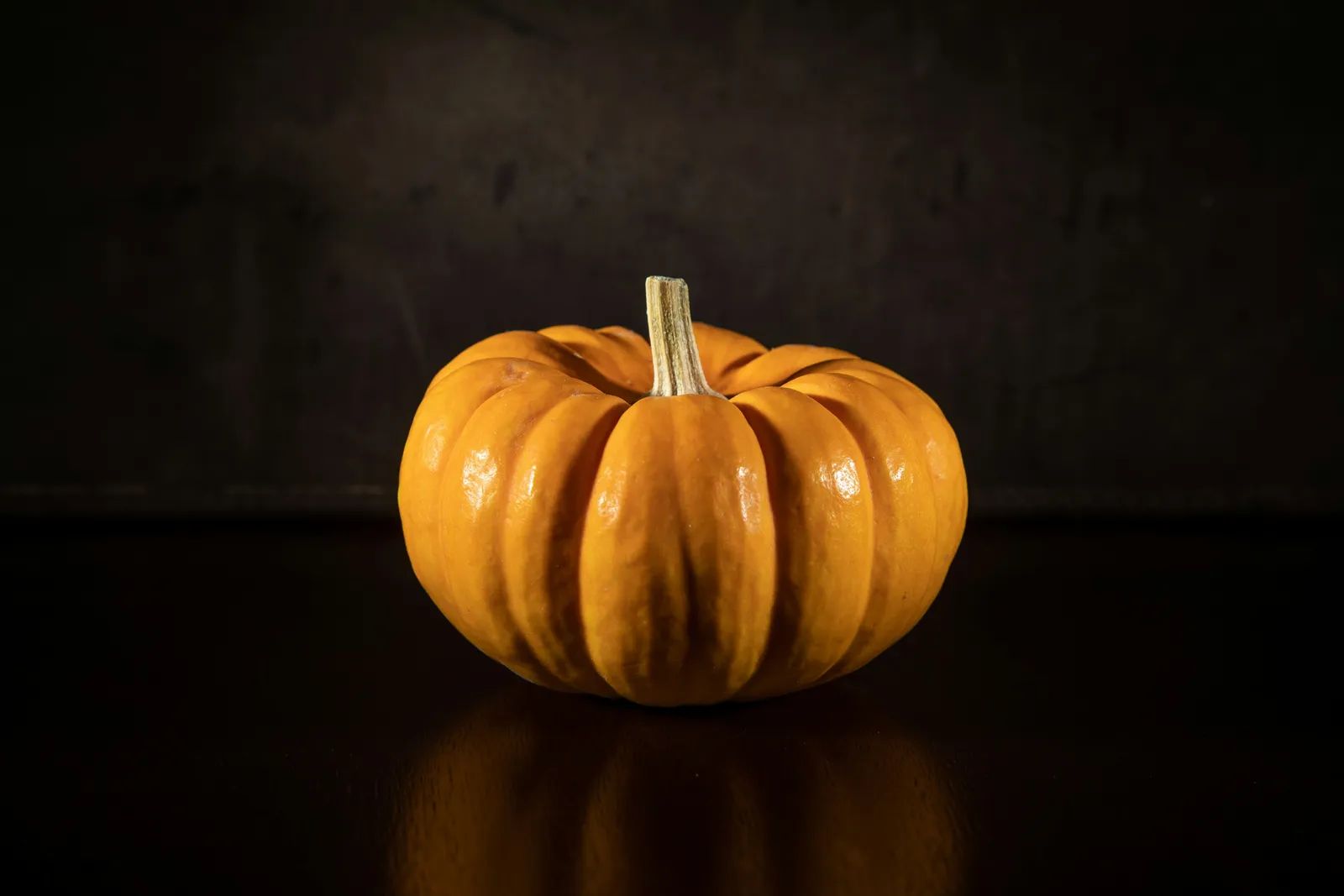
Fall baking season brings canned pumpkin back into kitchens across the country, yet many cooks wonder exactly how long the staple remains usable. The USDA places pumpkin among low-acid canned foods that hold up for years when sealed, but the picture changes sharply once the can is opened. ([1])That contrast shapes practical decisions for pies, breads, and other seasonal treats ahead of Thanksgiving.
Sealed Cans Offer Years of Stability
An intact can of pumpkin sits safely on a pantry shelf for an extended period. The USDA groups pumpkin with other low-acid canned goods such as corn and beans, assigning the category a two-to-five-year window under proper conditions. Manufacturers like Libby’s list a 900-day period for their 100 percent pure product when stored between 43 and 86 degrees Fahrenheit.
Quality rather than safety drives the best-by dates printed on cans. Cool, dry storage away from temperature swings preserves both safety and flavor. A can that remains unopened and undamaged can often exceed its printed date without issue, though the USDA emphasizes that dates reflect peak quality, not an absolute cutoff.
Opened Cans Require Quick Use
Once the seal breaks, the long shelf life disappears. The USDA advises refrigerating opened low-acid canned foods and using them within three to four days. Transferring the contents to a glass or plastic container helps maintain better flavor and texture than leaving them in the original can.
Brand guidance sometimes varies, yet the federal recommendation provides the most consistent safety margin. Any sign of bulging, deep dents along seams, or leakage means the can should be discarded immediately, regardless of the date. Mold, off odors, or unusual color after opening also signals that the product is no longer suitable.
Freezing Extends Leftovers Effectively
Portioning unused pumpkin for the freezer buys additional time. Libby’s guidance supports freezing in sealed containers for up to three months, with a small amount of headspace to allow for expansion. Ice-cube trays or muffin tins create convenient single-recipe portions that thaw quickly when needed.
Thawed pumpkin may separate slightly due to air bubbles, yet this change does not affect taste or performance in baked goods. After thawing, the product should move to the refrigerator and be used promptly. A can that thawed at room temperature or warmer should be discarded even if it shows no other defects.
Pure Pumpkin Differs From Pie Filling
Not every can labeled for pumpkin recipes contains the same product. Plain puree consists of pumpkin alone, while pie filling already includes sugar and spices. Recipes that call for “canned pumpkin” or “pumpkin puree” almost always intend the unsweetened version, and substituting the sweetened mix can throw off the balance of a dish.
Botanically, pumpkins belong to the squash family, yet commercial producers confirm they use only the specified pumpkin variety rather than other squashes. Slight color or texture differences between cans reflect natural harvest variations and do not indicate spoilage when the can remains intact and the contents smell normal.
| Form | Unopened | Opened or Leftover |
|---|---|---|
| 100% Pure Pumpkin | 2–5 years (USDA); check best-by date | 3–4 days refrigerated (USDA) |
| Pumpkin Pie Mix | 2–5 years (USDA); check best-by date | 3–4 days refrigerated (USDA) |
| Frozen leftovers | Not applicable | Up to 3 months (manufacturer guidance) |
Home Canning Carries Specific Limits
Attempting to preserve homemade pumpkin puree follows stricter rules than commercial canning. The National Center for Home Food Preservation validates only a cubed preparation method followed by pressure canning. Pureeing before processing creates inconsistent density that prevents reliable heat penetration, raising the risk of botulism in this low-acid food.
Cubed pumpkin processes safely under tested conditions and can be pureed after opening the jar. Freezing remains the simpler option for surplus puree. Homemade versions that never undergo commercial processing should be treated like any cooked vegetable and used within a few days in the refrigerator or frozen for longer storage.
Planning ahead with these guidelines keeps fall recipes both safe and convenient. A well-stocked pantry supports spontaneous baking without last-minute trips to the store, provided cooks respect the clear line between sealed longevity and opened urgency.