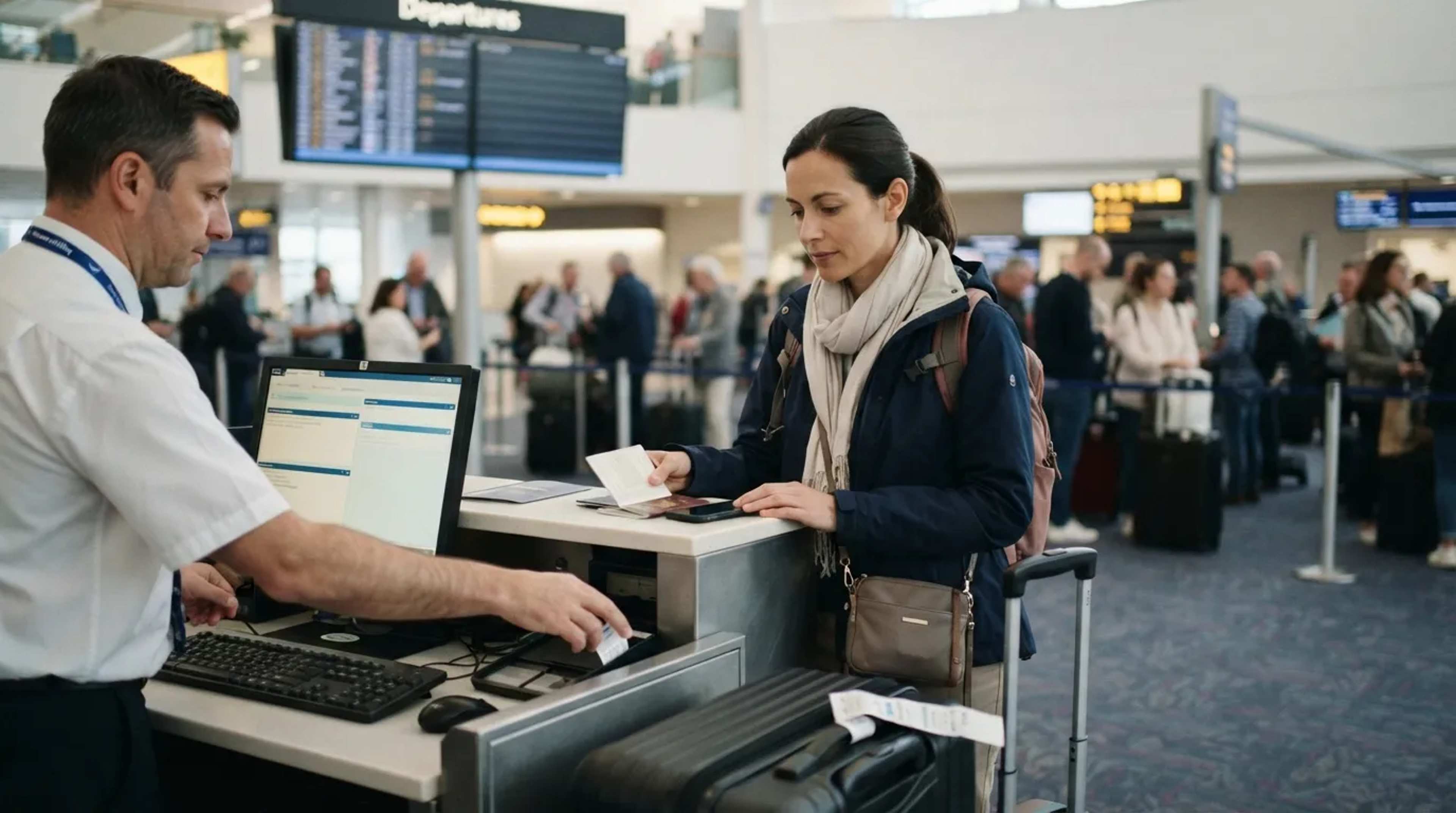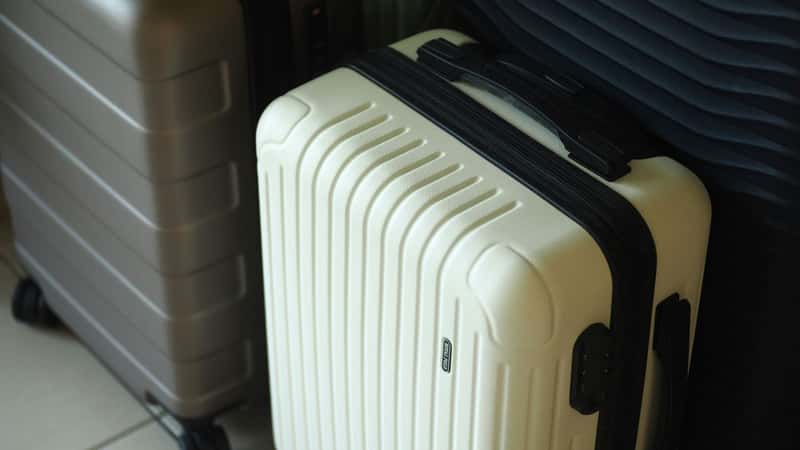
How To Pack Like A Pro: The Ultimate Carry-On Guide – Image for illustrative purposes only (Image credits: Unsplash)
Summer travel brings crowded airports and rising airline fees that catch many passengers off guard. Checked bags often mean extra charges plus long waits at baggage claim, turning what should be a smooth arrival into added stress. Mastering carry-on packing offers a practical way to avoid those costs while keeping everything needed within reach.
The Real Cost of Checked Luggage
Airlines have maintained baggage fees as a steady revenue source, and those charges accumulate fast for travelers who check bags on multiple trips. Families and business travelers feel the impact most during peak months when schedules already run tight. The alternative of fitting essentials into one carry-on removes both the fee and the uncertainty of lost or delayed luggage.
Passengers who adopt this approach report fewer headaches at the gate and more control over their belongings throughout the journey. The shift requires planning but delivers consistent savings that add up over a season of travel.
Choosing the Right Carry-On Bag
The foundation of successful one-bag travel starts with selecting a bag that meets airline size limits while offering useful compartments. Hard-shell options provide durability for frequent use, while soft-sided models often expand slightly for extra flexibility. Wheels and a sturdy handle matter for navigating terminals without strain.
Many travelers test bags against their specific airline rules before purchase to avoid last-minute surprises. A well-chosen carry-on becomes a reliable companion rather than another item to manage.
Core Packing Techniques
Effective packing begins with a clear inventory of what is truly essential for the trip length and destination. Rolling clothes instead of folding them reduces wrinkles and creates more usable space inside the bag. Placing heavier items near the wheels helps maintain balance when wheeling through airports.
Grouping similar items in packing cubes or compression sacks keeps everything organized and easy to locate. This method also prevents overstuffing by showing exactly how much room remains before closing the bag.
Lightweight Essentials Worth Bringing
Focus on versatile clothing pieces that mix and match across several days reduces the total volume needed. Quick-dry fabrics and layers handle changing conditions without requiring multiple heavy garments. Toiletries in travel sizes or solid form comply with liquid rules while saving weight.
Electronics and chargers should be selected for multi-use capability, such as a single adapter that works across devices. Leaving behind rarely used items keeps the bag light and within weight allowances where they apply.
Space-Saving Methods That Deliver Results
Compression packing cubes squeeze out excess air and create flat layers that fit neatly together. Wearing bulkier items like jackets or boots during travel frees interior space for other necessities. Strategic placement of smaller items in shoes or side pockets maximizes every inch.
Reviewing the packed bag the night before departure allows last adjustments without rushing. Travelers who refine these habits over time find they consistently meet carry-on limits even on longer trips.
Consistent carry-on packing turns a common travel pain point into a manageable routine that preserves both time and money. The approach rewards preparation and leaves more energy for the journey itself.