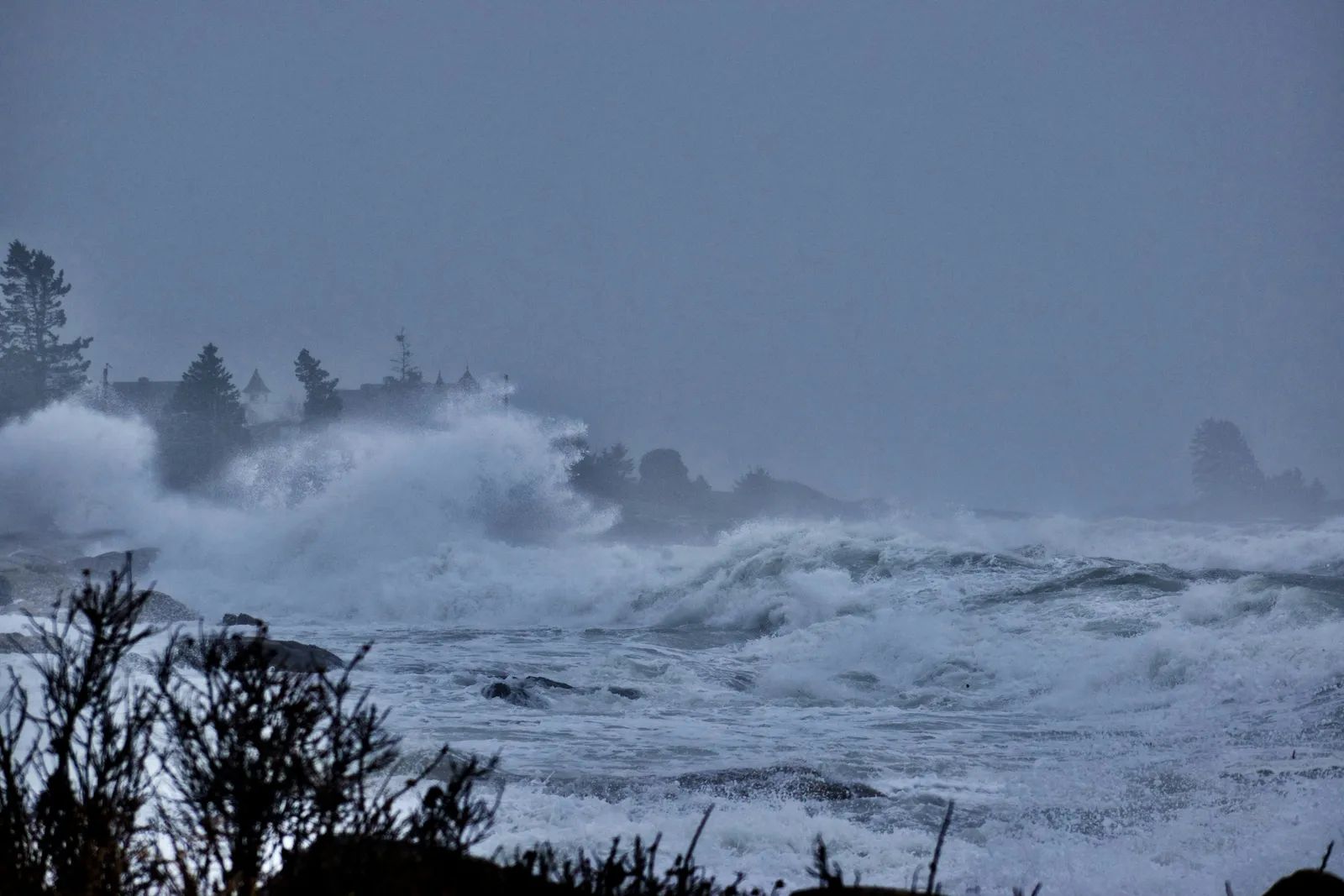
Typhoon Champi has intensified into a Category 5 super typhoon with maximum sustained winds of 160 mph (258 kph) while moving through the Philippine Sea, according to the U.S. National Weather Service. The storm earlier tracked close to Guam before turning farther out to sea and away from land. ([1])The development marks a dramatic escalation in strength for a system that had already prompted emergency preparations in U.S. territories.
Storm Intensifies Rapidly
Champi reached its peak intensity late Monday Asia time after crossing from the western Pacific. Forecasters noted the system’s quick strengthening into the highest category on the Saffir-Simpson scale. At that strength, the typhoon carries the potential for catastrophic wind damage and life-threatening storm surge if it were to approach land. Instead, its path has kept it well offshore in open waters.
Guam Prepares for Possible Effects
The typhoon’s earlier proximity to Guam led local leaders to request emergency disaster declarations. Governors of Guam and the Northern Mariana Islands acted on Friday, and President Donald Trump approved the request for Guam. Federal assistance through the Federal Emergency Management Agency became available to support local efforts. Airports, harbors, and some health facilities closed ahead of the storm’s passage. Relief supplies were expected to face delays of three to five days because of the closures.
Trudy Weakens Off Mexico
In a separate development, former Hurricane Trudy weakened to a tropical storm early Monday after bringing rain and winds to Mexico’s Pacific coast. The system carried maximum sustained winds of 60 mph (100 kph) and moved west at 6 mph (9 kph). Its center was forecast to pass south of the Baja California Peninsula on Monday and Tuesday. Additional rainfall remained possible in areas already saturated by earlier storms.
Travel Implications for the Region
Guam serves as a key Pacific travel hub, and the near miss highlights how quickly tropical systems can intensify. Travelers monitoring routes through the western Pacific should check official updates from the National Weather Service and local authorities. The storm’s current track keeps it distant from populated areas, reducing immediate disruption beyond the territories already on alert.