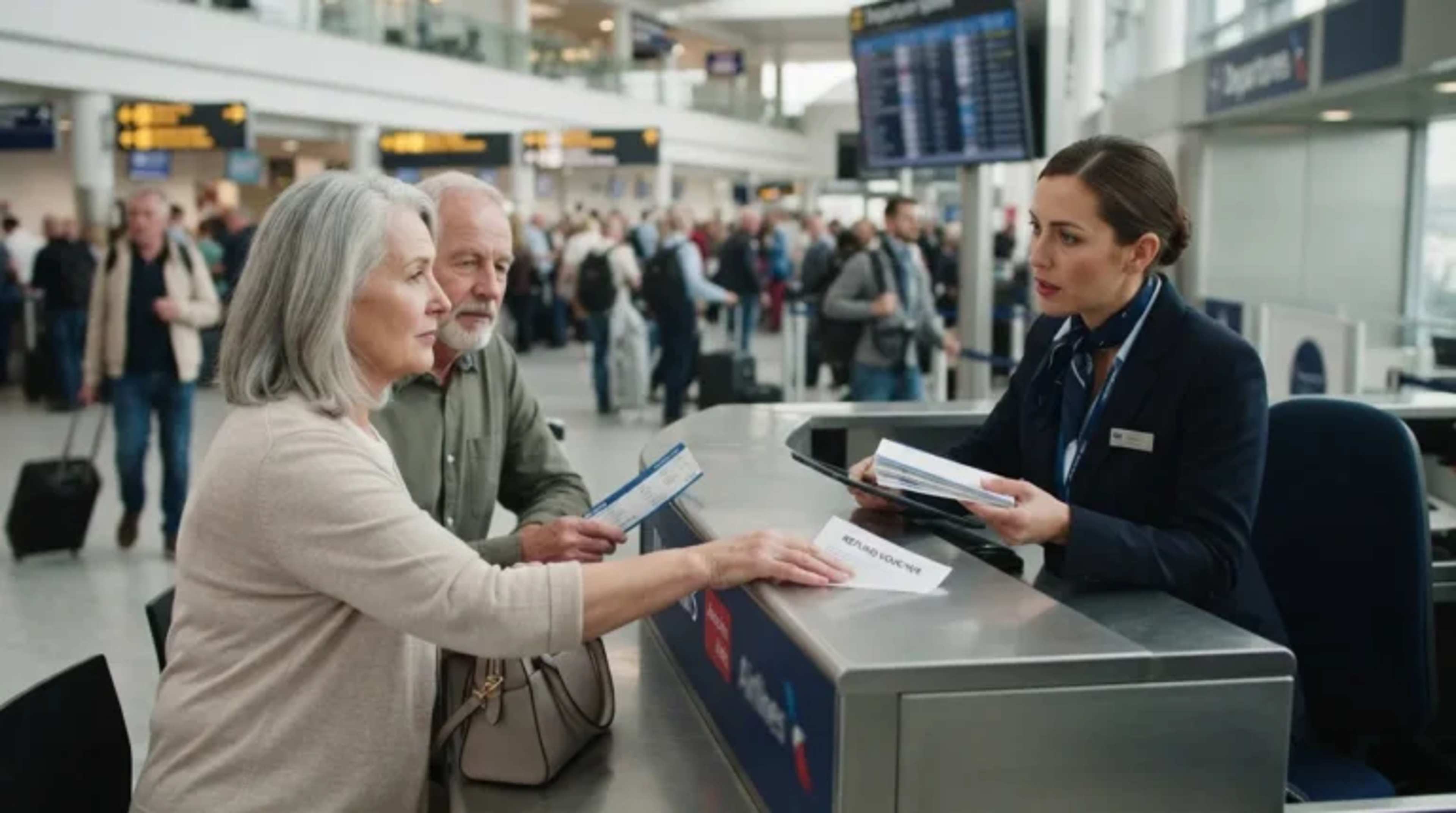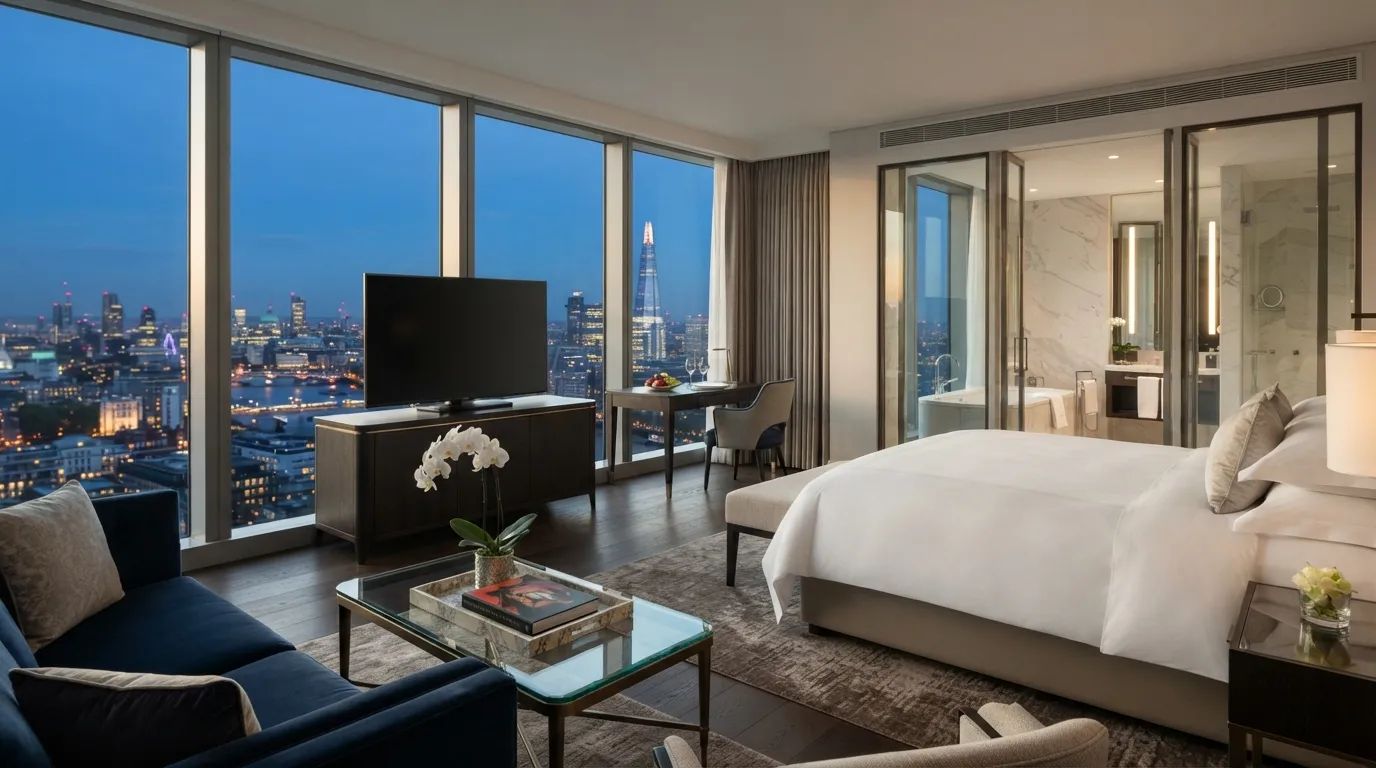
Most people picture a free upgrade as a lottery win, handed out by a mystery manager behind a locked door. In reality, front desk agents and airport gate agents hold more quiet levers than guests realize. Higher floors, quieter rooms, and better seats can often be approved on the spot, with no manager involved.
But the real story isn’t about charm or secret handshakes, and some tricks people swear by don’t work at all. Authority also varies by property and airline. One simple fact sits underneath almost every entry below, and it explains why the answer is sometimes yes and sometimes a polite no.
#24 – The Higher Floor That Costs the Hotel Nothing

The cheapest “view upgrade” in the building is often just a higher floor. Most guests assume a view always means a fee. Staff can often move you up several floors with no cost impact to the hotel.
That makes it a routine assignment tweak, not a paid upgrade. The request often never touches the price at all, because it’s about which room you get, not which product you bought. Ask for it plainly and early, because a vague “anything nice?” gives the agent nothing to work with.
But that’s nothing compared to the next one, which gets you more space too…
#23 – The Corner Room Most Guests Never Request

A corner room can feel like a bigger category without being one. Most guests accept whatever room the system spits out. They never specifically ask for a corner.
Corner units generally have more windows for natural light, plus extra square footage. Staff call it one of the simplest ways to feel upgraded without booking a new room category. You can get more room without paying for a bigger room type, as long as one is open that night. The only cost is asking before the key cards are printed.
Why It Stands Out
- Corner rooms generally have more windows and more natural light.
- They often come with extra square footage.
- You stay in the room type you booked, so there’s no category change to approve.
- The best moment to ask is before the key cards are printed.
Next up, an upgrade at the airport that most travelers assume costs real money…
#22 – The “Paid” Airline Seat That Can Quietly Become Free
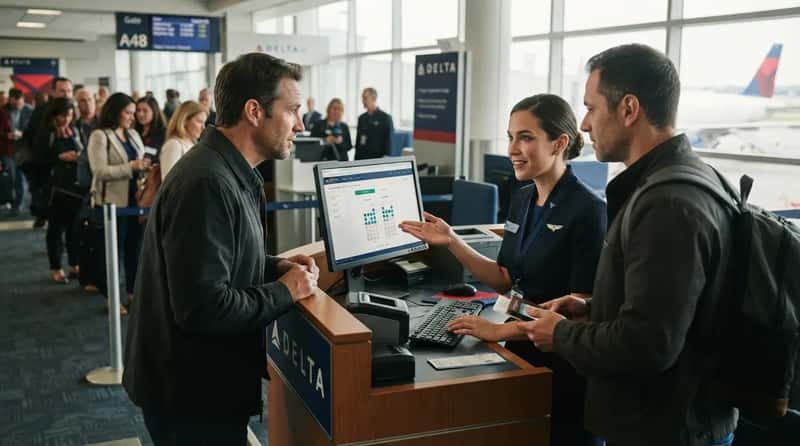
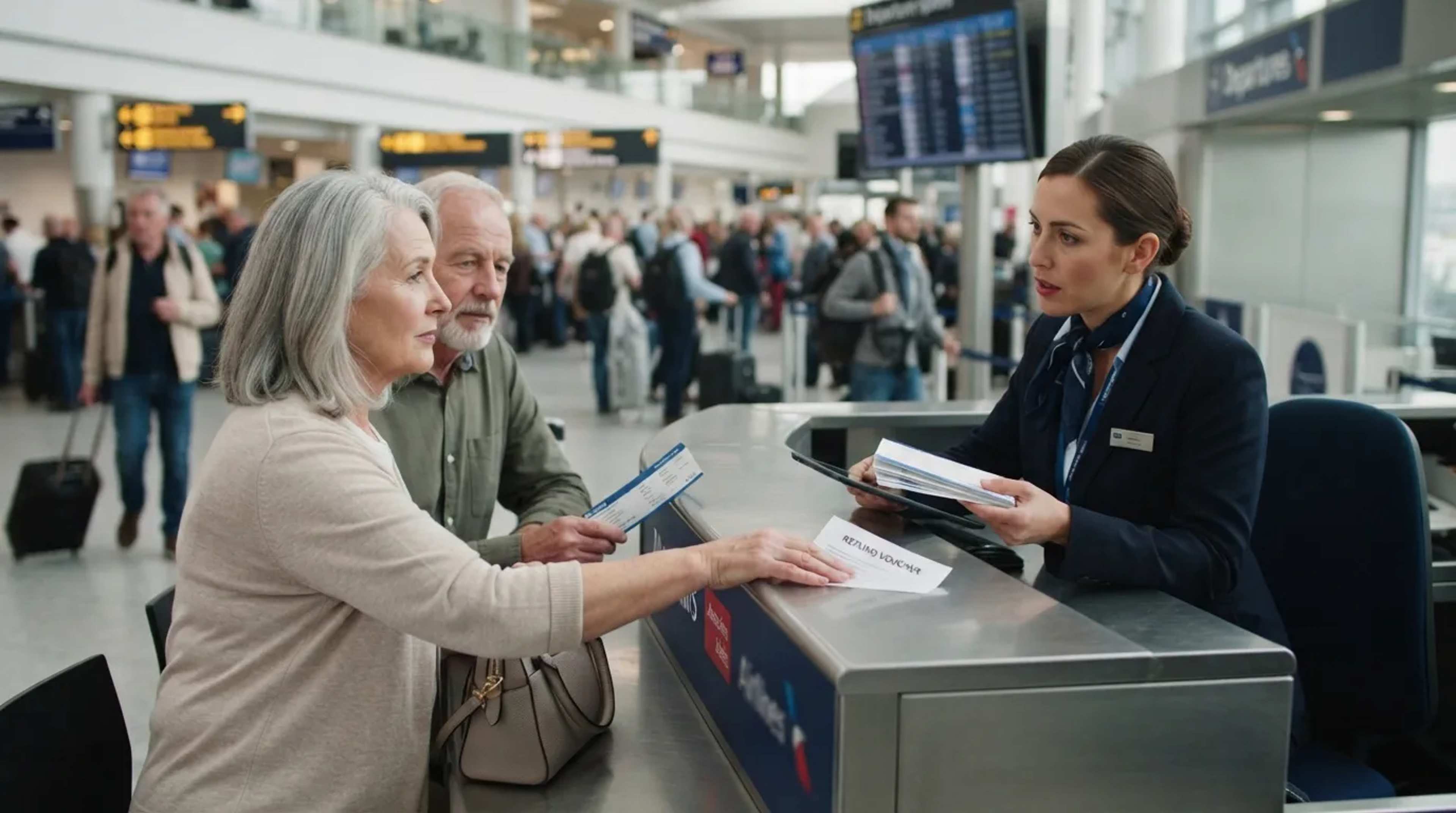
Seat fees at check-in aren’t always as final as they look. Agents can assign new seats at no charge, even if the seats were blocked earlier or carried an extra fee. A seat quoted at $40 online can become free at the podium.
There’s a limit. A Delta gate agent told HuffPost that agents can change seat assignments only under specific conditions and based on availability. A seat that is actually open is the one that can be given away. An agent can’t move you into a seat someone else already holds.
But the next one is about sleep, and it may be the easiest yes on the list…
#21 – The Quiet Room Request Agents Rarely Refuse
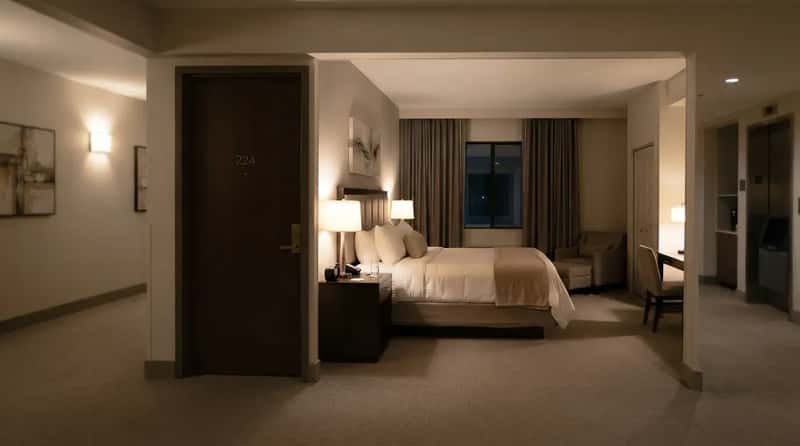
Many guests spend a night next to the ice machine and never say a word. Location requests are some of the easiest for staff to grant. Moving you costs the hotel nothing beyond a little extra attention during assignment.
Ask for a room away from the elevator, the ice machine, or the street side, which are the usual noise sources. You can fix a bad night before it happens, and it takes ten seconds at the desk. This is the upgrade people regret not asking for most.
Now for the simplest question in travel, and why almost nobody asks it…
#20 – The One Open Question That Opens Doors
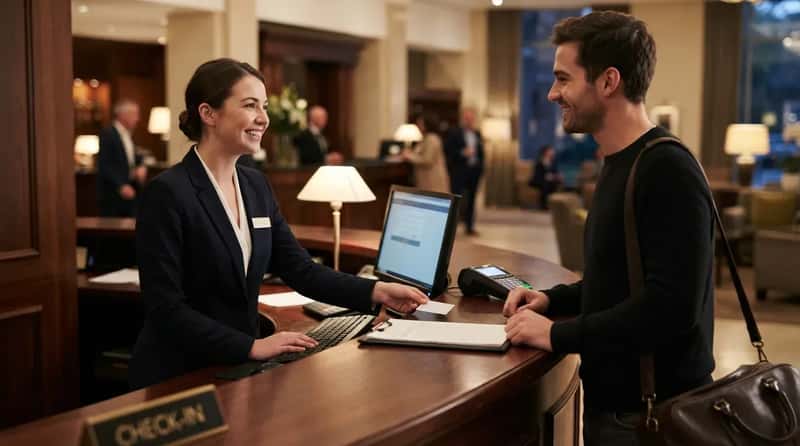
You don’t need a clever script. Simply asking whether any upgrades are available is one of the most effective and least demanding requests a guest can make. The question doesn’t corner the agent into a yes or no on a specific room.
Hotels frequently have unsold premium rooms, and front desk staff often have discretion to upgrade guests, especially polite and friendly ones. The odds depend on what’s sitting empty that night, not on how hard you push.
But the next trigger is one most guests keep to themselves out of modesty…
#19 – The Special Occasion Sentence That Can Change Your Key Card
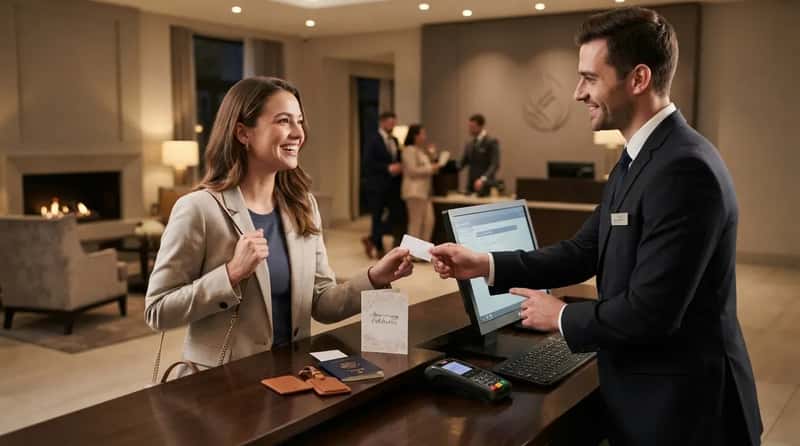
Managers rarely advertise this one. Mentioning a birthday, anniversary, or honeymoon can sometimes lead to a free upgrade, though it still depends on what’s empty that night. It is not a guarantee.
Plenty of agents hear the same story from dozens of guests a day. Timing and tone matter more than the occasion itself. Hotels do keep a small pool of nicer rooms in reserve for moments like this.
Wait until you see what happens at the airport gate with empty rows…
#18 – The Empty Row Nobody Told You About
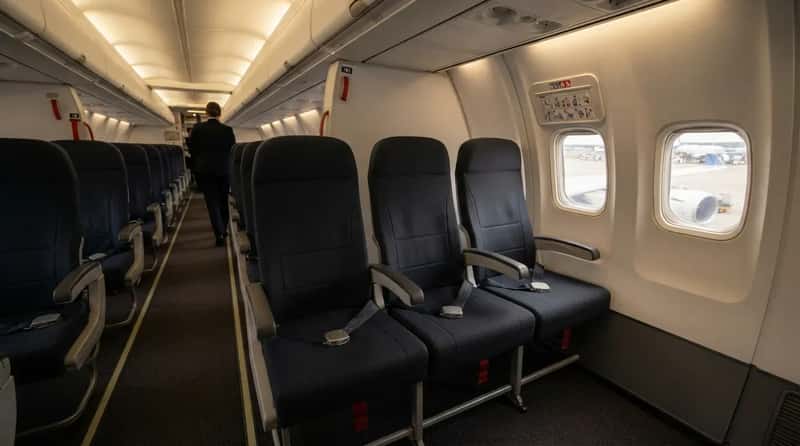
The best seat on the plane is sometimes still open at the gate. Exit rows, bulkhead seats, or entire rows of empty seats may be available. Agents can assign them when the computer allows.
Sometimes someone with a great seat cancels or misses the flight on a late connection. A seat can open up simply because another passenger got stuck on a delayed inbound flight. Exit rows also carry safety rules, so an agent may ask whether you’re able to assist in an emergency.
Fast Facts
- Exit rows, bulkheads, and fully empty rows can all show up at the gate.
- Agents can assign them only when the computer allows it.
- Late cancellations and missed connections are what free them up.
- Exit rows come with a safety question about helping in an emergency.
The next one is a travel trend most guests still don’t know exists…
#17 – The Babymoon Mention That Hotels Are Starting to Notice
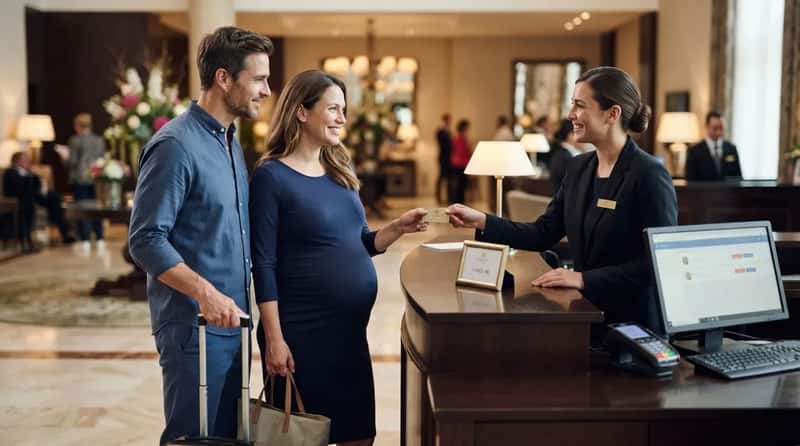
A pre-baby getaway can now work like an anniversary. Mentioning a babymoon is one way to trigger a free upgrade, and it’s a fairly new trend most guests still don’t know exists.
The same rule applies as with every occasion. The perk depends on open inventory, and the agent decides on the spot. It rewards guests who say one honest sentence at check-in. Don’t expect a suite every time, but it costs nothing to share.
But what happens when you show up before the room is even ready?
#16 – The Early Arrival That Gets First Pick
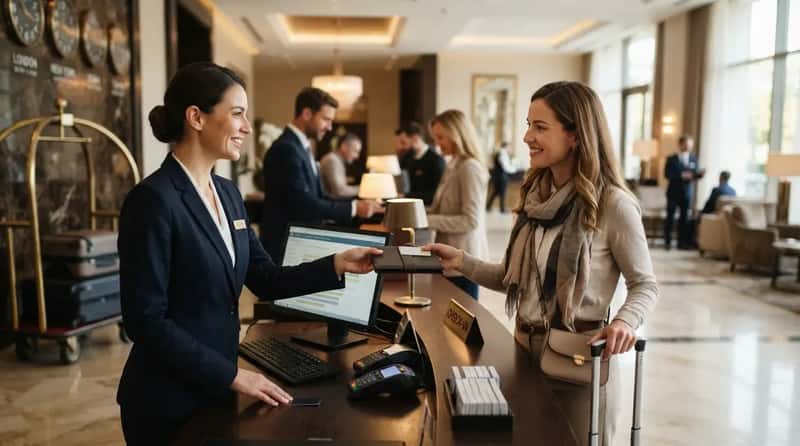
One luxury-hotel front desk agent posting on Tripadvisor called early check-in a real upgrade trigger. In their experience, every agent and every front desk would tell you the same thing. That is one agent’s account, not a universal rule.
The logic is simple. Agents work from real-time room status and housekeeping reports. The first rooms cleaned are the first rooms an agent can hand over. Early arrivals are in line when the better ones free up.
But that’s nothing compared to what agents can do when your room is a letdown…
#15 – The Room Swap That Needs No Manager
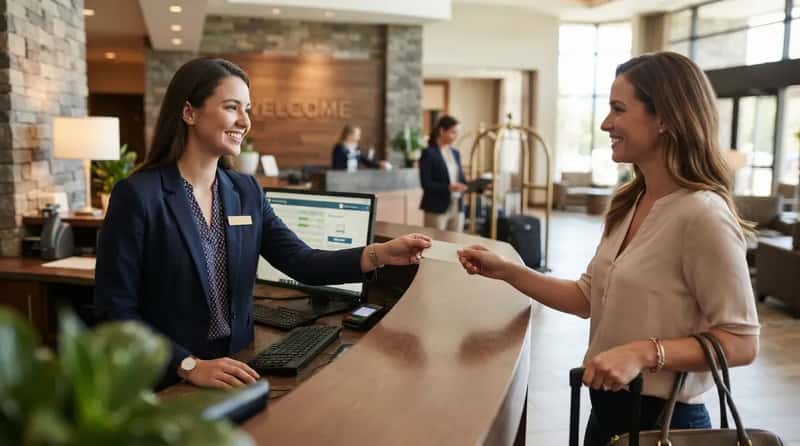
If the room is wrong, the agent can often fix it themselves. The standard hotel procedure is to check for alternative room types at the same rate tier with similar features. If an alternative meets the guest’s needs, the agent offers it immediately.
Escalation comes later. In a sample hotel procedure, a room change request goes to the shift manager only if the agent’s options run out. The first yes usually comes from the desk, not from above. Say what’s wrong, like noise, a smell, or a view of a wall, and ask for a swap.
Next, a seating fix that airline agents say they’re happy to make…
#14 – The Family Seating Fix at the Gate
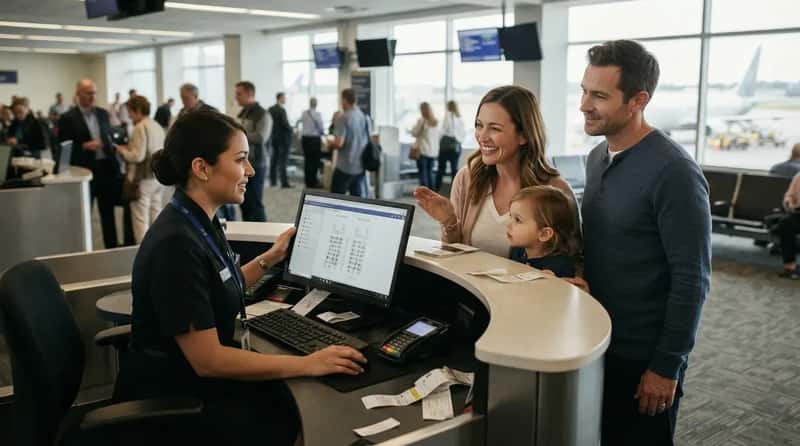
Families get split across a cabin all the time. A Delta gate agent said agents have discretion to adjust seating for operational reasons, such as accommodating families if possible, customers with special needs, or balancing aircraft weight.
The key words are “if possible.” An agent can only rearrange the seats that are actually still open. The earlier you flag it, the more options exist, and waiting until boarding leaves almost nothing to shuffle.
But the next one starts before you ever walk in the door…
#13 – The Direct Booking Advantage Hiding in Plain Sight
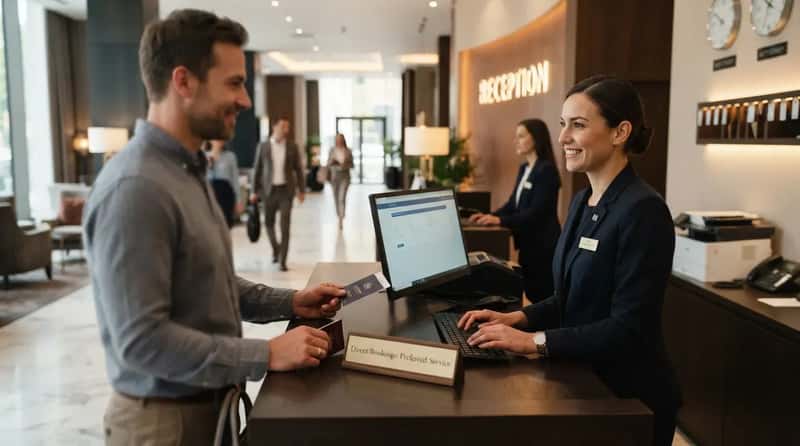
Where you booked changes what the desk can do. Industry reporting compares the two paths. With a direct booking, the hotel controls the reservation, so it’s easier to upgrade or add perks.
With a third-party booking, the standard room is locked in, and changes often require going back through the original site. The same polite request can get a different answer depending on who owns the booking. Agents can adjust a direct reservation on the spot.
But there’s a booking type that gets even more quiet favors…
#12 – The Corporate Account Nobody Questions

Business travelers get favors that leisure guests never see. Hotels often assign dedicated account managers to major corporate clients to handle these relationships. An upgrade request from that manager rarely gets questioned.
The reason is practical. Companies notice when a hotel goes out of its way for their employees, and that goodwill can become more group bookings and longer partnerships. One upgraded room is a small price for a company’s repeat business. The favor is really an investment.
Now for the factor that agents say matters more than any trick…
#11 – The Attitude Test Agents Quietly Run on Every Guest
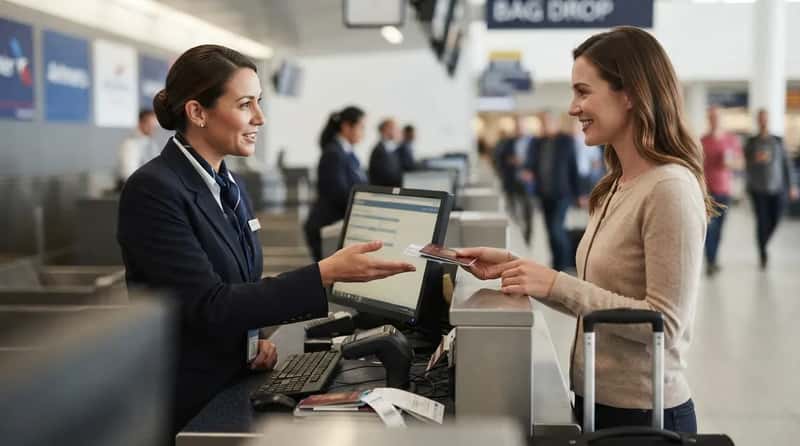
Charm isn’t magic, but demanding guests lose. Staff consistently say kind guests receive spontaneous upgrades, waived fees, and extra perks. The reverse is just as true for anyone who arrives demanding.
A Tripadvisor agent said agents appreciate guests who make eye contact and talk. Something as small as handing over your card instead of tossing it can change the mood. That’s one agent’s view, but it matches what many other insiders report.
But at the airport, the rules flip, and many travelers have this one backwards…
#10 – The Oversold Flight Loophole (and the Myth It Killed)
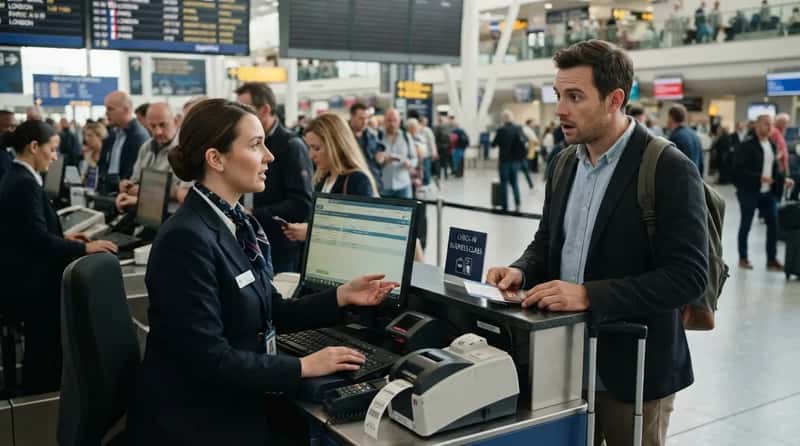
Plenty of travelers still swear that a blazer and a smile win a cabin upgrade. Insiders say that’s mostly a myth. Simple Flying reports that business class upgrades are generally assigned from a pre-ranked list, so the system, not the agent, usually decides.
There’s one real exception. An agent has some discretion to provide a free upgrade if the flight is oversold and someone needs to be moved up. That loophole depends on a full cabin, not on charm. If you’re told no, it’s usually the list talking.
Quick Compare
- The myth: A nice outfit and a big smile get you into business class.
- The reality: Cabin upgrades usually follow a pre-ranked list the system controls.
- The exception: An oversold flight can give an agent room to move someone up.
The next one is about timing, and the afternoon matters more than you’d think…
#9 – The Afternoon Window When More Rooms Open Up
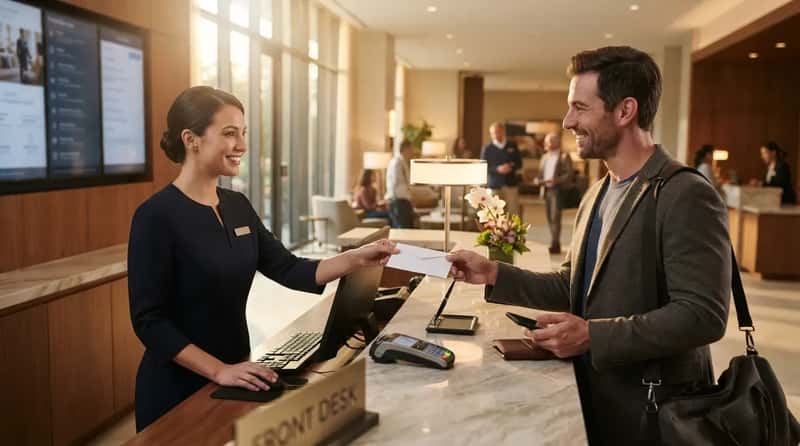
When you ask can matter as much as how. One travel host explains that revenue managers, front-desk agents, and upselling scripts are driven by data, occupancy curves, corporate bookings, and day-of cancellations.
Her advice is to ask at check-in, when the property knows tonight’s occupancy, or check availability the afternoon of arrival, when rooms free up. The same request can have a different answer at 10 a.m. than at 4 p.m. It’s about lining up with what the hotel can easily say yes to.
But the next one is about something you control completely…
#8 – The Flexibility Card Most Guests Never Play
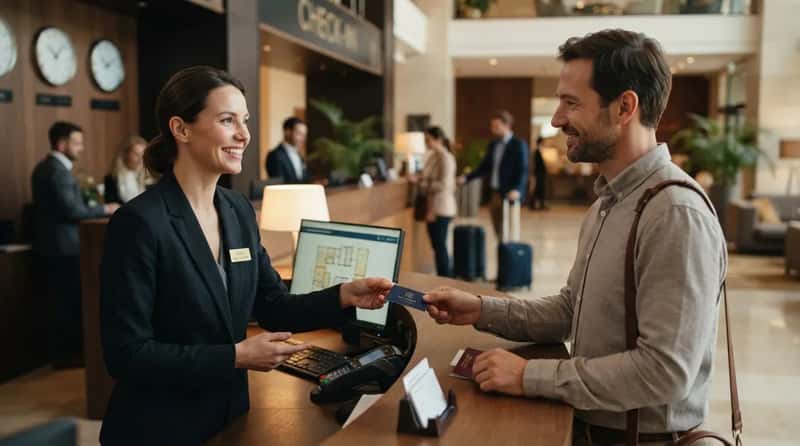
Agents say yes faster to guests who give them room to work. Being open to different room types, or waiting a bit for a better room to become available, lets staff make something happen.
A rigid request is a hard puzzle. A flexible request lets the agent solve it with whatever is open. Two beds instead of one, a different floor, or a short wait can be the difference between a no and a yes.
But the next one is about leaving, not arriving…
#7 – The Late Checkout That Depends on One Thing
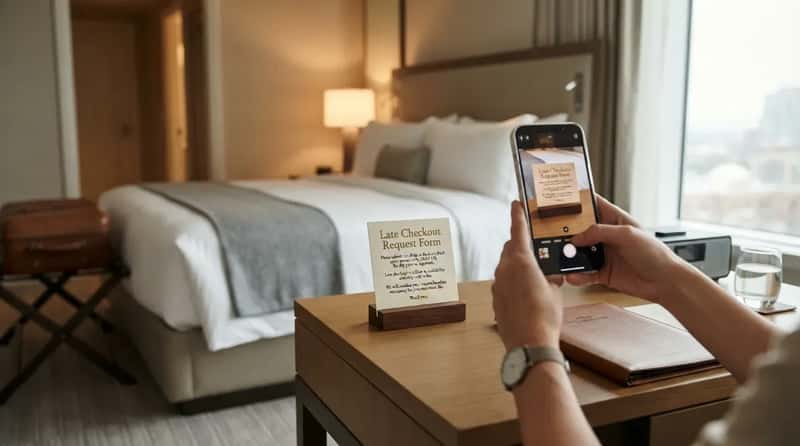
Late checkout is a classic request, and it’s often easier than guests assume. Whether the agent can approve it usually depends on how many rooms need to turn over that day. If the hotel isn’t full, a few extra hours cost it very little.
Policies differ by property, and busy nights are often a firm no. An open room tonight is what makes a late checkout possible. Ask when you check in, not at the last minute on departure morning, while the agent still has a clear picture of the day.
At a Glance
- Best time to ask: At check-in, not on departure morning.
- Most likely yes: A night when the hotel isn’t full.
- Most likely no: A busy night with lots of rooms to turn over.
- Catch: Policies differ by property.
Up next, an airline trick tied to a clock most people never watch…
#6 – The Blocked “Elite” Seats That Suddenly Open Up
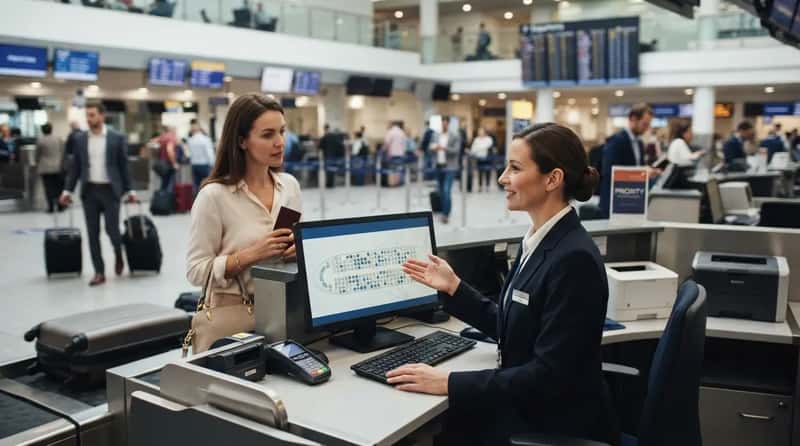
Seats that looked untouchable at booking can become available at the end. Better seats are often open close to departure, because many are blocked or reserved for elites and carry an extra fee. Once the computer lets the agent start unblocking them, they will.
Those seats stay locked until the system lets go of them. Politely asking near the release window is often the move. Agents are busy, so keep it short and specific, and ask for a better seat rather than a favor.
But the next one is the most debated entry on the list…
#5 – The Discreet Tip That Splits the Industry
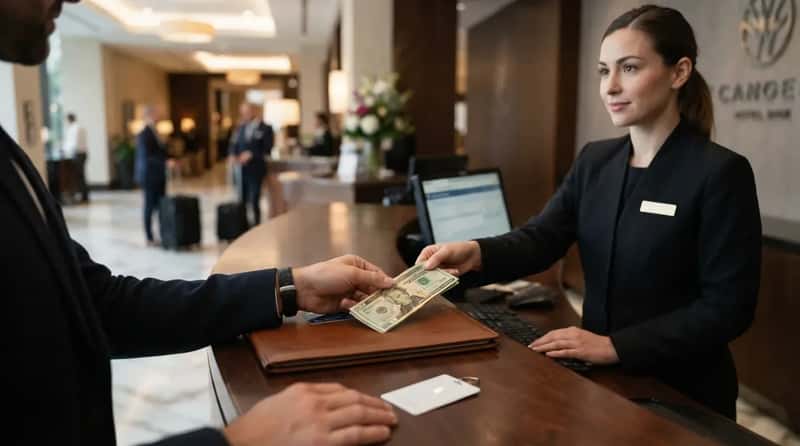
This is the controversial one. Hospitality insiders are genuinely split on whether to tip the front desk. One luxury hotel agent on Tripadvisor claimed they would give the best room they could for $20.
That’s one person’s claim, and many hotels would frown on it. No one can promise it works, and some agents never accept it. If you do tip, keep it discreet and don’t treat it as a deal, because a rule that works at one hotel can be a bad idea at the next.
But one hold agents can place is rarely discussed at all…
#4 – The Room Hold That Stops a Better Room From Being Moved
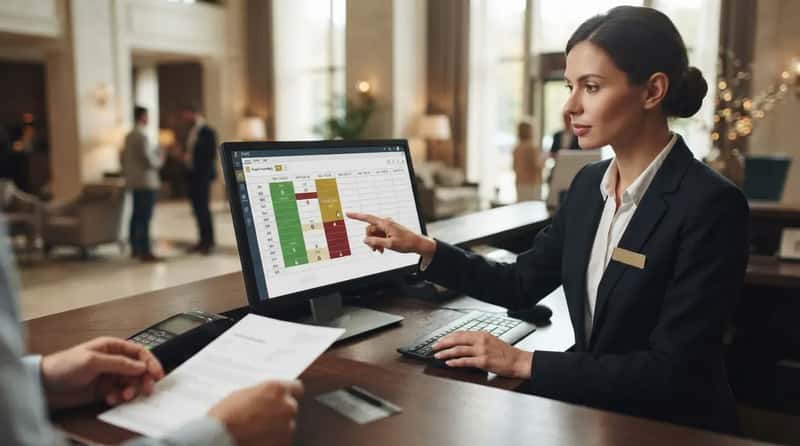
Agents don’t just assign rooms. A Tripadvisor front desk agent said agents can move inventory as they see fit and give complimentary upgrades at their discretion. That’s one agent’s account, and it varies by property.
The same agent said an agent can block a room and prevent it from being moved, usually with no questions asked. A room can be set aside before you even walk in. That’s why a good note on your reservation can matter more than a pitch at the desk.
Now for the honest one, because not every agent can say yes alone…
#3 – The Elite Perk the Desk Can Honor, and When It Can’t
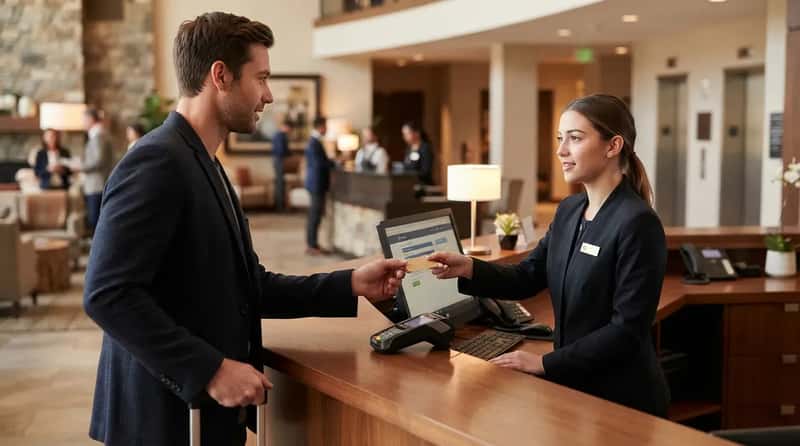
Status helps, but agents don’t all hold the same power. A sample hotel procedure says that agents assign standard rooms, while managers approve upgrades or relocations. Property policy decides who can say yes.
A Quora answer from a hotel manager adds that they could lock and grant permissions based on how much they trusted the desk agent. Two agents at the same hotel can have different powers. Newer staff may need to ask a supervisor.
But the next one happens without anyone at the desk lifting a finger…
#2 – The Guest History a Computer Already Flagged
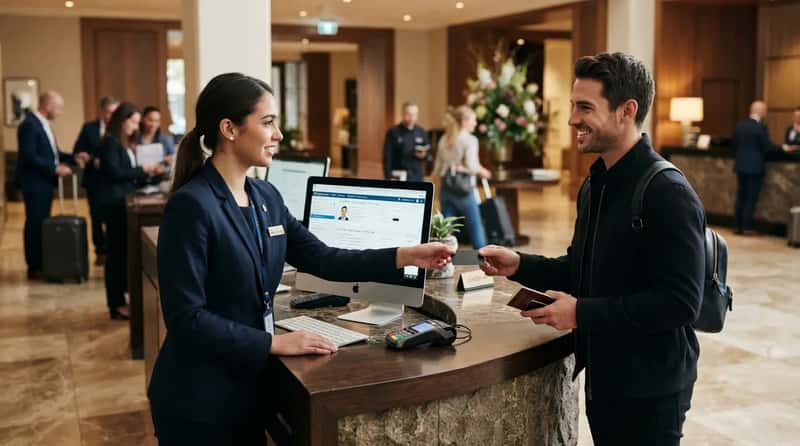
Sometimes the upgrade is already waiting. Revenue management software now profiles guests and matches upgrade offers to individual booking behavior. If you’ve consistently booked upgraded rooms on past stays, the system remembers.
That means an offer can arrive without a single human reviewing your file. Your booking history can quietly work for you before you walk in. Repeat stays at the same hotel are worth more than most people realize.
And the biggest reason of all is sitting in an empty room tonight…
#1 – The Empty Premium Room That Earns the Hotel Nothing
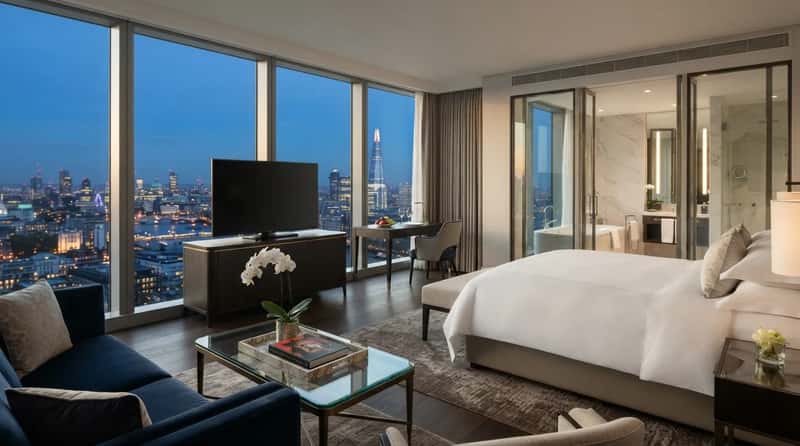
This is the real secret behind every upgrade on this list. Hotel rooms are perishable inventory, because an empty room can never be resold once the night passes. A premium room that sits unsold tonight earns zero.
A guest upgraded for free almost always represents pure upside for the property. The agent isn’t giving away something valuable. They’re filling something that would be wasted. That’s why asking at the right time, politely and flexibly, so often works.
And that changes how you should see the whole front desk.
The biggest surprise is how ordinary these upgrades are. Higher floors, corner rooms, quiet rooms, and free seat swaps mostly depend on what’s open, not on a secret handshake. Authority varies by property and airline, and airline cabin upgrades usually follow a ranked list.
The pattern underneath it all is that agents say yes when it costs the hotel little, when the ask is polite, and when you give them room to work. The locked door in your head was never really locked. Somebody just had to ask.