Long term travelers rarely talk about the big, cinematic moments. When you ask them what keeps a trip on the rails, the answers tend to be small and a little dull: a charged phone, a second copy of a document, an extra hour built into a connection.
That advice has aged well, but parts of it need updating. Borders in Europe now work differently than they did two years ago, and phone habits have shifted too. Here are nine pieces of nomad wisdom, checked against what is true in 2026.
Pack for the Trip You’ll Actually Take

Experienced nomads tend to agree on one thing: the bag you pack is almost always too heavy. Anything you haven’t worn or used by the second week is probably staying in the bag for the rest of the trip. Clothes that mix and match, and that you can wash in a sink, outlast most “just in case” items.
A lighter bag makes everything else easier, from catching a tight train to climbing four flights of stairs in an old guesthouse. Airline baggage rules differ widely and change often, so check your carrier’s current limits before you commit to a bag size.
Buy Insurance That Covers Evacuation, Not Just Lost Luggage

The cheapest policy is not always the one you want when something goes wrong. The CDC puts a medical evacuation at roughly twenty five thousand dollars to more than two hundred fifty thousand dollars, depending on where you are and how sick you are.[1] That range is why evacuation cover is usually the first thing seasoned travelers look for.
Read the exclusions as carefully as the headline limits. One widely used nomad plan explicitly leaves out pre-existing conditions and routine outpatient doctor visits in most countries.[2] If you have a health condition or expect to see a doctor regularly, a plan like that may not fit you.
Sort Out Your Phone Before You Land
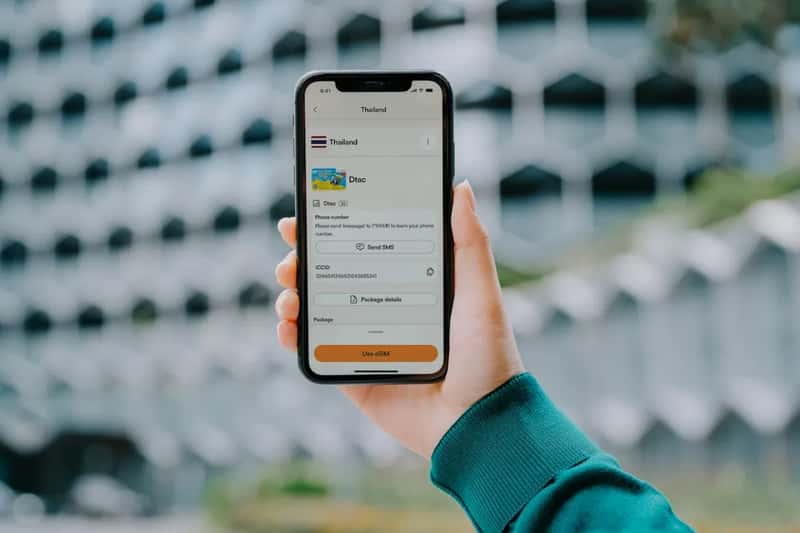
Roaming bills are an old travel horror story, and they haven’t disappeared. Industry data puts average eSIM spending at roughly twelve dollars per trip, against about forty six dollars for travelers who rely on carrier roaming.[3] Prices vary by destination and plan, so compare a few options before you go.
Setup matters as much as price. Confirm your phone is unlocked, has an eSIM slot, and that you have stable wifi for the profile download.[3] Then check that data roaming is switched off on your home line[3], since that line is the one most likely to create surprise per megabyte fees.
Keep Your Home Number Alive for Verification Codes

Many nomads learn this one the hard way. Most travel eSIMs are data only, so two step login codes still arrive by SMS on your home number.[3] If your bank or email sends codes there, you need that line to stay reachable.
Check how your carrier treats incoming texts abroad before relying on it. On many networks receiving a text is free, while sending one or answering a call can trigger roaming charges.[3] A quick look at your plan’s terms before departure can save an awkward bill later.
Understand Europe’s New Border Routine
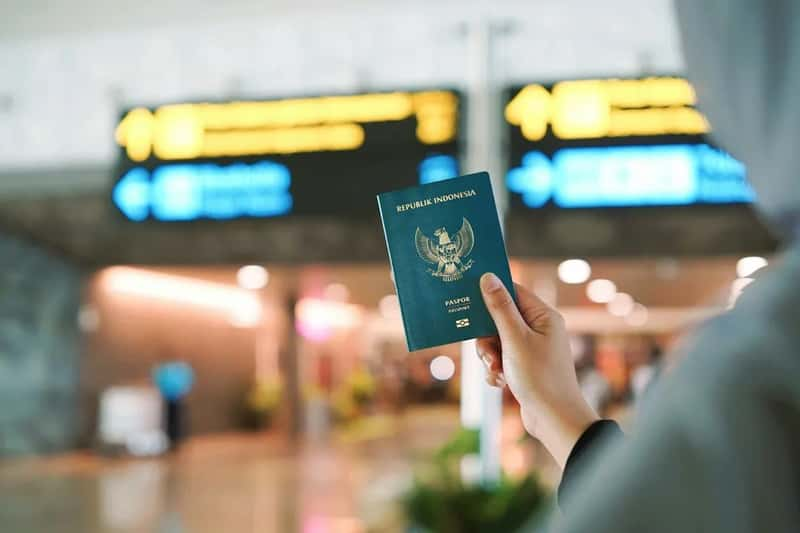
If your plans include Europe, the border experience has changed. The EU’s Entry/Exit System started operating on October 12, 2025, with a progressive rollout in 29 European countries.[4] The Commission declared it fully operational at every external Schengen border on April 10, 2026.[5]
For non EU visitors on short stays, the system replaces passport stamping with digital records, and your facial image and fingerprints are recorded along with passport data.[4] It’s free, with no advance application, and on a multi city trip you only deal with it at first entry and last exit.[5] Note that Cyprus and Ireland are not part of the system, so passports are still stamped there.[6]
Give Border Queues More Room Than You Think

The old nomad habit of padding connections now has a concrete reason behind it. Some airports reported longer queues during summer 2026 as travelers were enrolled for the first time, and the advice was to allow extra time, especially on a first trip after April 10.[7] One tracker even reported waits of several hours at peak times at major airports, though conditions differ by airport and day.
There is also some flexibility on the government side. Member states can partially suspend the system for up to ninety days after the April deadline, with a possible sixty day extension, and Portugal used this at Lisbon, Porto and Faro.[8] The practical lesson is not to book a tight onward connection on the same day you cross into Schengen.
Count Your Days, Because Border Systems Now Do
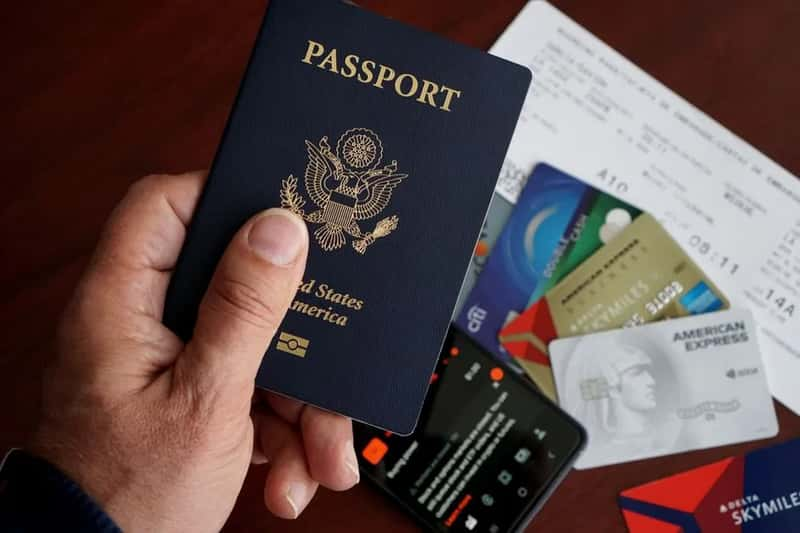
Overstaying by accident is an old nomad mistake, and it’s harder to hide from now. The Entry/Exit System automatically tracks how many of your ninety allowed days you’ve used within any rolling one hundred eighty day period.[8] Passport stamps used to be easy to misread or overlook, and a digital record is not.
Keep your own simple tally of entry and exit dates, and double check it against a short stay calculator before booking a long trip. Over twenty four thousand people were refused entry in the early months of the system, for reasons including poor justification of a visit and expired or fraudulent documents.[4] A tidy paper trail and valid documents remove most of that risk.
Treat ETIAS News With Healthy Skepticism
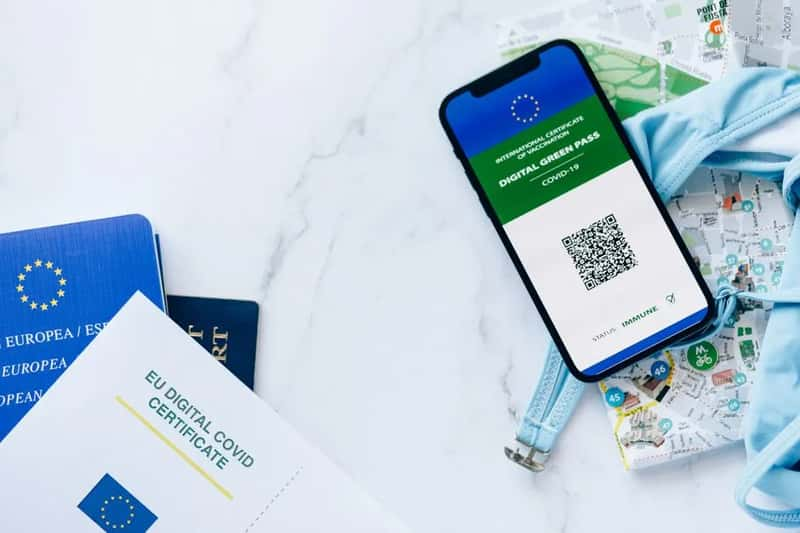
ETIAS is the other European acronym worth knowing. The European Commission’s official position has been that it will start operations in the last quarter of 2026, with the exact date announced several months in advance.[9] Nationals of fifty nine visa exempt countries, including the United States, United Kingdom, Canada and Australia, would then need a twenty euro authorization valid for up to three years.[9]
The timeline has slipped before, and the picture is not fully settled. One tracker reports that as of September 2026 no official date has been confirmed, with 2027 seen as the most likely window.[10] Treat that as unconfirmed, and remember that any website selling ETIAS applications today is not official.[9] Check the European Union’s own travel portal before paying anyone.
Download Everything Before You Need It
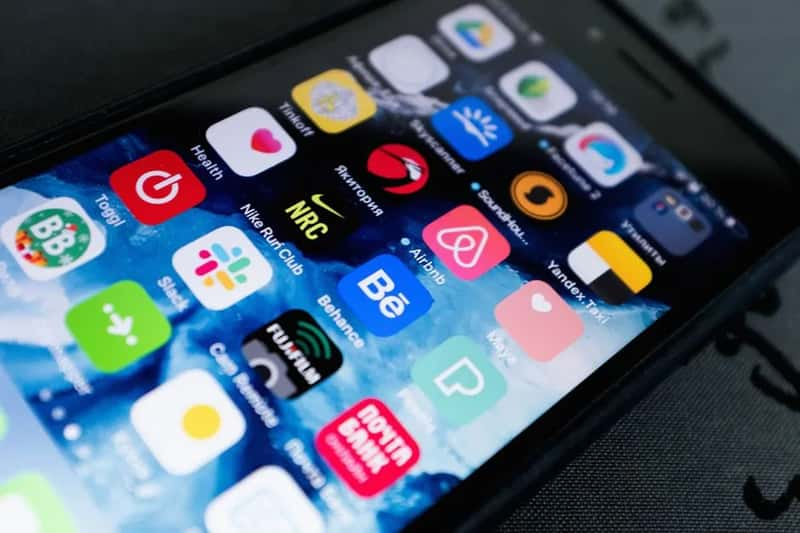
Nomads rarely trust a single signal. Download offline maps, translation apps and travel documents before you leave.[11] Doing it at home, on good wifi, is far easier than doing it in an arrivals hall with a weak connection.
Keep a second copy of your passport page, insurance policy and bookings somewhere separate from your phone. Public wifi is a poor place to retrieve them, since free wifi costs nothing but is unreliable and insecure, and not recommended for anything sensitive.[12] A saved copy on your device and one in a secure cloud folder covers most mishaps.
Final Thoughts

The advice that saves trips is rarely exciting. Cover the expensive risks, sort the phone, respect the border rules, and leave room in the schedule. Check official sources for anything that changes, because in 2026 the rules for Europe are still moving.