The Swiss Alps glitter like an open invitation. Dramatic peaks, lush valleys, and endless trails that promise adventure at every turn. Millions of people answer that call each year, lacing up their boots and heading into some of Europe’s most stunning mountain landscapes. Yet beneath that postcard beauty lies a harsh reality: around 50 people die every year on Swiss mountain hikes or climbs, and a further 37,000 people are injured on Swiss mountains annually, according to data from the Swiss Council for Accident Prevention.
The costs of those mistakes? They’re staggering. A helicopter rescue mission can easily cost between CHF 3,000 and CHF 10,000 or more, depending on location and complexity. In extreme cases where the victim needs to be airlifted by helicopter, the cost is around CHF 100 per minute when the helicopter and crew are chartered by a private company. Let’s be real: that’s the price of a vacation, wiped out in a single emergency. These aren’t just statistics, they’re warnings written in rescue bills and recovery rooms.
Underestimating the Trail and Overestimating Your Fitness
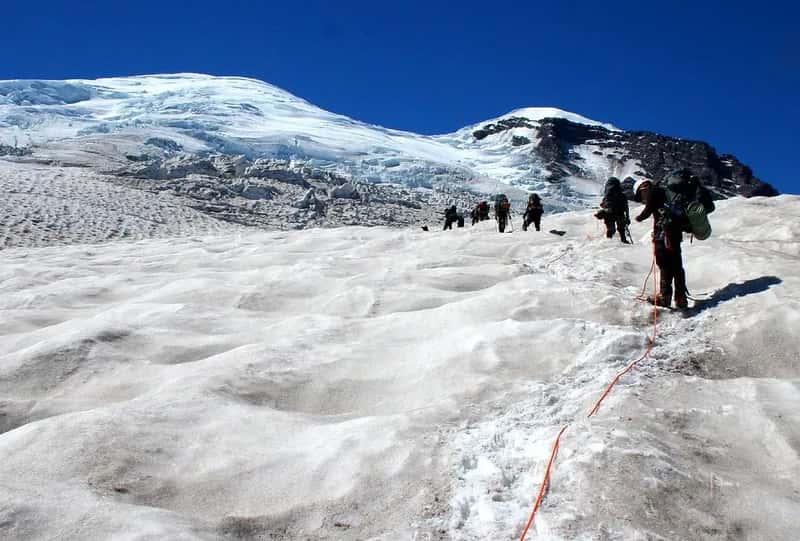
Here’s the thing about Swiss hiking: it looks deceptively easy. You step off a perfectly maintained train, walk through a charming village, and suddenly you’re staring up at a trail that climbs thousands of feet. Accidents often happen because hikers misjudge the risks and challenges along the way, according to the Swiss accident prevention authority. Many people overestimate their capabilities, and that is dangerous, notes Bruno Hasler, who tracks mountain emergency statistics for the Swiss Alpine Club.
It’s tempting to assume that because the trails are well-marked and crowded with other hikers, they must be safe. Wrong. Over 40% of high-altitude mountaineering emergencies between 2009 and 2020 were due to being stranded, with exhaustion and weather changes being the main causes. People get tired. They push too hard. Then they find themselves stuck on a ledge or unable to continue, and suddenly a simple day hike becomes a rescue operation.
Ignoring Rapid Weather Changes in the Mountains
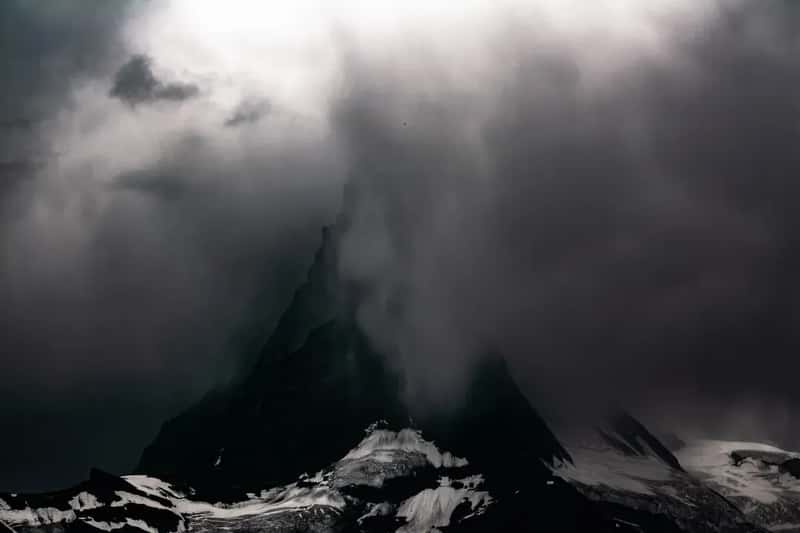
You wake up to blue skies and think you’ve hit the jackpot. Two hours into your hike, clouds roll in. Within thirty minutes, you’re soaked, cold, and visibility drops to nearly zero. Welcome to Alpine weather. The weather in Switzerland can change quickly, especially in the Alps, and there can be huge regional differences: it can be rainy in one valley, and sunny in the adjacent one.
Forecasts can’t always accurately predict sudden local thunderstorms, heavy rain showers, fog, or snow, so even if you start a trail in clear skies, you can run into trouble if you’re caught by unexpected changes. I know it sounds crazy, but summer snowstorms are real. A fatal accident in August 2024 was caused by slippery terrain after nighttime rain on the Säntis mountain. Wet rocks become ice rinks. Visibility vanishes. What seemed like an afternoon stroll turns into a life-threatening situation faster than you can say “Matterhorn.”
Setting Out Without Proper Gear or Emergency Equipment
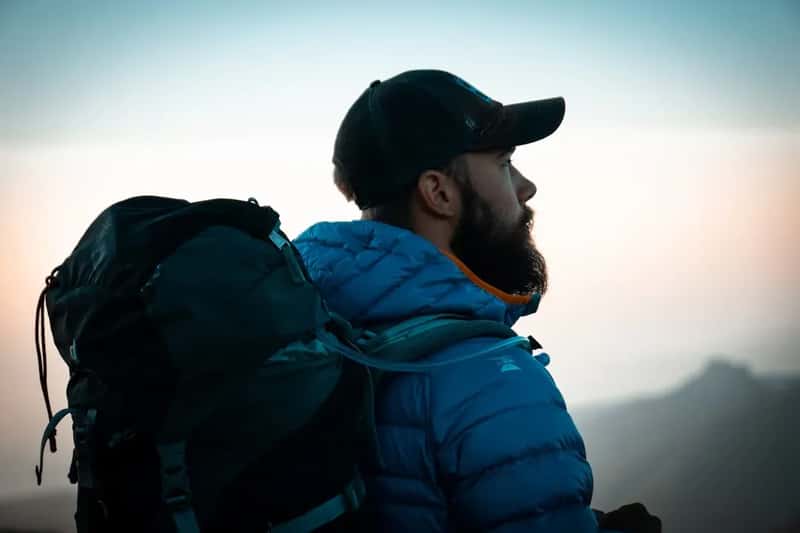
Sneakers instead of hiking boots. A light jacket instead of waterproof layers. No map, no compass, just a phone with a dying battery. The main causes of accidents are overestimation, lack of equipment, abrupt changes in the weather and lots of people on challenging paths. Seriously, the number of hikers who show up unprepared is staggering.
Think about it: if you’re banking on your phone for navigation and the battery dies, you’re done. If the weather turns and you don’t have layers, hypothermia becomes a real risk. The main causes of these injuries often include underestimating risks, lack of knowledge about the mountain environment, physical and psychological factors and inadequate equipment. A first aid kit, extra food, water purification, a whistle, and an emergency blanket might seem like overkill until you actually need them. Then they’re lifesavers.
Hiking Alone or Failing to Inform Anyone of Your Plans
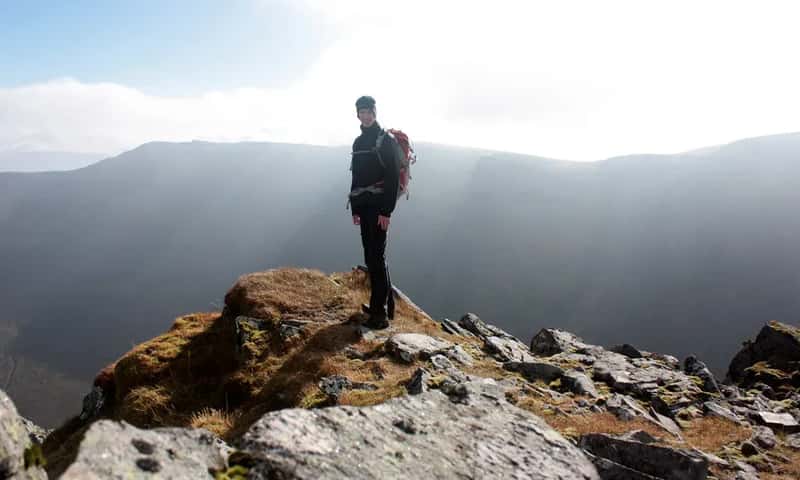
Solo hiking has a romantic appeal. Just you and the mountains. Except when something goes wrong, no one knows where you are. Solo hikers beware: minor incidents can easily turn into serious emergencies, warns the Swiss Alpine Club. A twisted ankle on a busy trail? Annoying. A twisted ankle when you’re alone on a remote path? Potentially fatal.
Make sure a family member knows your destination, what route you have planned and when you expect to be back. It’s such simple advice, yet people skip it all the time. If no one knows where you went, rescue teams have to search blindly. That wastes time, increases danger for rescuers, and dramatically reduces your chances of a quick recovery. Plus, it makes the rescue more expensive because they have to deploy more resources to find you.
Choosing Routes Beyond Your Skill Level

Not all trails are created equal, even if they’re on the same mountain. Switzerland uses a grading system for hiking trails, but tourists often ignore it or don’t understand what the grades mean. The most dangerous hiking trails include the Grosser Mythen, Pilatus, Säntis, the Alpstein region and the Aletsch Glacier, and the trails are often underestimated: steep, exposed passages or alpine dangers such as crevasses are a challenge.
Since 2004, at least 18 people have died in accidents on the Säntis route from Schwägalp via the Tierwis mountain inn to the summit, making it one of the most dangerous hiking trails in Switzerland. The ascent leads through steep sections such as the “Musfallen” and the so-called “Himmelsleiter”, which require sure-footedness and a head for heights, despite being secured by wire ropes. If you have a fear of heights or limited experience on exposed ridges, these routes are not for you. Period.
Neglecting to Get Proper Rescue Insurance
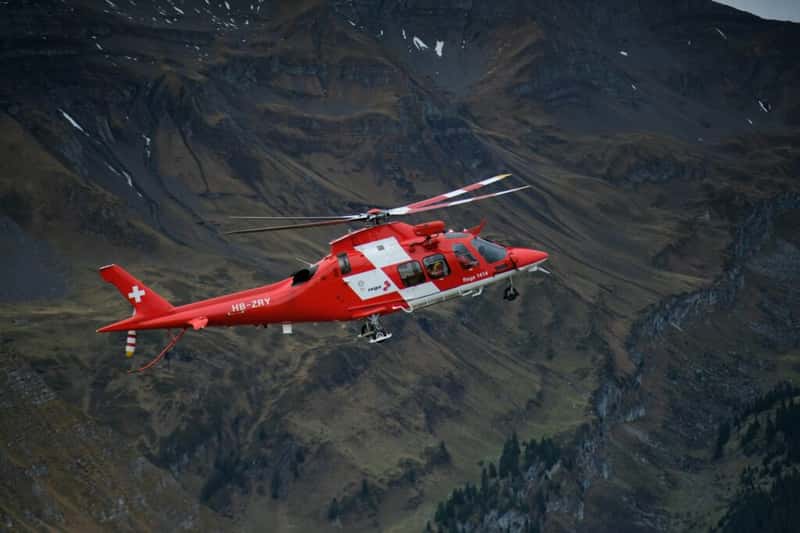
Let’s talk money. A helicopter rescue amounting to 3,200 francs is not uncommon, as one mountain biker discovered near Arosa. For children, pensioners or people without professional activity, compulsory health insurance will cover half of rescue costs up to the maximum amount of 5,000 francs per calendar year. That means you could be on the hook for thousands out of pocket.
Coverage for search and rescue operations is typically limited, ranging between 10,000 and 100,000 francs with supplemental insurance. Many tourists assume their travel insurance covers mountain rescue. It might not, or the coverage limits might be laughably low. Rega in Switzerland costs 40 CHF to join per year, and Rega can decide to waive or reduce the costs of a helicopter rescue if it is not covered by the patron’s insurance. For the cost of a couple of restaurant meals, you can potentially save yourself from financial ruin.