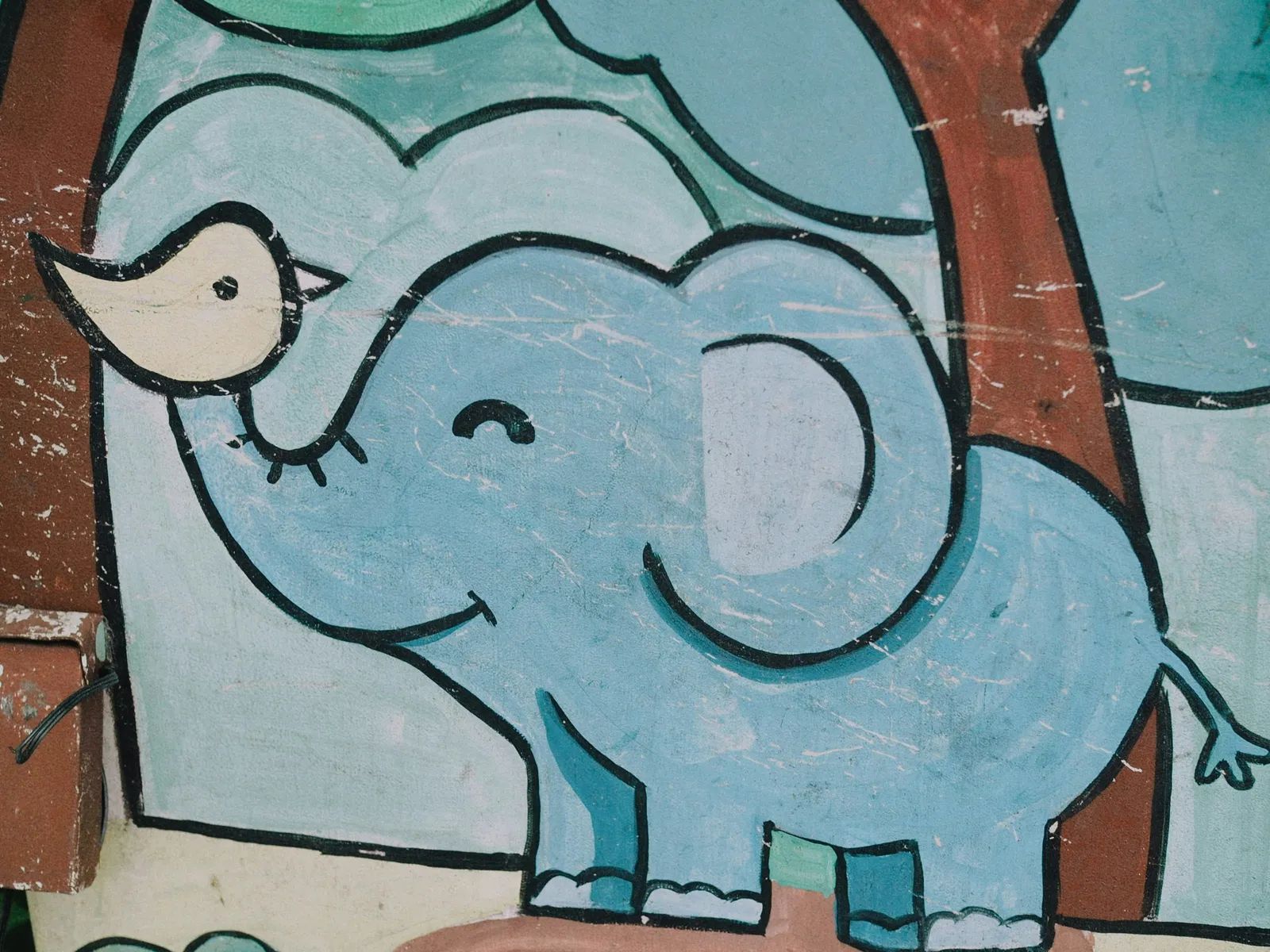
Yerevan, Armenia – Delegates arriving at the 2026 United Nations biodiversity conference encountered a large mural depicting a herd of elephants right at the entrance to the main hall. The installation, created by the NGO Friends of the Earth International, deliberately avoided any celebration of recent recoveries in some elephant populations. Instead, it invoked the classic “elephants in the room” image to draw attention to financial flows that continue to drive biodiversity loss on a global scale. ([1])
The Mural Sets the Tone
The artwork arrived at a moment when governments are under pressure to translate earlier commitments into measurable financial shifts. Parties adopted the Kunming-Montreal Global Biodiversity Framework in 2022, and one of its core targets calls for the reduction of subsidies and other support that harm nature. The mural served as a visual reminder that those targets remain far from realized. The choice of elephants carried particular weight because the animals have become symbols of both conservation success and ongoing threats. Some populations have stabilized or grown in protected areas, yet habitat loss and other pressures persist across their range. By placing the herd in the conference hallway, organizers highlighted the gap between visible progress and the larger economic forces still working against recovery.
Numbers Reveal the Funding Imbalance
A recent UN Environment Programme report quantified the disparity in stark terms. For every dollar directed toward nature protection, roughly thirty dollars flow toward activities that degrade ecosystems. Greenpeace International biodiversity expert An Lambrechts described the ratio as astounding during a press conference at the event. The same report and related analyses point to annual support for nature-negative activities remaining near $7.3 trillion. Industrial agriculture, unsustainable fishing, and certain forms of logging and mining receive the bulk of this support. These sectors directly contribute to the declines documented in the latest WWF Living Planet report, which recorded an average 73 percent drop in wild vertebrate populations between 1970 and 2022.
Target 18 and the Path Forward
Target 18 of the Global Biodiversity Framework set an explicit goal of cutting $500 billion per year from harmful subsidies. Achieving that figure would require coordinated policy changes across agriculture, fisheries, energy, and infrastructure ministries in dozens of countries. Progress has been limited so far, with most nations still identifying rather than reforming the relevant expenditures. Stakeholders at COP17 include environment ministers, finance officials, and representatives from Indigenous groups and civil society. Their discussions center on practical mechanisms such as subsidy reform roadmaps, blended finance instruments, and stronger disclosure requirements for public and private investment. Without accelerated action, the framework’s 2030 milestones risk slipping out of reach.
Why the Timing Matters
The conference occurs against a backdrop of compounding pressures on ecosystems. Climate change, land conversion, and pollution continue to intensify, while recovery efforts remain underfunded relative to the scale of the challenge. The elephant mural therefore functions less as decoration and more as a prompt for negotiators to confront the economic drivers behind those trends. Reforms that redirect even a fraction of existing subsidies could free substantial resources for restoration and protection. Several governments have begun pilot programs that tie agricultural payments to biodiversity outcomes, yet scaling such approaches requires political will and technical capacity that many countries still lack. The coming days of negotiations will test whether the visual reminder at the entrance translates into concrete commitments.