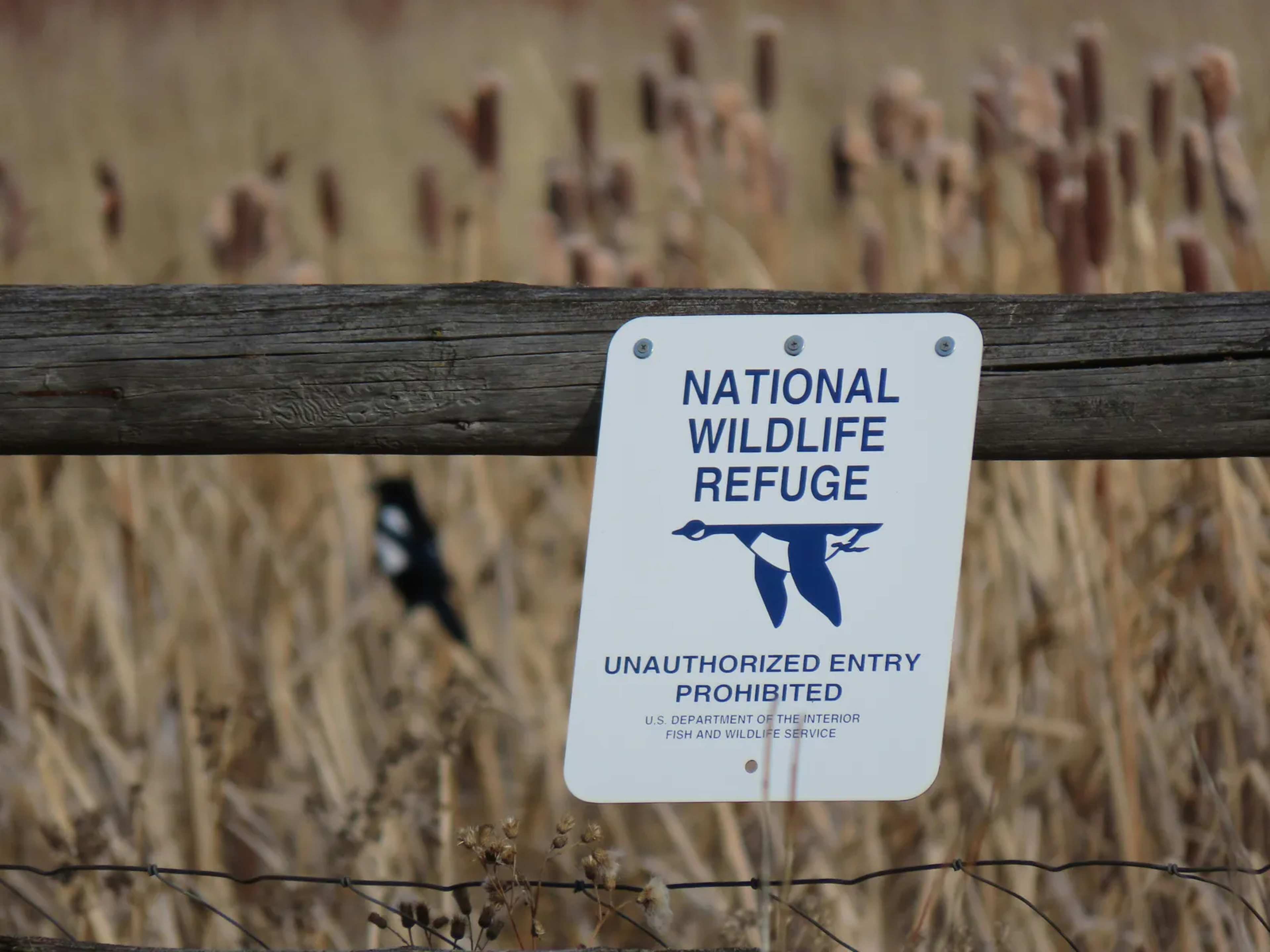
Costa Rica has spent decades building its global reputation on pristine rainforests, active volcanoes, and wildlife found nowhere else on Earth. That reputation is now colliding with a surge of tourists chasing forbidden photo spots, unauthorized volcano hikes, and off-limits trails advertised on social media. Throughout 2025 and 2026, Costa Rican authorities have rolled out one of their most aggressive public safety and conservation campaigns in years, aimed squarely at foreign visitors who wander into areas where they simply aren’t allowed to go.
The warnings aren’t just bureaucratic noise. They come backed by new legislation, steep fines, and a wave of real enforcement actions that have already swept up dozens of tourists, some of whom had no idea they were breaking the law until rangers stopped them.
A New Law With Real Teeth

In February 2026, Costa Rica’s Legislative Assembly passed a landmark reform to strengthen protections around national parks. Congress approved legislation imposing steep fines on individuals and tour operators who illegally enter national parks and other protected areas, passing Bill No. 22.878, titled “Reform to the National Park Service Law,” in a 34-9 vote.[1] The bill had been in the works for nearly a year before lawmakers finally pushed it through.
Before this reform, penalties were almost laughably small. Fines for entering restricted areas were quite low, at 35,000 colones, about eighty dollars at the time, so they weren’t very effective at deterring anyone.[2] That gap between the risk and the reward is exactly what lawmakers set out to close.
Why the Warnings Are Intensifying Now
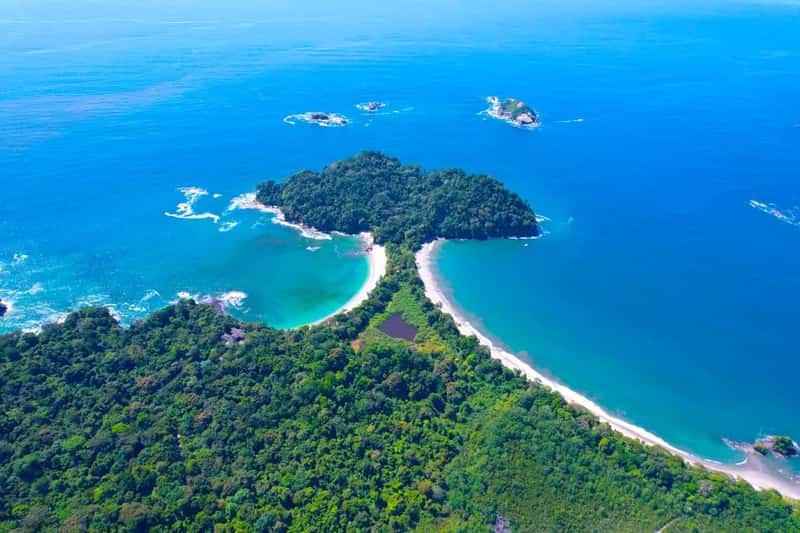
The timing of this crackdown isn’t random. El Observador reported that SINAC detected 408 people entering protected areas through unauthorized points between December 2025 and January 2026.[3] That single winter stretch alone showed regulators just how widespread the problem had become.
Certain parks bore the brunt of these violations far more than others. Irazú Volcano National Park was one of the sites where violations occurred most frequently, with 200 cases, followed by Isla San Lucas with 88, along with reports from Bahía Junquillal, Gandoca-Manzanillo, and Juan Castro Blanco.[3] Earlier in 2025, the scale of the issue was already visible, with over 500 unauthorized entries into Costa Rica’s 30 national parks and reserves reported that year alone[4].
Poás Volcano: Ground Zero for Illegal Tours
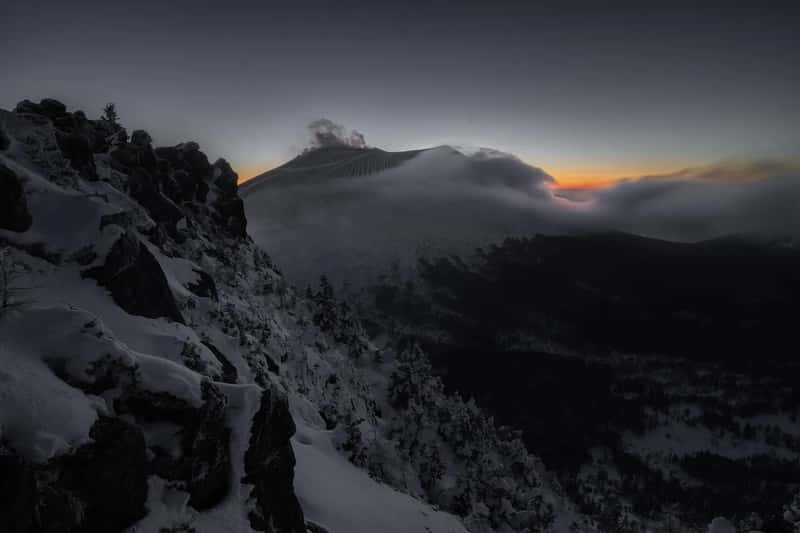
No single destination illustrates the problem better than Poás Volcano National Park. During the busy Easter travel week in April 2026, rangers carried out a major sweep near the crater. In April 2026, 30 people were detained by SINAC rangers during Semana Santa after illegally entering restricted zones near the crater, including the Quemaderos area and Canyon of Mordor.[5] At least one of those detained wasn’t a first-timer either.
These tours had been openly advertised for a while before the crackdown caught up with them. Operators advertising access to places like the Quemaderos del Poás, the dramatic sulfuric canyon nicknamed the “Canyon of Mordor,” had long promoted these experiences on social media, charging tourists anywhere from forty-five to seventy-five dollars per person.[6] Many travelers who booked these trips believed they were paying for a legitimate, permitted excursion.
How the Fines Actually Work

Costa Rica’s new penalty structure ties fines directly to the country’s official base salary, which adjusts each year. Fines are calculated using Costa Rica’s 2026 base salary, which the Judicial Branch set at 462,200 colones, meaning people who enter restricted areas or violate access rules can face a fine equal to three base salaries, or 1,386,600 colones.[7] For American travelers, that works out to roughly three thousand dollars depending on the exchange rate.
The penalties don’t stop at a flat fee either. The penalties aren’t limited to a one-time fine, since repeat violations can increase the fine by fifty percent, and if the behavior continues, SINAC may ban the person from entering protected wilderness areas for one year.[3] Lawmakers designed the escalating structure specifically to catch people who treat the first fine as a cost of doing business.
Tour Operators Face the Steepest Penalties

While individual tourists face serious consequences, the law reserves its harshest punishment for the businesses that lure them into danger. Tour operators face steeper penalties, since if they promote or sell tours to unauthorized sites, they can be fined seven base salaries, or 3,235,400 colones.[7] That’s more than double what an individual visitor would pay.
Rescue situations push the financial stakes even higher for everyone involved. In those cases, authorities can impose a fine of five base salaries for each rescued person and ten base salaries on the responsible guide or operator.[7] A single botched excursion involving multiple stranded tourists could therefore end up costing an unlicensed operator a small fortune.
The Wildlife Souvenir Crackdown
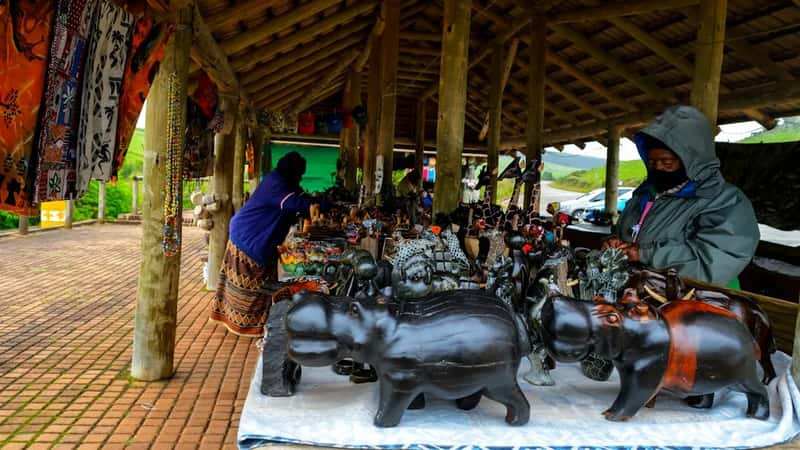
Restricted trails aren’t the only concern authorities are targeting. A parallel campaign launched in mid-2026 focuses on what tourists carry home in their luggage. Costa Rican authorities started a public information campaign called “What You Carry,” aimed at travelers who pack natural objects without realizing the law treats them as protected wildlife, run by the Judiciary alongside the Prosecutor’s Office, forensic specialists from the Judicial Investigation Agency, and airport operator Aeris.[8] The campaign targets a problem that had been building quietly for years.
The items involved are often far more innocent-looking than most people would expect. A shell picked up on a beach walk, a piece of coral, a seed pod, or a carved trinket bought from a roadside stand can stop a traveler at the airport and, in some cases, put their name into a criminal file before they fly home.[8] Enforcement itself isn’t new, but the effort to educate travelers ahead of time is a fresh shift in strategy.
Safety Risks Behind the Rules
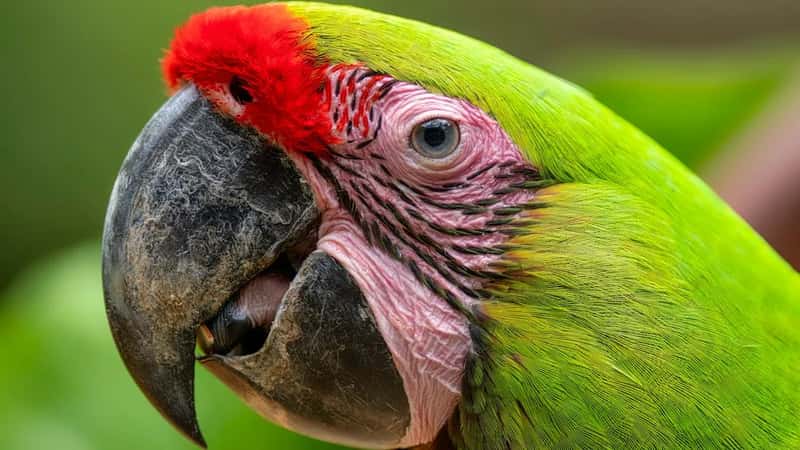
Costa Rica’s terrain is spectacular, but it’s also genuinely unforgiving in places where trails aren’t maintained or monitored. Dense rainforests, volcanic terrain, heavy rain, landslides, flash floods, remote beaches, and steep trails can turn one person’s bad decision into a multi-agency emergency.[3] Officials have been blunt about why this matters so much to them.
Government representatives have repeatedly framed the issue as one of public safety first, conservation second. “These activities not only break the law but also increase safety risks,” a MINAE spokesperson said.[2] Rescue teams, particularly from the Costa Rican Red Cross, are often the ones who end up shouldering the physical risk when tourists get into trouble in places they shouldn’t have entered.
Environmental Stakes: Protecting Fragile Ecosystems
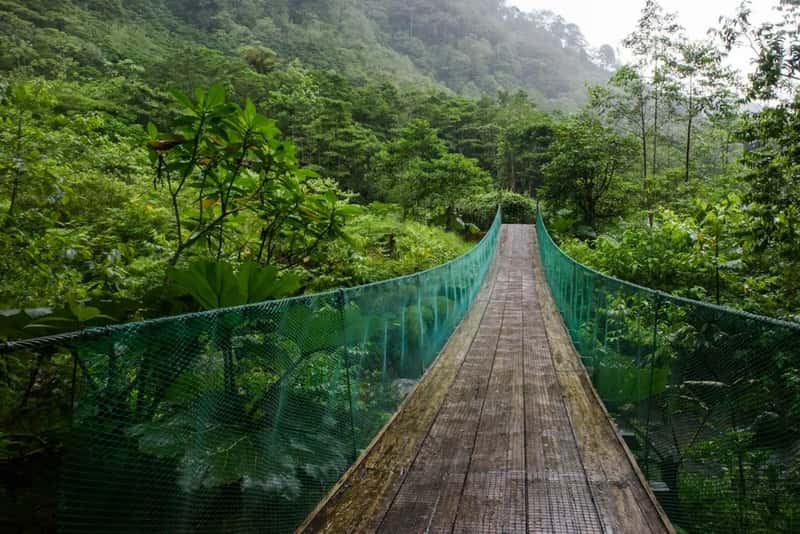
Beyond personal danger, unauthorized entry chips away at the very ecosystems that draw visitors to Costa Rica in the first place. Entering restricted areas threatens Costa Rica’s biodiversity, since people who have created unauthorized trails increase the risks of poaching and disturbing native habitats.[2] These impacts often go unnoticed until the damage has already accumulated over months or years.
The scale of what’s at stake is enormous when you consider how much land Costa Rica has committed to conservation. The push for stricter rules comes as Costa Rica protects over a quarter of its land to safeguard habitats and prevent damage, while unauthorized groups often stray from marked paths, leading to soil erosion, disturbed wildlife, and long-term harm to sensitive spots.[9] Every unofficial trail carved through the underbrush represents a small but real erosion of that conservation legacy.
What Responsible Travelers Should Do

None of this means Costa Rica has become unsafe or unwelcoming to nature lovers. Quite the opposite, in fact, since the country remains firmly one of the region’s top destinations for wildlife watching and outdoor adventure. The simplest way to avoid trouble is booking through operators with verifiable licenses and a track record of following SINAC’s rules rather than gambling on a cheap, unofficial tour promoted online.
Sticking to marked trails, checking official park websites before booking, and treating posted warnings seriously will keep most travelers completely clear of any legal or physical risk. For anyone planning a visit to Costa Rica’s extraordinary natural landscapes, the incident underlines one of the most important pieces of advice any experienced visitor can offer: always book through a licensed operator and always confirm that park entrance fees are included in what you are paying for.[6] That single habit does more to protect both visitors and the wilderness they came to see than almost anything else.
Costa Rica’s message has become impossible to ignore. The forests, volcanoes, and coastlines that make the country famous are not theme park attractions with forgiving guardrails, and the new fines make that distinction financially painful for anyone who forgets it. For travelers willing to plan ahead and respect the boundaries rangers have drawn, the country still offers some of the most rewarding wild spaces anywhere in the hemisphere.