Louisiana is losing land at a staggering rate, with a soccer field’s worth vanishing every 100 minutes. Coastal erosion, accelerated by rising seas, oil and gas extraction, and changes to the Mississippi River’s course, has already stripped away 4,662 square kilometers over the past century. The losses threaten communities, ecosystems, and the state’s $319 billion seafood industry, leaving them more exposed to storms and floods. ([1])
The Human Cost of a Shrinking Shore
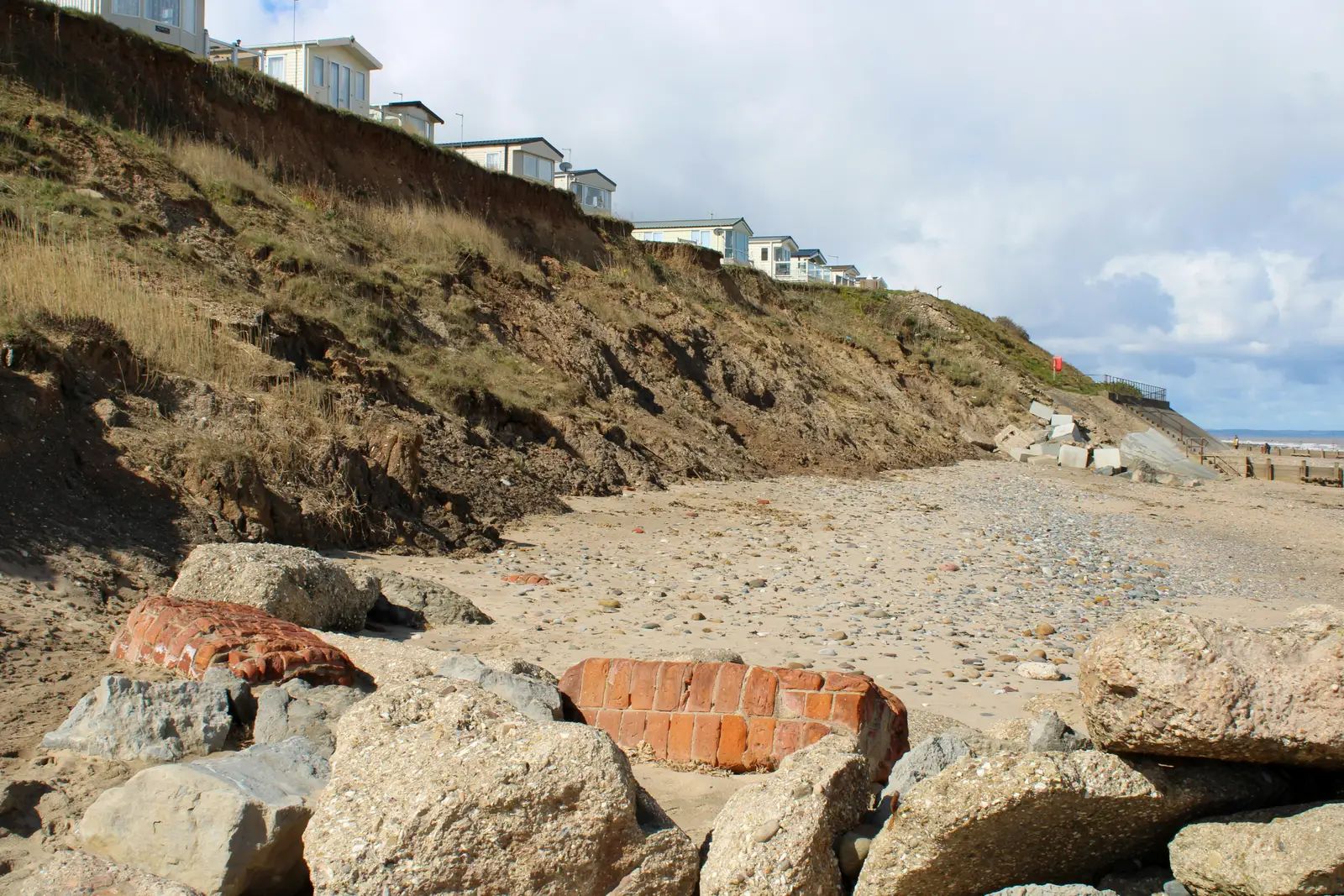
Coastal residents watch as protective wetlands disappear, turning once-stable shorelines into open water. Barrier islands that once buffered inland areas from hurricanes now offer less protection. Families and businesses tied to fishing and tourism face growing risks as each major storm carves deeper into the remaining land. The economic ripple reaches far beyond the immediate coast, affecting supply chains and jobs that depend on a stable shoreline.
Why Traditional Fixes Are Running Out of Material
State agencies have poured billions into rebuilding projects that rely on offshore sand and river sediment. These efforts have created new islands and reinforced shorelines in targeted spots. Yet suitable sediment remains limited, and demand for large-scale restoration continues to grow. Without new sources of fill material, many planned projects risk delays or downsizing.
Turning Bottles Into Coastal Building Blocks
A New Orleans company called Glass Half Full began testing a different approach in 2020. It grinds used glass bottles into sand and gravel for small experimental islands and berms. The material offers a potential alternative when natural sediment is scarce. Project ReCoast, a five-year study with Tulane University funded by the National Science Foundation, is now examining how this recycled glass performs in real estuarine conditions.
What Early Tests Reveal
One published study found no major differences in survival rates for several native estuarine animals when they were exposed to recycled glass sand compared with conventional materials. Researchers continue to monitor longer-term effects on water quality, plant growth, and sediment movement. The work aims to determine whether the approach can be scaled safely for broader use. The findings so far suggest recycled glass deserves closer attention as one piece of a larger restoration strategy. Communities along the coast are watching to see whether this everyday waste stream can help slow the steady retreat of their shoreline.