In most cities, missing the bus means waiting for the next one. In a handful of places around the world, missing the boat means something closer to missing your only way home. Water isn’t a scenic backdrop in these countries, it’s the actual commute, the school run, the grocery trip, and sometimes the only route between two towns that a road will never reach.
What’s interesting is how differently this plays out depending on geography and money. Some countries run sleek, subsidized ferry systems that rival any subway. Others rely on wooden boats that have barely changed in a century, patched together because the alternative is walking for days. Both count as , just on very different budgets.
Bangladesh: rivers instead of roads
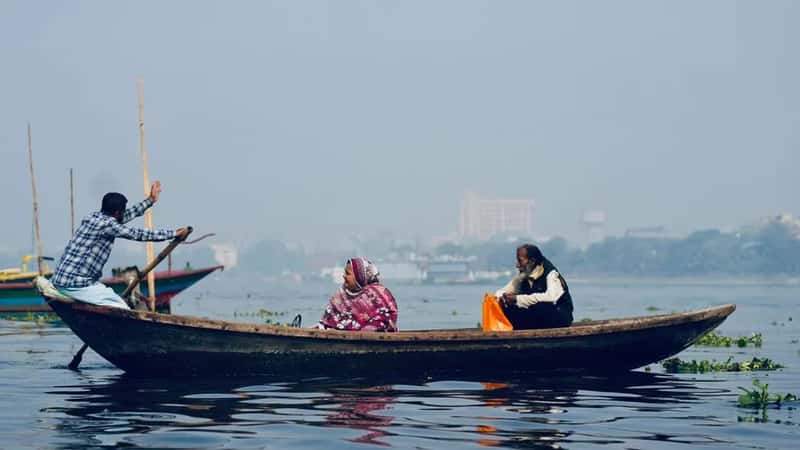
Bangladesh is often described as a delta with a country attached to it, and that’s not much of an exaggeration. The nation has over 3,800 kilometers of year round navigable waterways and almost 6,000 kilometers of rainy monsoon season navigable waterways[1]. For huge stretches of the south and southwest, a boat isn’t an option, it’s the only option.
The government-run side of things involves large passenger launches and ferries, but the informal fleet is where the real volume happens. According to the Bangladesh Inland Water Transport Authority, inland water transport is responsible for transporting over half of the country’s total cargo and roughly a quarter of passenger traffic[2]. The Padma Bridge and expanding roads have chipped away at that share over the past few years, but in places bridges simply don’t reach, wooden launches packed with commuters, market goods, and the occasional motorbike remain the default.
Thailand: Bangkok’s river commute
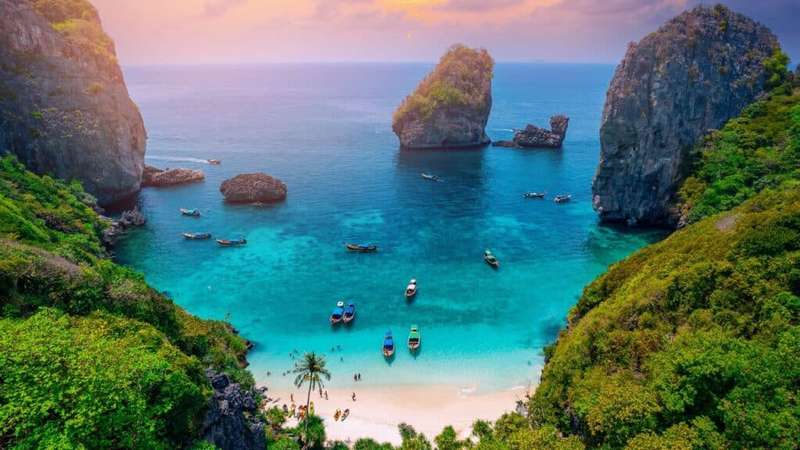
Bangkok’s traffic has a reputation, and it’s earned. What a lot of visitors don’t realize is that thousands of Bangkok residents skip the gridlock entirely by riding the river instead. The Chao Phraya River serves as Bangkok’s primary water transportation corridor, carrying over 150,000 passengers daily through a network of express boats, ferries, and tourist services[3].
The system runs on color-coded lines, orange, yellow, green, and a tourist-oriented blue flag route, each with its own stops and price point. The orange flag line alone operates every 10 to 20 minutes depending on the time of day, connecting Nonthaburi in the north down to Wat Rajsingkorn[3], at a fare that’s barely the price of a coffee. It links up with the Skytrain and MRT at several piers, so for plenty of office workers, the daily commute genuinely involves three different transit modes and one of them floats.
Nigeria: Lagos taking to the water
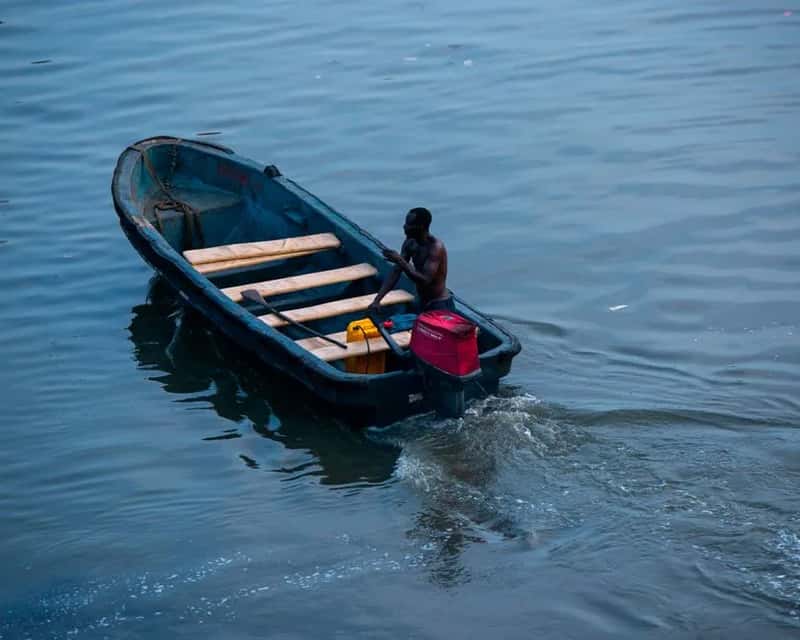
Lagos sits on a lagoon, surrounded by creeks and waterways, yet for decades most of its 20-plus million residents sat in traffic instead of using the water right next to them. That’s shifting, slowly and deliberately. The Omi Eko project aims to increase the share of water transport from one percent to five percent of daily mobility in Lagos, while saving commuters up to two hours per day on major routes[4].
In March 2025, the state rolled out a new generation of ferries built to replace the smaller, less regulated boats that used to dominate the routes. With a capacity of 40 passengers, the new Omi-Bus ferries are designed to phase out smaller vessels like banana boats, which typically accommodate only 17 passengers[5]. The ambition is a fully integrated system where a ferry ticket connects seamlessly with the metro, the BRT buses, and last-mile transport, something Lagos has never really had before on the water.
Italy: Venice’s vaporetto network
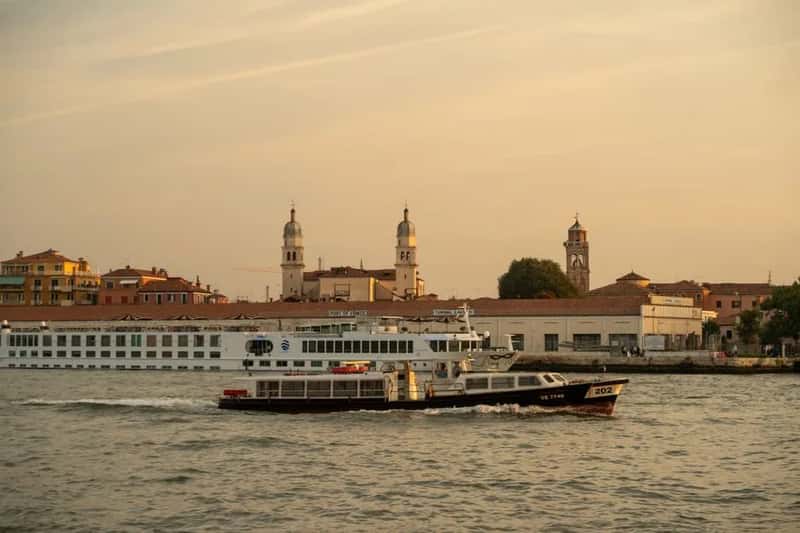
Venice doesn’t really have a choice about this one. There are no roads to speak of in the historic center, so the vaporetto, the city’s public waterbus, functions exactly like a metro system would anywhere else. The network, managed by ACTV, includes 160 water crafts and over 100 boarding points, and carries more than 190 million passengers per year[6].
Locals get around on Line 1 and Line 2 along the Grand Canal the same way New Yorkers use the subway, grumbling about crowds but relying on it daily anyway. There are roughly 23 lines connecting Venice’s canals and islands like Murano, Burano, and Lido[7], and the service runs around the clock, with a dedicated night line covering the small hours when everything else has stopped. It’s easy to think of the vaporetto as a tourist novelty, but for residents it’s simply how you get to work, school, or the hospital.
Norway: ferries as highways
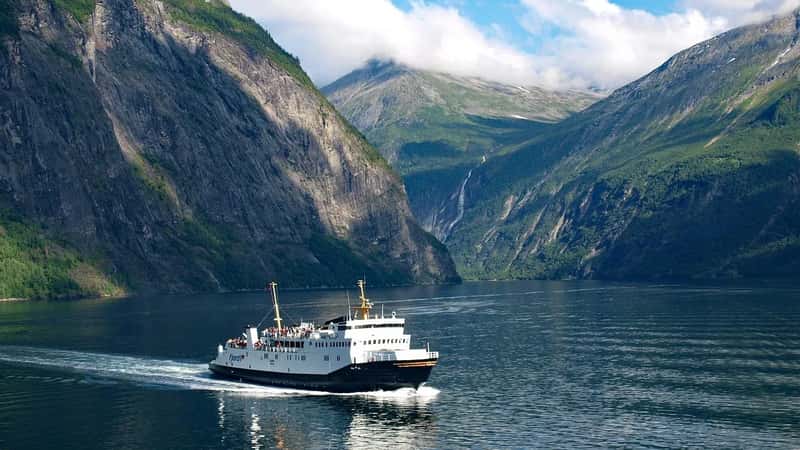
Norway’s coastline is so jagged and fjord-cut that building roads everywhere would be absurdly expensive, so the country built ferries into its national highway system instead. Many of these routes are legally classified the same way a bridge or tunnel would be, meaning a ferry crossing is treated as a continuation of the road, not a separate trip. Locals in coastal towns often plan their day around a specific sailing the way someone elsewhere might plan around a bus schedule.
What makes the Norwegian model distinct is the push toward electrification. Several fjord routes now run on fully electric or hybrid ferries, part of a broader effort to cut emissions from a transport network that, unlike most countries’ ferries, isn’t optional scenery but genuine daily infrastructure for commuters, schoolchildren, and freight alike.
Vietnam: the Mekong Delta’s floating routes
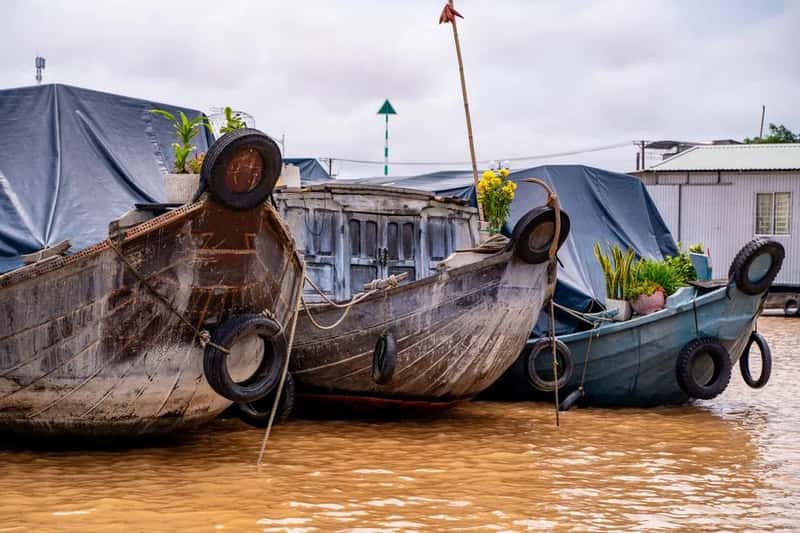
In the Mekong Delta, the river isn’t parallel to the road, it often replaces it entirely. Floating markets, floating grocery stalls, and small motorized boats called xuong or ghe form the backbone of local movement across provinces like Can Tho and Ben Tre. Children commute to school by boat in some delta communities, and cross-river ferries handle traffic that a bridge would take elsewhere.
The scale here is smaller than Bangladesh’s river network, but the logic is identical: a delta crisscrossed by hundreds of channels makes water the shortest line between two points more often than any road would be. Even as Vietnam builds out its highway system, the delta’s dense waterway culture hasn’t disappeared, it’s simply adapted alongside the new infrastructure rather than being replaced by it.
Indonesia: island hopping by necessity
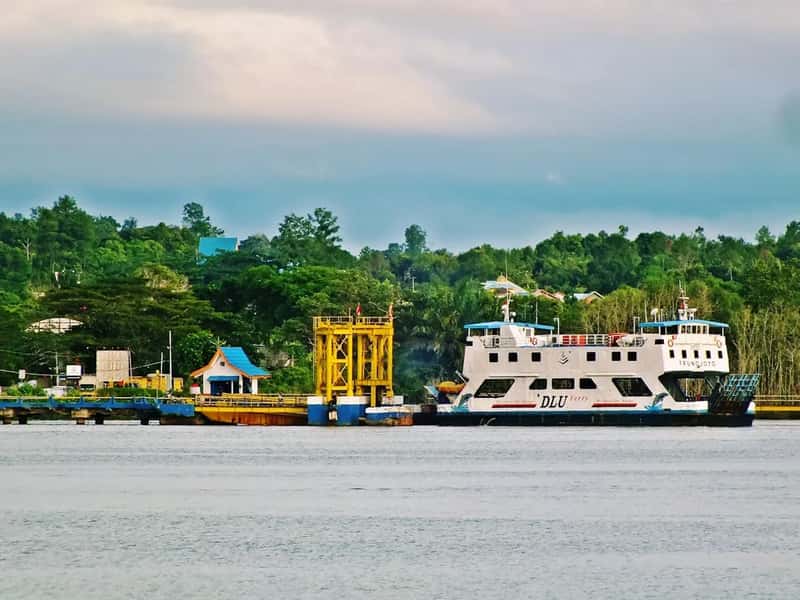
Indonesia is the world’s largest archipelago, spread across more than seventeen thousand islands, and that geography makes ferries unavoidable rather than optional. State-run operator ASDP runs hundreds of ferry routes connecting major islands like Java, Sumatra, and Bali, carrying commuters, students, and freight in roughly equal measure. In cities like Jakarta, smaller river and canal boats also supplement the packed roads, though nowhere near the scale of the interisland network.
For many Indonesians living on smaller islands, a ferry ticket is as routine a purchase as a bus fare would be in a mainland city. Getting to a hospital, a university, or a government office in a bigger city often starts with a scheduled crossing, and delays or cancellations due to weather can ripple through an entire region’s daily plans in a way few other countries experience so directly.
Philippines: bangkas connecting the archipelago
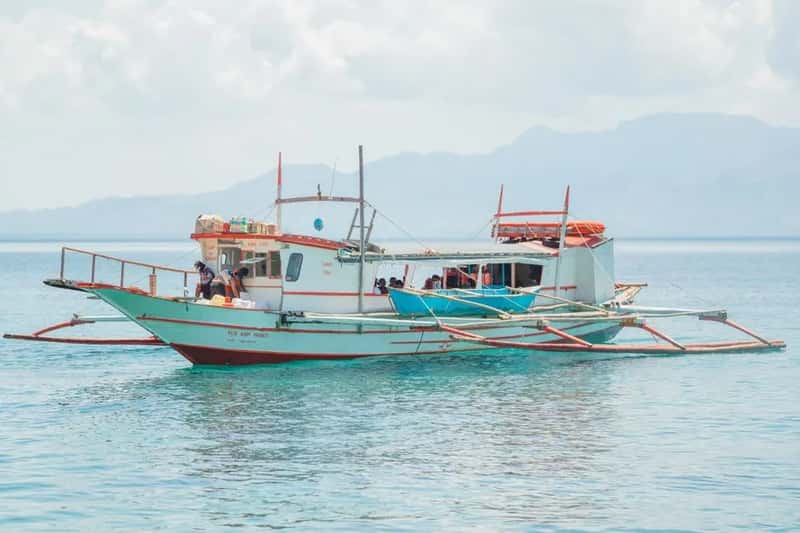
The Philippines shares Indonesia’s island-heavy geography, and its answer has long been the bangka, an outrigger boat found in nearly every coastal community. These aren’t tourist props, they’re the daily shuttle between neighboring islands, used for commuting to work, hauling produce to market, and getting kids to school when the nearest classroom happens to be on a different piece of land entirely.
Larger roll-on roll-off ferries handle the bigger interisland routes, linking major hubs like Manila, Cebu, and Mindanao, and effectively functioning as the maritime equivalent of a national highway system. Combined, the small bangkas and the larger ferries mean that for a significant share of the population, a normal week involves at least one boat trip that has nothing to do with tourism and everything to do with simply getting somewhere.
Peru and the Amazon: rivers as the only road
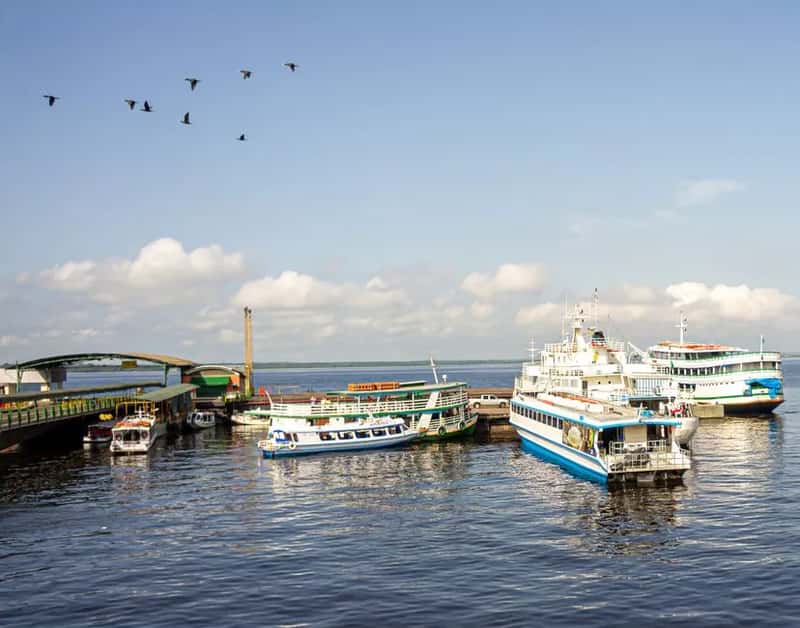
In Peru’s Amazon region, particularly around Iquitos, the largest city in the world with no road access, boats aren’t an alternative to driving, they’re the only way in or out. Cargo boats double as passenger transport, with hammocks strung across multiple decks for journeys that can stretch several days along the Amazon and its tributaries.
Smaller motorized canoes called peke-pekes handle shorter local trips between riverside communities, functioning much like a local bus route would anywhere else. It’s a slower, more physically demanding version of public transport, but for the communities along these rivers, there simply isn’t a faster or cheaper alternative on the horizon.
Greece: ferries linking the Aegean
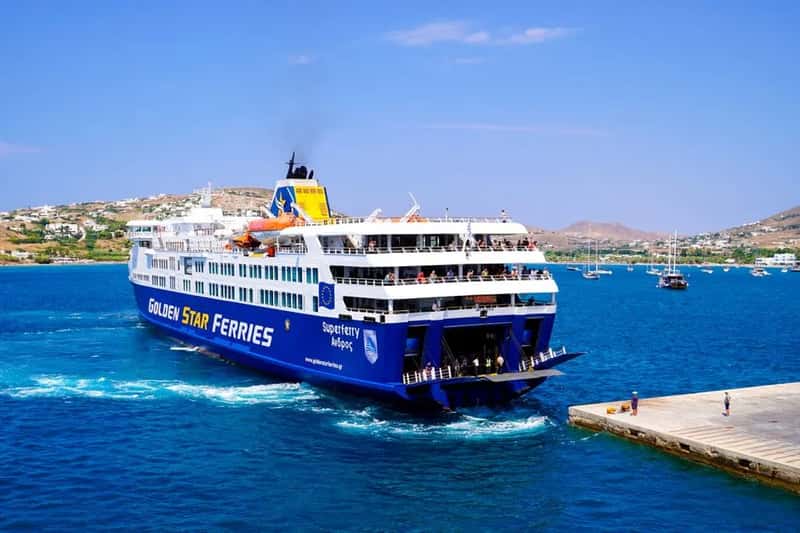
Greece’s ferry network is less about survival and more about connecting a scattered nation of islands that would otherwise be isolated for months at a time. Routes from Piraeus fan out across the Aegean and Ionian seas, linking places like Mykonos, Santorini, and Crete not just to tourists but to residents who depend on the same boats for medical appointments, university terms, and family visits.
Winter schedules thin out considerably, and rough seas can cancel sailings for days, something that residents plan around the way mainlanders might plan around a snowstorm. For islanders, the ferry terminal functions as the bus station, the timetable pinned up the same way any commuter timetable would be, just with a lot more sea spray involved.
Where the water leads next
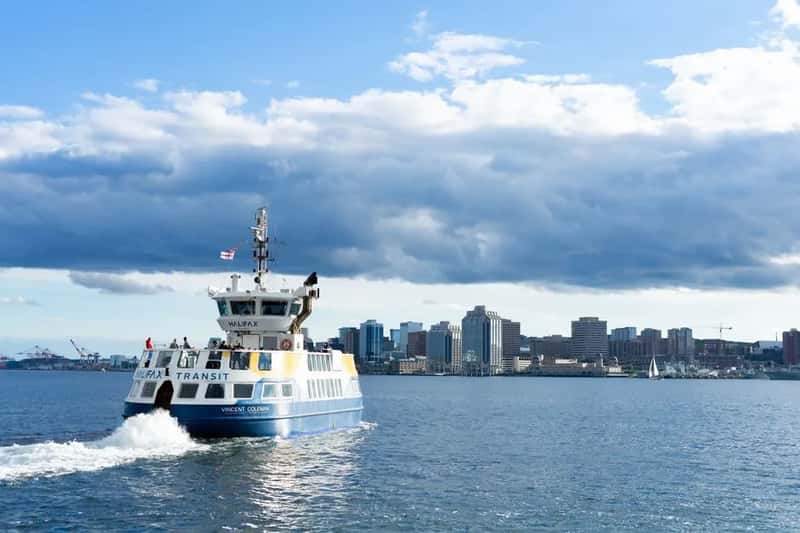
What ties these countries together isn’t wealth or technology, it’s geography that simply refuses to cooperate with roads. Some, like Norway and Venice, have folded boats neatly into modern, ticketed transit systems. Others, like the river communities of Bangladesh or the Amazon, still rely on a looser, more improvised version of the same idea.
Lagos shows where this might be heading elsewhere: cities recognizing that the water they’ve been driving around for decades was a transit corridor the whole time, just waiting for the right ferries and the right ticketing system to catch up.