If your travels in Southeast Asia ever take you from Cambodia to Vietnam, you have three options to cross the border: by plane, by car, or by the method that, for romance, magic, and pure emotion, you should choose whenever possible. I’m talking about crossing the border via boat along the Mekong River. This is the exact opposite of a simple transfer: it’s an experience that, for me personally, remains etched in memory as pure emotion—the kind of journey where the trip itself is more important than the destination.
Starting in Phnom Penh, Cambodia, and ending in Chau Doc, Vietnam, the journey is slow, allowing your mind to wander. It’s a mode of travel that almost feels anachronistic —but that’s precisely its charm. No rush, no distractions. The Mekong is the star: it’s just you and the river, wrapped in dense vegetation hiding untold stories.
Departure from Phnom Penh
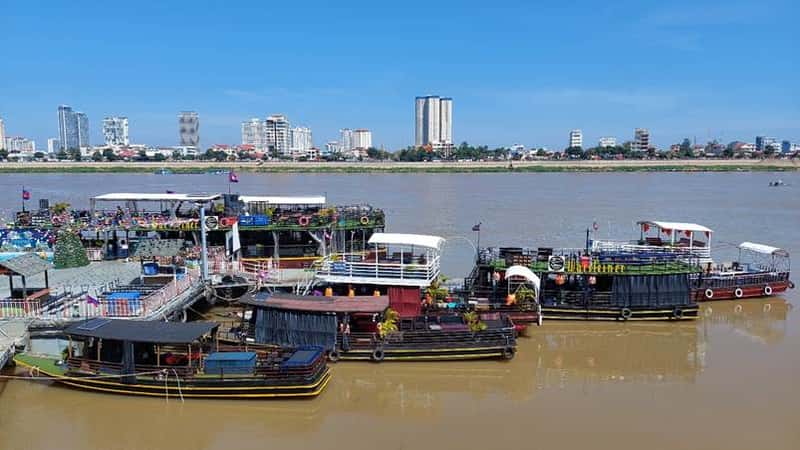
The trip begins at the Phnom Penh pier, easily accessible from the city center on foot, by tuk-tuk, or Grab. Several companies operate daily river connections to Vietnam, using covered, comfortable speedboats. Tickets are purchased through hotels or local agencies, often including assistance with border procedures—a smart choice to travel worry-free.
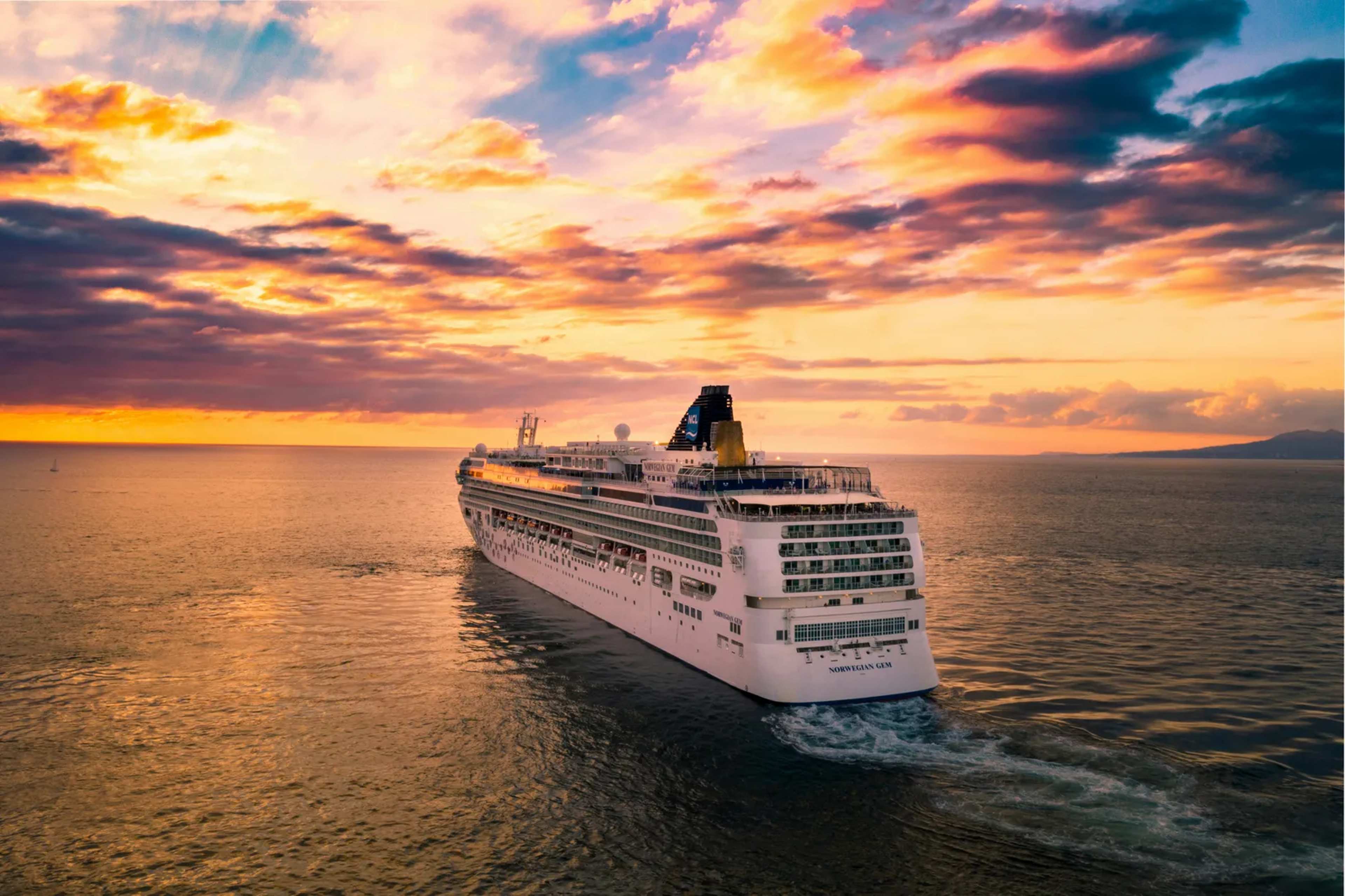
Shortly after departure, Phnom Penh slowly slips away: colonial buildings, markets, traffic—all remain on the riverbanks. In no time, the city noise fades, leaving only the constant hum of the boat engine over the water. I left around lunchtime on the last trip of the day, but departures begin early in the morning. I highly recommend leaving at midday, as I did, so you arrive at the Chau Doc dock in the late afternoon and experience the Mekong sunset, an unforgettable moment.
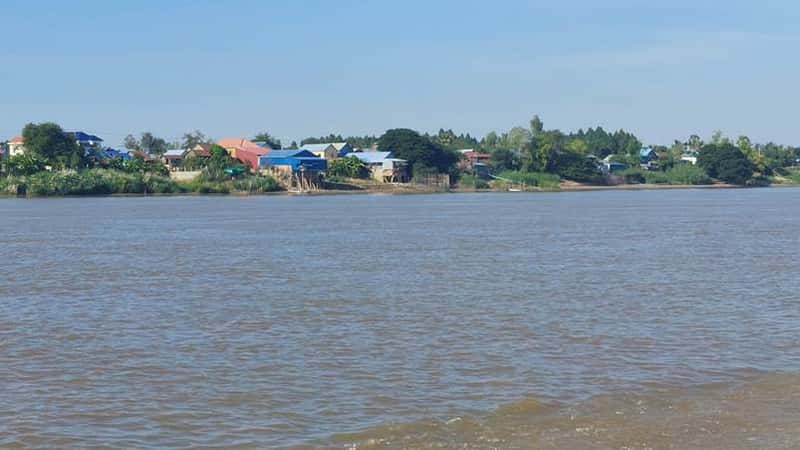
Sailing the Mekong
The boat travels the Mekong without deviation, except for a final artificial stretch to reach Chau Doc. The river is wide, slow, and hypnotic. The shores pass silently: mostly lush vegetation, but at small villages, you’ll see stilt houses, wooden boats, busy fishermen, and children playing in the water.
I vividly remember the wind on my face, the warm, humid air mixed with the scent of water and greenery. It’s an extremely physical, sensory journey. Few people speak. Everything invites observation, and the mind drifts effortlessly. Any thoughts you’ve been pondering will resurface, drawn out by the calm that surrounds you.
Crossing the Border
After about four hours on the river, you reach the border, which is straightforward and well-organized. The boat makes a first stop on the Cambodian side at Kaam Samnor, specifically the Vipassana K’amsomnor Border Centre, where passengers disembark for exit checks and passport stamping. The site is sparse, but pleasant and relaxing, completely immersed in lush vegetation. After about 30 minutes, you reboard and continue across the river border.
The second stop is on the Vietnamese side at Vinh Xuong for entry control. You must already have a Vietnamese visa (e-visa or electronic visa). In most cases, the boat staff handles passports and paperwork directly. At the floating platform used for border checks, there’s a bar selling drinks and snacks, as well as a convenient currency exchange point. The entire border procedure takes roughly one hour, from exit in Cambodia to entry in Vietnam, carried out calmly without rush or chaos.
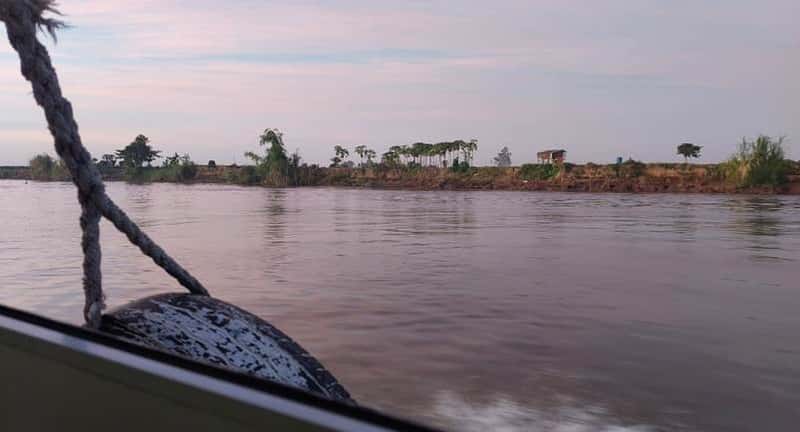
Arrival in Chau Doc
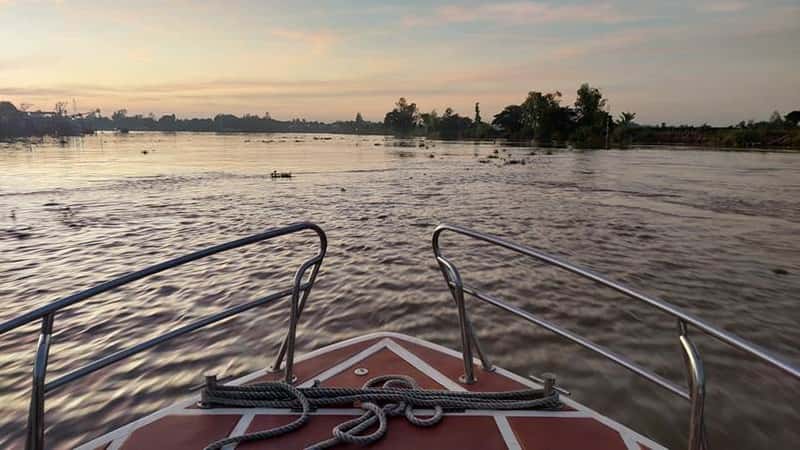
From the Vietnamese border, it’s a short trip to Chau Doc. As the sun sets, the Mekong transforms: the water turns violet, deep pink, and dark blue. The sky seems to melt into the river. It’s a powerful, almost moving moment, naturally prompting quiet—or complete silence. Feeling the wind on your face while gliding toward the town as the river narrows is an unmatched experience. Lean forward at the bow if you can, soaking in the last light while the surrounding darkness and jungle sounds close in around you.
During those minutes, I had the distinct feeling of traveling fifty years back in time, or stepping into Apocalypse Now or Platoon, suspended between beauty and unease. Not because the river is threatening, but because it has remained incredibly similar to how it was depicted on the silver screen: same light, vegetation, and flow.
Chau Doc and the Mekong Delta
Shortly after sunset, you’ll reach Chau Doc, in the heart of the Mekong Delta. It’s a peaceful, authentic town—perfect as a first stop in Vietnam. The river fragments into canals, boats blend into the urban landscape, and life seems to float on water.
After recovering from the intense experience, you can plan your next steps. Chau Doc is ideal for a one-night stay before heading to Can Tho or Ho Chi Minh City, allowing a slower-paced introduction to Vietnam. Alternatively, you can explore further the riverine life, visiting the stunning Trà Sư Cajuput Forest, drifting in a canoe among the lotus flowers.
Practical Information
The boat journey between Phnom Penh and Chau Doc generally takes 5–6 hours, depending on the vessel and river conditions, including border checks. The staff generally handles all border formalities; passengers only need to present passports for stamping.
The crossing is available in both directions: you can start in Phnom Penh and end in Chau Doc, or vice versa. Multiple companies operate on this route, offering speedboats or local ferries, bookable online or via local agencies.
Why Take the Boat Instead of Flying
Flying is faster, of course. But the boat allows you to experience the crossing, not just skip it. It shows how Cambodia and Vietnam touch, influence, and gradually transform into one another.
Most connection trips leave no lasting memory. This one does. Sailing the Mekong at sunset as the river turns violet is an experience I am certain will remain with me for years—perhaps forever. The border crossed is a point in a larger story, slowly settling into your memory like the river itself flows.