Overtourism isn’t only about big numbers. It’s about how many people a place can comfortably hold, and what happens when it holds more. A fishing village with a couple of thousand residents can feel the strain long before a major city does.
The towns below show that strain in different ways. Some are cruise ports, some are beach towns that grew too fast, and some are colonial centers where rents have climbed. A few are actually quieter right now than they were a year or two ago, which says something about how fast these pressures can shift.
Tulum, Quintana Roo

Tulum became the face of Caribbean Mexico’s boom, and its growth shows in the hotel stock. As of December 2025, Tulum had 239 hotels offering 11,993 rooms, about five percent more than in 2024.[1] SEDETUR counted roughly 1.68 million visitors in 2025, a little under the 1.77 million of 2024.[1]
The crowds have thinned noticeably in 2026. Hotel occupancy averaged just under two thirds from January through July 2026, down from nearly three quarters a year earlier.[2] The archaeological zone logged 499,852 visitors from January through August 2026 against 790,447 in the same stretch of 2025, a drop of more than a third.[2] Reporting from late 2025 pointed to soaring prices, record sargassum, crime and beach access disputes as reasons visitors stayed away.[3]
Cozumel, Quintana Roo
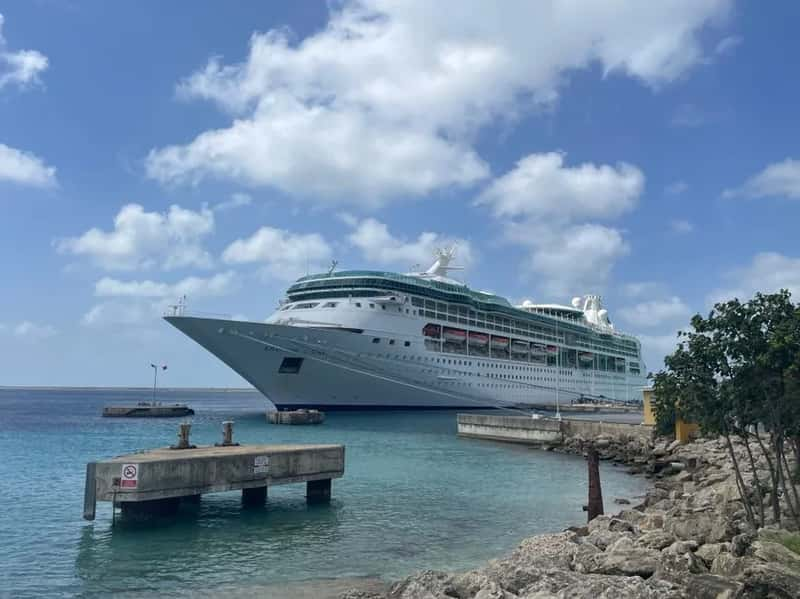
Cozumel is a cruise story, and the numbers are huge for an island of its size. The island received 4.73 million cruise passengers aboard 1,300 ships in 2025, slightly more than in 2024.[4] On April 17, 2025, an estimated 18,297 guests came ashore in a single day, with five ships in port.[5]
The record keeps getting reset. Cozumel welcomed 1,502,727 cruisers in the first three months of 2025, beating the roughly 1.4 million of the same period in 2019.[6] Eleven ships made their first calls there in 2025, including Star of the Seas, Allure of the Seas and MSC World America.[4]
Mahahual, Quintana Roo
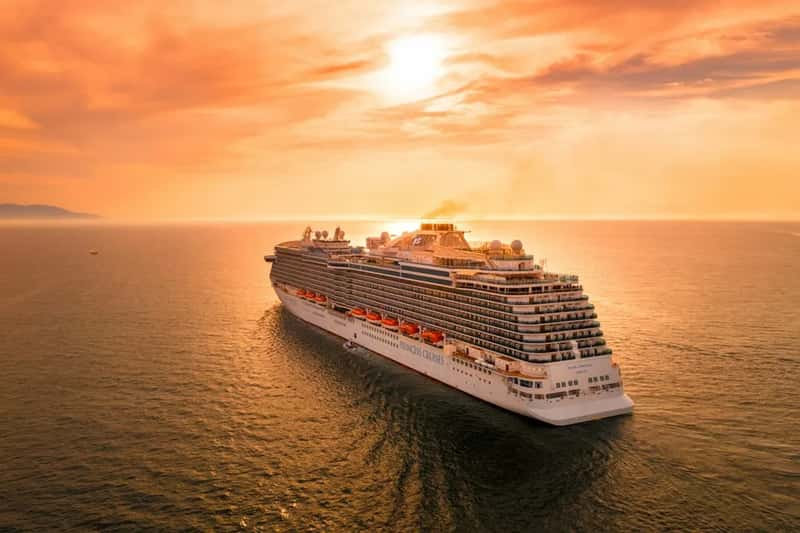
Mahahual is a small Costa Maya town that now handles cruise traffic on a scale far beyond its size. It recorded 2.4 million passengers aboard 571 cruise calls in 2025.[4] Between January and April 2025 alone it saw 932,834 cruise passengers, up about a tenth on the year before.[7]
More is on the way. Royal Caribbean announced a $600 million Perfect Day Mexico development, which aims to raise annual cruise passenger numbers in the region from 2 million to 5 million.[7] Whether the town’s roads, water and services can keep pace is a fair question, and the plans don’t answer it yet.
Cancún, Quintana Roo
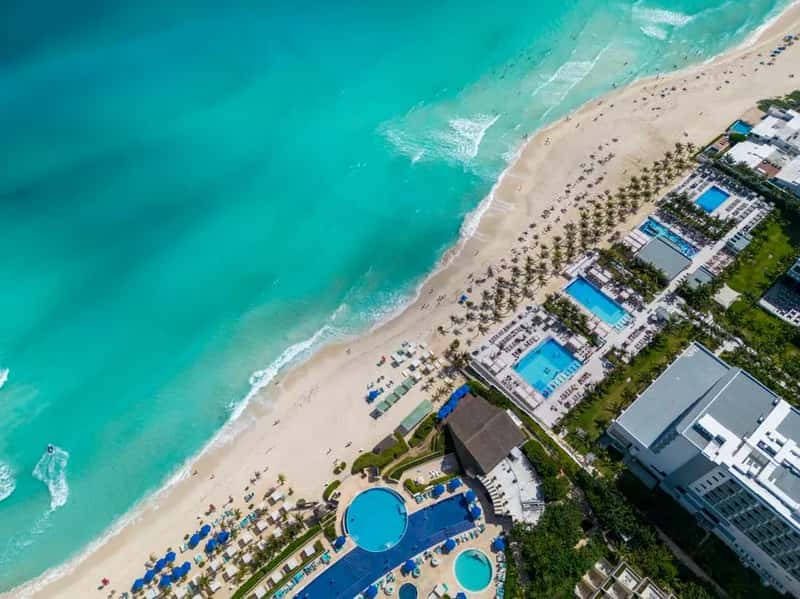
Cancún is the benchmark for Mexican mass tourism, and its hotel zone is the usual target of complaints. One Spanish language ranking of overtourism complaints puts Cancún and its hotel zone first, citing packed beaches, all inclusive resorts and pushy vendors.[8] That’s a travel opinion piece rather than hard data, but it echoes what many visitors report.
Occupancy suggests the pressure has eased a little this year. Cancún hotels ran at roughly three quarters full from January through July 2026, about two points below the previous year.[9] Even so, a destination at that level of occupancy is still moving a very large number of people through a narrow strip of coast.
Playa del Carmen, Quintana Roo
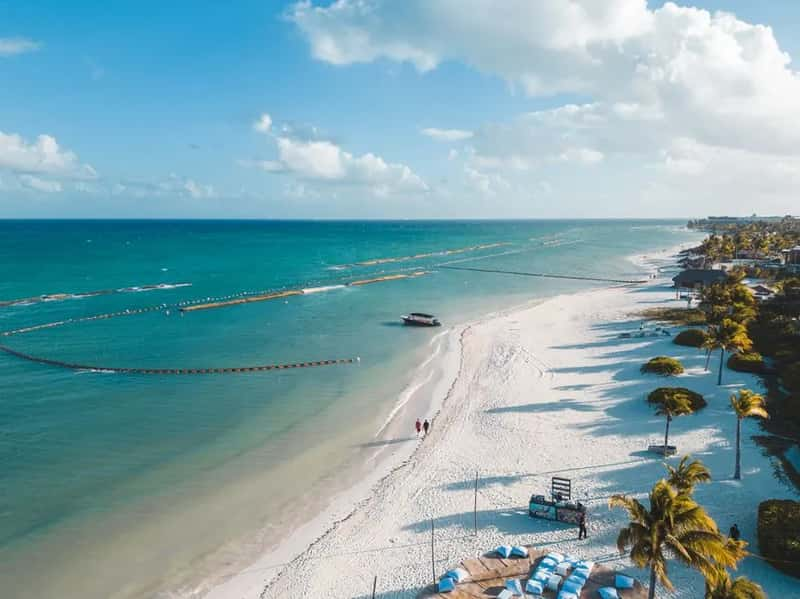
Playa del Carmen sits in the middle of the Riviera Maya, and Fifth Avenue is where the crowding is most obvious. Travel writers describe the avenue as saturated with visitors and insistent vendors, with seaweed on the beaches undercutting the Caribbean postcard.[8] The regional scale explains why. The Riviera Maya received 12.2 million tourists in 2024, including 9.7 million international visitors and 2.5 million domestic travelers.[3]
Demand has cooled slightly in 2026. Playa del Carmen hotel occupancy came in at about seven in ten rooms from January through July, a drop of roughly four and a half points.[9] The core problem remains, though. Plenty of visitors are still squeezed into a few walkable blocks.
Holbox, Quintana Roo
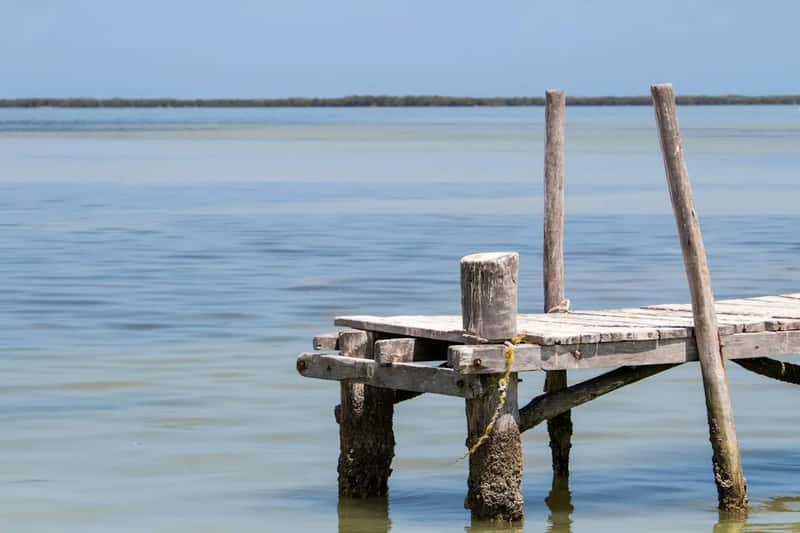
Holbox shows how fast a tiny place can tip. It’s home to about 1,900 people, and visitors can sometimes double the population.[10] That ratio puts steady pressure on water, waste and housing for a community that small.
The look of the island has changed too. Old cinderblock hotels have given way to chic, Tulum style properties, though one local guide says Holbox still keeps most of its charm.[10] Holbox is not the only small place heading this way, but it’s one of the clearest examples in Mexico.
Bacalar, Quintana Roo
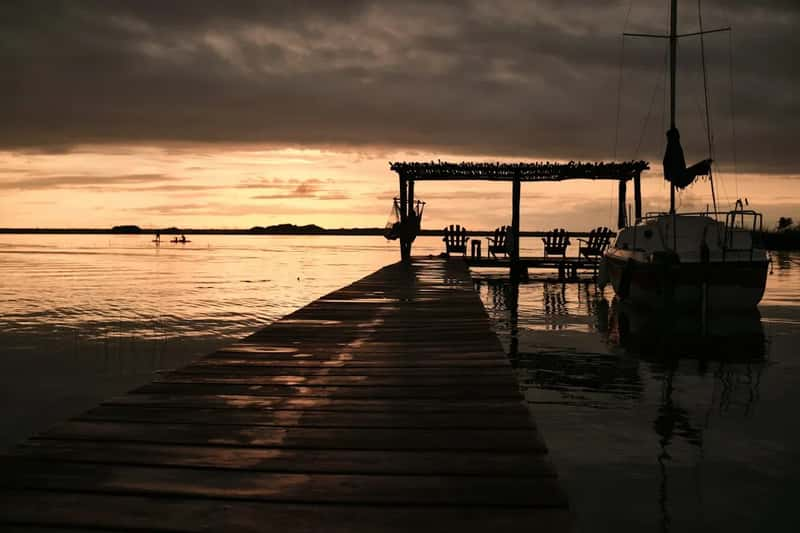
Bacalar, on the lagoon near the Belize border, is often pitched as the calmer alternative to Tulum. The town feels small but is home to over 12,000 people.[10] Over roughly the past seven years it has added boutique hotels, gourmet restaurants and artisan shops.[10]
It isn’t drowning yet. One estimate based on 2025 data puts Bacalar at about 150,000 annual visitors, compared with 1.3 million for Tulum.[11] The same source says local rules protect the lagoon’s stromatolites and keep infrastructure small.[11] Treat those figures as a rough guide, since they come from a secondary outlet rather than an official tourism count.
Isla Mujeres, Quintana Roo
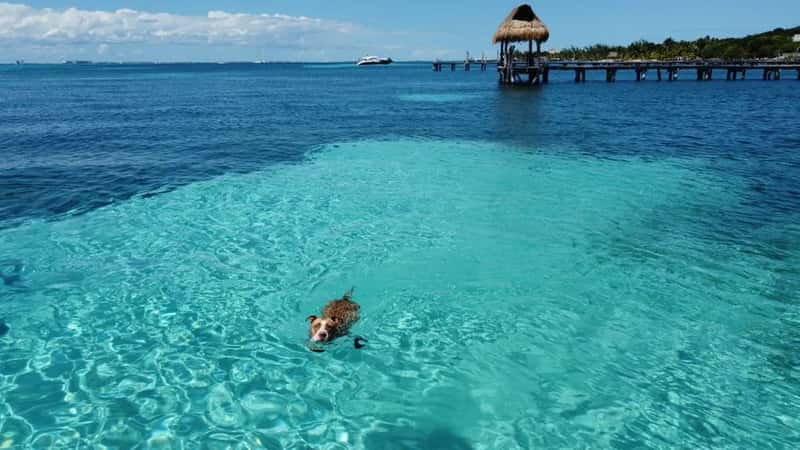
Isla Mujeres is a short ferry ride from Cancún, which makes it an easy day trip and an easy place to overload. It’s also one of the few Quintana Roo destinations bucking this year’s softer trend. Hotel occupancy there rose by about four points, to roughly seven in ten rooms, from January through July 2026.[9]
The same data shows how uneven the coast has become. Costa Mujeres, the newer resort zone nearby, saw occupancy fall by more than six points over the same months.[9] Visitors seem to be shifting between nearby spots rather than simply disappearing.
San Miguel de Allende, Guanajuato
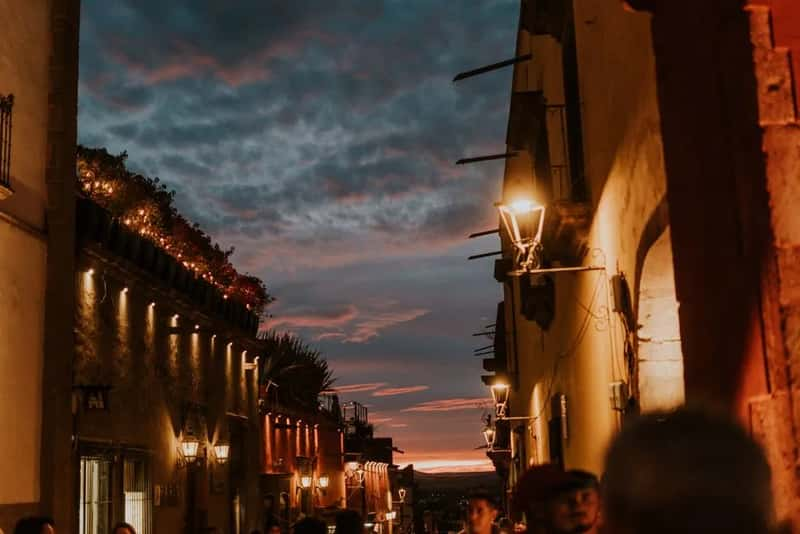
San Miguel de Allende is small, photogenic and very popular. In 2023 it recorded a historic high of 2,055,981 visitors, up from 1,864,771 in 2022.[12] Weekends and festival weeks are when the cobbled streets feel tightest.
Residents and researchers point to housing as the deeper issue. A study estimated that between 13,000 and 16,000 foreigners live in the city, around 30 percent of the residents of the historic center.[13] Readers surveyed by Mexico News Daily said growth is outpacing planning, raising worries about safety, traffic and public services.[12]
Oaxaca City, Oaxaca
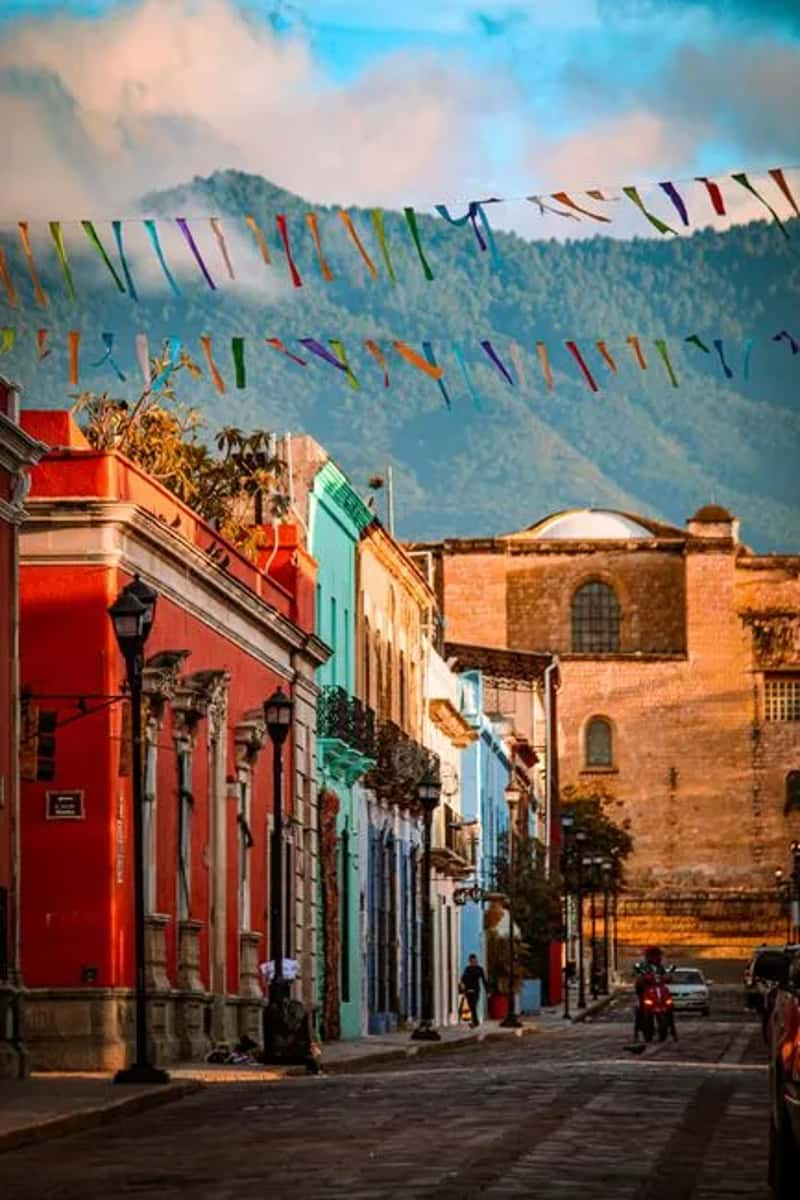
Oaxaca City earned a warning label before most Mexican destinations did. Fodor’s flagged it in 2024 under its Beginning to Suffer category.[14] That put the city among the early Mexican examples of a food and culture hotspot struggling with its own popularity.
Festival season brings the heaviest load. For Guelaguetza 2026, officials expected 149,000 tourists, projected occupancy of about 83 percent and a spend above 668 million pesos.[15] Those are projections rather than final tallies, but they show how concentrated the pressure can become in a few weeks.
Mexico City: Roma and Condesa
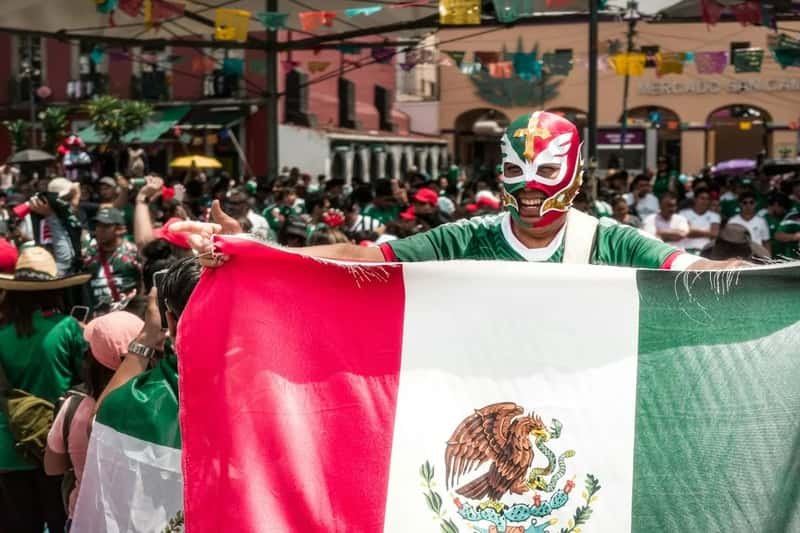
Mexico City isn’t a town, but two of its neighborhoods belong on this list because the backlash there became international news. Fodor’s put Mexico City on its 2026 No List, one of eight destinations it asked tourists to reconsider.[14] It didn’t cite security. It pointed to July protests over gentrification in La Condesa and Roma.[14]
The tension is about rent and short term lettings. Forbes reports that residents protested through the summer of 2025, saying rent hikes and weak rules on holiday rentals were pushing out long term residents.[16] Fodor’s said it wasn’t asking readers to boycott the places on its list, only to take a break from spots under pressure.[14]
Puerto Vallarta, Jalisco
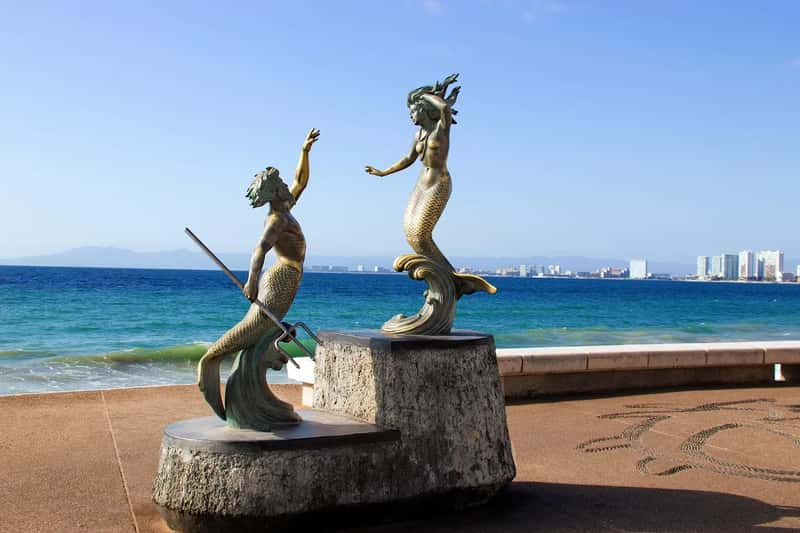
Puerto Vallarta mixes a busy cruise port with a packed seafront. Government data lists it among Mexico’s busiest cruise ports in the first half of 2025.[17] Travel writers also describe crowds along the Malecón and heavy vendor pressure in high season.[8]
Early 2026 was a weaker stretch for hotels. Occupancy from January through March fell by nearly ten points, from roughly four fifths to just under three quarters.[9] Violence, blockades and arson spread across several Mexican states on February 22 and 23, 2026.[18] The data doesn’t say why occupancy fell, so any link is a guess.
Sayulita, Nayarit
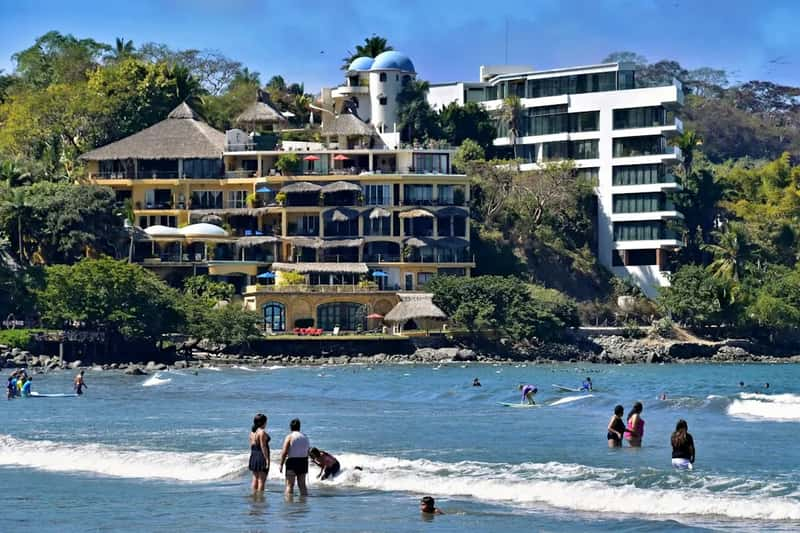
Sayulita is a surf town north of Puerto Vallarta, and it has a familiar problem. One Spanish language list recommends Sayulita and San Pancho as calmer alternatives to Vallarta’s hotel zone.[8] That’s usually how crowding spreads. A place gets labeled as the quiet option, and then everyone shows up.
Hard numbers for Sayulita are scarce, so the case here is mostly qualitative. It’s a compact town with limited streets, which means a rise in day trippers and weekend visitors is felt quickly. Anyone planning a visit would be wise to check current conditions rather than rely on its old reputation.
Cabo San Lucas, Baja California Sur
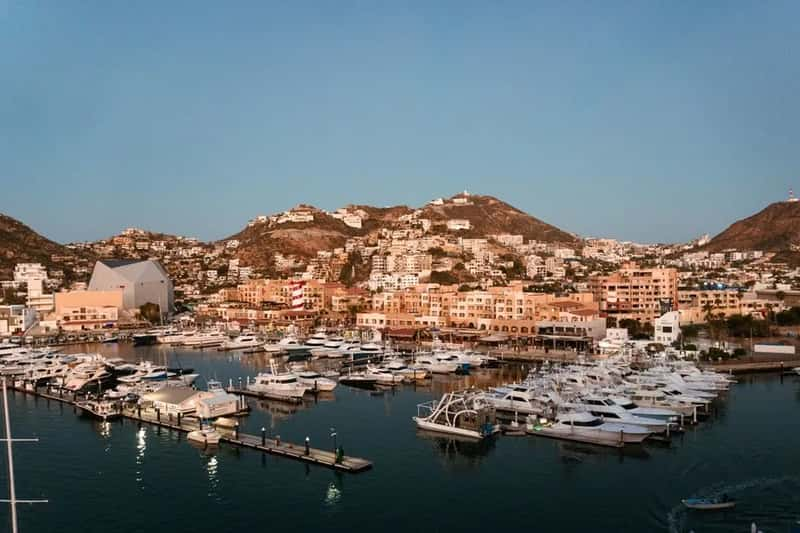
Cabo San Lucas is the busy end of the Los Cabos corridor. Los Cabos combines Cabo San Lucas and San José del Cabo into one luxury resort corridor.[19] Cabo San Lucas is also one of Mexico’s top cruise ports, according to government figures for early 2025.[17]
Hotels there run fuller than most. From January through March 2026, Cabo San Lucas occupancy was about four fifths, slipping by roughly a point and a half from a year earlier.[9] Los Cabos as a whole ran at roughly three quarters from January through July.[9] A harbor that handles both cruise ships and full hotels gets crowded fast.
Ensenada, Baja California

Ensenada is the Pacific coast’s cruise gateway. It ranked among Mexico’s busiest ports in early 2025, alongside Cozumel, Mahahual, Cabo San Lucas and Puerto Vallarta.[17] A modest waterfront town absorbs thousands of day visitors whenever a ship docks.
The national picture explains the pressure. Mexico welcomed 11.2 million cruise passengers on 3,156 ship arrivals in 2025, with passenger traffic up about an eighth over 2024.[4] Ports like Ensenada feel that growth in a very concentrated way, usually between morning and late afternoon.
San Juan Teotihuacán, State of Mexico
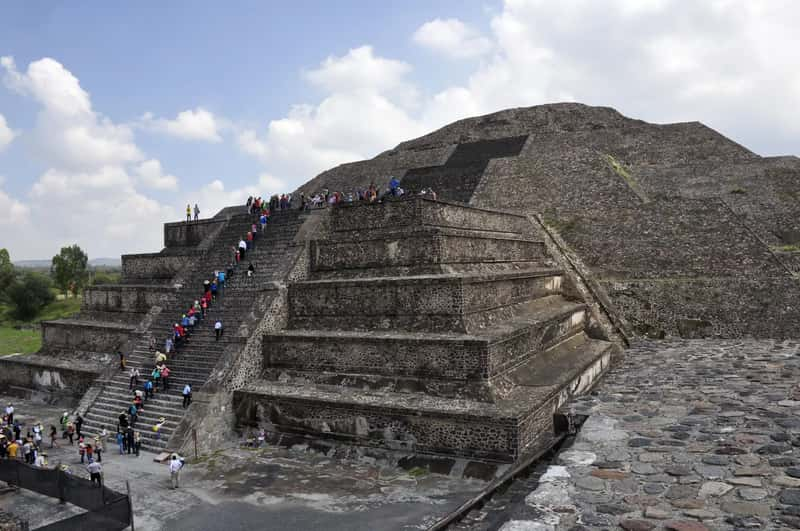
Teotihuacán is the rare major archaeological site where visitor numbers are rising. It kept second place in 2025 with a ten percent increase and more than 1.7 million visitors, the only top ten site to show recovery.[20] That’s a lot of foot traffic on open plazas with little shade.
It’s part of a bigger national pattern. Mexico’s archaeological zones received 7.4 million visitors during the first nine months of 2025.[21] The nearby town gets the spillover, from tour buses to parking lots and restaurant lines.
Acapulco, Guerrero
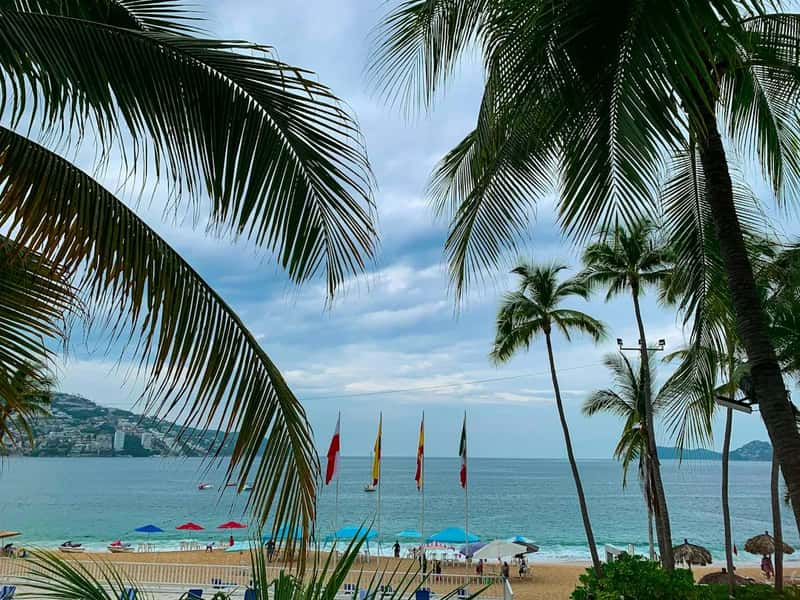
Acapulco belongs on the list for its seasonal surges rather than a long run of overtourism. The municipal government recorded 991,421 tourists during summer 2026, with occupancy of about two thirds and spending near eight billion pesos.[15] The same report listed higher occupancy than the year before.
This is a recovery story as much as a crowding one. The port was badly hit by Hurricane Otis in October 2023, so a strong summer is welcome news locally. Still, a full beach season in a city rebuilding its infrastructure can stretch services thin.
Chichén Itzá and Pisté, Yucatán
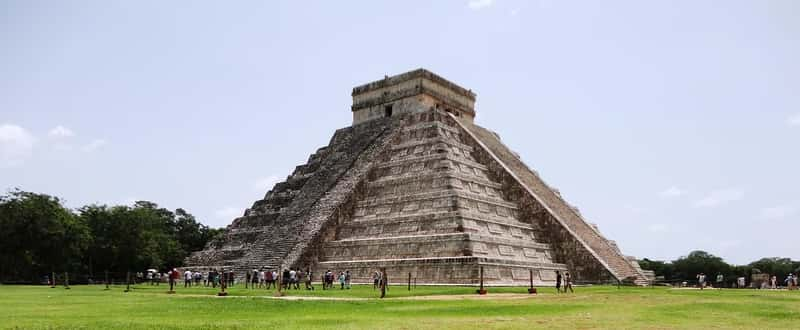
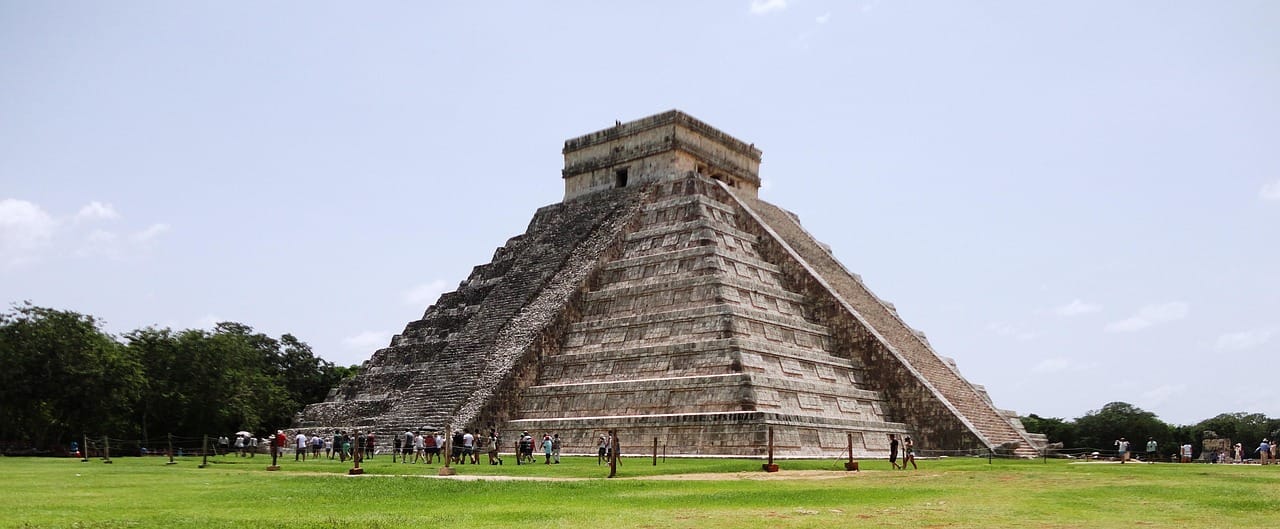
Chichén Itzá is one of Mexico’s great set piece sites, and the town of Pisté sits right beside it. Chichén Itzá, Teotihuacán and Tulum remained the three most visited archaeological sites in Mexico during 2025.[20] The site is also one of the New Seven Wonders of the World, which keeps it on nearly every Yucatán itinerary.
The crowds peak around midday, when tour groups from the coast and from Mérida arrive together. Pisté has limited space to absorb that surge, so the visitor day tends to be short and intense. Arriving at opening time is the simplest way to avoid the worst of it.