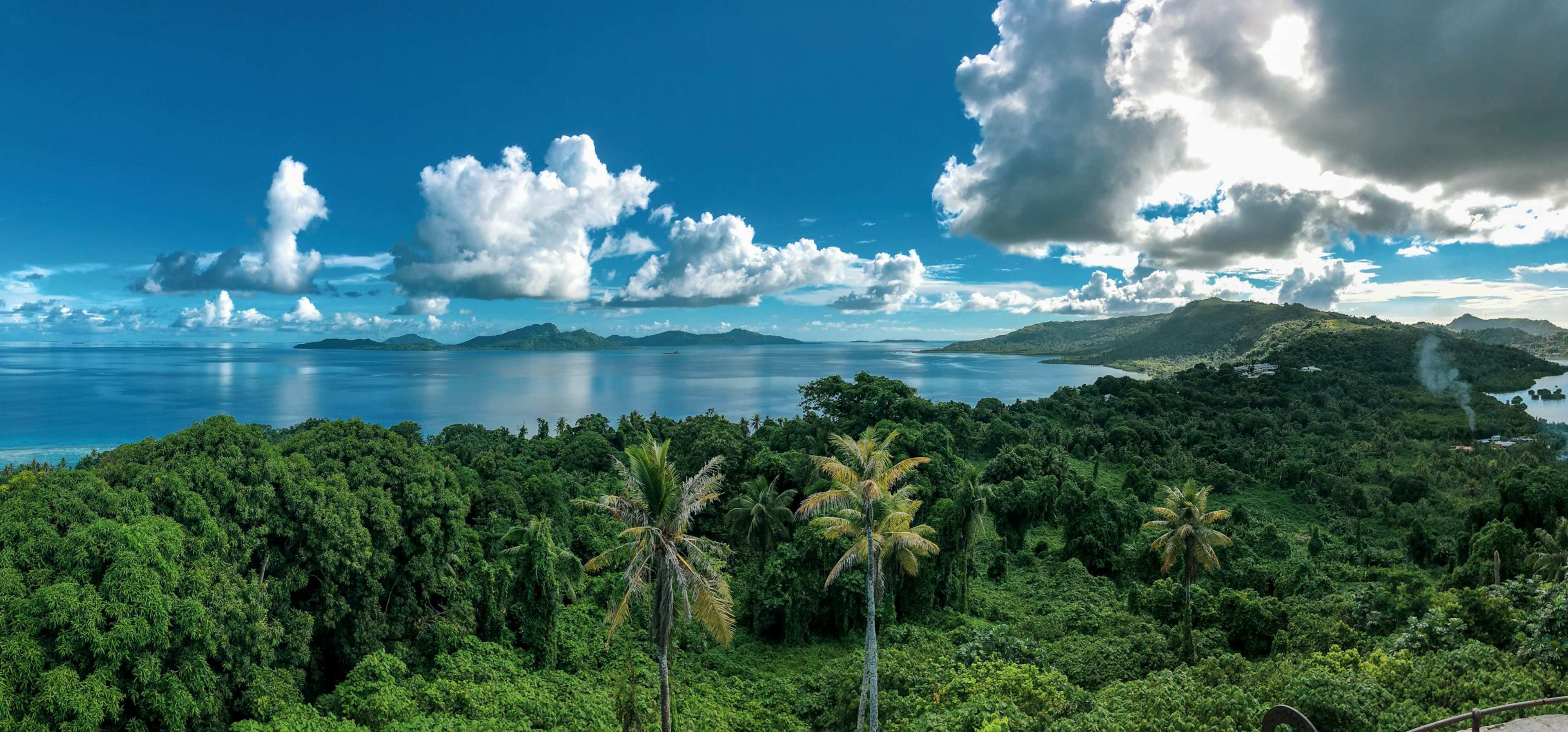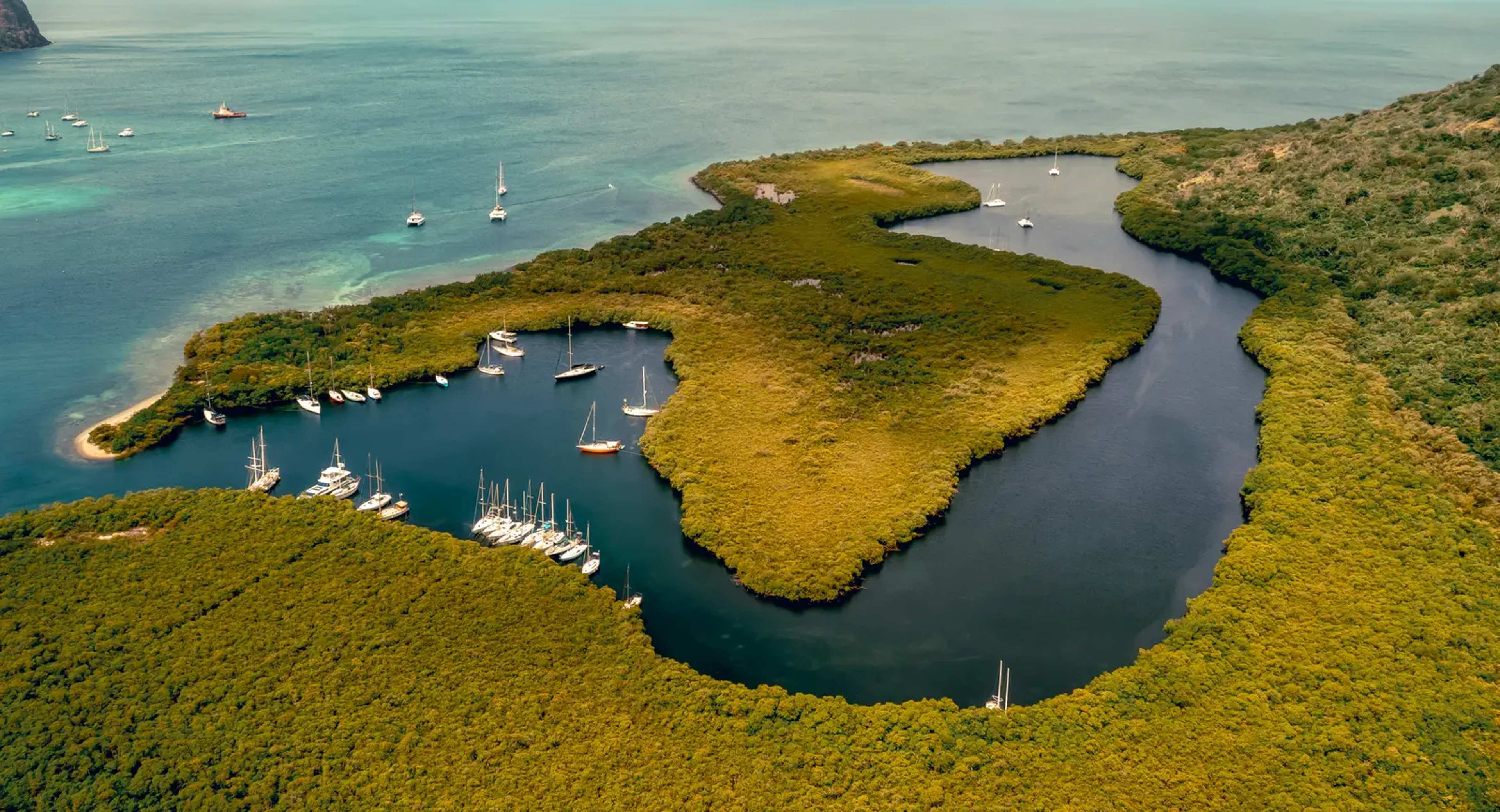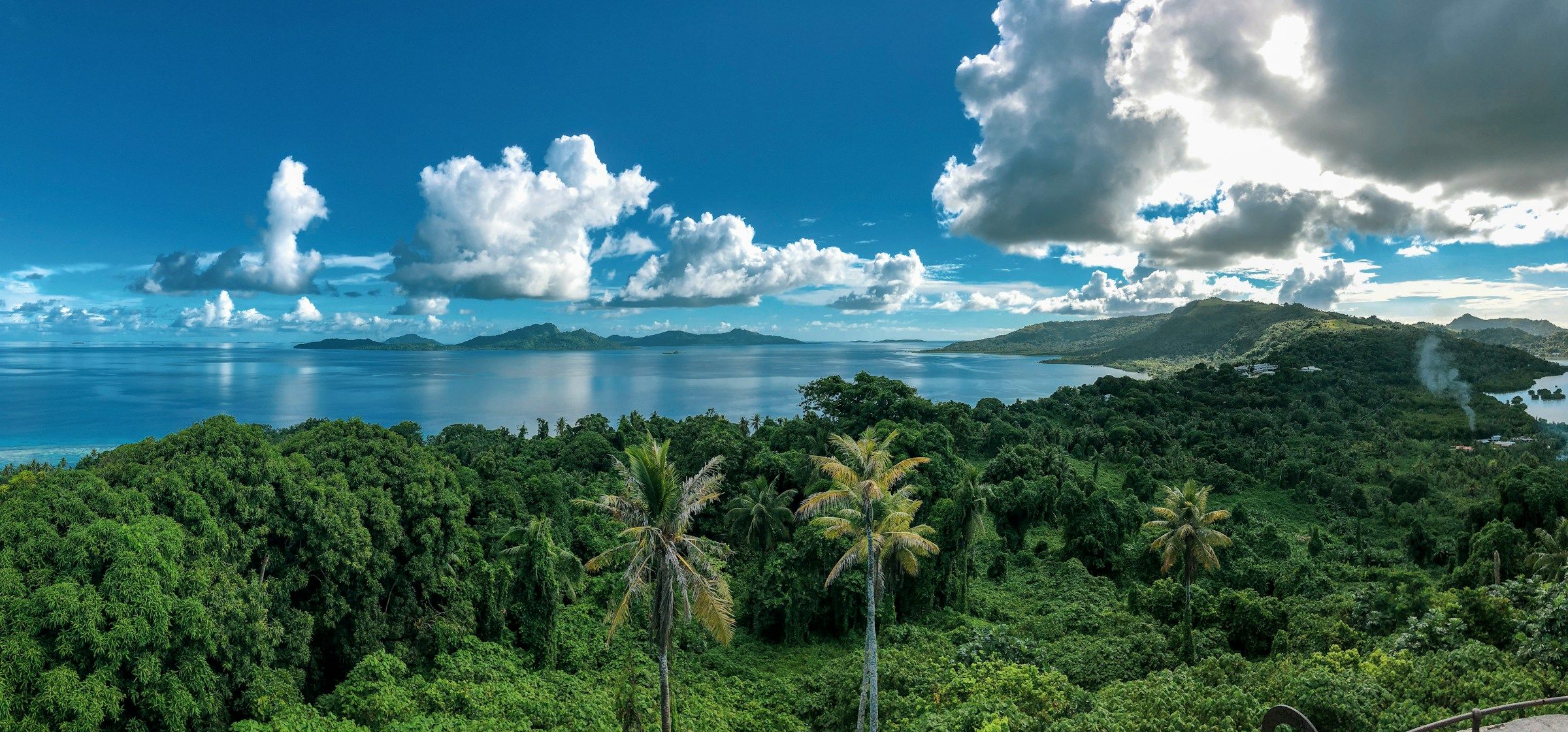
Some places on this list sit so close to the waterline that a single storm surge can send seawater across the whole island. Others are large, crowded, and nowhere near vanishing, but they could still lose homes, farmland, and coastline over the next few decades. The word “erase” covers a range of outcomes, from losing habitable land to losing a way of life.
The ten countries below are the ones researchers and international institutions return to most often when they discuss sea level rise. The evidence differs from place to place. Where scientists disagree or the picture is mixed, the sections say so.
Tuvalu: Planning for a Nation That Might Move Online

Tuvalu is one of the smallest countries on Earth, and its highest point is only about five metres above sea level, according to Vision of Humanity[1]. The country has responded with an unusual double strategy. Its Digital Nation project aims to preserve digitised cultural items, build a digital twin of its land, and move government services online so the state could keep functioning if people were forced to leave.[2]
Migration is already underway through a treaty with Australia. The Falepili Union has been in force since August 2024 and lets up to 280 Tuvaluans a year receive permanent residence in Australia.[3] ABC News reports that between roughly two thirds and four fifths of Tuvaluans applied in the first year, 2025.[4] Both governments say the visa is a mobility pathway, not one way migration, and that holders can return home.[4]
Kiribati: Thirty Three Atolls and Very Little Height
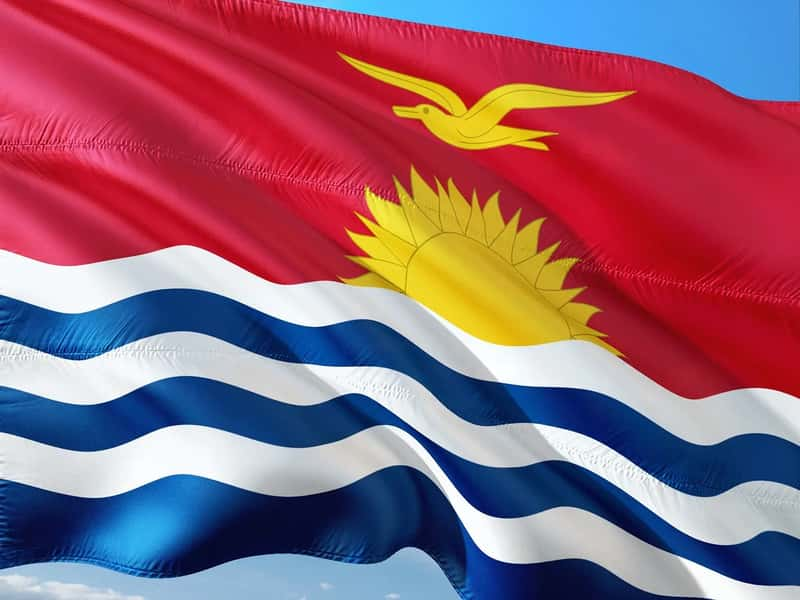
Kiribati is made up of 33 atolls and reef islands, with an average elevation of about two metres above sea level.[5] The World Bank has warned that a third of the population of Kiribati and Tuvalu is at risk of falling into extreme poverty from climate shocks such as coastal flooding.[6] Flooding is a growing concern even on its more remote islands. NASA analysis projects that Kiritimati could go from fewer than five high tide flood days a year to an average of about 65 in the 2050s.[7]
The cost of protecting the country is large for a small economy. The World Bank estimated that physical adaptation for up to half a metre of sea level rise would cost about 3.7 billion US dollars for Kiribati.[6] Legal routes abroad exist, though they’re narrow. In 2025 to 2026, New Zealand’s quota for Kiribati is just 75 places, compared with 1,650 for Samoa.[8]
Marshall Islands: Raising the Ground Itself
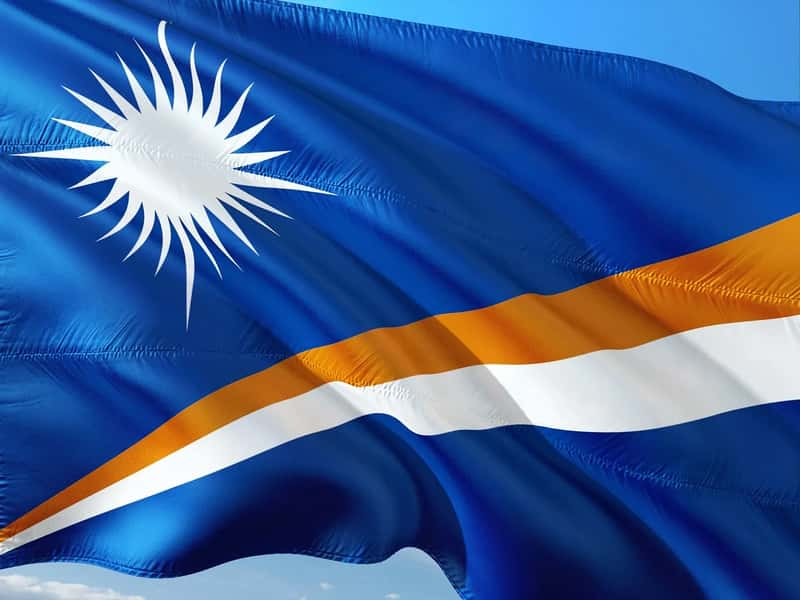
The Marshall Islands face what the World Bank describes as a stark adaptation bill. Its estimate for the country is about 5 billion US dollars to handle a sea level rise of up to half a metre, covering seawalls, house raising, and inland relocation.[6] That figure is the largest of the three Pacific atoll nations the bank studied.
Timing matters too. The bank said half a metre of rise could arrive as soon as 2050 in a worst case scenario, or more likely by 2070.[6] Residents of these atoll nations live at no more than two to three metres above sea level.[6] Raising land, rather than abandoning it, is one of the options the country’s leaders have discussed publicly.
Maldives: The Lowest Country on Earth
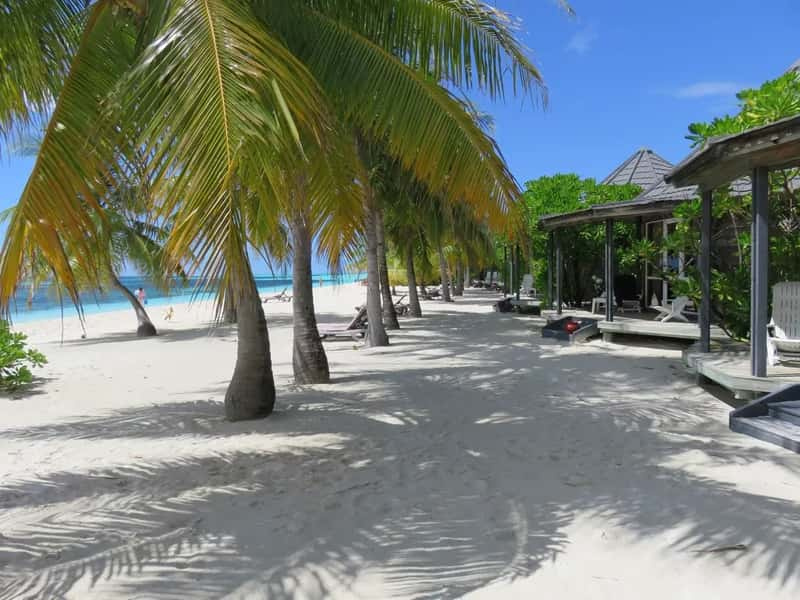
NASA notes that more than eighty percent of the Maldives’ roughly 1,190 coral islands stand less than one metre above sea level, giving it the lowest terrain of any country.[9] Measured sea level rise near the islands averaged just under 4 millimetres a year between 1992 and 2015.[10] The World Bank’s 2024 country report warns of 0.5 to 0.9 metres of rise by 2100, and coastal flooding losses of up to 11 percent of GDP by 2050 under high emissions.[11]
The picture isn’t entirely one of loss. Some evidence shows that many Maldivian islands have actually grown in land area, though the oceans are still rising.[12] The country is also building upward. A new island, made by pumping seafloor sand onto a coral platform, stands about two metres above sea level, roughly twice as high as Malé.[9] Flooding remains a live problem, since a swell event combined with a high tide flooded 20 islands in July 2022.[13]
Bangladesh: A Giant Delta Under Pressure
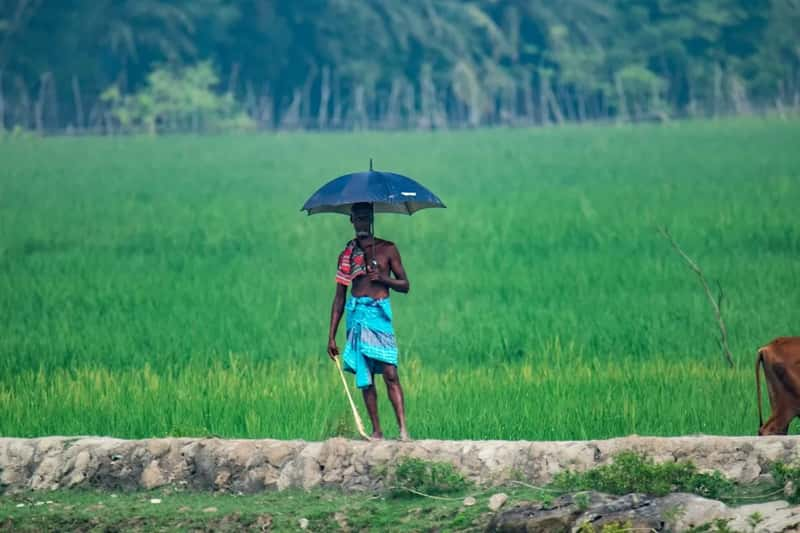
Bangladesh doesn’t belong on this list for the same reason as the atoll nations. It will not vanish, yet its scale makes the stakes enormous. The EU Agency for Asylum notes that two thirds of the country is less than five metres above sea level, and that about 28 percent of its people live along the coast.[14]
Estimates for future losses vary by source. Some studies suggest Bangladesh could lose around 11 percent of its land by 2050 with half a metre of sea level rise, affecting about 15 million people.[14] The present is already hard enough. In August 2024, flash floods and heavy monsoon rains caused what authorities called the worst climate disaster in recent times, affecting almost six million people.[14]
Solomon Islands: Islands That Have Already Gone
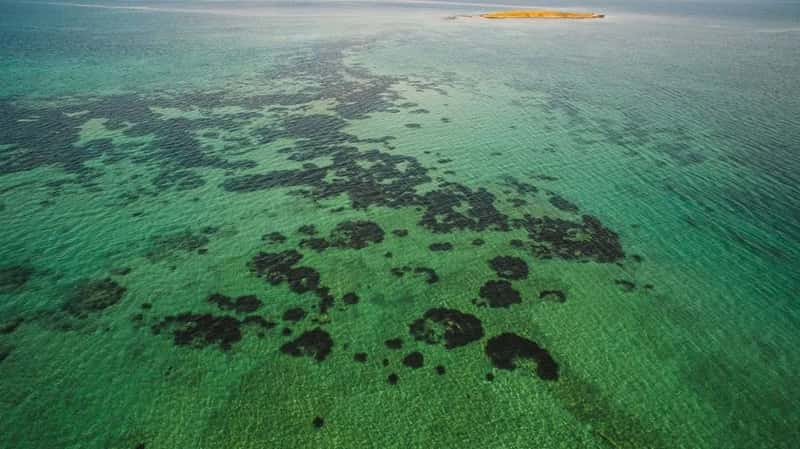
This is the section where the word “erase” has a documented precedent. A 2016 study in Environmental Research Letters, led by Simon Albert and colleagues, found that five reef islands in the Solomon Islands had vanished and six more had been severely eroded. Sea level in the region had been rising much faster than the global average, at several millimetres a year over the study period.
The researchers pointed to a combination of rising seas and wave energy rather than sea level alone. Communities on the affected islands lost homes and relocated to larger, higher ground nearby. The case matters because it shows what the process looks like on the ground: slow erosion, then a point where a place can no longer be lived on.
Vanuatu: A Small Country With a Big Legal Win
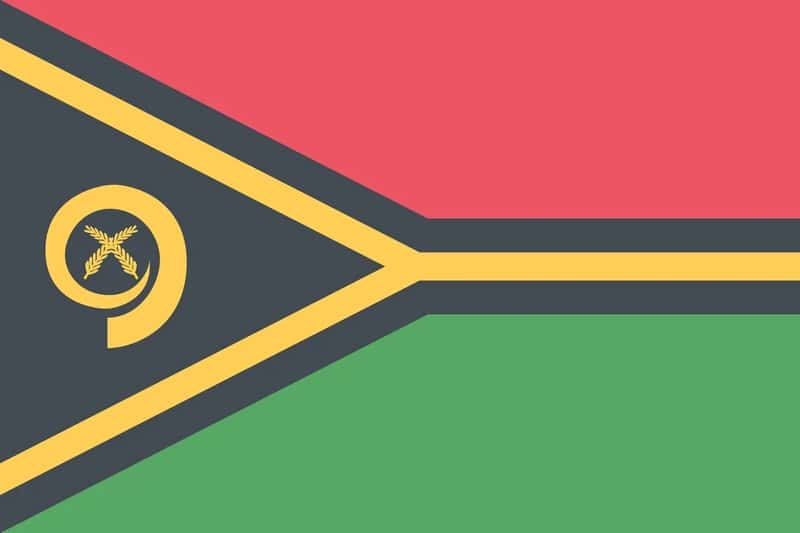
Vanuatu is an archipelago of roughly 80 islands, and it sits in one of the most cyclone prone parts of the Pacific. Cyclone Pam struck in March 2015, and in March 2023 the country was hit by Cyclones Judy and Kevin within days of each other. Storms like these damage the same coastal infrastructure that rising seas already strain.
The country has also pushed climate change into the courtroom. Vanuatu led the diplomatic campaign that sent the question to the International Court of Justice, which delivered an advisory opinion in July 2025. The court found that states have legal obligations to protect the climate system, an outcome small island governments had pursued for years.
Fiji: Moving Villages Inland
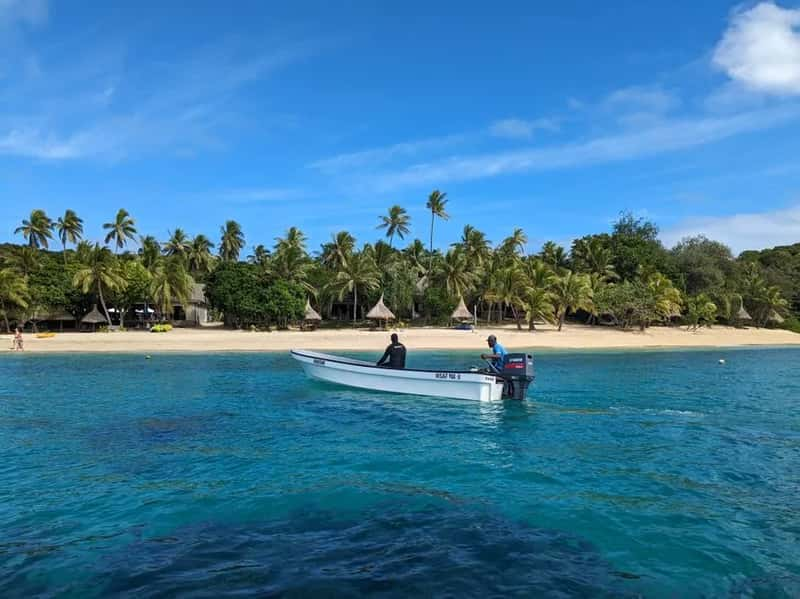
Fiji is a larger, higher country than most on this list, and most of its land is not at risk of disappearing. Its coastal communities are another matter. The government has identified dozens of villages that may need to relocate, and Vunidogoloa became one of the first to move to higher ground in 2014.
Cyclone Winston in February 2016 showed what the stakes look like. It killed dozens of people and wiped out homes across the islands. Fiji has since created a trust fund to support planned relocation, a rare example of a government treating moving villages as routine policy rather than an emergency.
Nauru: A Ring of Land Around a Mined Core
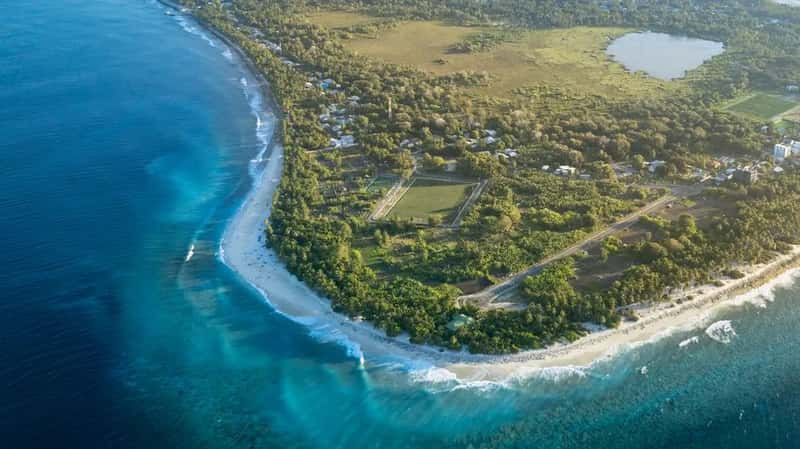
Nauru covers only about 21 square kilometres, making it the smallest island nation in the world. Decades of phosphate mining stripped much of the interior, so most of the roughly twelve thousand residents live on a narrow coastal strip. That puts nearly everyone in the places most exposed to storm surges and rising water.
The government has responded with what it calls the Higher Ground Initiative, aimed at moving people and infrastructure toward the island’s interior. It’s an unusual approach, since it means rehabilitating land that mining already damaged. Nauru also depends on rainwater and imported supplies, which makes drought and storm damage hard to absorb.
Federated States of Micronesia: Hundreds of Islands, Thin Margins
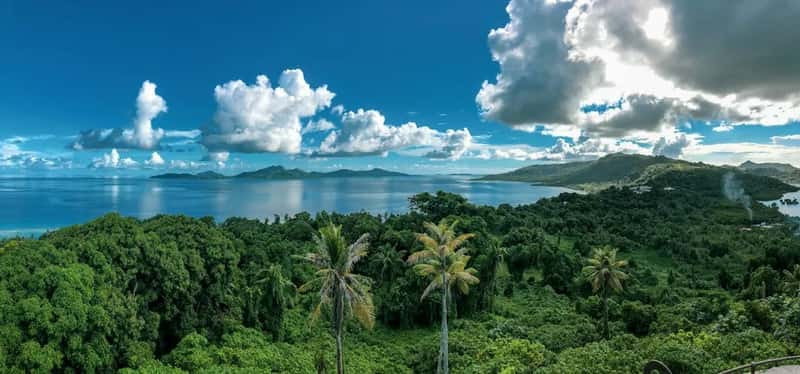
The Federated States of Micronesia stretches across the western Pacific and includes more than 600 islands, many of them small atolls. The western tropical Pacific is one of the regions where sea level has risen faster than the global average. Saltwater intrusion into freshwater supplies and crop land is a persistent worry for outer island communities.
Distance adds to the difficulty. Islands are spread across a huge area of ocean, so seawalls, water systems, and emergency aid are expensive to deliver. The country relies heavily on international partners for funding and disaster response, which is the same pressure facing the other Pacific atoll nations on this list.
What the Global Numbers Say
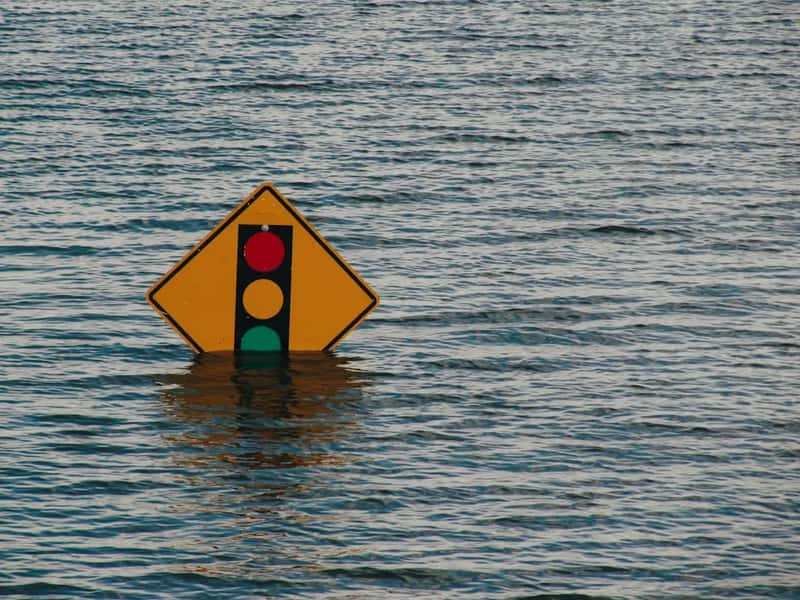
NASA reports that global sea level is rising 3 to 4 millimetres a year, with the rate expected to increase in coming decades.[9] The Intergovernmental Panel on Climate Change anticipates about half a metre of rise by 2100 if emissions are sharply reduced, and up to a metre if they continue to climb strongly.[9]
The ten countries above face that range in different ways. Atoll nations such as Tuvalu, Kiribati, and the Marshall Islands have the least elevation to spare. Bangladesh, Fiji, and Vanuatu face heavy losses without disappearing, and the Solomon Islands show that vanished islands are no longer a hypothetical.