Ask ten travelers where to find the best meal on a curb and you’ll get ten different answers. Rankings don’t settle it either, because each one counts something different. Some tally votes from locals, others count vendors and star ratings.
This tour leans on the 2026 rankings and studies, and it says which method each one used. The first ten stops are places that earn the title. The last five are famous food corners where the reviews suggest you may leave hungry, or at least a little poorer.
Ho Chi Minh City, Vietnam
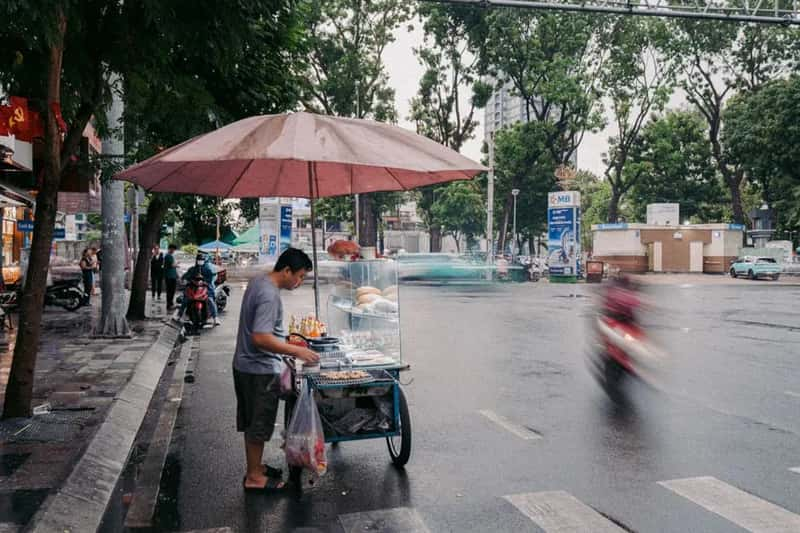
Time Out’s 2026 street food list, based on what 24,000 locals said, puts Ho Chi Minh City at the top.[1] That’s a vote from people who eat there every week, not a tally of tourist reviews.
The city isn’t only about plastic stools and sidewalk grills. It also has six Michelin starred restaurants, including Ănăn Saigon, which turns street snacks into fine dining.[1] The two sides of its food scene seem to feed each other.
Kuala Lumpur, Malaysia
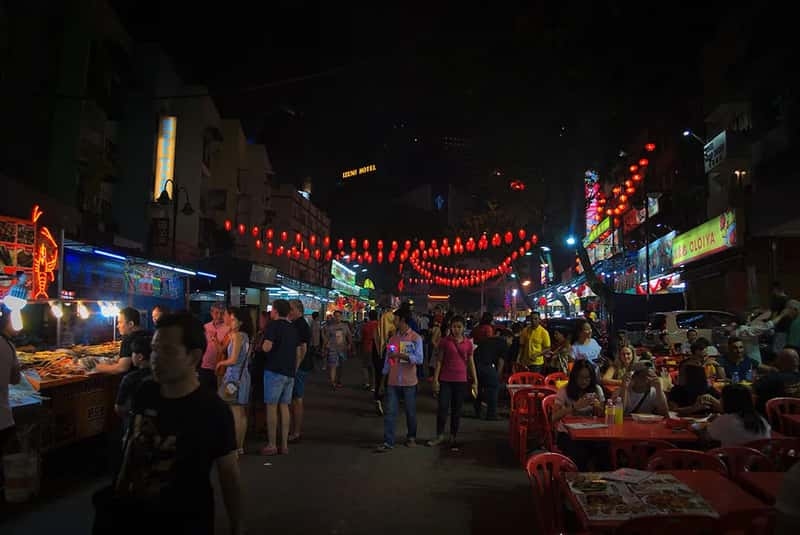
Kuala Lumpur comes in just behind on 62 percent, with the after dark stalls of Jalan Alor turning a whole street into an open air canteen.[1] That works out to roughly three in five of the locals surveyed.
The setup is simple. You walk down the street, pick a stall that’s busy, and sit wherever there’s a free plastic chair. Go hungry and go late, since the street is built for evenings.
Jakarta, Indonesia
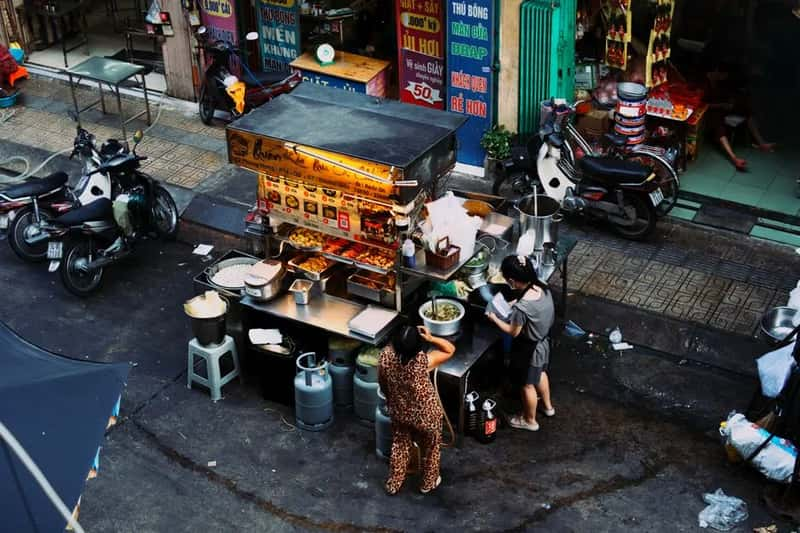
Jakarta’s food scene runs on the roadside warung. These casual stalls are where locals eat mountain high plates of spicy nasi goreng and peanut drenched gado-gado.[1]
It’s a less polished experience than some of the other cities here, and that’s part of the appeal. The warung is an everyday stop, so you’d be eating alongside regulars rather than a tour group.
Mexico City, Mexico
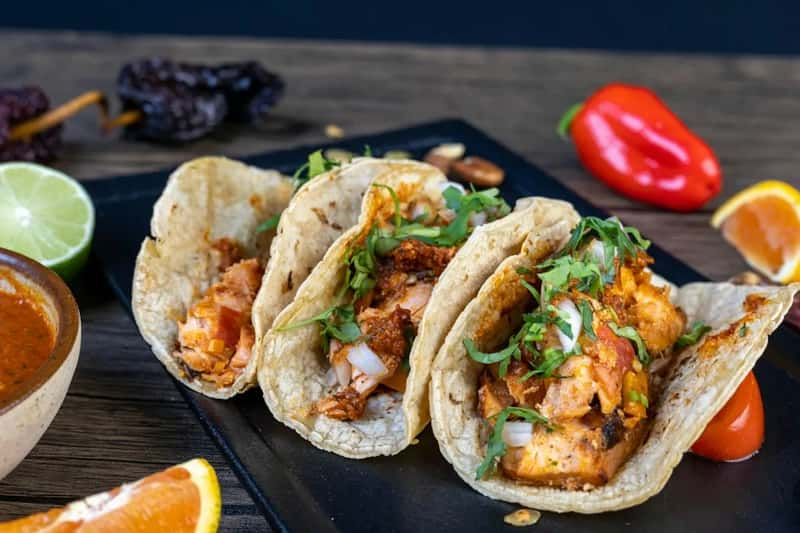
Tacos are the obvious answer here, and the data backs it up. Back in November 2024, Time Out declared tacos the world’s most popular street food and published a full ranking.[2]
The classic is tacos al pastor. A good one is sliced straight off the trompo by a street vendor, and it’s counted among the country’s great culinary exports.[1] Watching the vendor carve the meat is half of the experience.
Mumbai, India
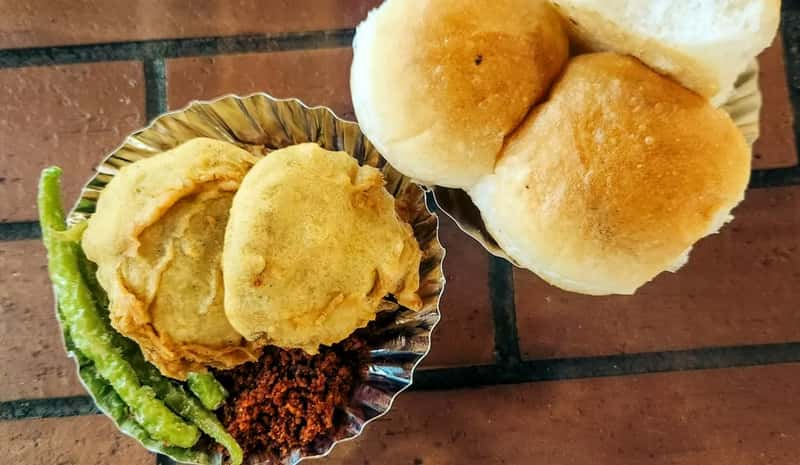
Mumbai has street food that’s famous across India. It ranked tenth in Time Out’s World’s Best Street Food Cities 2026 list.[3] Vada pav is noted as its most popular street food.[3]
Streets with a sizable cluster of food stalls are called Khau Galli, which means Food Alley in Marathi.[3] Some people avoid street food over hygiene worries, yet the wider public, whatever their class, enjoys it.[3] If you’re cautious, pick the busiest stall, where food turns over quickly.
Bangkok, Thailand
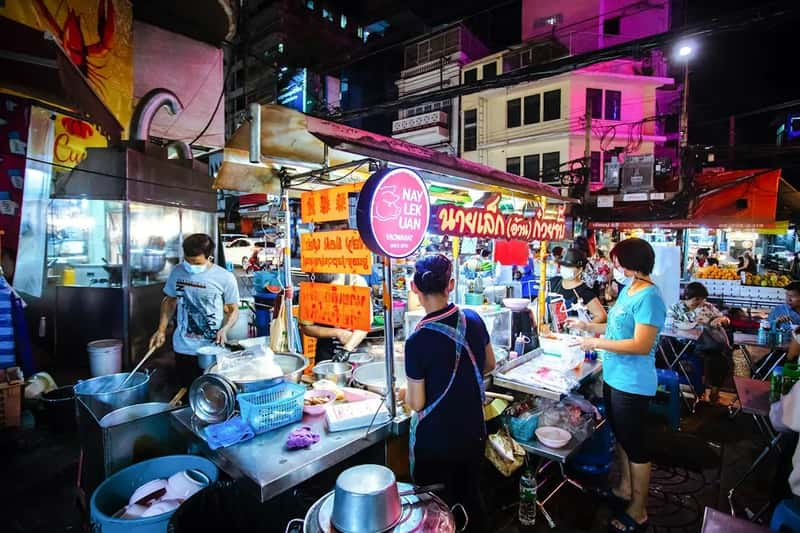
Few cities have been recognized as formally as Bangkok. It’s one of the few places where the Michelin Guide recognizes street food.[4] Only Jay Fai has held a star in that world.[5]
Her charcoal cooked crab omelette is the famous dish. Bib Gourmand, the other Michelin tier, marks good food at modest prices, generally a meal under roughly 1,000 baht in Bangkok.[5] One 2026 guide contrasts a 60 baht Bib Gourmand plate of chicken rice with a 1,200 baht starred omelette.[5] The difference in price is big, and so is the difference in the wait.
Singapore
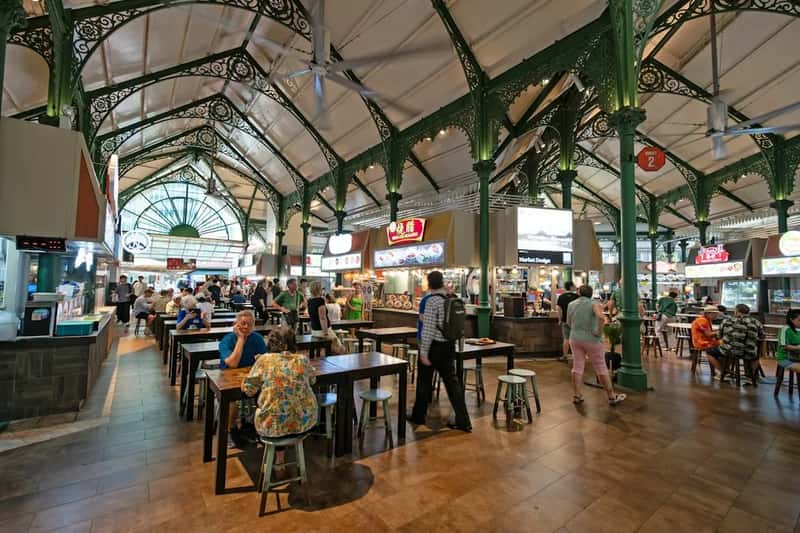
Singapore moved its street vendors into hawker centres decades ago. Today there are over 100 of them, with over 6000 food stalls inside.[6] Hawker culture was inscribed on UNESCO’s Representative List of the Intangible Cultural Heritage of Humanity on 16 December 2020.[7]
The food can be remarkable. Several hawker eateries have won a Michelin star, including Hawker Chan in Chinatown and Hill Street Tai Hwa Pork Noodles.[8] The future is less certain. In 2025 the government announced up to S$1 billion over 20 to 30 years for a hawker centre upgrading programme and five new centres.[9] Meanwhile, of 566 people who completed the Hawkers’ Development Programme, only 16 stalls were still operating as of 2025.[10]
Paris, France
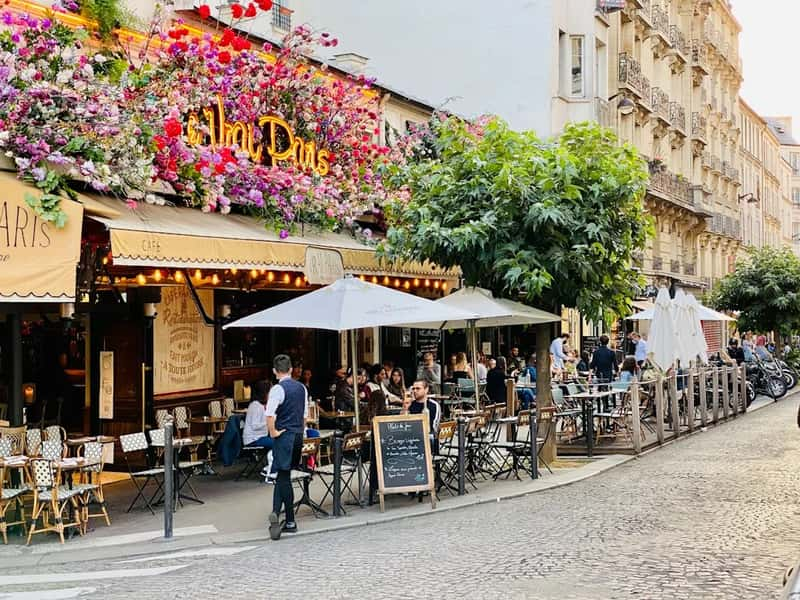
Paris isn’t the first place many people think of for street food. Yet a study by Radical Storage put it first, after looking at 6,897 vendors in the 100 most visited cities worldwide.[11] The study counted food stalls and trucks, plus sit in restaurants that serve classic street food bites.[11]
Paris has 3.82 street food vendors per square kilometre.[11] Forbes reported more than 400 vendors, with almost seventy percent rated four stars or higher.[12] The method rewards density and ratings, so it measures something different from a local vote.
Athens, Greece
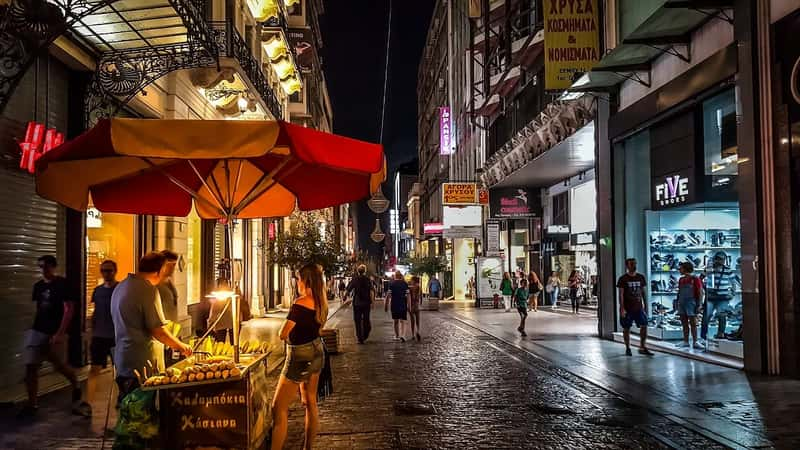
Athens came second in the same Radical Storage analysis. It scored 6.9 out of 10, helped by 29 cuisines on offer.[11] The study put two other Greek places in its top ten as well, Thessaloniki in third and Rhodes in sixth.
Rhodes had the best rated street food, with 82 percent of its vendors at four stars and up.[11] In Thessaloniki, about 77 percent of street food options were budget friendly.[11] Greece looks strong on both quality and price.
Osaka, Japan
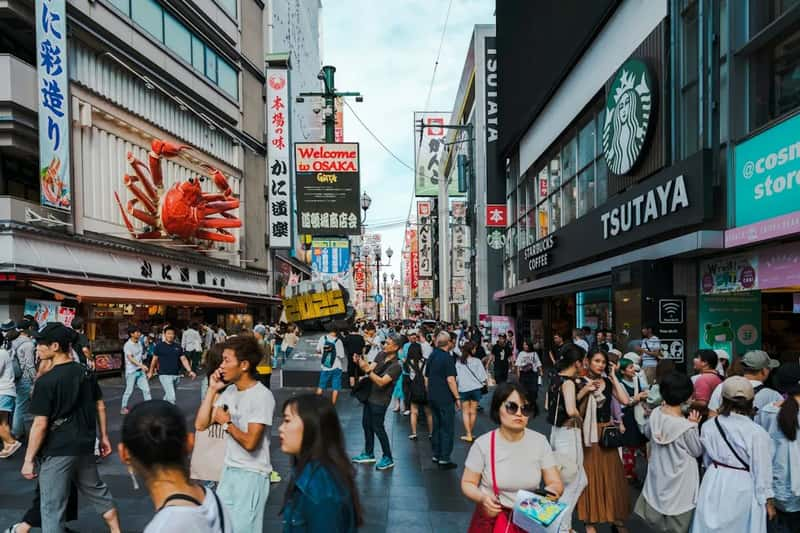
Time Out calls Osaka Japan’s street food capital.[13] In 2026 it ranked 39th on Time Out’s Best Cities list for the first time, ahead of Chicago, Vienna and Lisbon.[13]
Dotonbori is the neighborhood where the city’s food crowds gather, and takoyaki, the octopus filled batter balls, is the dish most closely linked to Osaka. Eat them hot, since the first bite is where they’re best. The list also ranked Tokyo tenth, so Japan has strong food cities at the top and in the middle.
Letdown One: Fisherman’s Wharf, San Francisco
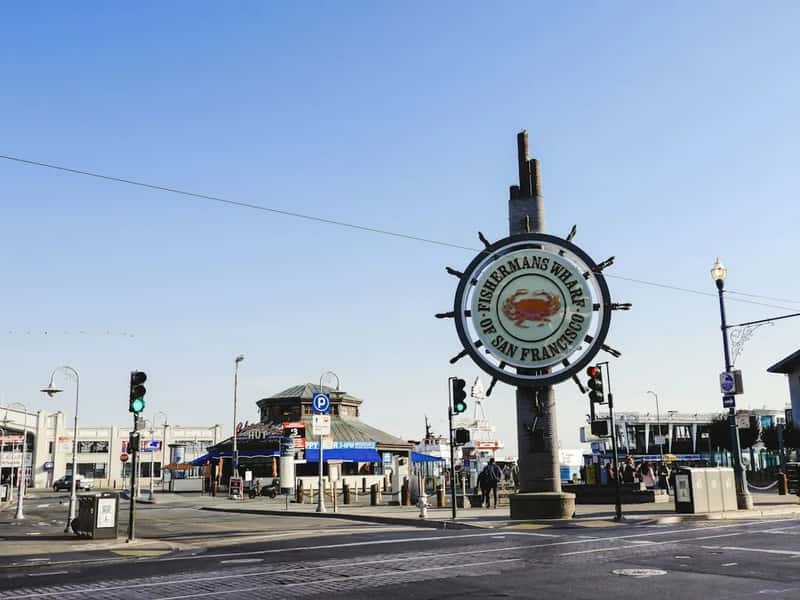
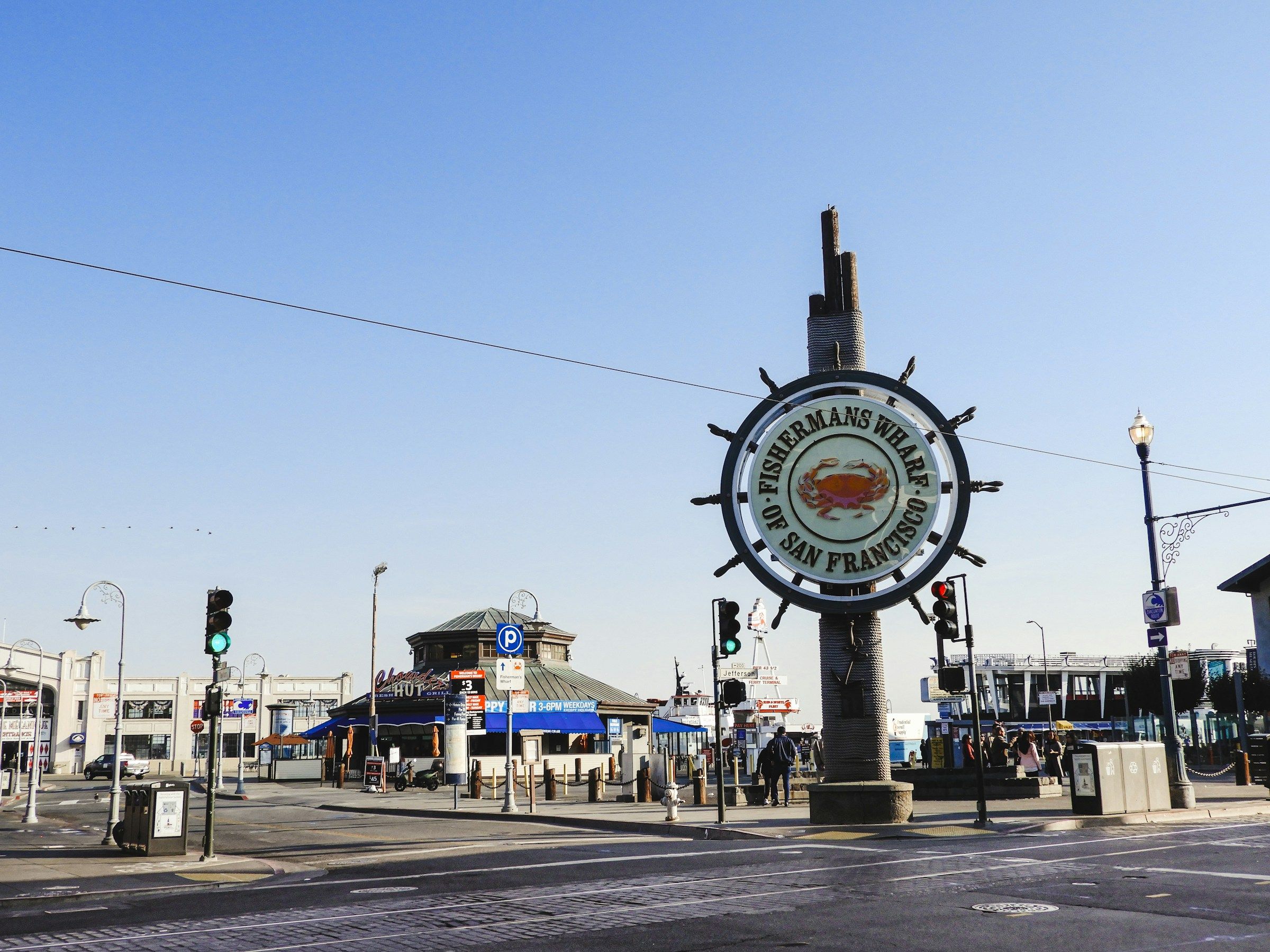
One analysis tracked how often reviewers used the phrase tourist trap to find which destinations disappointed most in 2025.[14] Wall Drug in South Dakota and Fisherman’s Wharf tied for first place.[14]
Many visitors found the food expensive and bland, with seafood that tastes like it came from a freezer.[14] Another list notes the sheer volume of mediocre restaurants and overpriced trinket shops.[15] The waterfront is still worth a visit, but maybe not for dinner.
Letdown Two: Times Square, New York
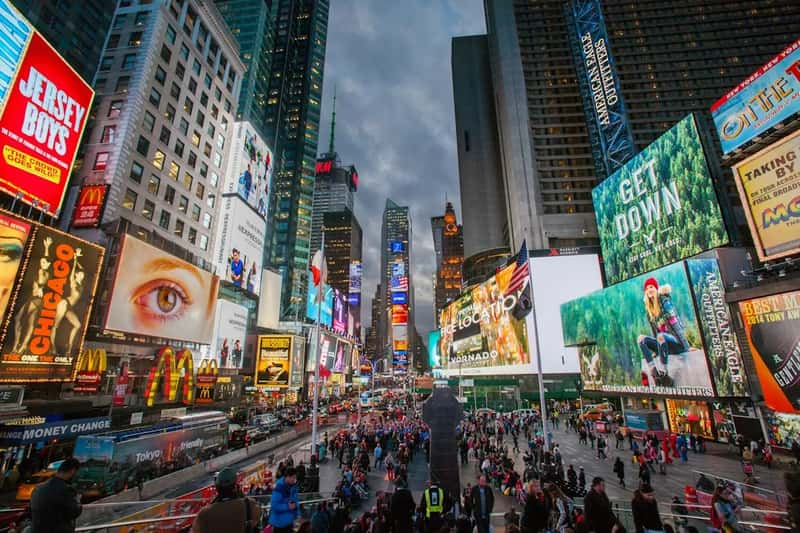
Times Square is one of the best known corners in the world. It sits at the intersection of Seventh Avenue, 42nd Street and Broadway, where the New Year’s Eve Ball has dropped since 1907.[15] That fame doesn’t help the plate.
One ranked list of tourist traps says chain restaurants there charge astronomical prices for food you could get at a mall.[16] That’s one writer’s verdict, not a survey. Still, it matches the common advice to eat a few blocks away from the neon.
Letdown Three: Faneuil Hall Marketplace, Boston
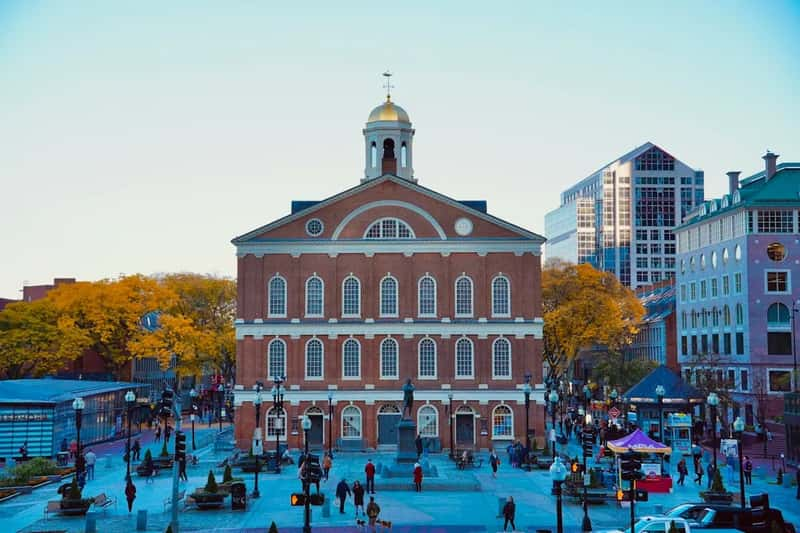
Faneuil Hall looks like a food market, and in a sense it is. One review list says the Quincy Market section charges high prices for mediocre fare, and the same meal costs half as much a few blocks away.[16]
The same list says summer crowds from street performers make moving through the marketplace feel like a contact sport.[16] If you want a snack here, expect to share space with a lot of other people. For a proper meal, look elsewhere.
Letdown Four: Pat’s and Geno’s, Philadelphia
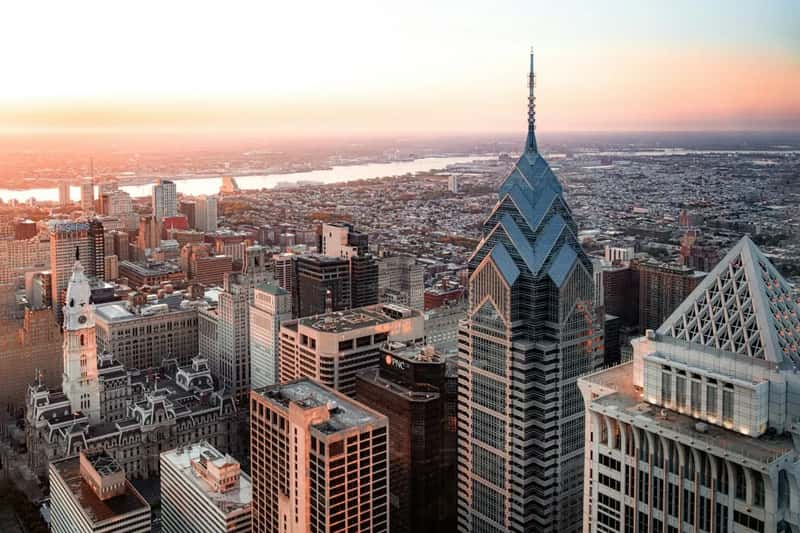
The cheesesteak corner in South Philly is a rite of passage for visitors. Pat’s King of Steaks was founded in 1930 by Pat Olivieri and is still family run, and he is said to have invented the sandwich.[15] Queues often snake out the door.[15]
Reputation is the issue. Online reviewers use words like overrated, underwhelming and overpriced about Pat’s.[15] Geno’s bright neon corner pulls in first timers eager for photos, while service and quality are frequent debate points.[17] Many locals have their own favorite elsewhere in the city.
Letdown Five: Bourbon Street, New Orleans
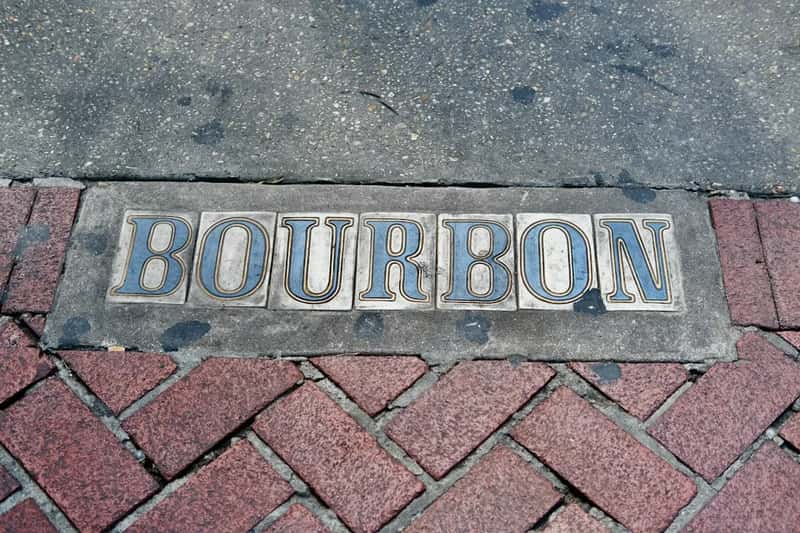
Bourbon Street is more of a nightlife strip than a food stop, but it draws a lot of hungry visitors. One ranked list says it promises authentic jazz and Southern charm but delivers overpriced drinks and tourist targeted scams.[16] That’s a harsh verdict, and some visitors would disagree.
If you’re deciding where to eat, a few habits help. Look for candid reviews on forums or Google Maps that use the phrase tourist trap, and walk a few blocks from major landmarks for more authentic, affordable food.[14]