
The world’s population is now projected at about 8.3 billion people. The UN projection for 1 July 2026 puts the world total at 8.30 billion.[1] The ten largest countries hold close to half of that total.[2] For a traveler, that number turns into something practical: crowded trains, long distances, and entry rules that can change faster than a guidebook can keep up.
Visa policies, fees, and travel advisories shift often, and several of the ten have changed them recently. Below, the countries are taken in order of population, with the facts that matter most when you plan a trip.
India: Enormous, Lively, and Worth Planning Around
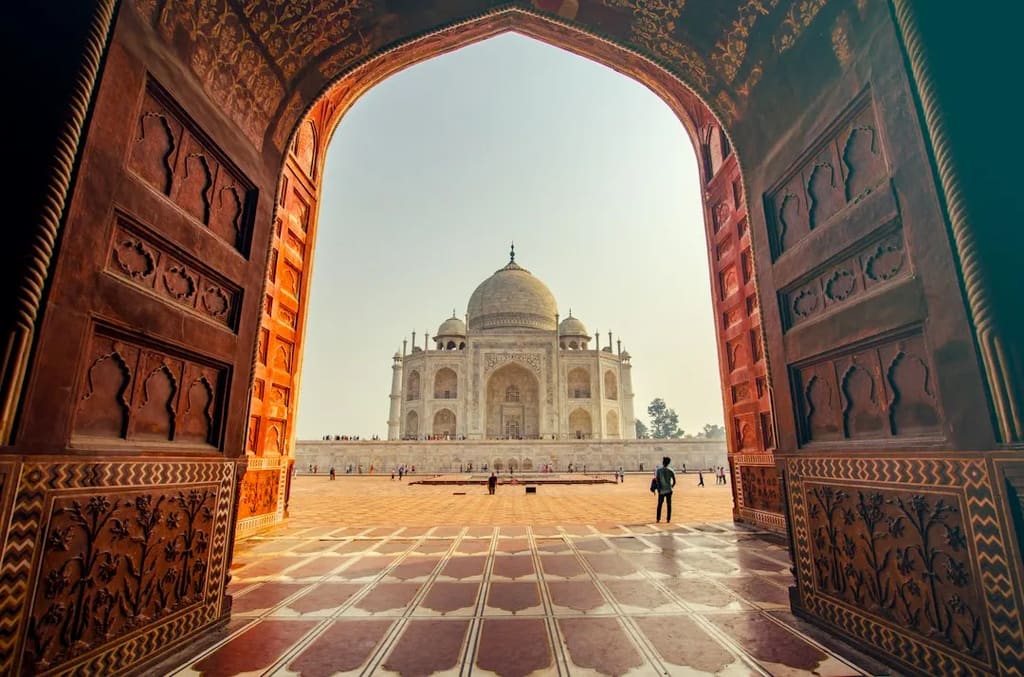
India has the largest population on earth, about 1.48 billion people on 1 July 2026 in the UN projection.[1] It officially passed China in 2023.[3] Expect crowds almost everywhere, from railway platforms to temple festivals, and treat that as part of the experience.
Season matters a great deal. The cooler months, roughly October to March, suit most of the country, while the summer monsoon brings heavy rain to many regions. Delhi’s winter air quality is a known concern for anyone with breathing problems. Many nationalities can apply for an electronic visa online before they fly, and popular train routes tend to sell out well ahead.
China: Easier to Enter Than It Used to Be

China comes second, with about 1.41 billion people in the 2026 projection.[1] Entry has become much simpler for many visitors. The unilateral visa free policy covers 50 countries through December 31, 2026, with Canada and the UK added in February 2026.[4]
The United States is not on that list. Americans can use the 240 hour transit policy with an onward ticket to a third country, or apply for a visa.[4] The 30 days cannot be extended inside China[5], and overstays can bring fines of 500 yuan per day and possible entry bans.[6] Set up a mobile payment app that accepts foreign cards before you land, and sort out your internet access too, because many Western apps and sites are restricted there.
United States: A Big Country With a Higher Entry Bill
The United States ranks third at about 349.0 million people.[1] Its population is spread across a huge territory, so the main surprise for visitors is distance, not crowding. Plan on domestic flights or long drives, and don’t try to fit too many regions into one trip.
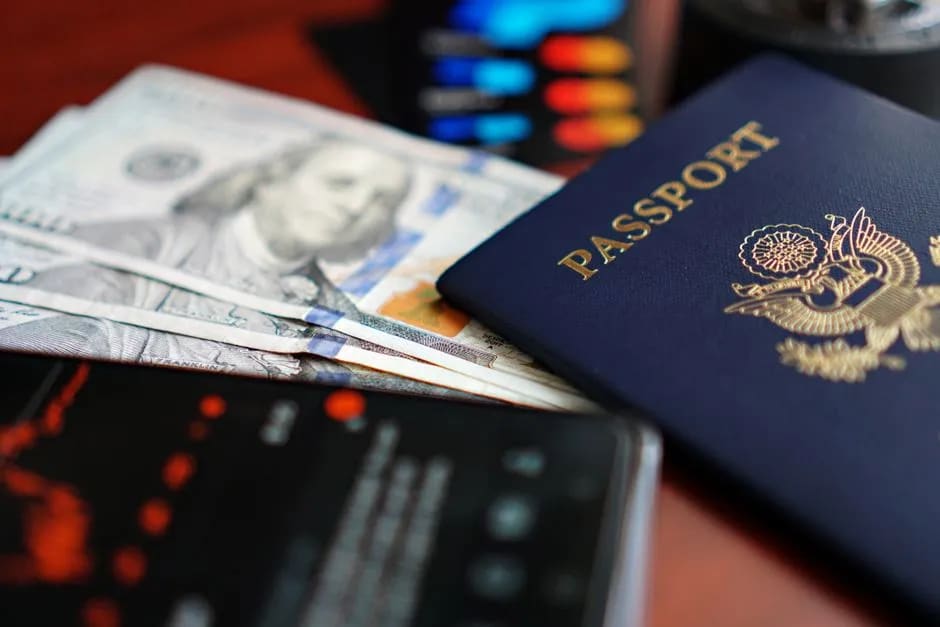
Entry costs have gone up. The ESTA cost $40.27 from January 1, 2026[7], and it rose to $40.62 on October 16, 2026.[8] A visitor visa costs $185 to apply for, and a new $250 visa integrity fee is charged on top when the visa is issued.[7] ESTA travelers don’t pay that integrity fee[7], and they can stay up to 90 days for business or tourism.[9]
Indonesia: An Island Nation, Not a Single Destination
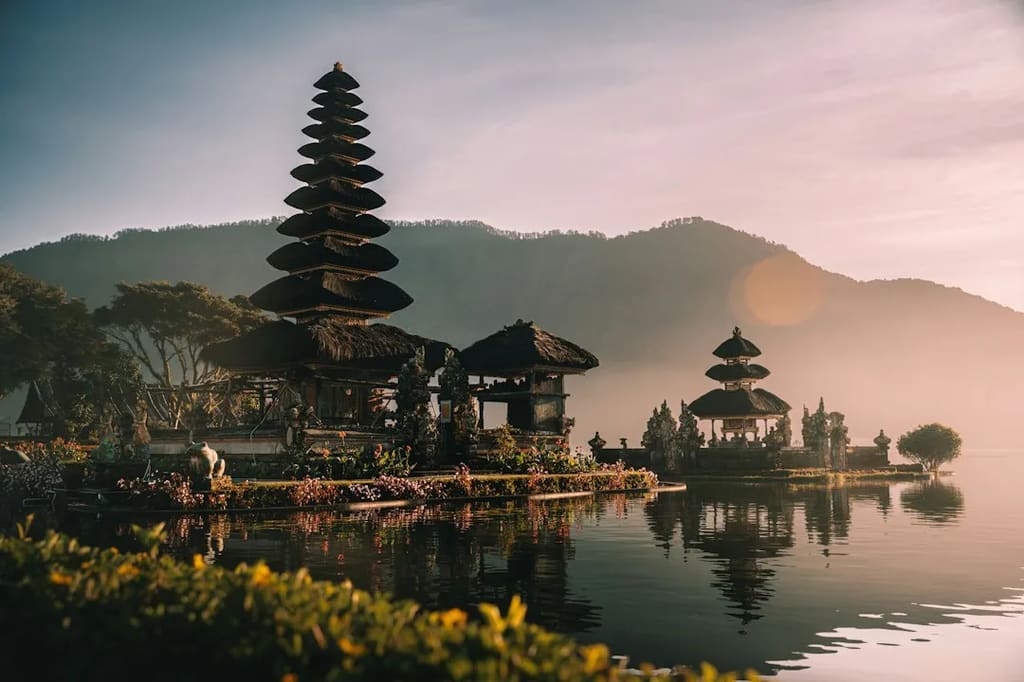
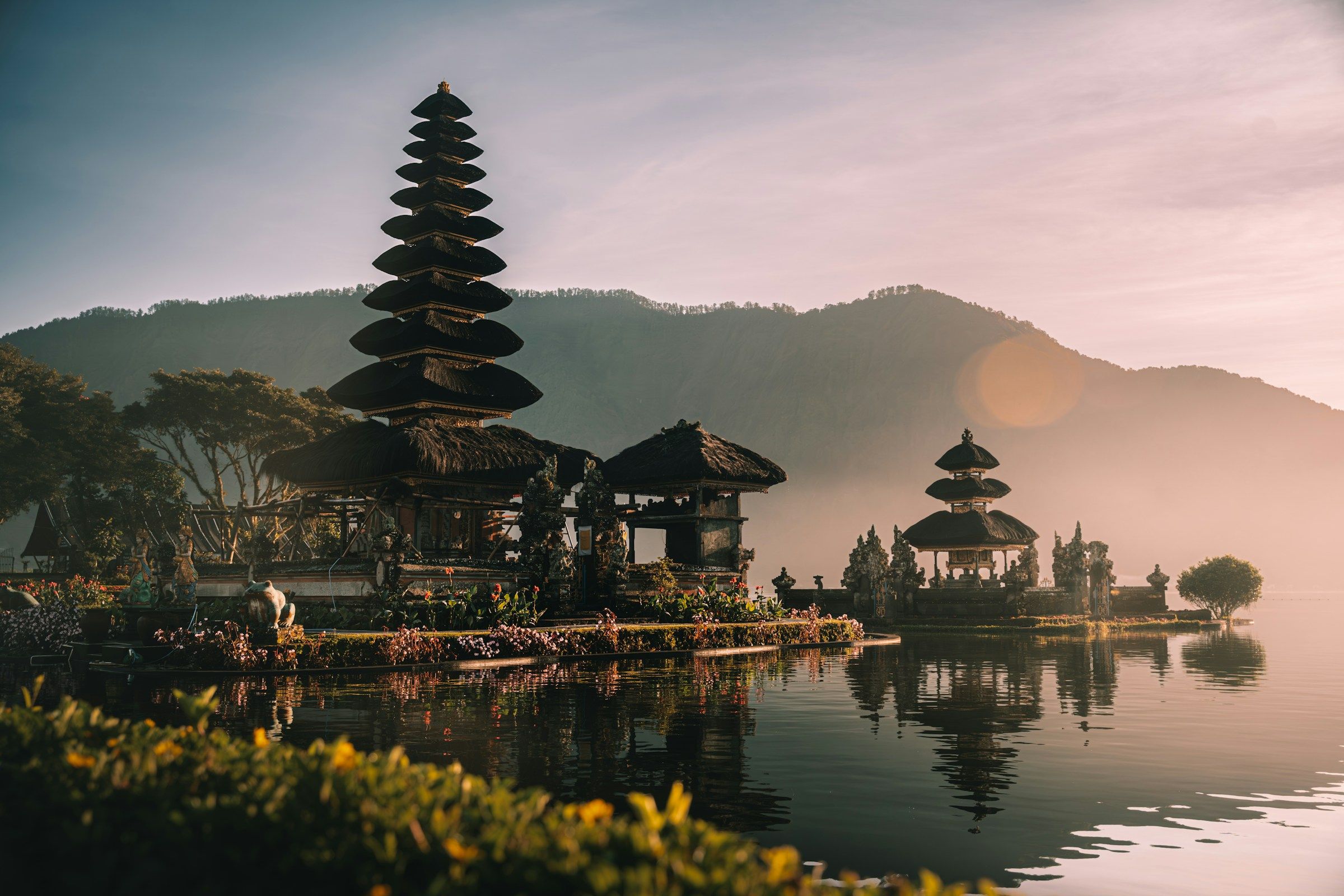
Indonesia sits fourth at roughly 287.9 million people.[1] The country spreads across more than 17,000 islands, and Java alone holds more than half of its people. Jakarta’s traffic is famously slow, so give yourself generous buffers for any transfer.
Most visitors head for Bali, Java, or the islands further east, and each feels very different. Many nationalities can get a visa on arrival, and Bali has charged foreign visitors a small tourist levy since 2024. The drier months, roughly April to October, are the usual pick for beaches and volcano hikes. Domestic flights and ferries link the islands, though schedules can be tight.
Pakistan: Mountains, Mughal Cities, and a Need for Homework
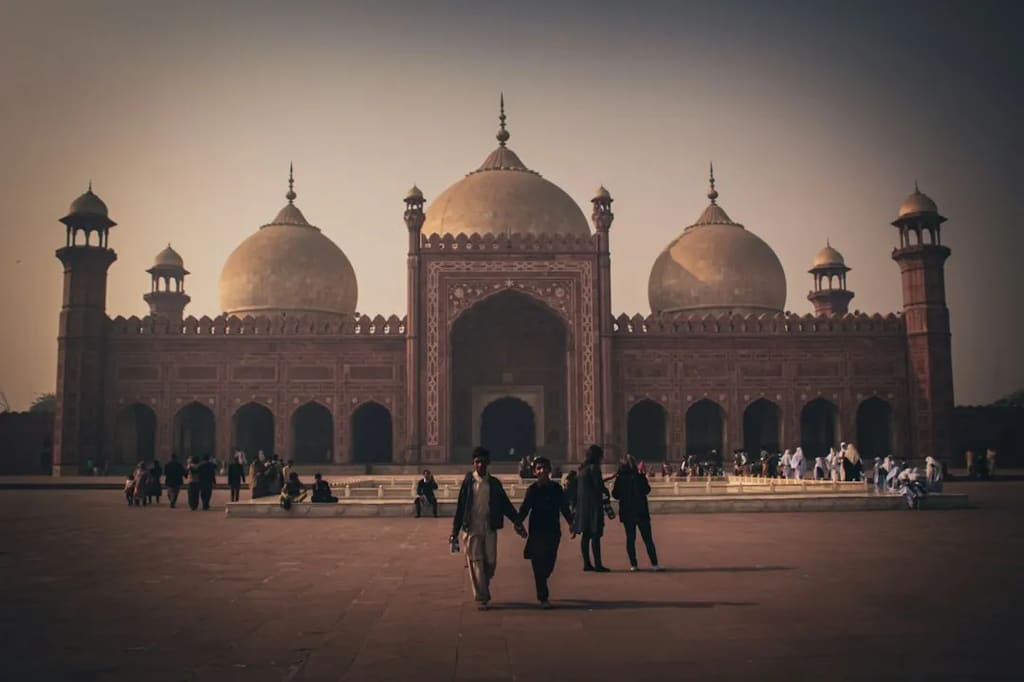
Pakistan is fifth, at about 259.3 million people.[1] Lahore is the usual cultural anchor, with its Mughal era fort and mosque. In the far north, the Karakoram range and valleys such as Hunza draw trekkers and road trippers, and K2, the world’s second highest peak, rises there.
Pakistan runs an online visa system for visitors from many countries, but rules vary by nationality. Several governments advise extra caution or restrict travel to certain regions, especially near the Afghan border and in parts of the west, so read your own government’s current advisory. The plains get very hot in summer, and the northern mountain roads are generally best from late spring to early autumn.
Nigeria: Lagos Energy and Practical Preparation
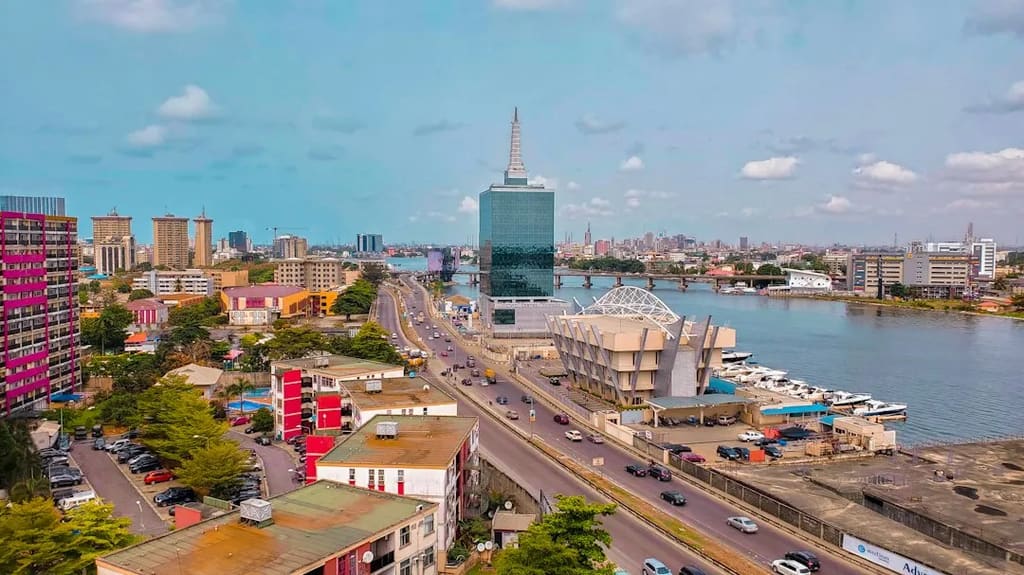
Nigeria is sixth, at about 242.4 million people[1], which makes it the most populous country in Africa. Lagos is the main gateway and a sprawling, fast moving city known for its music, food, and nightlife. Traffic can be punishing, so leave plenty of time for airport runs and meetings.
Most visitors need a visa before they travel, and proof of yellow fever vaccination is typically asked for at entry. Cash and card acceptance can be uneven, so confirm payment options with your hotel. The dry season from around November to March is the more comfortable time to visit, though dusty harmattan haze can reduce visibility. Government advisories flag higher risks in some parts of the country, mainly in the northeast, so check them before choosing a route.
Brazil: Big Distances and a Visa Change for Some

Brazil ranks seventh, with about 213.6 million people.[1] It’s a large country, and Rio, the Amazon, and the southern cities are separated by long flights. Southern hemisphere summer, roughly December to March, is hot and often wet, and Carnival falls in the weeks before Lent.
The entry rules changed recently for some travelers. The visa requirement for nationals of Australia, Canada, and the United States took effect on April 10, 2025.[10] They must apply through Brazil’s electronic visa system and pay a fee of 80.90 US dollars.[10] UK, EU, and New Zealand passport holders are covered by visa free entry.[11] Even so, rules can change, so check the official portal before you book.
Bangladesh: Dense, Green, and Rarely Crowded With Tourists
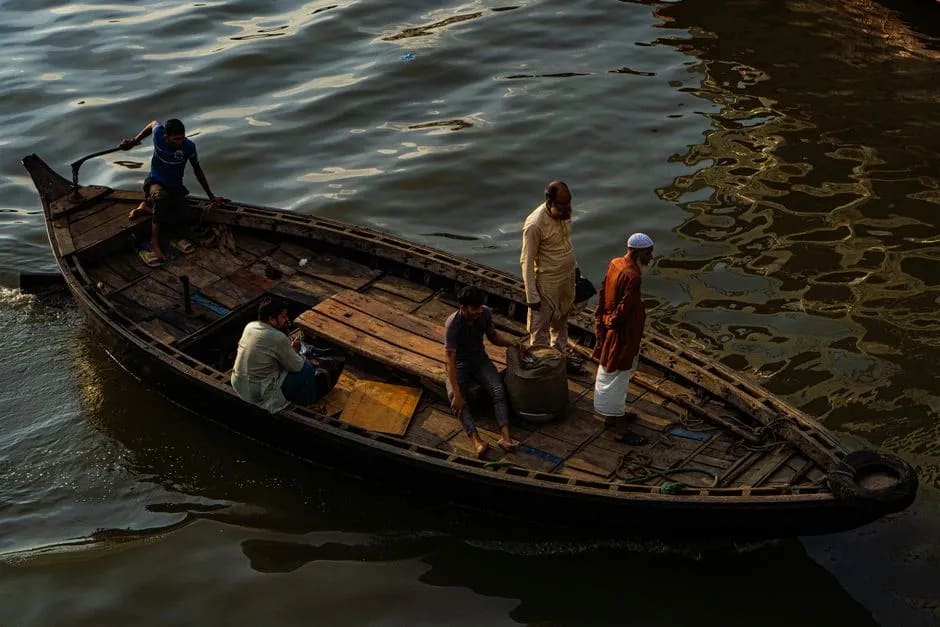
Bangladesh is eighth, at about 177.8 million people[1], packed into a country far smaller than most on this list. Dhaka is intense, with cycle rickshaws, heavy traffic, and busy markets. Most tourists spend little time there and head out to the delta instead.
The Sundarbans, shared with India, is the world’s largest mangrove forest and home to Bengal tigers. Cox’s Bazar has one of the longest natural sea beaches anywhere. The cooler, drier months from November to February are the most comfortable. Bangladesh has been through significant political change since 2024, so check current advisories and entry rules before you commit.
Related Stories From Travelbinger


Russia: Vast Space and Complicated Travel Conditions
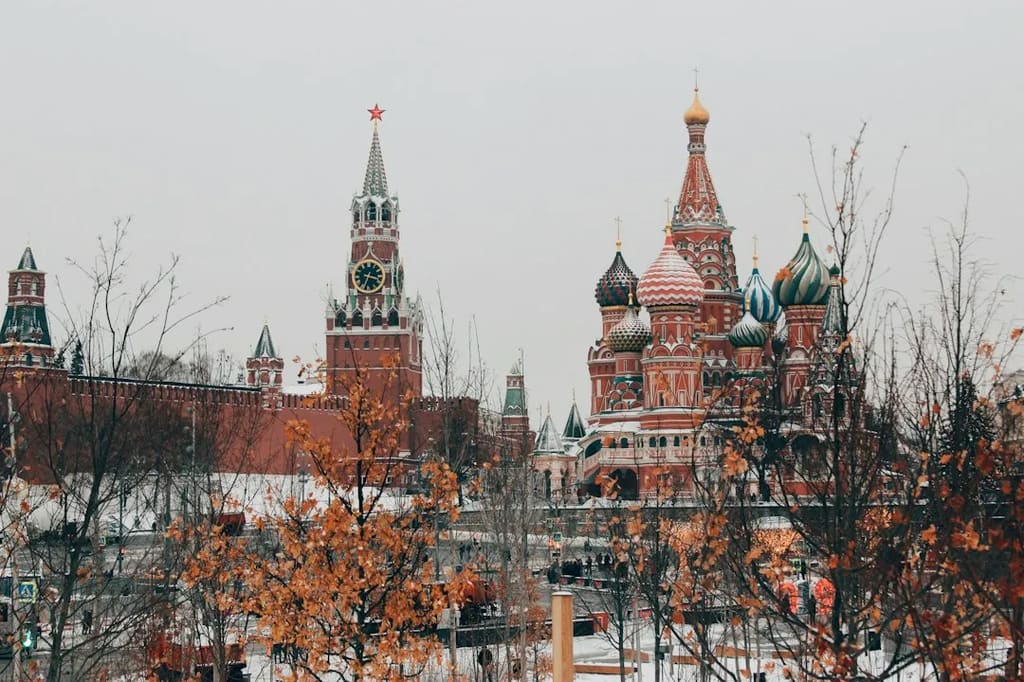
Russia is ninth, at about 143.4 million people[1], spread across the largest country on earth by area, so its population density is low. The yearly change in its population is negative.[2] Moscow and St. Petersburg hold most of the attractions tourists come for, and the Moscow metro stations are worth a visit in their own right.
Conditions for visitors are more complicated than for most countries on this list. Many Western governments advise against travel to Russia, and cards issued abroad by Visa and Mastercard generally don’t work there. Russia offers an electronic visa to citizens of many countries, but eligibility varies. Winters are severe, while St. Petersburg’s white nights in late June are a popular draw.
Ethiopia: High Altitude and Deep History
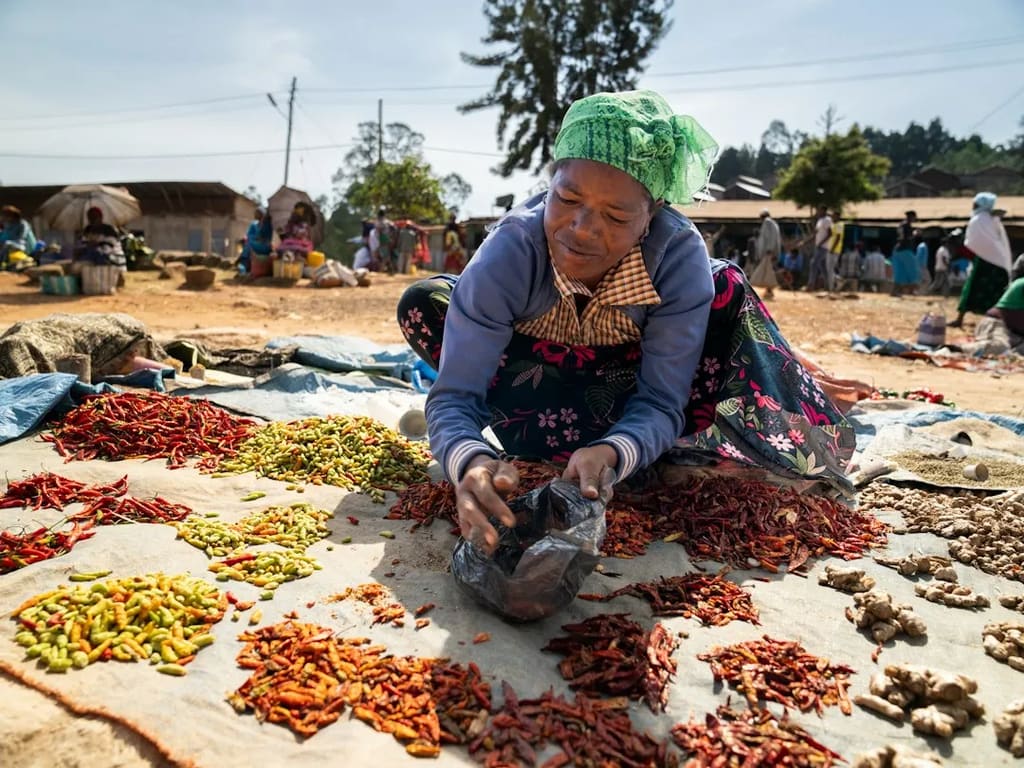
Ethiopia completes the list at about 138.9 million people.[1] Addis Ababa sits at more than 2,300 metres above sea level, so the first day or two can feel tiring if you’re not used to altitude. The country also keeps its own calendar, with thirteen months, so local dates won’t match yours.
The rock hewn churches of Lalibela and the Simien Mountains are the headline attractions. Ethiopia issues electronic visas, and Ethiopian Airlines connects the capital with much of Africa. The drier months from October to February are the easiest for travel. Some regions carry serious government warnings, so stay with well established routes and read your advisory first.
Before You Book
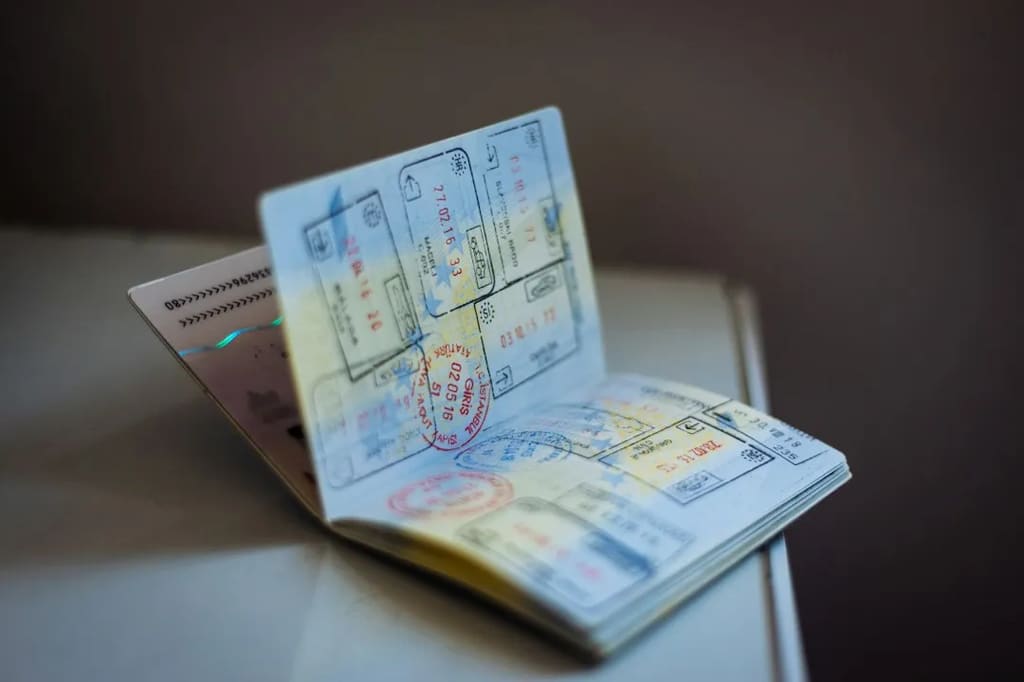
Population figures differ by source. The UN based projection lists Pakistan at about 259.3 million[1], while the 2023 census result was about 241.5 million.[12] Entry rules move quickly too. China’s visa free policy runs through December 31, 2026, and no extension for most countries had been announced as of October 2026.[4]
Confirm visa, health, and advisory details with your own government and the destination’s official portal before you pay for flights.