Ask a dozen people which country treated them best on the road, and you’ll probably get a dozen different answers. A taxi driver who refused a tip, a stranger who walked you ten blocks to the right bus stop, a family who set an extra place at dinner. Generosity is hard to measure, which hasn’t stopped researchers from trying.
Several large surveys now track how often people give money, volunteer, help strangers, or make newcomers feel at home. They don’t always agree, and the gaps between them are interesting in their own right. Here’s what the most recent data from 2024 to 2026 says about where kindness shows up most.
Nigeria and the Giving Rankings
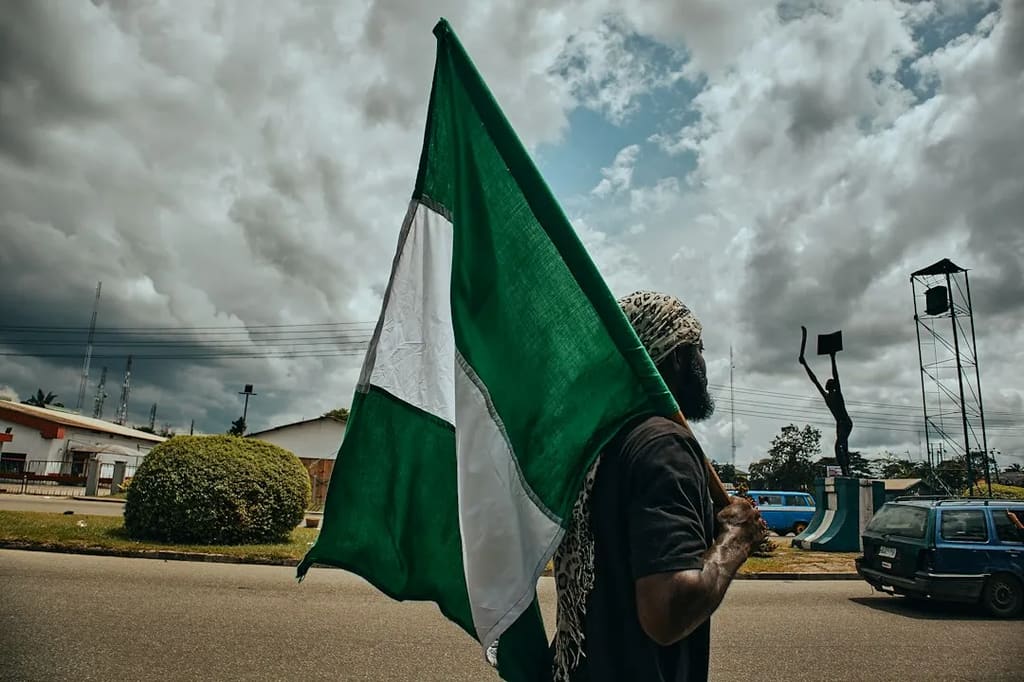
The Charities Aid Foundation named Nigeria the world’s most generous country in its 2025 World Giving Report. People there give an average of 2.83% of their income to charities, religiously or to people in need.[1] That’s close to three percent of earnings, which is a lot in any economy.
The result held in the next edition. CAF’s 2026 report draws on more than 60,000 people across 105 countries[2], and Nigeria again came out on top.[2] The ranking rests on a methodology change, because CAF now measures the value of donations relative to income and the channels used, not just how often people donate.[3]
Why Africa and Asia Lead the Table
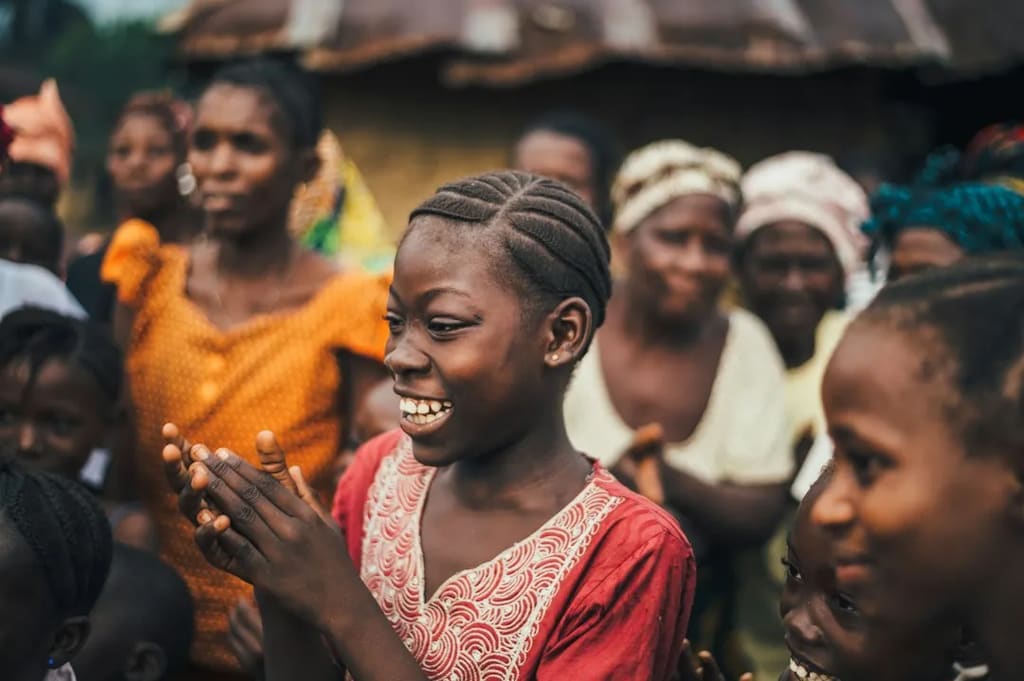
The pattern goes well beyond one country. In the 2026 report, the ten most generous countries are all in Africa and Asia.[2] The year before, African countries made up six of the top ten and seventeen of the top thirty.[4]
Money alone doesn’t explain it, and in fact the reverse seems closer to the truth. People in low income countries were found to be twice as generous as those in high income countries.[4] Africans give an average of 1.6% of their income, compared with 0.6% in Europe.[2] CAF also found that where most people feel a strong sense of belonging to their local community, giving tends to be higher.
Egypt, Ghana, China and the Gulf

Behind Nigeria, the 2025 list looked more varied than many readers expected. Egypt came second, with Ghana and China tied for third.[5] Egypt, the UAE and Qatar all made the top ten.[6]
Time counts as giving too. People in Qatar volunteered the most, at 27.5 hours on average per person, followed by Rwanda and Côte d’Ivoire.[4] For comparison, about a quarter of the world’s population volunteered in 2024, averaging 9 hours per person.[5]
Jamaica, Where Strangers Step In
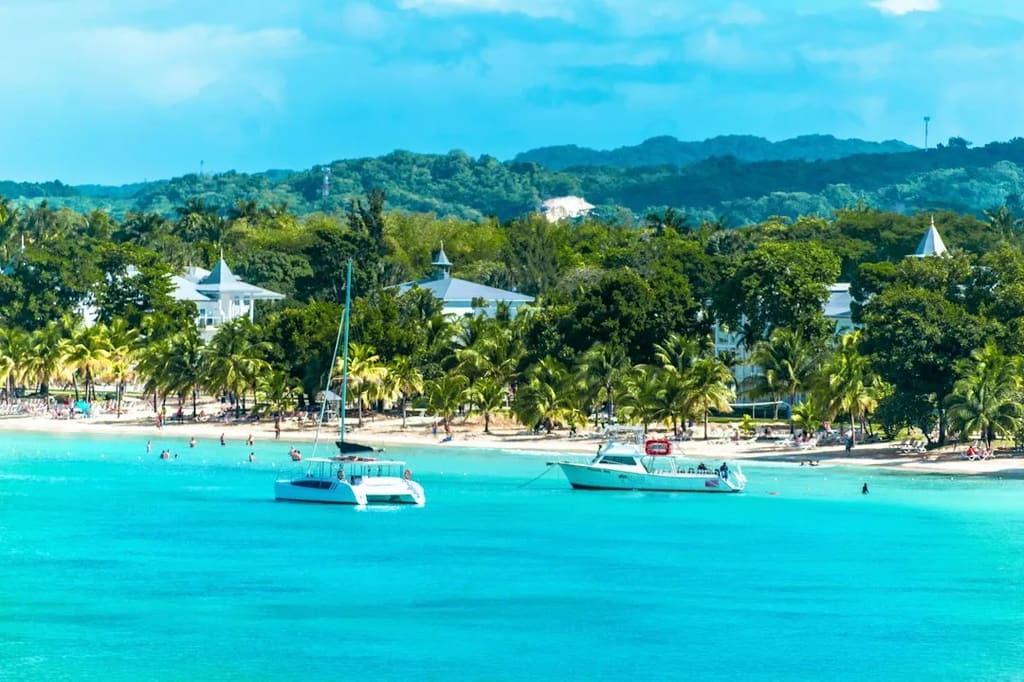
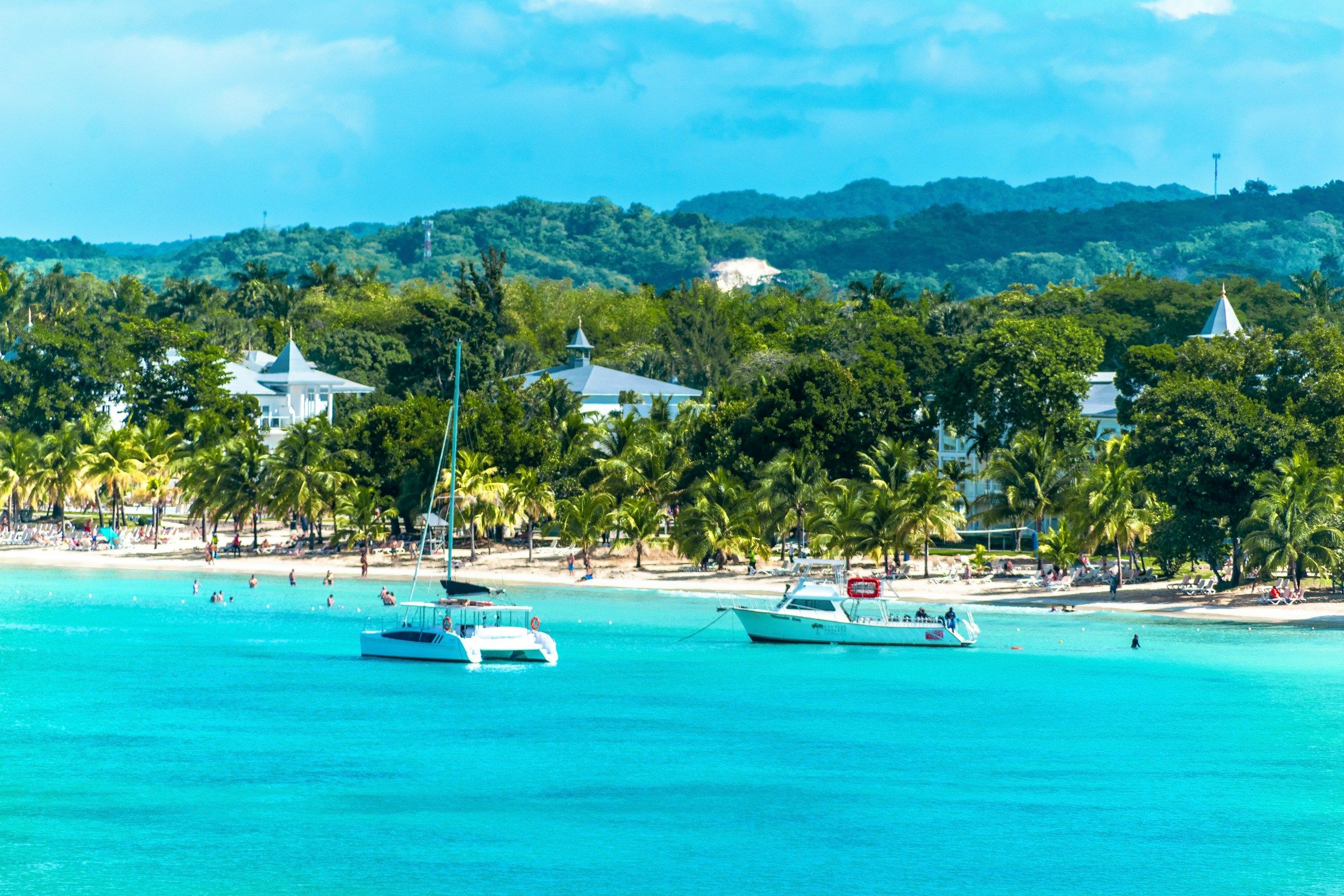
Giving money and helping a stranger are different things, and Jamaica shows why. It ranked first worldwide for people most likely to help a stranger in the 2025 World Happiness Report, which uses Gallup data.[7] The figure was more than eight in ten, against a worldwide average of about six in ten.
Liberia and Sierra Leone followed closely behind. Yet all three sit more than 80 places lower in the rankings for contributions to formal charities.[8] The report links this to institutional trust, suggesting that acts of kindness happen more directly, through personal interactions rather than institutional channels.[7] For a traveler, that means help is often offered face to face.
Helping Strangers Across 22 Countries
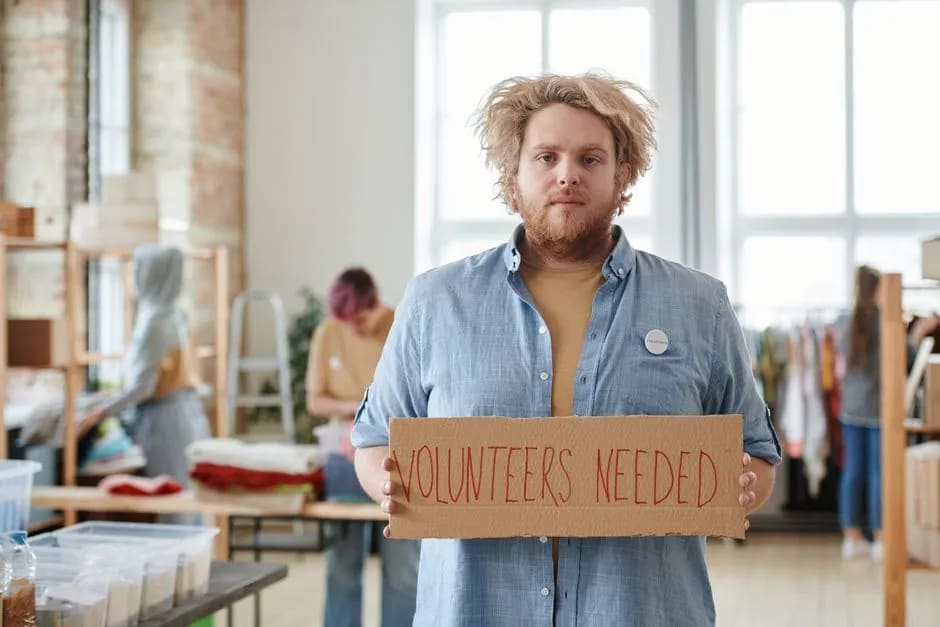
A separate study adds more detail. The Global Flourishing Study drew on 202,898 individuals across 22 countries[9], with data collected by Gallup. The five countries with the highest rates of helping strangers were Nigeria, Egypt, Brazil, Argentina and Kenya, all at 66% or greater.[9]
The spread was wide. Rates ran from 11% in Japan to 83% in Nigeria.[10] The researchers also noted a possible trade off: countries with fewer financial resources are more likely to help directly, and wealthier countries are more likely to donate money.[10]
Indonesia, Friendly but Not Top of Every List
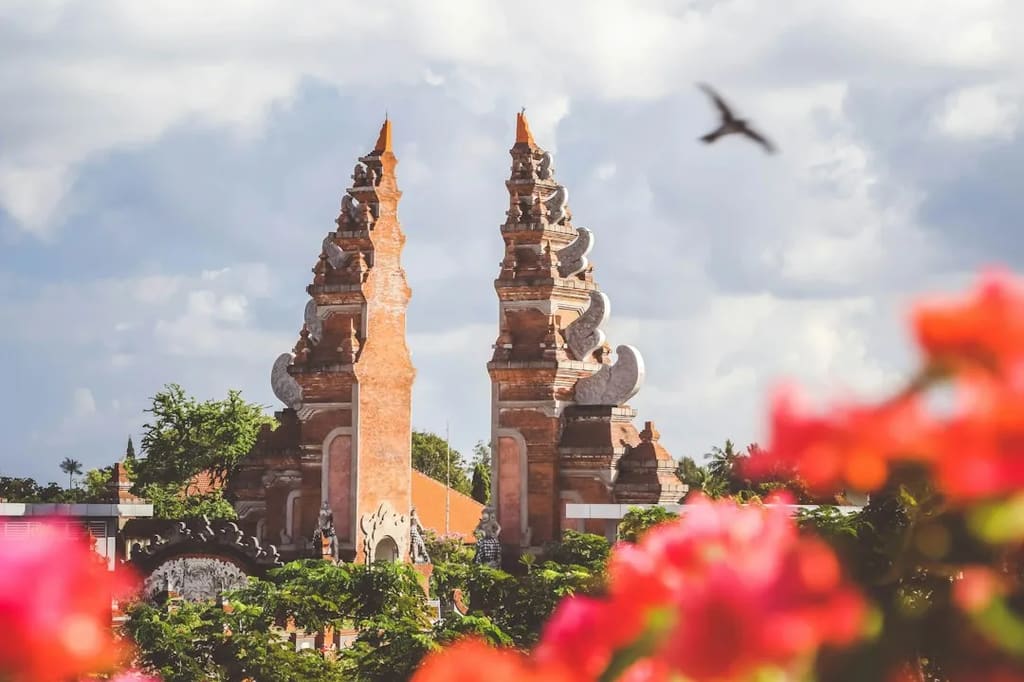
Indonesia is a good example of how the rankings can disagree. In the 2025 World Giving Report, it was knocked off the top spot for the first time in eight years and placed 21st out of 101 countries.[5] Among expats, though, the picture looks different.
InterNations surveyed 10,085 expatriates from 172 countries[11] for its 2025 Expat Insider report. Indonesia topped the friendliest countries list that year, after placing second the year before.[11] Colombia took second place.[11]
Mexico and Panama, Welcome in Everyday Life
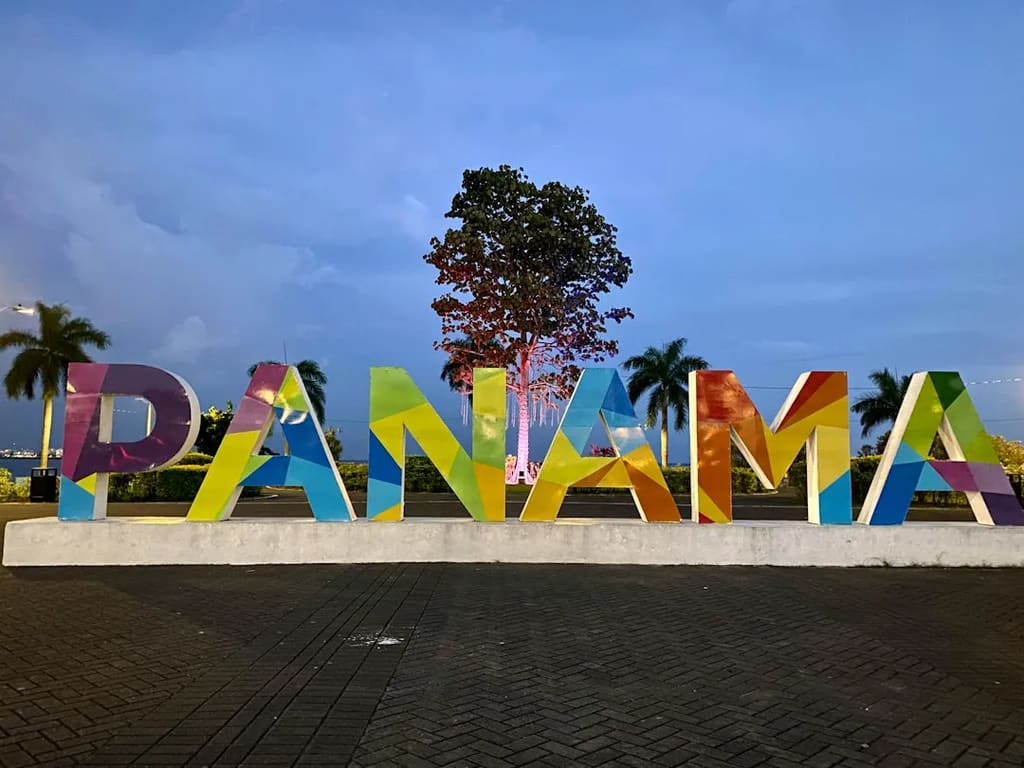
Latin America does well when the question is about feeling at home. In InterNations’ 2024 results, Mexico ranked second overall, with unusually high scores for friendliness and feeling welcome.[12] Panama did even better, since it has been voted the best country to live and work abroad for the third year running.[13]
Earlier surveys pointed the same way. In 2022, 89% of respondents found the Mexican population friendly towards foreigners.[14] Three out of four expats in Mexico found it easy to make local friends, well above the global average of 42%.[14] Those numbers are older, but the later rankings suggest the reputation has held.
Ireland and Thailand, Cities Travelers Vote For

Reader polls give a lighter, less scientific read on welcome. In Rough Guides’ May 2025 reader vote, Dublin ranked as the world’s friendliest city.[12] Bangkok came second on the same list.[12]
Related Stories From Travelbinger



Thailand also scores well in expat surveys, which supports the idea that its hospitality isn’t only marketing. Thailand sat sixth among the best countries for expats in 2024.[15] A reader vote isn’t a rigorous measure, but it captures what visitors actually say after a trip.
Where the Welcome Is Harder to Find
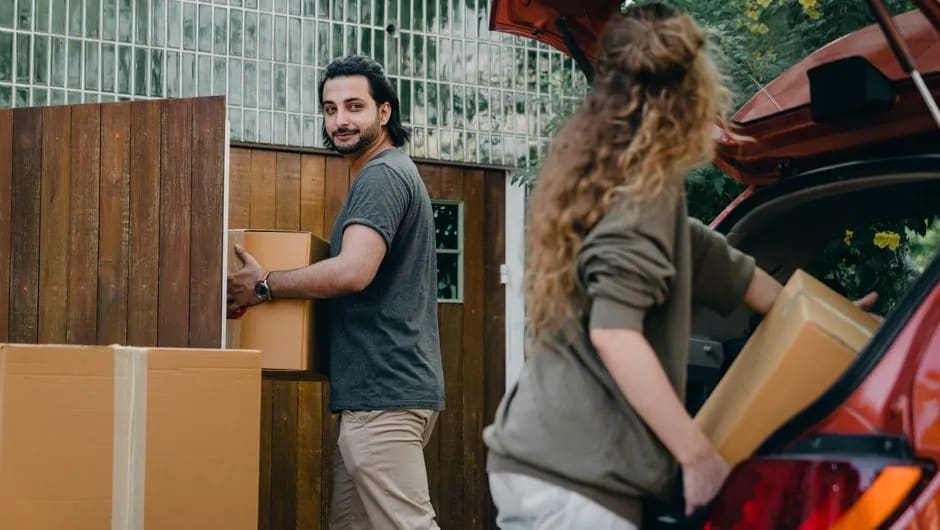
Some countries that look trustworthy on paper don’t feel easy to settle into. Gallup notes that countries where people expect their lost wallets to be returned, like the Nordic nations, rank highest in happiness.[16] Expats tell a more mixed story.
In InterNations’ 2025 survey, Kuwait finished 46th out of 46 in Ease of Settling In[17], and Norway ranked 45th.[17] Germany ranked 43rd.[17] The same survey placed Germany 42nd out of 46 for friendliness.[11] Rough Guides readers, meanwhile, put Paris at the top of the least welcoming cities list in May 2025.[12]
How to Read These Rankings
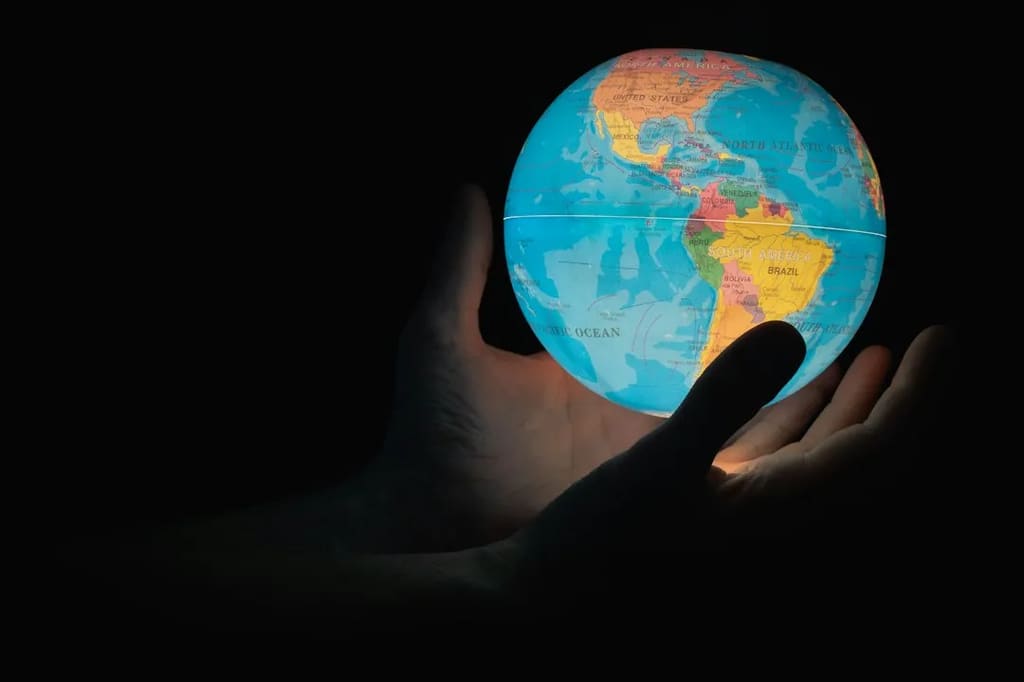
Each survey measures something different. CAF counts giving, Gallup counts helping and trust, and InterNations asks people who live abroad how welcome they feel. The InterNations data is expat data rather than a vacation satisfaction poll.[18]
Generosity itself has shifted a little in recent years. Around the world, 61% of people donated in the latest CAF report, down slightly from 64% the year before.[2] Gallup also finds that helping a stranger, volunteering and donating have dropped significantly from their pandemic era peak.[16]