Something big is happening on the water. After years of post-pandemic recovery, the cruise industry has not just bounced back – it has surpassed every expectation set before it. AAA is forecasting that 21.7 million Americans will take ocean cruises in 2026, marking what would be the fourth consecutive year of record cruise passenger volume. That kind of momentum does not happen by accident. It is the result of shifting travel habits, smarter ships, and a passenger base that keeps coming back for more.
Record-Breaking Numbers Backed by Hard Data
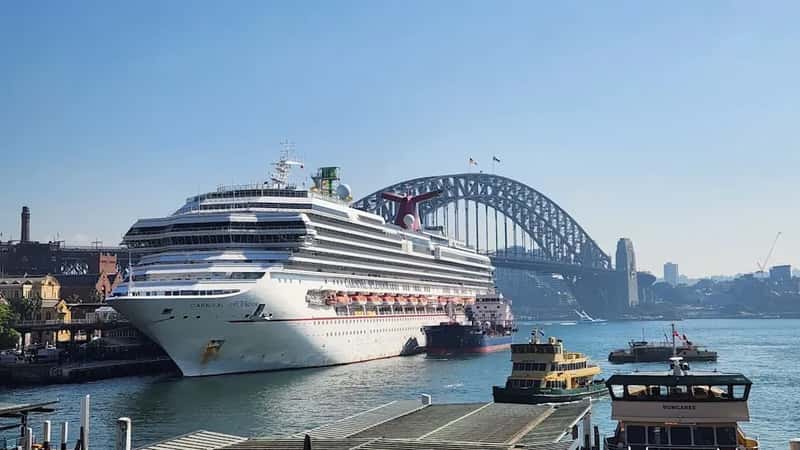
AAA projects 21.7 million Americans will go on ocean cruises in 2026 and 20.7 million in 2025, a higher number than AAA originally projected. The year-over-year increase reflects an 8.4% jump from 2024 to 2025 and a 4.5% bounce from 2025 to 2026. These are not minor incremental gains – these are consecutive record-setting years stacking on top of each other. If accurate, 2026 would mark the fourth consecutive year of record U.S. cruise passenger volume.
In cooperation with AAA, Tourism Economics prepared the 2026 cruise forecast based on scheduled cruise itineraries covering virtually all major cruise vessels, the economic outlook, and travel sector trends. This forecast relies on cruise-related analytics from Cruise IP – Tourism Economics’ proprietary database for the cruise industry – along with economic forecasts prepared by Oxford Economics. On a global scale, the picture looks equally compelling. The global cruise industry welcomed 34.6 million cruise passengers in 2024, with 37.7 million expected in 2025. North America remains the top source market for cruise, with a 13% increase in 2024 over 2023.
Who Is Actually Getting on These Ships
While the demographic of cruising continues to skew younger, AAA found the majority of adult U.S. passengers are still 55 or older. Specifically, 65% are 55 or older, while 27% are 35 to 54 years old, and 7% are 18 to 34 years old. However, those demographics are shifting faster than many industry observers expected. CLIA’s 2025 State of the Industry Report shows the average age of a cruise guest is 46.5, and 36% of all cruisers are now under age 40.
Nearly 50% of American cruise passengers travel as couples, 20% cruise with children, 7% travel solo, and the remainder go in groups. Multigenerational travel is also a growing force within the numbers. About 25% of Boomers who cruise do so with their adult children, and about 20% of Gen Z members who cruise do so with their parents. That dynamic makes cruising a uniquely flexible product – it works for nearly every family configuration, age group, and travel budget.
The Caribbean Dominates, But New Routes Are Rising
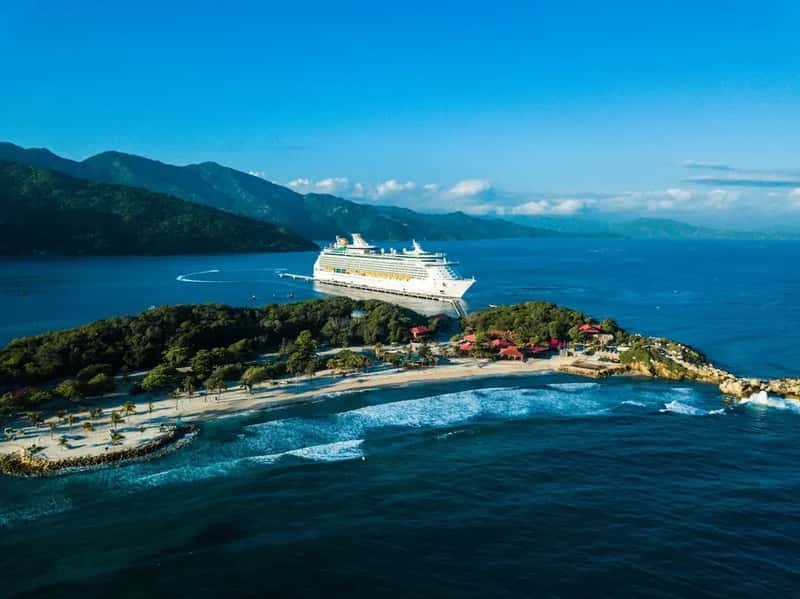
The Caribbean is by far the most popular cruise destination for Americans, capturing 72% of U.S. cruise passengers. That is why Miami, Port Canaveral, and Fort Lauderdale – all in Florida – are the busiest cruise ports in the world. The Caribbean’s grip on American travelers is partly structural. The Caribbean’s popularity is also bolstered by the increase in shorter-length cruises, which passengers like because they are convenient and cruise lines like because they can schedule more itineraries and sell more cabins.
7% of U.S. passengers are expected to take Alaska cruises in 2026, and 5% are projected to cruise in the Mediterranean. Beyond those classic routes, the industry is expanding into genuinely new territory. Cruise itineraries are diversifying as passengers seek rarer destinations, special events, and expedition-style experiences. The focus is no longer just the Caribbean and Mediterranean, but high-latitude regions and one-off events that drive demand. Expedition cruising continues to grow, especially in the Arctic, with itineraries covering Greenland, Svalbard, and the Northwest Passage. In the Mediterranean specifically, Cruise Industry News expects the region to welcome close to six million cruise passengers in 2026, alongside a 3.7% year-over-year capacity increase linked largely to larger ships returning to the region and new tonnage entering service.
Younger Travelers Are Rewriting the Rules
CLIA’s State of the Cruise Industry Report 2025 reveals that 76% of Gen Z who have previously been on a cruise plan to sail again, while Royal Caribbean has reported a 19% increase in Gen Z customers in 2025 compared to 2024. That kind of repeat intention is remarkable for a travel category once dismissed as old-fashioned by younger generations. Demand for cruises remains strong for 2026, with clear signs that younger travelers and luxury consumers are reshaping the industry. While traditional ocean cruises remain the most popular option, travelers are increasingly branching out into new formats – from short getaway cruises to high-end expedition voyages to remote destinations around the world, including Antarctica, the Arctic, and the Galápagos.
A new image of cruising is being shaped in no small part by social media. Younger travelers have taken to Instagram and TikTok to post day-in-the-life videos and ship tours, racking up millions of views. Their feeds spotlighting rooftop cocktails, dance parties, and sleek ship designs serve as viral marketing for cruising, introducing the travel style to new generations of passengers. Cruise lines are not sitting still in response. More and more cruise companies are embracing the full power of social media to connect with a younger audience and build momentum. Celebrity Cruises and Virgin Voyages are leading the way and utilizing influencer marketing. Instead of traditional travel presenters, content creators and vloggers are now introducing the world of cruising to digital-savvy travelers who often turn to social media for inspiration and trip planning.
A Fleet Expanding to Meet the Demand
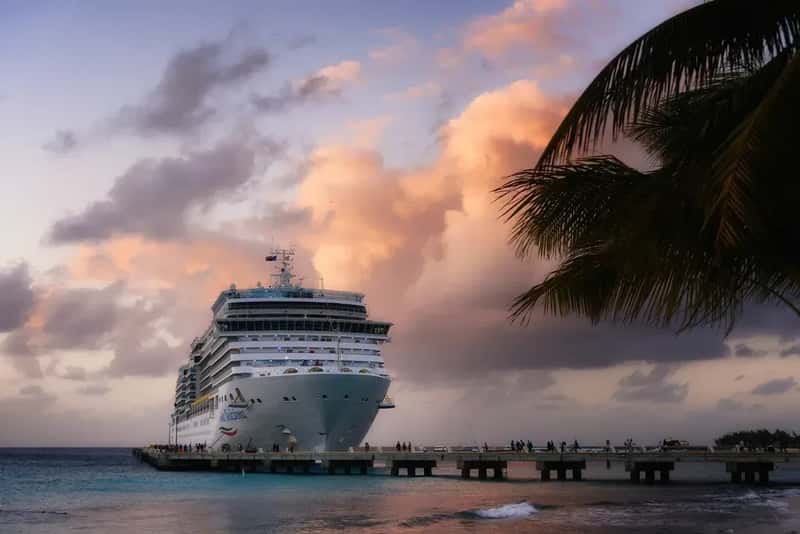
Fifteen ships for 13 cruise lines – including inaugural newbuilds for two new brands – are scheduled for 2026 delivery. These represent 31,905 additional lower berths, for an estimated total investment of nearly $10.4 billion. The ships debuting in 2026 read like a who’s who of the industry. The 2026 planned arrivals include Disney Adventure, Norwegian Luna, Orient Express Corinthian, Four Seasons I, Explora III, Emerald Kaia and Emerald Raiya, Viking Mira and Viking Libra, Mein Schiff Flow, MSC World Asia, Legend of the Seas, Magellan Discoverer, Adora Flora City, and Seven Seas Prestige.
Sustainability is becoming a central pillar of new ship design. Ships are getting bigger but also greener, with new technology that aims to reduce their operational impact. Alternative fuels are expected to continue to gain momentum in 2026 and beyond, with 65% of vessels entering service that year powered by alternative fuels such as LNG. Looking further ahead, CLIA member lines are projected to welcome 11 new ships to the global fleet in 2025, with 56 new CLIA member ocean-going ships on order from 2025 to 2036, representing a $56.8 billion investment. The luxury segment is also expanding fast. The current luxury cruise fleet of 104 ships is projected to expand to at least 130 vessels by 2036.
The Economic Engine Behind the Boom
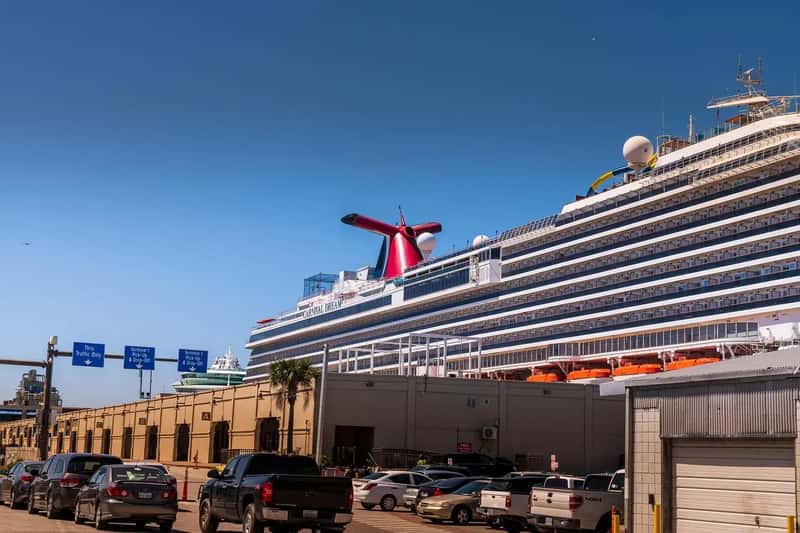
While representing only two percent of global tourism, the cruise sector has significant economic impact in communities around the world, generating over $168 billion in global economic impact in 2023 – the highest on record. In the U.S., the cruise industry supported over $65 billion in total economic impact in 2023, supporting 290,000 jobs and $25 billion in wages and salaries. That spending extends far beyond the gangway. The cruise industry’s impact benefits communities around the world through local sourcing of goods and services, and spending before and after each cruise, as 69% of passengers stay one or more nights in a hotel. Additionally, 6 in 10 cruisers return to a destination they first visited by cruise, extending the economic impact well into the future.
Port cities are feeling that impact directly. PortMiami, for example, set a new one-day record on April 20, 2025, handling 72,401 passengers. It also had a record-breaking 10 cruise ships on February 8, 2025. Farther north, the anticipated growth in Vancouver’s cruise tourism sector in 2026 reflects the broader expansion of the global cruise market, with nearly 360 cruise ships scheduled to visit the city – a number expected to surpass the previous record set in 2024 by 5%. And passenger satisfaction continues to reinforce the cycle: 90% of U.S. cruise passengers rate their experiences as very good or good, and 91% have taken multiple cruises.