Most people treat the customs form as a formality. They tick a few boxes on the flight home and hand it over without thinking. Yet the questions on it are more specific than they look, and the answers you give shape how the officer treats everything in your bag.
U.S. Customs and Border Protection (CBP) inspects everyone who arrives at a port of entry. Officers can ask about your trip and about anything you’re bringing back that you didn’t have when you left.[1] Six categories come up again and again in CBP guidance, and they’re worth knowing before you land.
Cash and Monetary Instruments Above $10,000
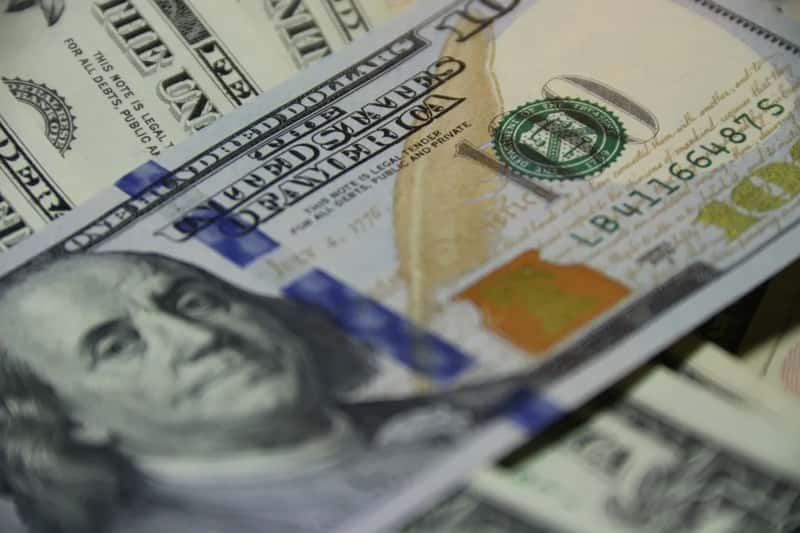
Carrying a lot of money isn’t illegal. What the law requires is a report. Travelers entering the United States with more than $10,000, or the foreign equivalent, in currency or monetary instruments must file a FinCEN Form 105 with CBP.[2] A large sum in your bag is legal, while an unreported one is not.
The rule covers more than banknotes. Reportable items include U.S. or foreign currency, traveler’s checks and money orders when the total passes $10,000.[2] The threshold also works on a combined basis. If you carry $5,000 and your travel companion carries $6,000, together you’re over the line and must declare.[3] Getting money back after a seizure is hard, since you generally have to prove the funds were legitimate and the omission unintentional.[3]
Food, Plants and Other Agricultural Products

This is the category that catches the most people off guard. CBP’s declaration form lists fruits, vegetables, plants, plant products, soil, meat and meat products among the restricted items.[4] Cheese, seeds, nuts and even some wooden souvenirs can also draw agriculture attention.
The reason is pest control, not paperwork for its own sake. Declaring lets a USDA specialist decide whether an item is allowed. Answering yes doesn’t mean you’re in trouble, only that CBP knows to inspect those items properly.[5] One law firm guide notes that first offense penalties for undeclared food in non-commercial quantities can reach $1,000.[3] That makes a forgotten sandwich an expensive mistake.
Purchases and Gifts Acquired Abroad

The form asks you to list what you bought, and it also covers gifts. Articles are declared with their value in U.S. dollars, and for gifts you should give the retail value.[6] Keep your receipts together, because CBP suggests carrying them in an envelope in your carry on to speed up the process.[1]
Declaring an item doesn’t mean paying tax on it. U.S. residents are normally entitled to an $800 exemption from duty on items that accompany them.[6] Depending on the countries you visited, that personal exemption can be $200, $800 or $1,600.[1] Exceed your limit and the goods aren’t automatically prohibited, but CBP may assess duty on the applicable amount.[7]
Prescription and Over the Counter Medications

Medication is easy to overlook because it feels personal and routine. In legal terms, though, both prescription and over the counter medicines fall under U.S. Food and Drug Administration rules,[8] and controlled substances must also satisfy Drug Enforcement Administration requirements.[8] A pill organizer with unlabeled tablets can raise questions that a labeled bottle wouldn’t.
The practical advice is consistent across sources. Travel guidance based on FDA policy says up to a ninety day personal supply in original labeled packaging, with a copy of the prescription, is generally permitted.[9] Medicines bought overseas deserve extra care, since drugs not approved by the FDA for use in the United States can be confiscated.[5] Documentation showing what you take and why can save a long conversation.
Alcohol and Tobacco Products
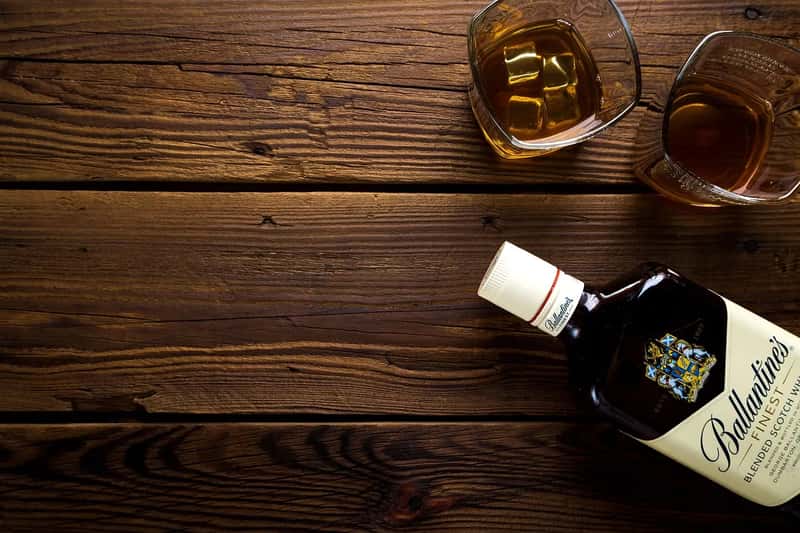
Bringing back a bottle from a trip is common, and it’s allowed. The catch is the allowance. Guidance from CBP’s duty page says no more than one liter of alcohol per adult aged twenty one or older can be included in your duty free exemption.[10] Anything above that is still admissible, but it’s subject to duty and federal excise tax.
Age matters here, too. An exemption belonging to a traveler under twenty one cannot be used for alcohol.[7] Quantity can also attract attention. Federal rules set no exact limit for personal use, but unusual amounts may make officers suspect the alcohol is meant for resale.[10] State laws still apply after you clear customs, so a stricter home state can add its own limits.
Repairs, Alterations and Commercial Goods
Two items on the list surprise travelers who think only shopping counts. The first is work done on things you already owned. Federal regulations refer to articles a resident has acquired or had repaired or altered while abroad,[11] so a tailored suit or a repaired watch can be reportable.
The second is anything meant for business. The declaration form asks directly about commercial merchandise, and CBP guidance says merchandise intended for resale or business distribution must be declared.[7] There’s also a way to protect yourself on the way out. If you carry expensive gear like a camera, laptop or jewelry, register it with CBP before leaving, because without proof of prior ownership an officer may assume you bought it abroad and assess duty.[5] Since undeclared items can be seized on the spot and civil penalties can start at the full retail value,[5] checking yes when in doubt is the safer route.