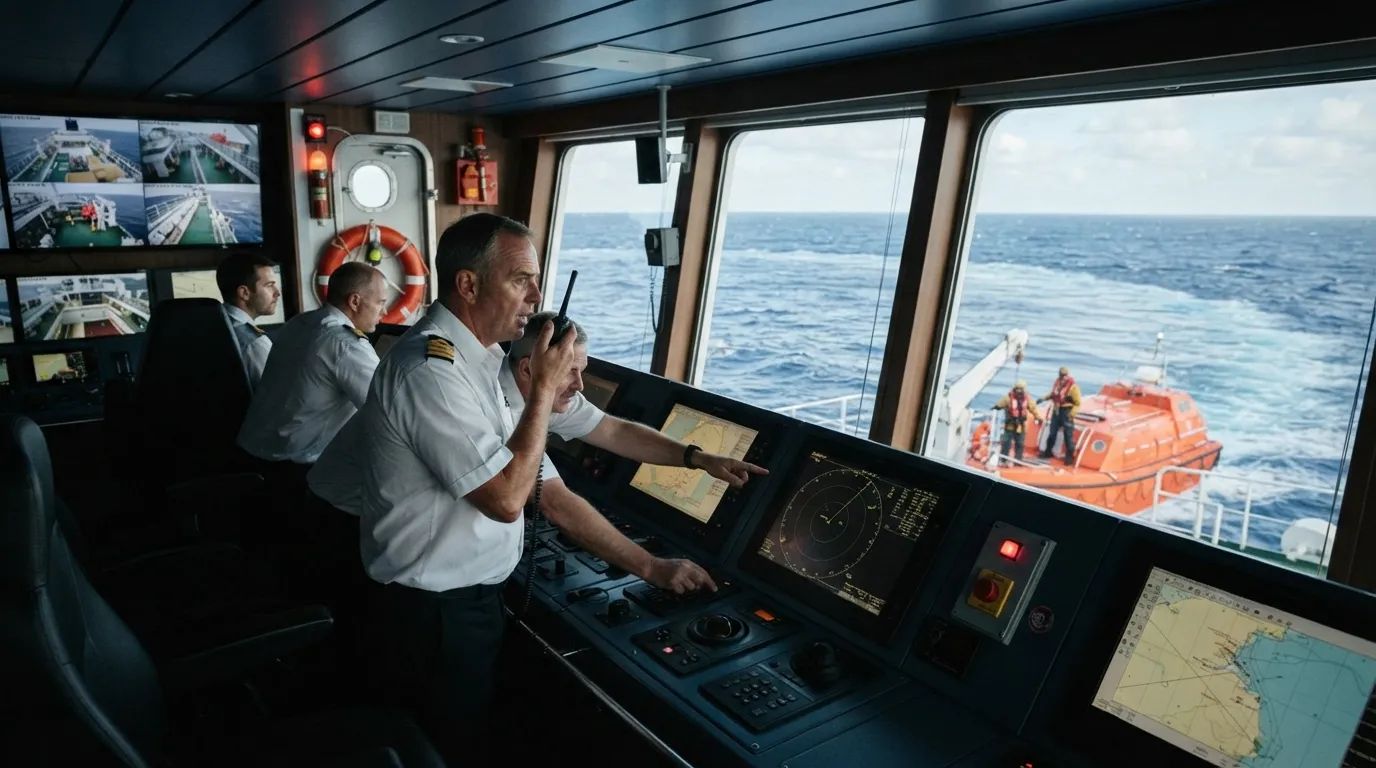
You picture a cruise ship running on buffets, bartenders, and good vibes. The real work is happening up on the bridge, on the mooring deck, and in front of a radar screen, where deck officers fix problems you will never hear about.
Some of these fixes explain the things guests grumble about most: the roped-off pool, the skipped port, the clock that disagrees with your phone. A few are hiding in plain sight, and one may change how you hear a ship’s horn. Start at the bottom of the list, because the first surprises come quickly.
#24 – The Safety Drill Rule That Changed After a Tragedy
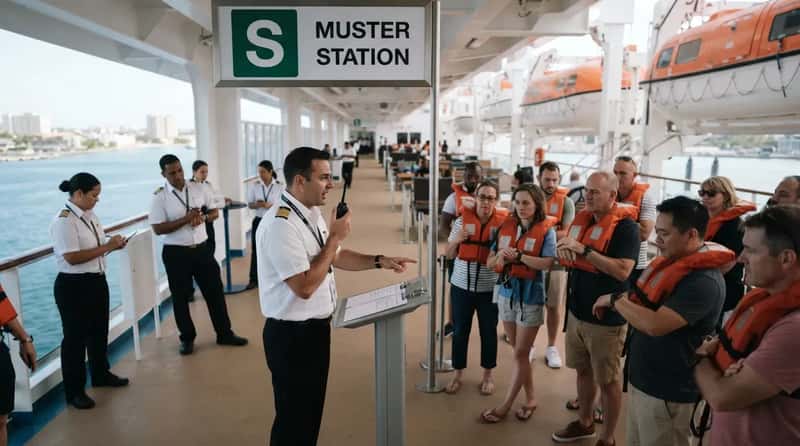
The drill you roll your eyes at is the first thing officers lock down. Under international safety rules, passengers must be mustered before or immediately upon departure, not a day later. That timing was tightened after the 2012 Costa Concordia disaster, which killed 32 people.
Officers check that every muster station is staffed and that crew know their roles. Some travelers call the drill a waste of 20 minutes. Officers see it as the only rehearsal passengers ever get, and the one they hope never turns into the real thing.
#23 – Why Your Clock Quietly Jumps at Night
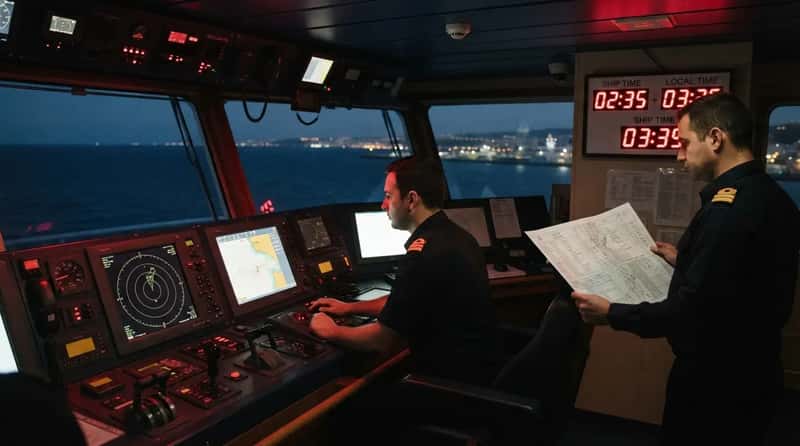
Time changes at sea are a navigation puzzle, not a guest-services trick. Deck officers work with the itinerary so arrival, tender, and all-aboard times line up with the port. Ship time and the time on your phone can disagree.
Your phone may grab a cell tower near shore and flip to local time while the ship is still on its own clock. That is why the daily schedule matters more than your wristwatch on port days. Miss all-aboard because of a phone, and the ship will not reset its clock for you.
#22 – The Gangway Headcount Nobody Sees
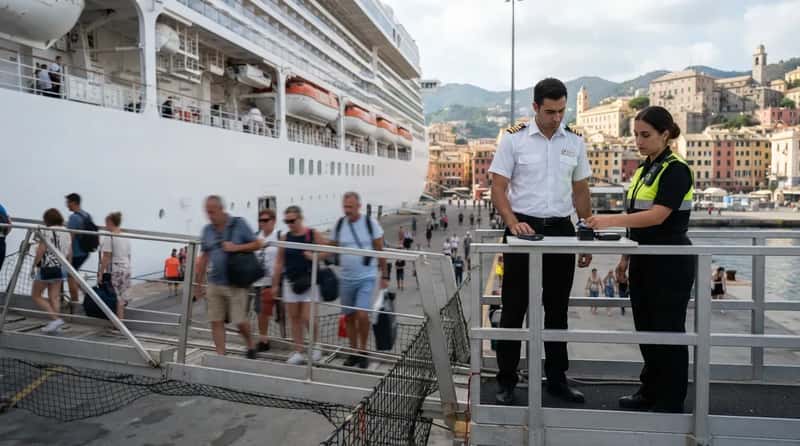
Every ship has to know who is aboard and who isn’t. Security rules under the international ISPS Code require controlled access, so the gangway is a checkpoint, not just a ramp. On most cruise lines, your cabin card swipe tells the ship you’re back.
Officers confirm the count before departure and chase down any missing names. In ports with strong tides, they also adjust the gangway as the angle shifts through the day. “All aboard” is a safety deadline, not a suggestion.
Worth Knowing
- The ISPS Code came into force on July 1, 2004, and covers ships on international voyages.
- Every swipe at the gangway adds to the ship’s live count of who is aboard.
- All-aboard time is usually set well ahead of departure so officers have time to reconcile the list.
- A missing name can delay the whole ship while the crew searches.
#21 – The Deck Closure That Annoys Everyone (and Prevents Injuries)
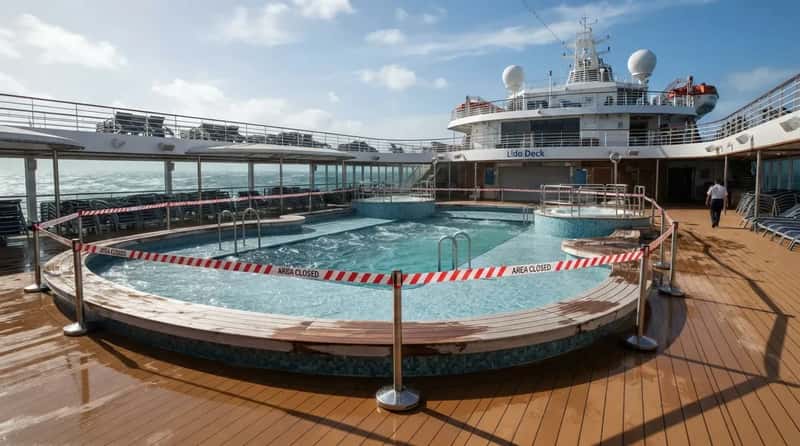
Nothing irritates guests like a roped-off pool deck on a sunny day. Officers close exposed areas when wind and motion make them risky. A tall cruise ship catches wind like a giant sail.
Gusts can slam doors, send loungers sliding, and knock people off balance. Pools are often closed in rough seas for the same reason. Officers would rather hear the complaints than file the incident report.
#20 – The Fatigue Problem Nobody Puts in the Brochure
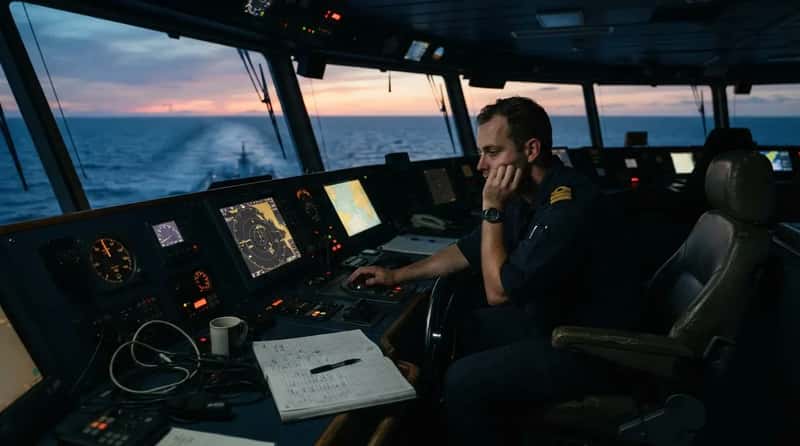
Tired officers are a safety hazard, and the rules know it. International standards set minimum rest hours for seafarers on watch duty. Officers must log their rest, and those logs can be inspected.
Many bridge teams work rotating watches, such as four hours on and eight off. The schedule is built around sleep, not convenience. Someone steering a ship at dawn may have to prove they actually rested.
#19 – The Five-Minute Handover That Prevents Disasters
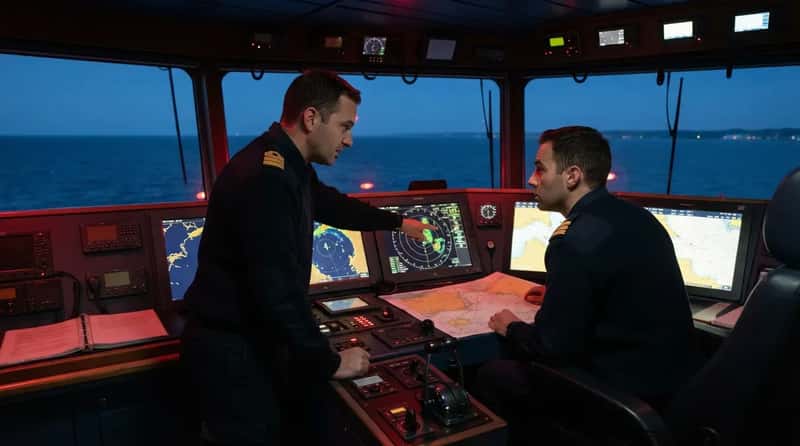
Every change of watch is a risk, so officers treat it like a relay race. The outgoing officer briefs the incoming one on traffic, weather, course, and any equipment problems. The captain’s standing and night orders spell out exactly when to call for help.
The new officer also looks outside and checks the radar before taking over. That pause keeps a small mistake from rolling into the next shift. Guests never see it, which is exactly the point.
#18 – The Bridge Is Kept Dim on Purpose
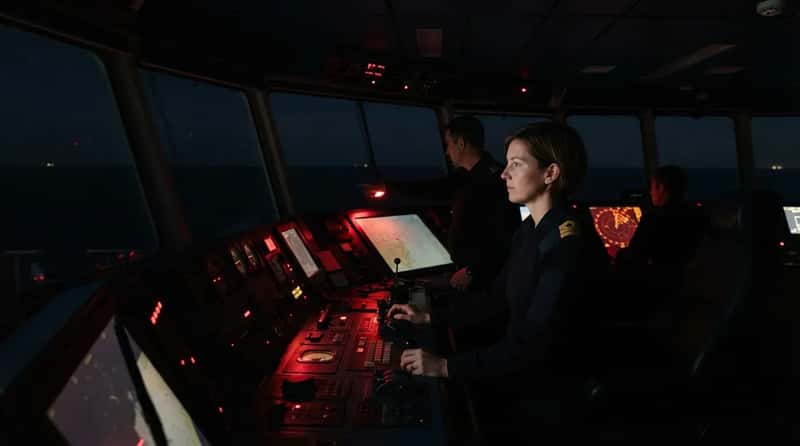
If you ever tour a bridge at night, you’ll notice how little light there is. Officers dim screens and cover bright indicators so their eyes can pick out dark shapes on the horizon. One flash of white light can undo your night vision.
That is why bridge teams use low red or dim lighting for charts and instruments. It looks moody, but it is practical: a dark bridge helps the people inside see the dark water outside.
#17 – Why Someone Is Still Staring Out the Window
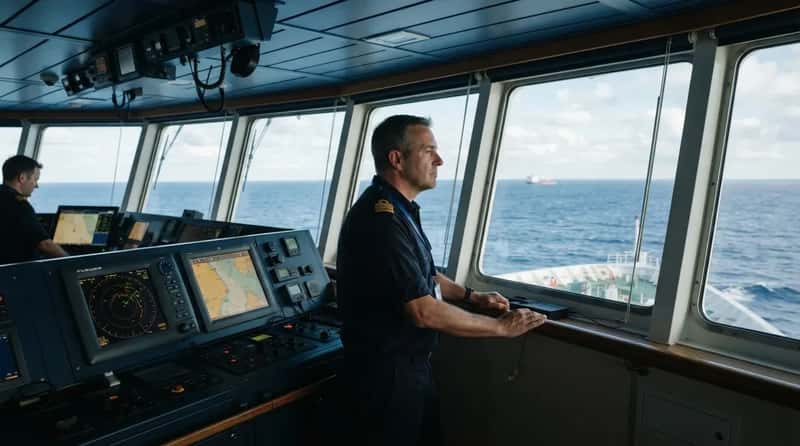
Radar, AIS, and electronic charts are everywhere on the bridge, yet officers still keep a human lookout. The collision regulations require a proper lookout by sight and hearing, as well as by all available means. Technology doesn’t replace eyes. It’s supposed to support them.
Some veteran mariners argue that modern screens tempt young officers to look up less. Others say the tools are a lifesaver in fog and heavy traffic. Either way, the rule hasn’t changed: someone has to look out the window.
#16 – The Route Is Planned Dock to Dock Before You Board
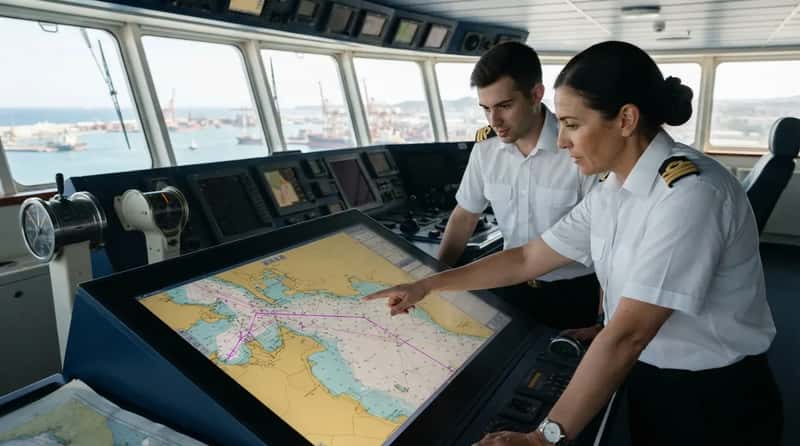
The ship doesn’t just point at the next port and go. International guidelines call for a passage plan covering the voyage from berth to berth. Officers mark hazards, safe-water limits, turn points, and backup options in advance.
The captain approves it, and the bridge team reviews it before departure. Then they compare the ship’s actual track against the plan all the way in. Guests only see a smooth ride, but it was scripted long before they unpacked.
#15 – The Warnings About Rockets, Drills, and Floating Hazards
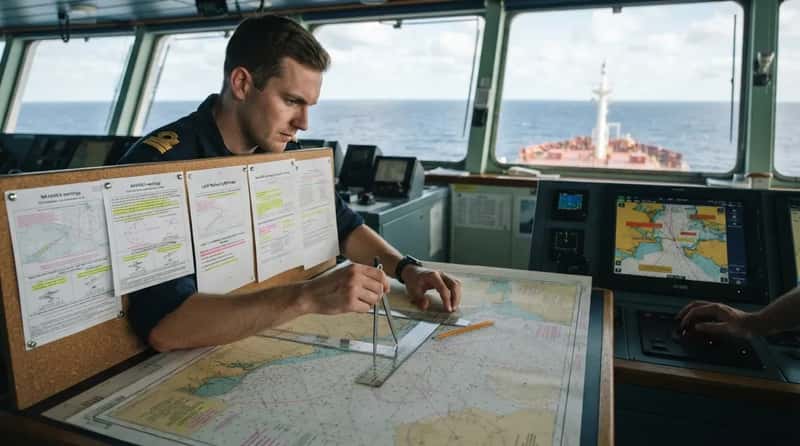
Ships receive navigational warnings all day. They cover lost cargo, military exercises, damaged buoys, and even rocket launch areas. Officers have to read and plot them all.
Charts and electronic systems need constant updating so the picture on the screen matches reality. A missed warning can mean sailing into a restricted zone or a debris field. It’s tedious work, which is exactly why it’s easy to get wrong.
#14 – The Stranger Who Boards and Still Isn’t in Charge
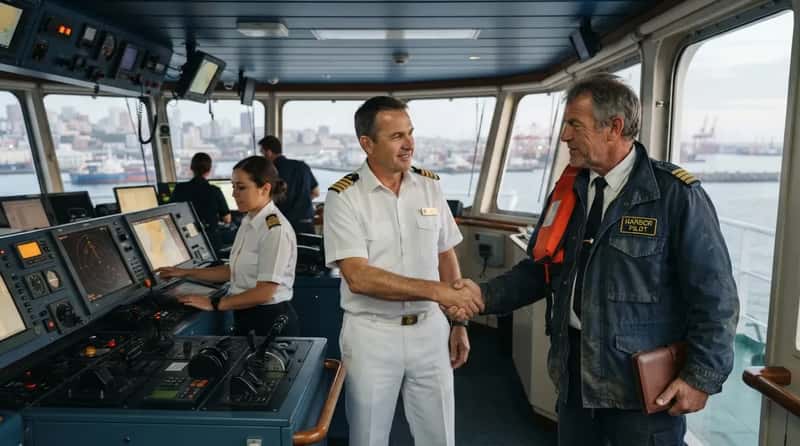
In many ports, a local pilot climbs aboard to guide the ship in. Pilots know the currents, shoals, and quirks of their harbor better than any visiting crew. In general, the captain remains responsible for the ship even with a pilot on the bridge.
That is why the bridge team briefs the pilot and keeps checking the plan. Officers question anything that doesn’t look right. Guests see a polite handshake, but behind it is a careful partnership with very little room for assumptions.
#13 – The Wind That Pushes a Giant Ship Sideways
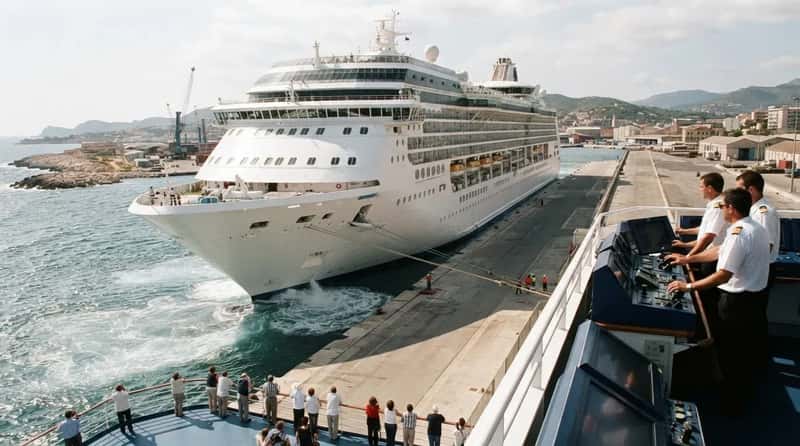
A modern cruise ship is basically a tall wall on the water. Officers must factor in wind strength and direction before every approach. A crosswind can push the ship toward the pier faster than most guests would believe.
Bow thrusters and other propulsion tools help hold the ship in place. Even so, if conditions exceed what the ship can handle, the captain may delay docking or divert. Some passengers grumble about late arrivals, but the officers have already weighed the alternative.
#12 – The Mooring Lines That Can Snap Like a Whip
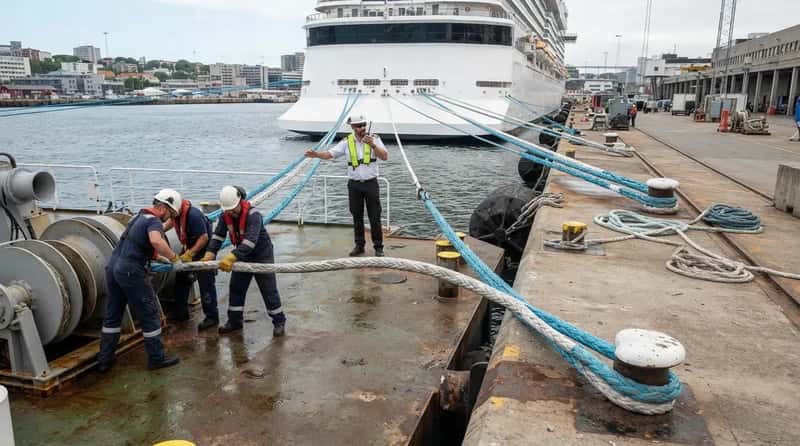
Mooring a ship looks like simple rope work from the rail. In reality, the lines hold enormous tension and officers supervise every step. A parted line can whip back with deadly force.
That is why crew stay out of the “snap-back zones” and work on careful commands. Lines are adjusted as the tide rises and falls. The most dangerous part of arrival happens while you’re lining up for the shore excursion desk.
At a Glance
- Snap-back zone: the area a line would sweep through if it broke under load.
- Crew work only on the officer’s commands, and everyone is trained to keep clear of lines under strain.
- Tide changes mean lines are tightened or eased throughout the stay.
- Departure repeats the same risks in reverse as the lines come off.
#11 – The Shallow-Water Trick That Makes Ships Sink Lower
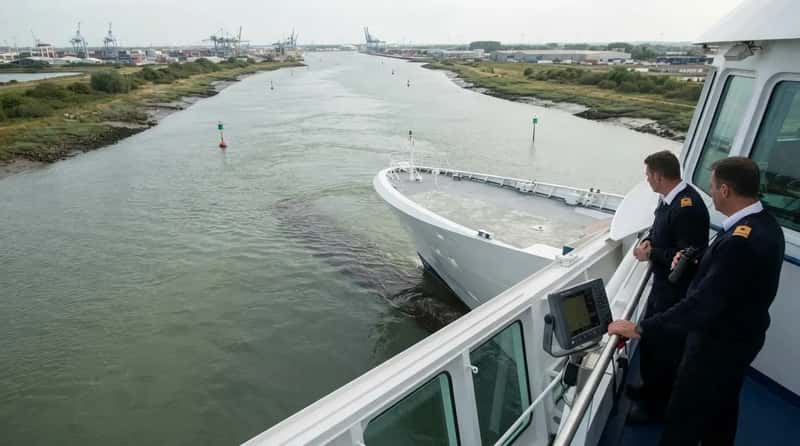
Officers track how much water is under the keel, especially near ports and channels. In shallow water, a moving ship can settle deeper and change trim, an effect called squat. Speed can quietly reduce a ship’s safety margin.
So bridge teams check tides, depths, and speed limits before entering narrow channels. They often slow down earlier than guests might expect. It looks cautious, but it keeps the hull off the bottom.
#10 – The Anchor Watch That Never Sleeps
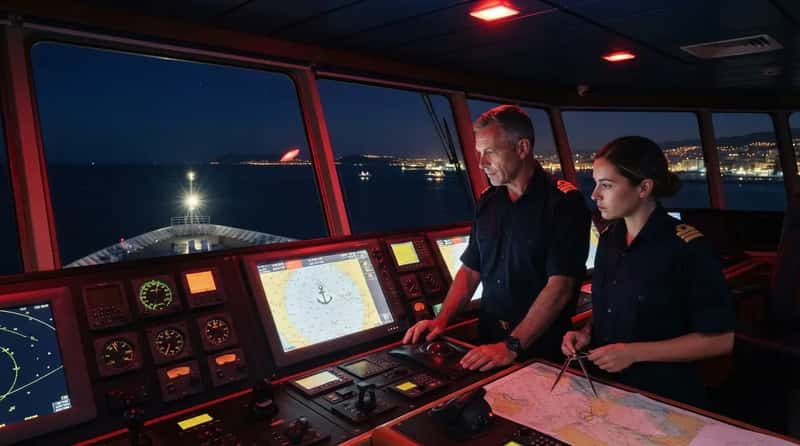
When a ship anchors off a port, officers don’t relax. They monitor GPS positions and alarms to check that the anchor is holding. A shifting wind can start dragging an anchor without anyone feeling it.
The bridge keeps a watch, checks bearings, and stays ready to start engines quickly. Guests feel safe and stationary, but the ship is supervised as if it were under way.
#9 – The Tender Call That Cancels Your Beach Day
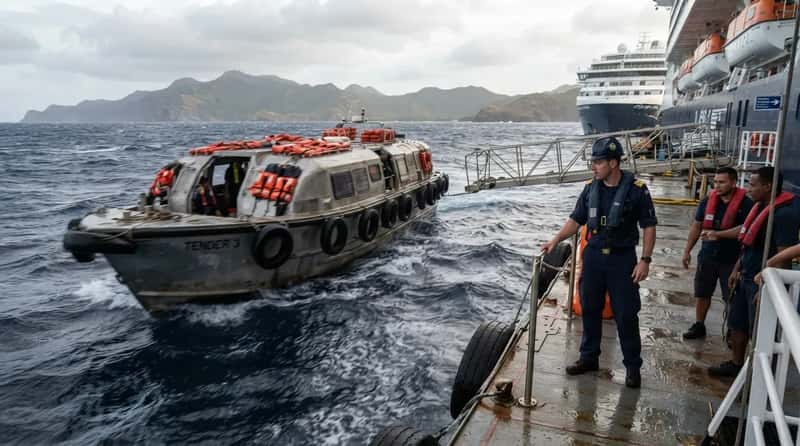
At anchored ports, guests are shuttled ashore in tenders, often lifeboats. Officers check swell and wind at the platform where passengers step across. A port can be technically open and still unreachable for tenders.
When the swell gets too big, the captain may cancel tendering. Plenty of travelers see that as a ruined day. Officers see it as the moment a sprained ankle could become a serious fall into a gap.
#8 – The Fog Signal You Might Hear Without Understanding
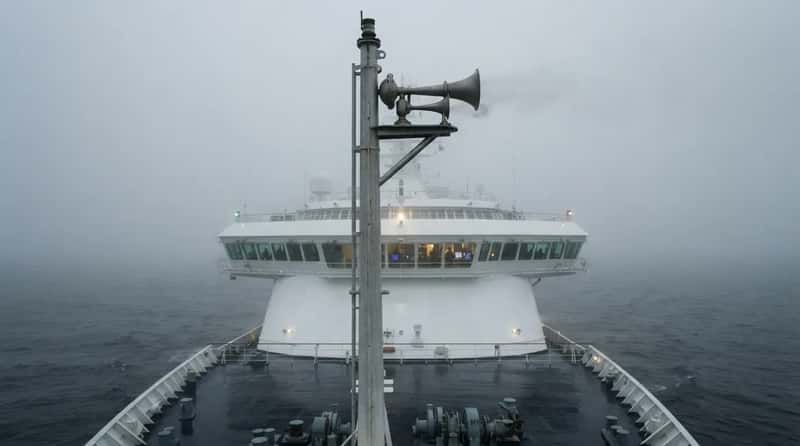
When visibility drops, officers switch to sound signals. Under the collision regulations, a power-driven vessel underway in restricted visibility sounds one prolonged blast at intervals of no more than two minutes. That deep horn is a legal requirement, not a mood setting.
Officers also slow down, post lookouts, and watch the radar closely. If you wake up to a repeating blast, the bridge is working. That long, lonely sound is the ship announcing where it is to everything it cannot see.
Quick Compare
- Underway and moving: one prolonged blast, at least every two minutes.
- Underway but stopped: two prolonged blasts in a row, also at least every two minutes.
- At anchor: a rapidly rung bell for about five seconds, at least every minute.
#7 – The Speed Limit You Can’t See Is Protecting Whales
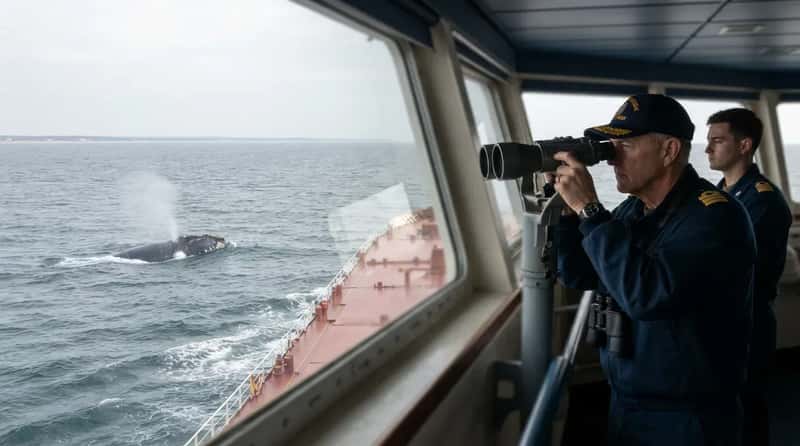
Officers watch for marine animals as part of navigation. Along parts of the U.S. East Coast, seasonal speed rules exist to cut ship strikes on endangered right whales. Lookouts are often told to scan the water for animals.
Slowing down can mean a later arrival, which not everyone appreciates. Experts say reducing speed is among the most effective ways to lower strike risk. Officers treat it like any other navigational constraint.
#6 – The Protected Park Where Only a Few Ships Get In
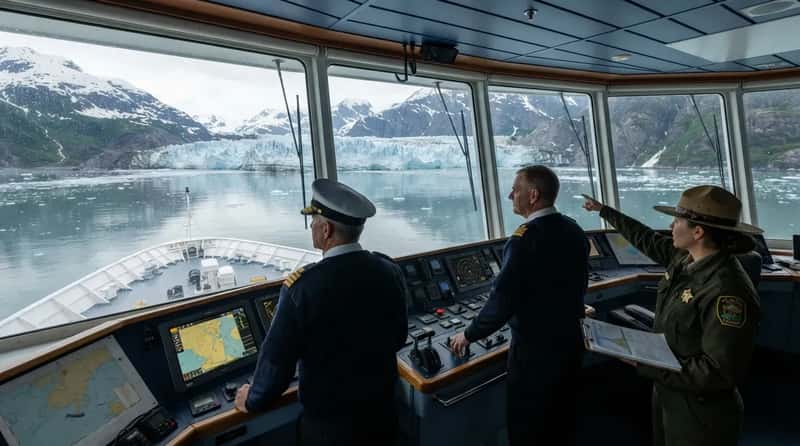
Some of the most famous cruise scenery is tightly controlled. Glacier Bay National Park in Alaska issues permits that limit how many cruise ships can enter. Park rangers board ships to guide and monitor the visit.
Officers must plan for restricted areas, speed rules, and wildlife protections. They also keep a safe distance from glacier faces, where ice can fall without warning. That jaw-dropping view is often the result of careful paperwork.
#5 – The Lifeboats Are Checked Constantly
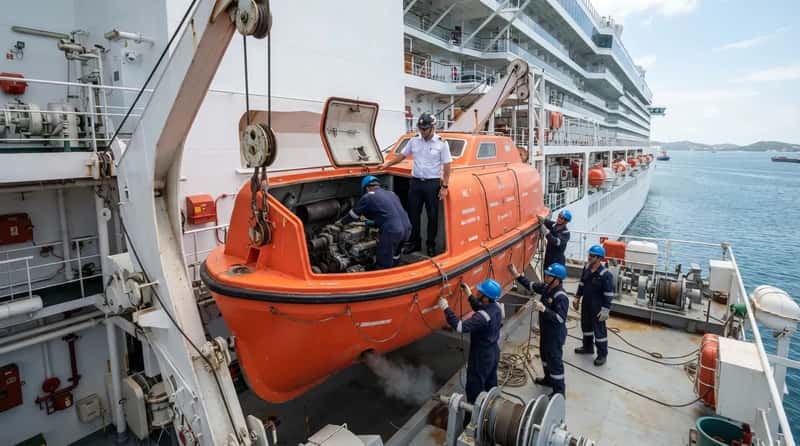
Lifeboats hang quietly on the side of the ship, but they’re far from forgotten. Safety rules require regular inspections and tests, including running engines and checking launching gear. On many ships, the lifeboats double as tenders, so they’re used constantly.
Officers oversee the maintenance and train crew to launch them. Because the equipment gets real use, problems tend to be caught before an emergency. A skeptic might call the drills a formality, but the maintenance logs say otherwise.
#4 – The Fire Patrols Walking Past You at Midnight
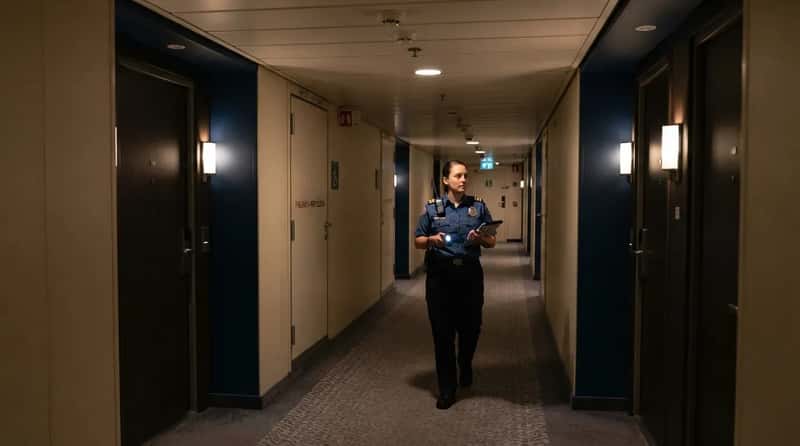
Passenger ships keep fire patrols moving through the vessel. These crew members look for smoke, blocked exits, and unsafe conditions while guests sleep. Doors can be closed from a central control station in an emergency.
That includes fire doors and watertight doors, which isolate parts of the ship. The bridge also watches alarm panels around the clock. The quietest hours on board are some of the most closely monitored.
Why It Stands Out
- The patrols run while most guests are asleep, when a small fire could go unnoticed longest.
- Fire doors help trap smoke and flames in one zone.
- Watertight doors can be closed from a central station.
- Alarm panels on the bridge are watched around the clock.
#3 – The Captain’s Call to Skip Your Dream Port
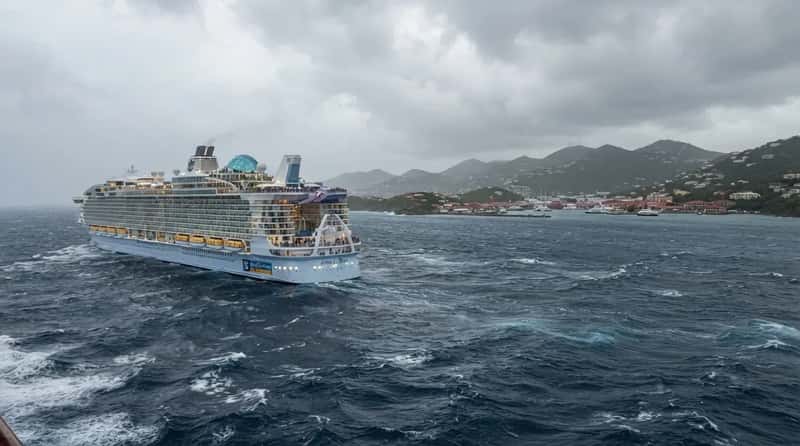
Few moments upset passengers more than a canceled port. Officers watch forecasts, sea state, and swell to decide whether a stop is safe. In October 2024, Hurricane Milton forced cruise lines to rework itineraries around Florida.
Many travelers say skipped ports are the worst part of a cruise. Officers argue the decision is made for safety, not convenience. A ship that steers around a storm is doing exactly what it should.
#2 – The Itinerary Rewritten Around Global Danger Zones
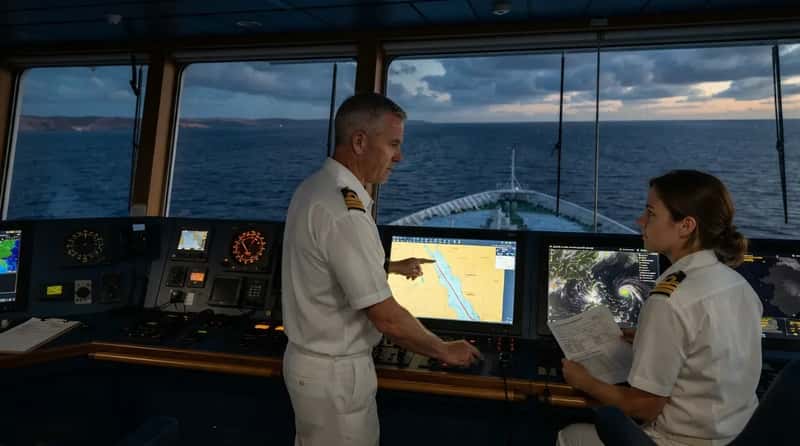
Officers and shore teams monitor security advisories for the regions a ship will cross. Since attacks on shipping in the Red Sea region began in late 2023, some cruise lines rerouted or canceled sailings there. Some voyages went around Africa instead of through the Red Sea.
That meant longer trips and big changes for passengers who had booked months earlier. Security rules under the ISPS Code also shape how ships operate in higher-risk areas. Most guests only see a new brochure, but the story behind it is much bigger.
#1 – The Emergency That Starts With One Sudden Alarm
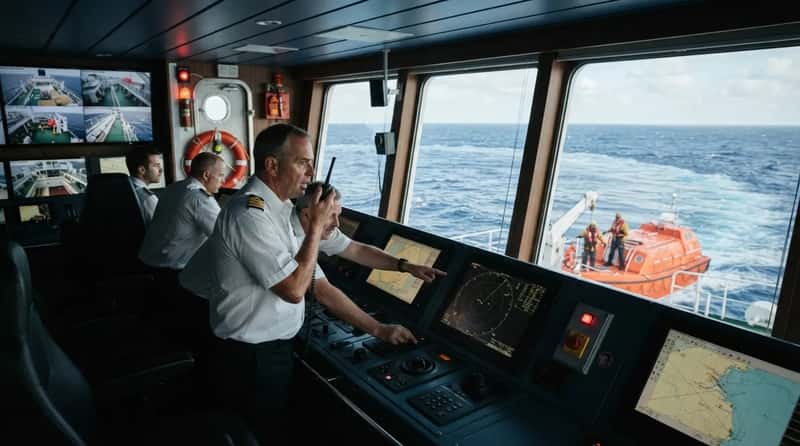
The most serious call on board is a person overboard. Many cruise lines announce it with a coded phrase, often “Oscar,” so crew respond without alarming guests. Time matters more than certainty, so the response begins while details are still being confirmed.
The bridge may turn the ship around, mark the position, and launch rescue boats. Crew review camera footage to narrow the search. Officers train for this moment constantly, hoping they never use it.
The best cruise day is often the one where nothing seems to happen. The calm sunset, the on-time arrival, and the smooth night’s sleep are what a lot of quiet decisions look like from the outside.
Next time the ship slides into port without a bump, remember that someone on the bridge already solved the problem you never had to meet.