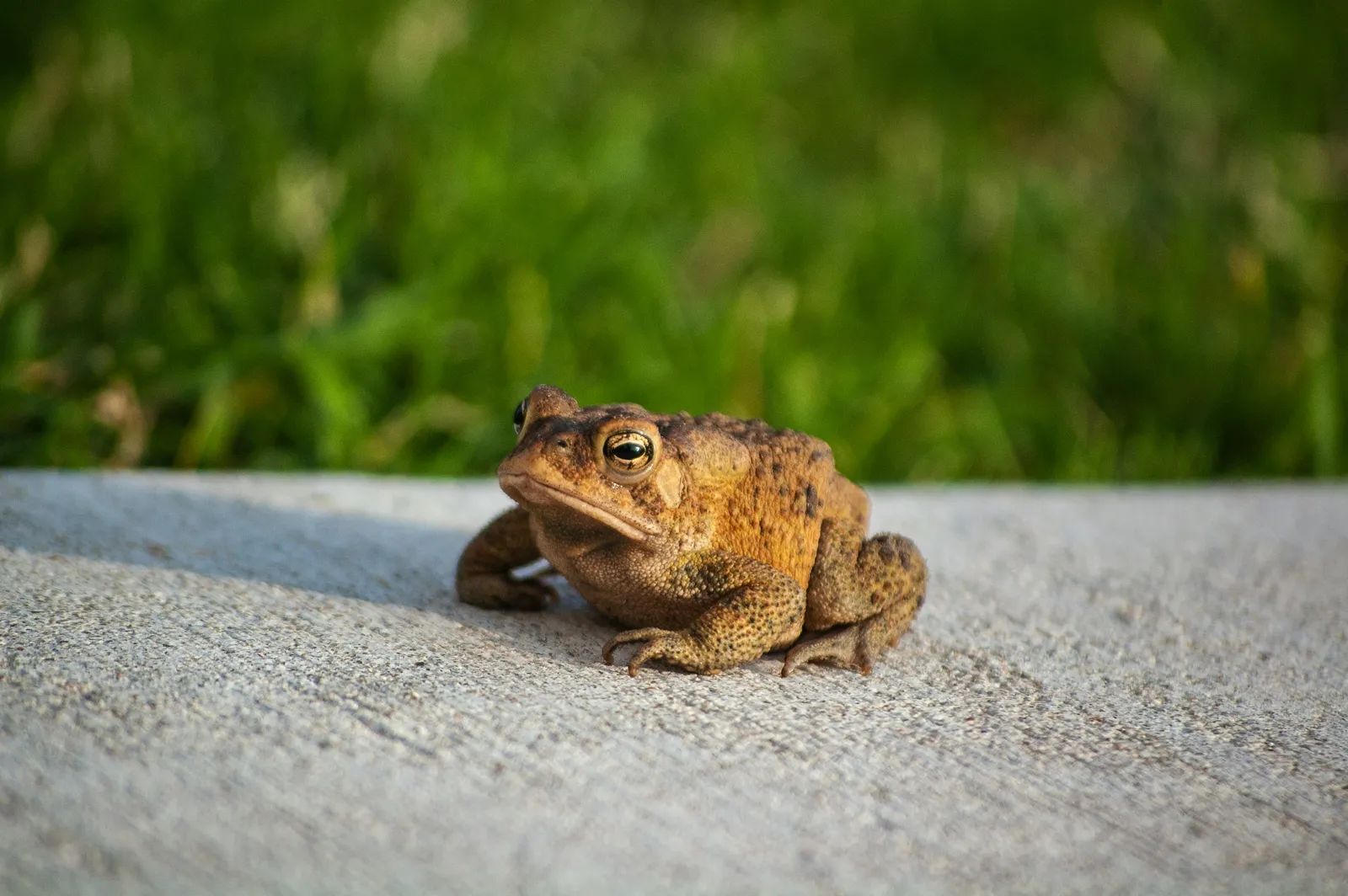
Southern Rocky Mountains – Boreal toads have faced steep losses in their high-elevation breeding sites for years, and new research shows that shrinking snowpack and shifting temperatures are making recovery harder. The amphibians, already hit hard by a deadly fungus, now contend with ponds that dry too soon and active seasons that no longer match available food. A recent analysis of four decades of data points to climate change as a growing complication in this remote western landscape.
Long-Term Declines in Mountain Wetlands
Boreal toads occupy a narrow band of habitat above 7,000 feet in Colorado, Wyoming, and New Mexico. These isolated populations sit far from other groups of the same subspecies and have seen many breeding sites vanish over the past two decades. Federal listing under the Endangered Species Act was once considered after sharp drops in numbers. The primary driver remains the amphibian chytrid fungus, yet researchers now see climate patterns layering additional stress onto an already fragile system. Survey records from 2001 to 2019 revealed that successful reproduction at monitored ponds fell by more than 40 percent. That drop matches field observations reported by biologists working across the region. Most breeding occurs in semi-permanent wetlands that rely on snowmelt to stay wet through the tadpole stage. When water levels drop early, eggs can be left stranded or tadpoles may fail to reach metamorphosis.
Shifting Water and Temperature Patterns
Scientists modeled water availability at 152 historical breeding locations using satellite observations from 1985 through 2020. They paired those records with temperature and snowpack measurements to track conditions at each site. The results showed that many ponds now lose water before young toads can complete development. Projections indicate the trend will intensify as winters grow milder and snow accumulation decreases. These changes affect not only immediate breeding success but also the broader suitability of mountain wetlands. Managers need practical ways to anticipate which sites will remain viable. A web tool developed by one of the study authors lets users view past trends and future forecasts for individual ponds, including added wildfire risk layers.
The Unexpected Cost of Shorter Hibernation
Warmer winters shorten the time toads spend dormant, which researchers initially expected to improve body condition. Data instead revealed the opposite outcome. Extended active periods appear to create a mismatch with insect availability, leaving animals in poorer shape when cold weather finally arrives. Toads that remain above ground longer also face extended exposure to predators and the chytrid fungus. “When they’re hibernating, they’re really not vulnerable to any sort of threat,” noted coauthor Larissa Bailey of Colorado State University. The fungus remains a dominant factor, yet it interacts with climate variables in ways that are difficult to separate. Climate change therefore does not act in isolation; it amplifies pressures already present in the system.
Looking Ahead for High-Country Amphibians
The study underscores how multiple stressors converge on a single species in a changing landscape. While the chytrid fungus continues to drive much of the observed decline, altered snowpack and temperature regimes add new constraints on reproduction and survival. Continued monitoring combined with decision-support tools offers managers clearer options for prioritizing protection of remaining sites. The findings highlight the value of long-term data sets in revealing slow, cumulative effects that might otherwise go unnoticed.