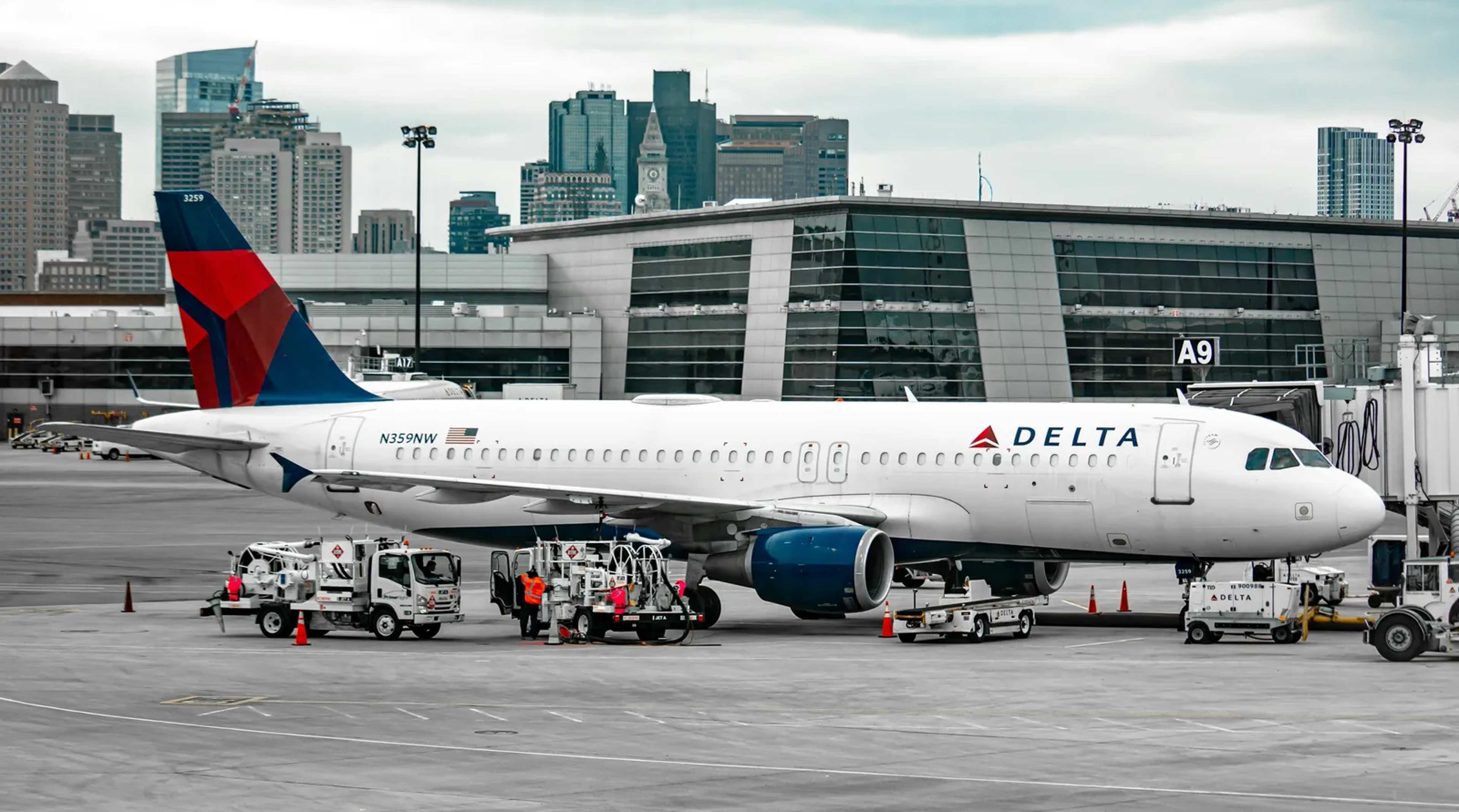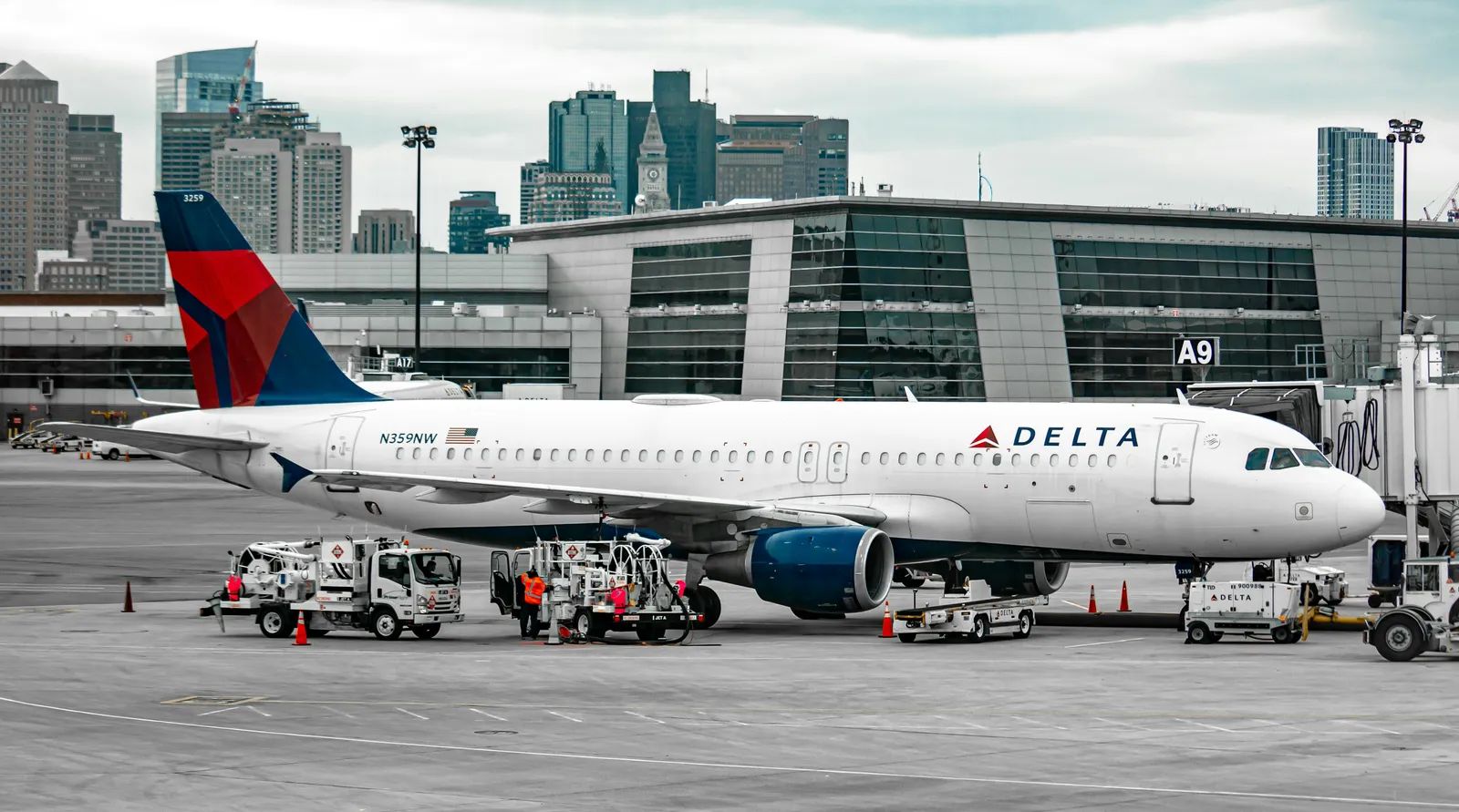
Delta Air Lines has postponed the start of its planned nonstop service between Atlanta and Riyadh until at least March 2027. The carrier had intended to begin flights from its Atlanta hub to King Khalid International Airport on October 23, operating daily at first before settling into a three-times-weekly schedule. Security concerns stemming from recent strikes on the Saudi airport prompted the change.
Strikes Force Immediate Halt
A series of attacks on Riyadh’s main airport late last week and over the weekend killed at least 16 people and wounded more than 300 others. Reports indicated damage to terminal buildings and at least one Saudia aircraft on the ground. The airport is expected to remain closed through at least 9 p.m. GMT on October 17, and multiple carriers have already suspended operations once it reopens. Delta had been monitoring the situation closely. Chief Executive Ed Bastian noted in a recent interview that safety considerations would ultimately determine whether the route proceeded on schedule. The airline confirmed the postponement in a statement released on Monday.
Passenger Options and Next Steps
Travelers booked on the inaugural flight or any departures before the new March start date can manage changes through the “My Trips” section of Delta’s website or mobile app. Available choices include rebooking on alternative dates, rerouting through other gateways, or requesting a full refund. The airline emphasized that it remains committed to serving Saudi Arabia over the long term. Several other carriers have also adjusted schedules in light of the airport closure and ongoing regional tensions. Passengers are advised to check directly with their airline for the latest flight status.
Route Context and Strategic Goals
The Atlanta-Riyadh service would have marked the first nonstop commercial route between the United States and Saudi Arabia operated by a U.S. carrier. Delta planned to fly the route with its Airbus A350-900 aircraft. The move formed part of a broader partnership with the new Riyadh Air and was supported by subsidies under Saudi Arabia’s Air Connectivity Program. Competitors American Airlines and United Airlines already maintain relationships with Gulf carriers. Delta viewed the route as an opportunity to expand access to markets across the Middle East and Indian subcontinent while meeting what executives described as strong U.S. demand for travel to the kingdom.
Looking Ahead
The delay highlights how quickly geopolitical developments can affect airline planning. While the route carries relatively low financial risk thanks to government support, early booking trends reportedly fell short of expectations. Delta has not ruled out further adjustments depending on conditions when the March launch window approaches. The airline’s statement underscored its continued interest in the Saudi market despite the temporary setback. Travelers and industry observers will watch closely to see whether the rescheduled service proceeds as planned or faces additional shifts.