Delta Air Lines hasn’t dropped its plan to fly nonstop from Atlanta to Riyadh. It has pushed the start back. The route was due to begin on October 23, 2026. Delta said Monday it would postpone the launch of its Riyadh flights to March 2027 following a series of attacks on airports throughout the country.[1]
The delay follows weeks of speculation that Delta was reviewing the service. What’s confirmed is a target of March 2027, not a guaranteed flight. Here’s what is known, and what remains open.
A Route Review Surfaced Before the Delay
Doubts about the launch appeared a few weeks before the postponement. Aviation analyst Enilria reported on September 21 that Delta faced a decision over whether to proceed with the service.[2] The report placed the decision point roughly one month before the scheduled inauguration.[2]
That report came through an analyst, and Travel And Tour World described it as the carrier “reportedly” reviewing the route. Delta didn’t frame the situation that way in its own statement. Its message was about timing, not cancellation.
What Delta Actually Announced on October 12
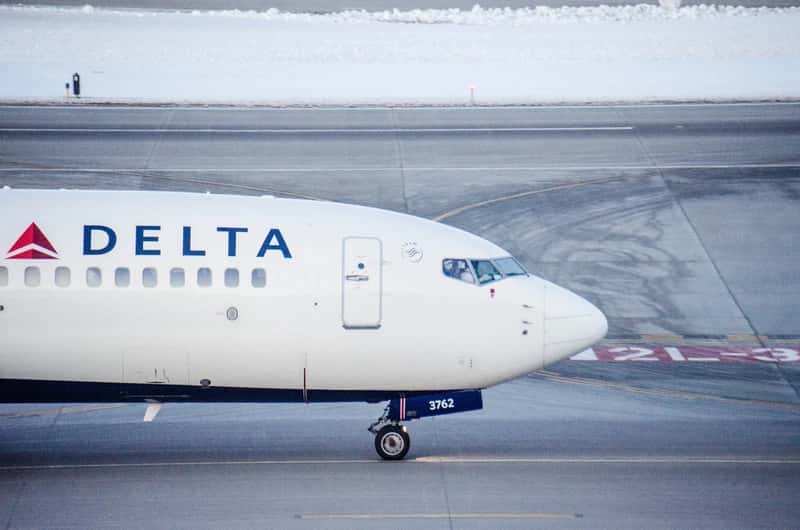
Delta’s statement was short and cautious. It said it would delay the planned launch of its nonstop service between Atlanta and Riyadh “amid evolving developments in the region.”[1] The airline added that the safety and security of customers and employees always come first.[3]
The airline also kept the door open. It said Saudi Arabia remains an important market and that it is committed to serving the Kingdom for the long term.[4] That wording is why the headline holds: the route is postponed, not scrapped.
The Airport Attacks Behind the Decision
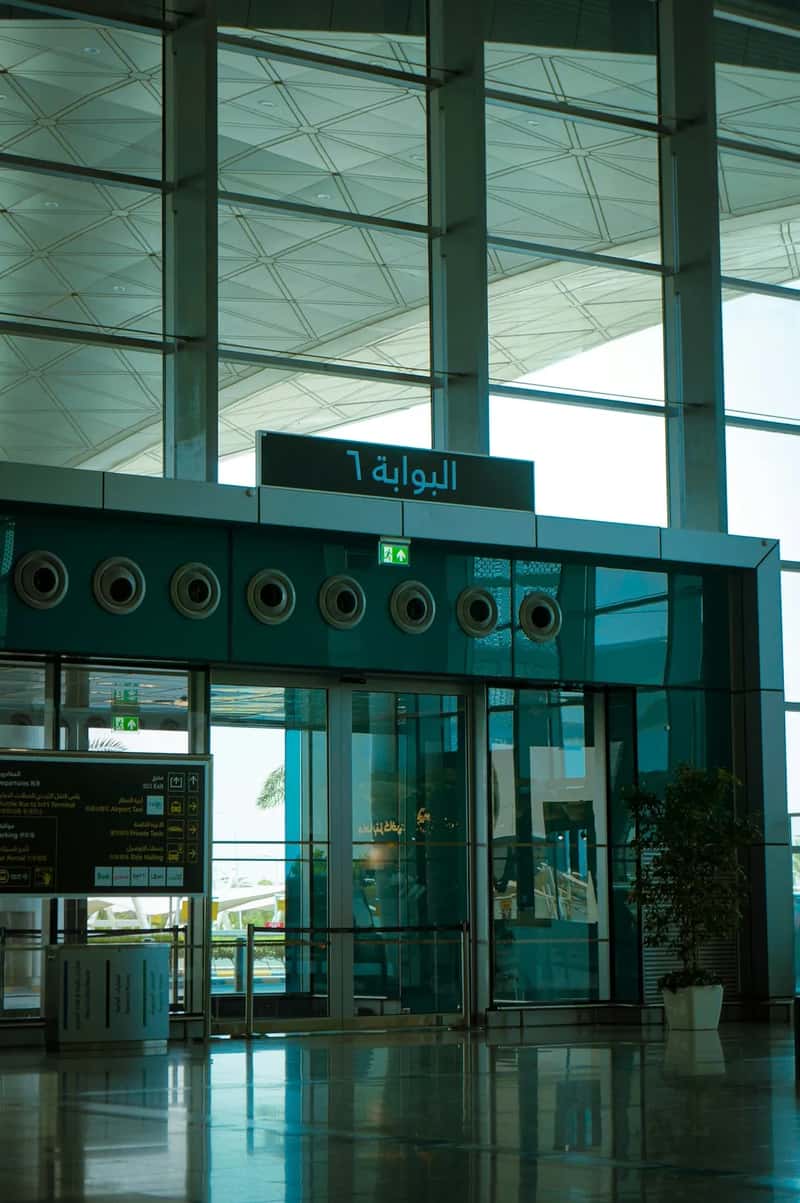
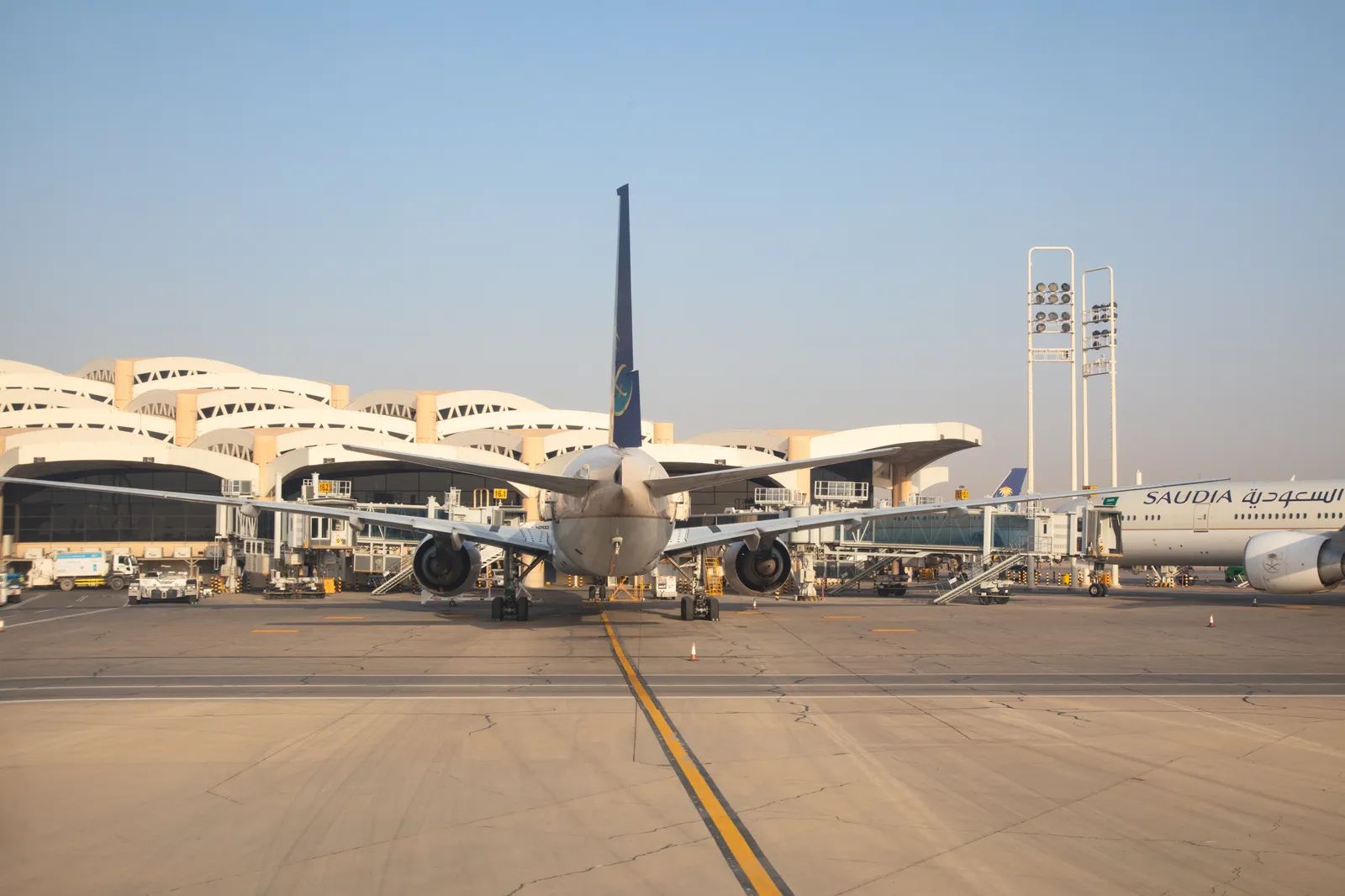
Security was the immediate trigger. The announcement followed a spate of attacks over the past week on Riyadh’s King Khalid International Airport by the Iran-backed Houthi rebels in Yemen, including an Oct. 10 attack that killed 13 people and left more than 300 injured.[5] An attack on Oct. 11 also caused a fatality.[5]
Skift also reported an additional factor. The delay came after attacks on Saudi airports and an FAA advisory to exercise caution over Saudi airspace.[1] Business Traveller reported that missile and drone attacks resulted in the closure of King Khalid International Airport.[4]
How the Original Plan Was Built
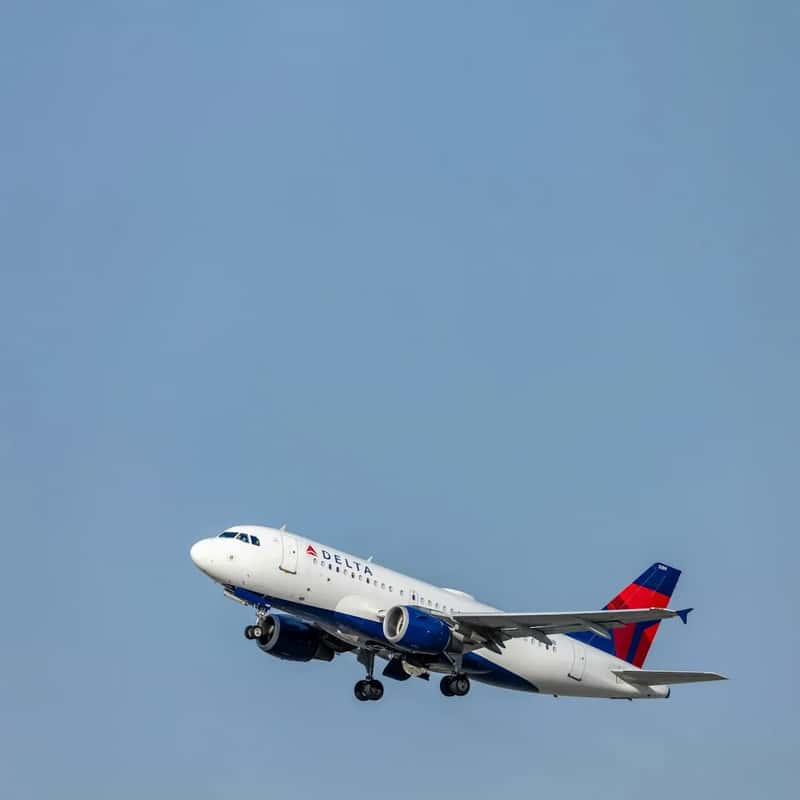
The route was ambitious on paper. Delta would have operated from Hartsfield-Jackson Atlanta International Airport to Riyadh, establishing the first direct route to Saudi Arabia by an American carrier.[6] An Airbus A350-900 was assigned, with daily flights during launch week before moving to three times weekly.[6]
It would also have been one of the airline’s longest flights. The Atlanta to Riyadh sector was listed at about 12 hours and 55 minutes, with a scheduled return block time of 15 hours and 7 minutes.[7] Published schedule times varied between outlets, so the exact departure times are best checked with Delta.
Demand Questions Were Already in the Background
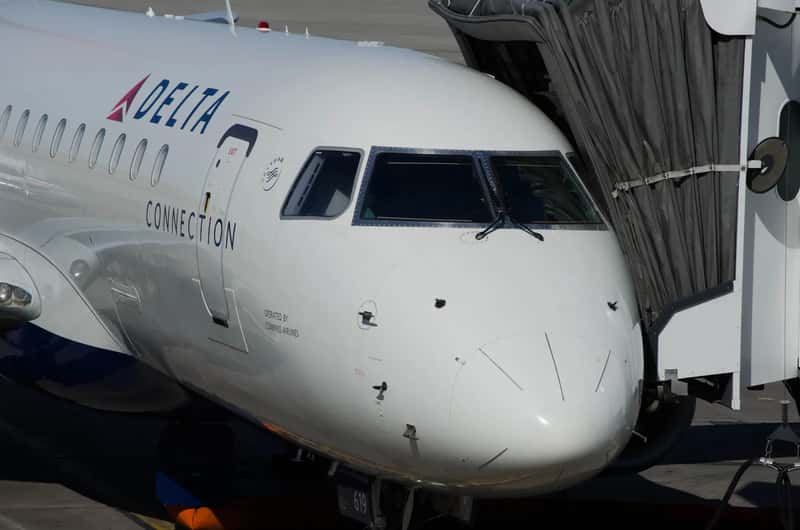
Security wasn’t the only concern. Skift noted that the service was already facing questions about safety and demand ahead of the original October launch.[1] Simple Flying reported that Delta admitted to “softer than anticipated” booking demand before discounting fares.[8]
The promotions were noticeable. One economy round-trip offer let passengers fly Atlanta to Riyadh and back for as little as 30,000 miles plus $77.[8] Cash fares started around $670 roundtrip.[6] Cheap launch pricing is common on new routes, though it can also hint at slow early sales.
Why Delta Wants Riyadh Anyway
The commercial logic goes beyond ticket sales. One Mile at a Time observes that Delta’s motivation includes its partnership with Riyadh Air, which provides onward connectivity across the Middle East and the Indian subcontinent, as well as government subsidies and revenue guarantees offered to airlines flying to Riyadh.[9]
There’s also a competitive gap to fill. Delta lacks a close Middle East partner of the kind that American and United both hold.[9] Skift reports that Riyadh Air was approved to fly to the U.S. in June.[1] That helps explain why Delta is delaying rather than walking away.
Other Airlines Are Pulling Back Too

Delta isn’t alone in its caution. Air France, British Airways, and Lufthansa have suspended Riyadh service, Cathay Pacific canceled flights until January 31, 2027, and Singapore Airlines delayed its Riyadh launch to March 28, 2027.[1]
That context matters for judging March. Delta’s target sits in a market where several carriers are waiting for conditions to improve. If the situation stays unstable, a second delay can’t be ruled out.
What Passengers Should Do Now
If you booked the inaugural service, Delta has outlined remedies. Customers with affected travel plans can visit the My Trips section of delta.com to review their options, including refunds.[10] A travel waiver for Riyadh is available.[10]
Be careful with dates. Loyalty Lobby reports Delta intends to begin service on March 27, at the start of the IATA 2027 Summer Season.[10] However, other coverage notes the airline has not confirmed a specific departure date.[11] Treat any March booking as provisional.