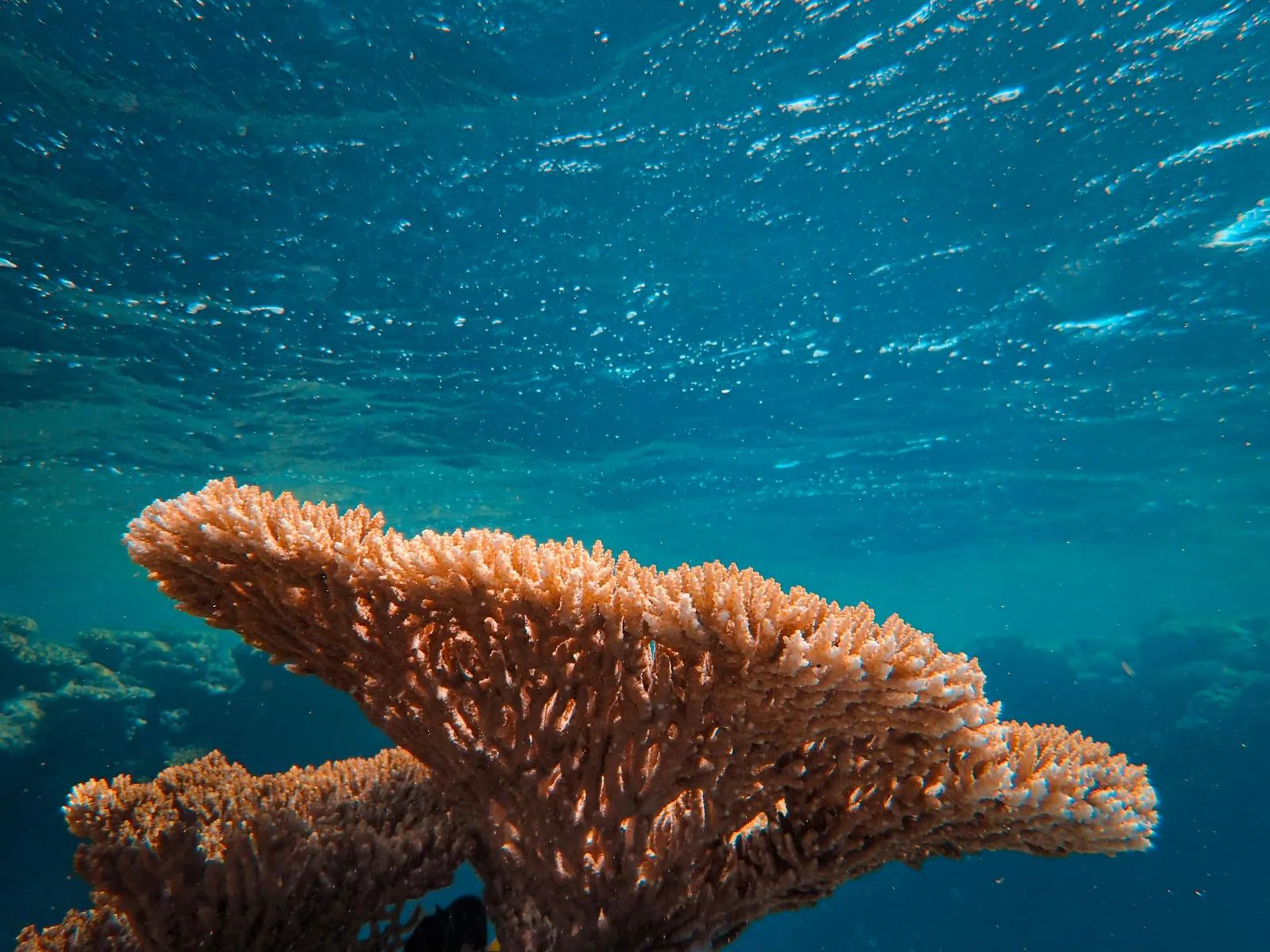
Off the coast of Rio de Janeiro, a small team is carrying out an unusual conservation task. Brazilian biologist Adriana Gomes leads volunteer divers who are manually clearing sun coral from an offshore oil platform located in a marine protected area near the famous Ipanema beach. The effort targets an invasive species that first appeared in Brazil more than 40 years ago and has since spread along the coastline without natural predators to keep it in check. The work highlights a direct response to a growing ecological pressure in one of the country’s most visited coastal zones.
The Invasive Species and Its Reach
Sun coral arrived in Brazilian waters decades ago and quickly established itself in new locations. Without local predators, the organism has expanded steadily along the shoreline. Marine experts note that unchecked growth can smother native species and alter the balance of reef communities that support fish and other wildlife. The coral’s presence on artificial structures such as oil platforms provides stepping stones for further dispersal. Once established on these surfaces, fragments can break off and colonize nearby natural habitats. This pattern has raised concerns among conservationists monitoring protected zones close to popular beaches.
Manual Removal in a Protected Zone
Gomes and the divers rely on a straightforward approach: they detach the coral by hand during repeated dives. The method avoids chemicals or heavy equipment that could disturb the surrounding environment. Each session focuses on clearing visible colonies from the platform’s surfaces before they release more larvae into the water. The marine protected area sits just offshore from Ipanema, a location known worldwide for its scenic shoreline. Protecting this zone requires addressing the coral at its source on the nearby structure. The team’s repeated visits aim to reduce the population before it can spread further into the reserve.
Why the Location Matters
Ipanema beach draws large numbers of visitors each year, placing the adjacent waters under constant observation. The protected area nearby serves as a refuge for marine life that might otherwise face pressure from coastal development. Removing the invasive coral from the platform helps maintain that refuge. The oil platform itself functions as an unintended habitat that accelerates the coral’s movement along the coast. Clearing it reduces one of the main points of origin for new outbreaks. Local authorities and researchers view the platform as a priority site because of its proximity to the reserve.
Looking Ahead for Coastal Protection
Continued monitoring will determine whether the hand-removal efforts produce lasting results. The approach demonstrates how targeted, low-impact actions can address invasive species on artificial structures. Similar techniques may be considered at other sites where sun coral has taken hold. The work near Ipanema shows that protecting marine reserves sometimes requires direct intervention on nearby infrastructure. As the coral continues to pose risks along Brazil’s coast, such localized efforts remain part of broader strategies to safeguard native ecosystems.