You found the perfect tour. The photos are gorgeous, the rating is 4.8, the listing says “small group,” and the price makes you feel like a genius. Then the day arrives, and it includes a long stop at a souvenir warehouse, a headset where a live guide should be, and an “easy walk” that turns out to be a staircase that never ends. These 12 questions are the ones seasoned travelers ask before they hand over a credit card, and they’re the reason their days tend to go the way the listing promised.
None of them are complicated, and you can send most by email in under a minute. But a few make operators pause, and one near the end shows you whether a company deserves your money at all. Start at the bottom of the countdown, because even the small-sounding questions have a way of saving the day.
#12 – “What Does ‘English-Speaking Guide’ Actually Mean?”
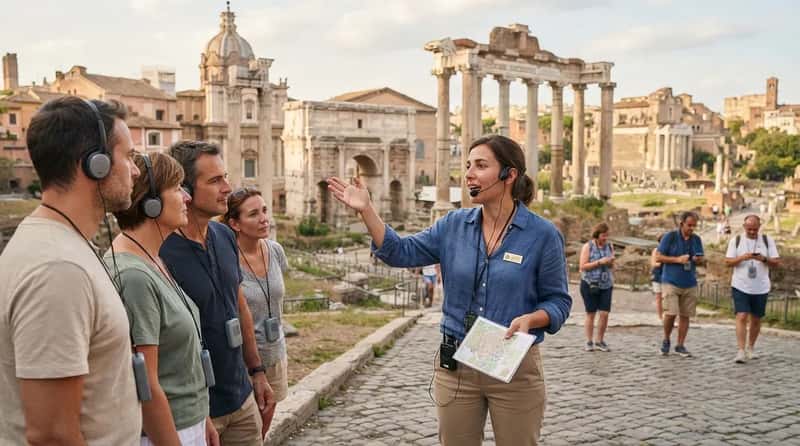
The phrase sounds simple, and that’s the trouble. It can mean a dedicated guide who speaks English to your group, or a bilingual guide who flips between languages and hands you half the commentary. On a three-hour tour, that can quietly cut the stories you paid for roughly in half. Nobody lied, exactly. The listing just never said.
Ask whether the guide speaks live or whether you’ll get headphones and a recording. Live guides suit people who love asking questions, while audio guides let you control the volume and pace. Neither is wrong, but imagine booking for a real person and being handed a plastic device at the meeting point. The listing never said which one you were getting. Spotting that gap takes about ten seconds, and it sets up the next question, which is about the person holding the microphone.
#11 – “Who Is Actually Leading This, and What’s Their Background?”
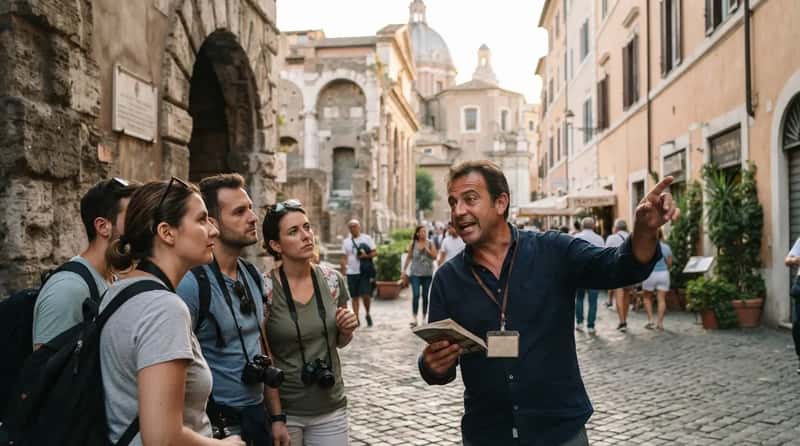
A guide is the product, yet most booking pages never name one. Some guides are trained historians or degreed naturalists, and some grew up three streets from the sights and know which bakery opens early. Others are simply whoever the company could find that morning. The same route can feel like a movie or like a recitation, depending on who’s talking.
Adventure-travel operators draw a sharp line here. Being told that a named local guide or the company owner will lead you is a world apart from hearing that “one of our guides will take care of you.” You don’t need a résumé. Just ask how long the guide has worked in the area and what they know best. A confident, specific answer is the whole test. If the reply is a blur of adjectives, you’ve learned something.
#10 – “What’s the Maximum Group Size, Not the Average?”
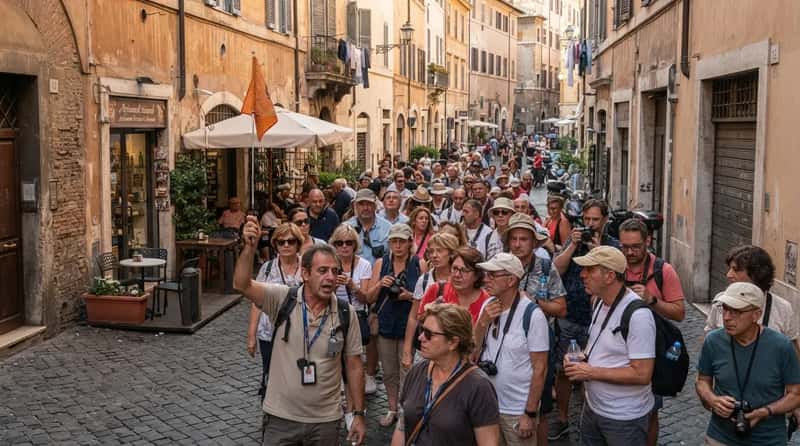
“Small group” is not a measurement. One company’s small group is eight people, and another’s is thirty-five. Family travel guides list the maximum number of travelers as a core question, right next to how many guides are assigned. Ask for both numbers, and make sure you’re hearing the cap rather than a flattering average.
The difference shows up in small, annoying ways. At the back of a big group you can’t hear a word, and the guide can’t answer your question without holding everyone up. Restaurant seating, bathroom stops and boarding the bus all stretch out. A tour sold as “intimate” can still run like a parade. If you can, get the cap in writing, even if it’s just a reply email you can screenshot.
Fast Facts
- Ask for the maximum number of travelers, not the typical turnout.
- Ask how many guides are assigned to that group.
- Check whether the cap holds in busy season, too.
- Keep the reply email as proof of what you were told.
#9 – “Are There Shopping Stops on the Itinerary?”
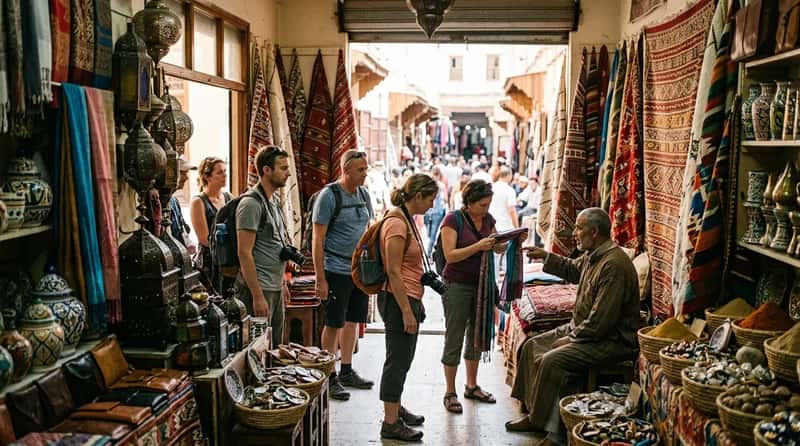
This is the question guides notice, because most customers never ask it. In some destinations, tours include shopping stops where guides or operators earn a commission on sales. That isn’t a scandal everywhere, and plenty of guides would happily rely on honest tips instead. The trouble starts when the stop is long and the sights get shorter.
The real damage happens when a shopping stop eats the time you paid to spend at the sights. Travelers often name it as the biggest hidden cost of cheap tours. You can end up leaving a landmark early so the group can browse rugs, jewelry or souvenirs you never planned to buy. The cheapest ticket can be the most expensive afternoon. Plenty of seasoned travelers argue the lowest price on the page is rarely the lowest once you count what you lose.
#8 – “What’s Included, and What Will I Pay for On the Spot?”

“Included” is the most stretched word in travel. Ask which meals are covered, whether drinks count, and whether tips for the guide and driver are in the price. Entrance fees are another common surprise, so confirm those too. It’s far better to learn the answers by email than at a ticket window with a line forming behind you.
Think about your real cost, not the headline cost. A tour that looks $40 cheaper can end up costing more once you add lunch, tickets and tips. Do the math for each option before you compare them. A low price often means the extras were moved off the invoice. The tour that looked like a bargain may simply be the one that sent you the bill later.
#7 – “How Many Minutes Do We Get at Each Stop?”
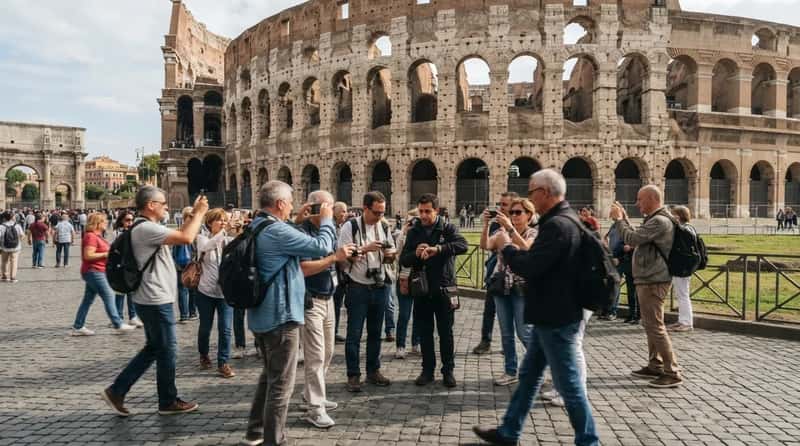
A tour of “ten top sights” can turn out to be ten photo stops. Reviewers describe both extremes. Some tours rush you from a museum to a ruin so fast that the day becomes a blur, while others park you in front of one monument for half an hour. Neither extreme shows up in the headline.
So ask for minutes, not stop names. Then check whether travel time between stops counts toward the total, since moving a group around a busy city can eat into the clock. Three hours on the listing can mean ninety minutes on your feet at the sights. Once you have the schedule, you can decide whether that’s the day you actually want.
Quick Compare
- A photo stop: a few minutes at a viewpoint, often without going inside.
- A real visit: time to go in, hear the story and ask your questions.
- The sneaky clock-eater: loading the bus, waiting for stragglers and walking between stops.
#6 – “What Does ‘Easy’ Really Mean Here?”
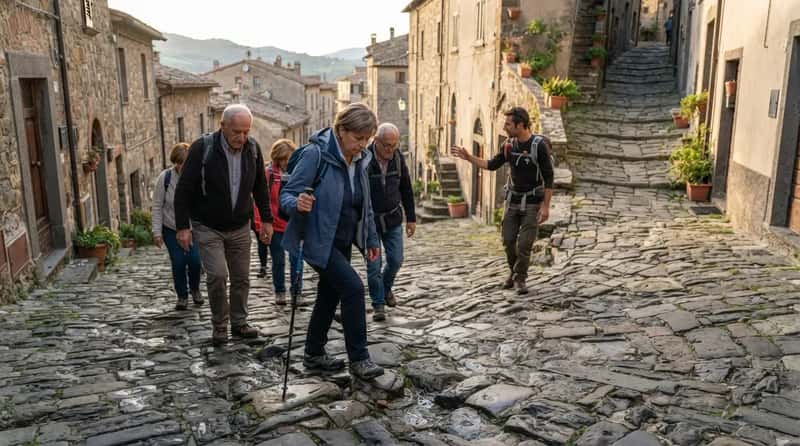
Brochures love words like “moderate” and “leisurely,” and they mean almost nothing. One company’s leisurely can be another company’s endurance test. A hundred readers can see the same word and picture a hundred different days. Plenty of operators would rather you asked for specifics up front.
Useful questions are concrete. How many hours a day will you be on your feet? Are there stairs without handrails? Is the ground paved, gravel or ancient cobblestone? Cobblestones and hills can end a sightseeing day faster than rain. Old hill towns are the usual culprits, and that charming lane in the photo is rarely flat.
#5 – “What Happens If It’s Canceled, By Me or By You?”
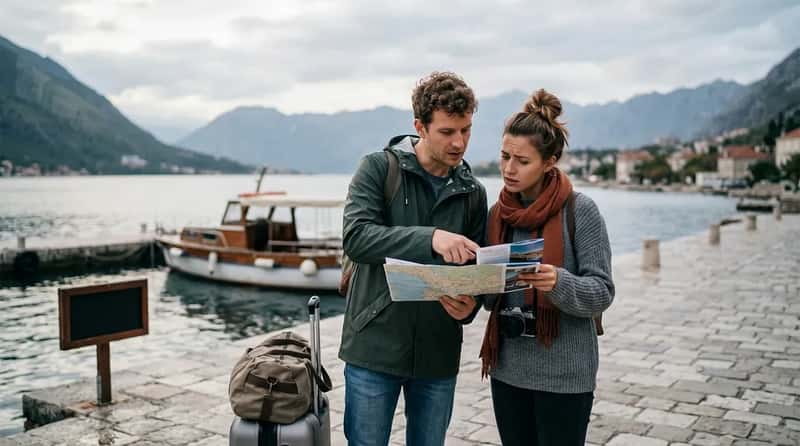
Most travelers read the refund policy for their own cancellation. Experienced ones read the other half too. You should know what happens if the company cancels because of bad weather or too few passengers. Those are among the most common reasons a tour doesn’t run, and they’re the ones nobody plans for.
Look for the exact cutoff and the form the refund takes. Some operators offer cash back, while others offer a credit you may never use. A “free cancellation” label can have a deadline measured in hours. Screenshot the policy at the time you book. If a tour is the main reason for your trip, that screenshot can matter more than the confirmation email.
Worth Knowing
- Weather and minimum-passenger cutoffs are the two company-side cancellations to ask about.
- Find out whether a refund goes back to your card or arrives as a credit.
- Check whether the cutoff is counted in hours or days, and in which time zone.
- Save a screenshot of the policy on the day you book.
#4 – “Do I Need a Tour for This, or Just a Timed Ticket?”

Sometimes a guide is required. Some famous places, such as Machu Picchu and the Galápagos, have rules about guides, so check the official site for the current ones. Other times, the “tour” is just a ticket with a markup and a meeting point.
That gap can be worth it. A good guide turns a pile of old stones into a story you’ll repeat at dinner for years. But some travelers believe a few famous attractions are better visited alone, with an audio guide or a good book. You can pay a premium for a service the venue already offers. The trick is knowing which one you’re buying.
#3 – “Who Else Is on This Tour?”
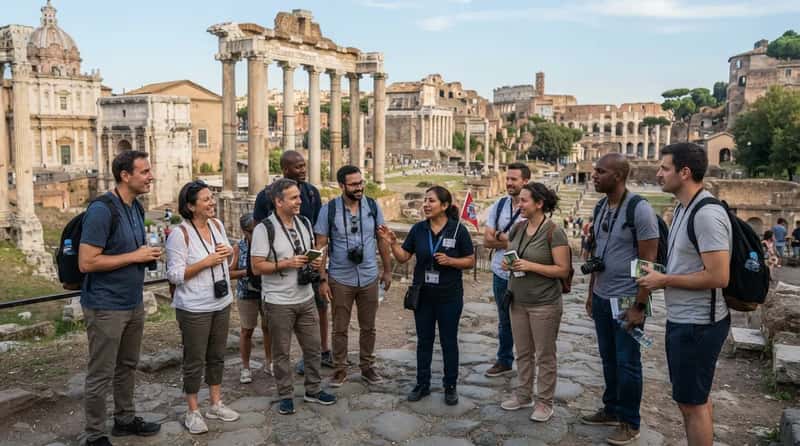
Tour groups vary a great deal from one departure to the next. Adventure-travel operators say this question is underrated. One departure might be all couples, and the next might be all solo travelers. That difference can change the whole mood of the day.
Ask who has booked and whether the pace suits your age and fitness. You don’t need a group just like you, but you don’t want to feel like a fish out of water. A tour packed with school groups or with fast hikers can feel like the wrong trip. Two minutes of asking can spare you eight hours of feeling out of place.
#2 – “What Happens If I’m Late, Lost or Left Behind?”
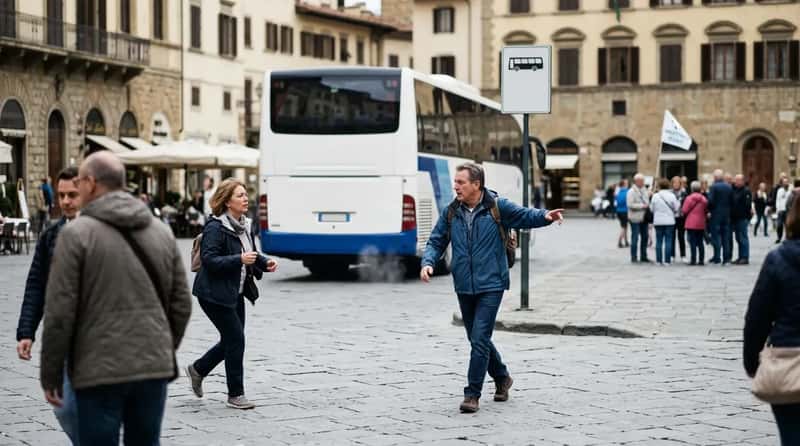
Guides have stories about this one. Travelers ask it as a joke, but it shouldn’t be one. Ask where the meeting point is, how long the group waits and what number to call. On a cruise, ask whether a ship-booked excursion is treated differently from one you book on your own. Cruise lines generally hold the ship for their own tours, and that protection doesn’t extend to independent ones.
Save the operator’s emergency number in your phone before you leave the hotel. A missed bus in a foreign city is a very different problem if you have a number to call. It takes two minutes to set up. Those two minutes are the difference between a funny story and a panicked one.
#1 – “Who Are You, and What Do Your Worst Reviews Say?”

This is the question that protects your money. Adventure operators suggest asking how long a company has been in business. A new company isn’t automatically a bad choice, but follow-up questions help you feel surer your money won’t disappear. Pay with a credit card where you can, because card dispute rights are generally stronger than those for debit or wire transfers.
Then read the bad reviews first. Reviews tied to real, verifiable profiles are harder to fake, and the operator’s reply to a negative review tells you more than the star average does. Look for reviewers who name guides, hotels and meals. A company’s reply to a complaint can tell you more than a thousand five-star ratings. Defensive replies and silence are both answers.
At a Glance
- Ask how long the company has been running tours.
- Start with the one-star and three-star reviews.
- Trust reviews that name guides, meals and stops.
- Notice whether the owner replies calmly or defensively.
- Pay by credit card when you can.
None of these questions make you a difficult customer. They make you the traveler who ends up with the day the photos promised.
A great tour is rarely luck. Most of the time, someone just asked the boring questions first.