If you’re planning a trip and eyeing a cozy Airbnb for you and your crew, stop right there. The world of short-term rentals has changed dramatically, and in 2026, the rules around how many guests can legally stay under one Airbnb roof are tighter, more localized, and more seriously enforced than ever before. Ignoring them isn’t just risky for hosts. It could ruin your entire trip.
From city-by-city crackdowns in the U.S. to sweeping European regulations taking effect this very year, the guest limit landscape has become genuinely complicated. What was fine to book last summer might get your reservation canceled – or worse – today. Let’s dive in.
What “Guest Limits” Actually Mean on Airbnb

As a general guideline, Airbnb allows hosts to set the maximum number of guests permitted. Property managers can specify this limit in their property’s listing details, and guests are expected to adhere to these guidelines. Sounds simple, right? Here’s the thing – it’s anything but simple once you factor in local laws, platform-level policies, and new enforcement tools.
Guests should be truthful about the number of people coming on a trip and respect the approved number of guests. To find out if you can bring any extra guests, guests should message their host and come to an agreement before inviting people not included in the initial booking. Some hosts may have an extra guest fee and require that you submit a trip change request to add any additional guests to your reservation. Basically, sneaking in extra people is not a grey area. It’s a violation – and platforms are getting much better at catching it.
The Global Party Ban and Its Lasting Impact on Occupancy

You might think the party ban is old news. It’s not. As of 2025, the ban on using Airbnb for party purposes remains firmly in place – and Airbnb’s party policy has gone from flexible to a firm “no,” with enforcement only getting stronger. This matters directly for guest limits, because the party ban essentially reshaped how occupancy caps are enforced across the board.
Airbnb’s global ban on disruptive parties has seen an over 50% drop in the rate of party-related reports over five years. As 2025 came to a close, Airbnb activated heightened anti-party technology across the U.S., Canada, the UK, France, Spain, and Australia. Powered by machine learning, this technology assesses hundreds of signals to identify bookings that could potentially be higher risk for a disruptive party. Think of it like a digital bouncer that never sleeps. Last New Year’s Eve, similar measures prevented over 20,000 people in the U.S. and over 3,000 people in Canada from booking an entire home listing on Airbnb.
Houston’s New Occupancy Formula: 2 Per Bedroom, Plus 2
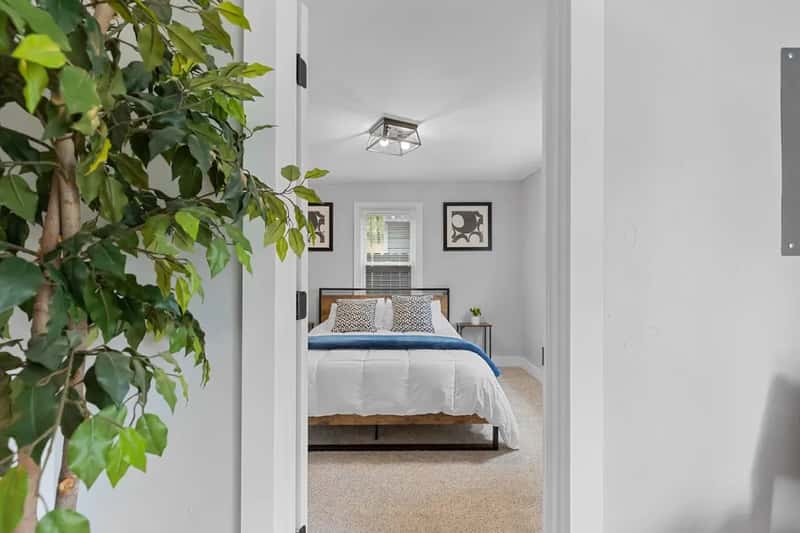
Let’s get specific, because this is where many travelers get caught off guard. Houston’s new short-term rental ordinance – effective January 1, 2026 – applies in full. All STR operators must have a valid city registration, maintain at least $1 million in liability insurance, display their city-issued STR number on listings, and meet the citywide occupancy limit of 2 guests per bedroom plus 2 additional guests.
That’s not just a host preference. It’s city law. Coming July 1, 2026, Austin will begin stricter enforcement of the 2 guests per bedroom plus 2 occupancy formula, with a cap of 10 total occupants per unit. Honestly, if you’re booking a large group trip to Texas this year, you need to check those bedroom counts very carefully before assuming everyone fits.
Austin Is Tightening the Screws From Mid-2026

Austin is already a hotspot for large group getaways, bachelorette weekends, and music festival trips. But its regulatory environment is shifting noticeably. As of September 11, 2025, the Austin City Council requires short-term rental platforms to collect and remit Hotel Occupancy Taxes on behalf of operators and comply with local laws. Further regulatory changes, effective July 1, 2026, will shift to tighter laws regarding licenses, taxes, and occupancy. STRs will continue to be permitted in all residential areas, provided operators hold valid licenses.
Austin limits the number of guests allowed per STR property. Generally, no more than six unrelated adults may stay in a single-family property at one time. Additional regulations may apply to multi-family STRs or properties exceeding certain square footage. That six-adult cap is a real trip-planner for groups trying to save money by cramming into one place. Plan accordingly – or face the consequences.
Los Angeles: Strict Rules, Real Fines

Los Angeles is one of the most regulated Airbnb markets in the entire country – and it shows no signs of loosening up. In Los Angeles, registration is required: before listing their home, hosts must register with the city and get a Home-Sharing Registration Number. This number must be included in all listings and ads. Only primary residences qualify – hosts can only list if the property is their primary residence, meaning they live there for at least six months each year.
Hosts who break the rules may face fines of up to $2,000 per day, or twice the average nightly rate (whichever is higher), listing removal from Airbnb, Vrbo, and other platforms, and suspension or revocation of their registration certificate. I think a lot of travelers don’t realize these penalties trickle down to them too – canceled reservations, no refunds, and no place to stay. Only primary residences with an active City Planning Home-Sharing registration may operate as short-term rentals, and hosts are still limited to 120 annual STR days unless they’ve been approved for Extended Home-Sharing.
California’s Patchwork of City-by-City Rules

California is arguably the most confusing state in the U.S. for Airbnb guests to navigate – and that’s saying something. There are no state-wide California Airbnb laws. Cities throughout California have the right to establish their own rules and regulations regarding short-term rental properties. This can mean different permits, restrictions, and permissions will be dictated by which city you host your business in.
Take Sunnyvale, for example. A suburb of San Jose, Sunnyvale has some of the most limiting short-term rental laws in California. Sunnyvale Airbnb rules signify that short-term rentals can only be operated from a primary residence, with a valid permit, and you are capped at a maximum of four occupants per single-family dwelling on a given night. Four people. That’s it. Planning a California girls’ trip for eight? You’ll need to book two separate listings. An estimated 25% to 75% of short-term rentals operate without proper licenses, resulting in substantial unrealized revenue for local jurisdictions – and California just passed a law to fix that.
New York State: Registries, Data, and Accountability

New York has long been a leader in cracking down on Airbnb. New York’s Local Law 18, fully enforced from late 2023 into 2024, requires hosts to register with the city and bans most stays of fewer than 30 days in entire apartments unless the host is present. The result has been a dramatic drop in active Airbnb listings there, shifting demand to surrounding areas and hotels.
At the state level, things are evolving further. In January 2025, the New York state Legislature approved a law allowing counties to develop their own STR registries. In counties that create registries, marketplaces such as Airbnb and Vrbo must submit detailed quarterly reports to the county that include rental locations, occupancy nights, guest counts, and taxes collected. The legislation also requires STRs to collect the same local lodging taxes as hotels. Guest counts are now literally part of the data trail. Think about that the next time you consider adding a few extra friends to a booking without telling the host.
Europe’s Game-Changing May 2026 Data Regulation

If you thought the U.S. rules were complex, Europe is entering a whole new era of oversight. Regulation (EU) 2024/1028, effective from May 2026, mandates standardized data-sharing from STR platforms like Airbnb and Booking.com, introducing a digital registration system for hosts. The regulation officially came into force in May 2024 and shall apply from 20 May 2026, marking a significant step forward in harmonizing data-sharing obligations across member states. The regulation mandates that online STR platforms provide authorities with essential information about rental activity, ensuring greater transparency and accountability.
Under the new regulation, Airbnb will be required to share certain data about listings and bookings with EU authorities. This information is intended to help authorities monitor the short-term rental market and ensure compliance with local regulations. The specific data points that will be shared may include host identity – name, address, and contact information – property details such as the address and type of property, and booking information including the number of nights booked, the total revenue generated, and the dates of each booking. The era of anonymous Airbnb renting in Europe is effectively over.
Amsterdam and the Strictest Caps in Europe

Amsterdam has been at the forefront of Airbnb regulation for years, and 2026 is no exception. The municipality of Amsterdam enforces holiday rental rules seriously. Officials routinely check Airbnb listings, cross-reference addresses with the personal records database, and track how many nights per calendar year each home is rented. Violations – from missing pre-rental notifications to exceeding permitted nights – can result in fines that start around €1,500 and climb to €20,500 depending on the severity.
This regulatory framework breaks down how the city of Amsterdam regulates vacation rentals in 2025, what permits you need, how many nights per calendar year you’re allowed to host, how tourist tax and income tax work, and what happens when the rules aren’t followed. It also walks through the upcoming 2026 changes that may introduce even tighter limits in certain neighborhoods. If you’re planning a trip to Amsterdam, reading the listing fine print isn’t optional – it’s survival.
What This All Means for Guests Booking Today

Here’s the bottom line that every traveler needs to internalize before clicking “Book Now” in 2026. For travelers, these changes collectively mean that fewer listings may be available in some high-demand cities and that advertised prices should be more transparent than they were a few years ago. But they do not eliminate risk. Guests who are not attuned to how the rules, fees and local laws work in 2025 can still find themselves stranded by a sudden cancellation, frustrated by unexpected house rules or surprised by the final bill.
Because local laws now require many hosts to display registration numbers or comply with occupancy rules, a detailed and up-to-date description can be a sign that an owner takes compliance seriously. Guests should look for clear information on minimum stays, whether the host lives on site, and any mention of local licensing or registration where it is required. Always message your host directly before the trip if you’re traveling in a larger group. Preventing extra guests from arriving is far easier than trying to get them to leave or pay the extra fee once a stay has started.
The short-term rental world of 2026 rewards informed travelers and punishes the careless ones. Whether you’re booking in Texas, California, New York, or Amsterdam, the guest limit isn’t a soft suggestion buried in the fine print anymore – it’s a legally enforced reality. Before you book, count your people, read the listing, message the host. What seems like a minor detail could be the difference between a dream vacation and a very stressful night scrambling for a hotel room.
What do you think about these new guest limits – too strict, or about time? Drop your thoughts in the comments.