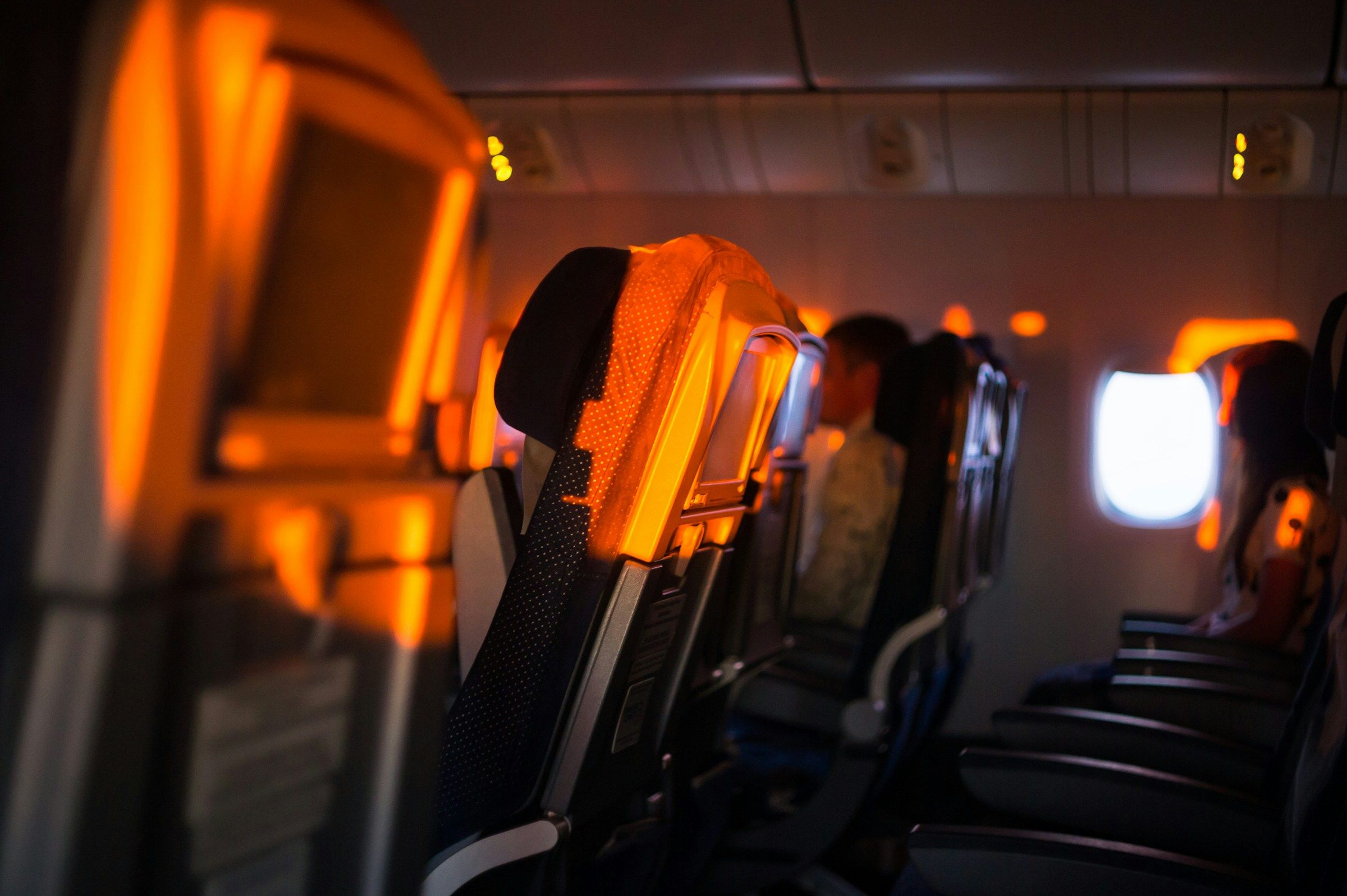
Cabin crew spend more hours in the air than almost anyone, so their seat choices off duty say a lot. Ask a few of them where they like to sit as passengers, and the favorites tend to cluster around the over wing exit rows. The row they steer clear of is usually the very last one.
The reasons are mostly practical, and a few matter more on a long flight than a short hop. Some are about comfort, some about logistics, and one touches on safety in a way that surprises people.
A Seat That Barely Reclines
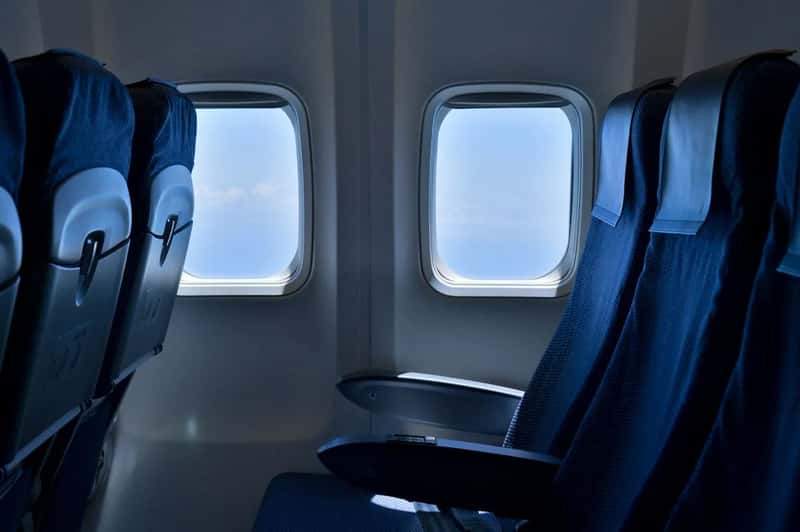
The first complaint is about the wall behind you. The seats in the last row often do not recline because a wall sits right behind them.[1] That wall is often a galley, a lavatory or an equipment space, which is why the rear of the cabin is built this way.
On a short flight, you can live with a upright seat. Over many hours, especially overnight, it’s a different story. Reduced seat movement can significantly affect comfort and rest on longer flights.[2]
The Bathroom Line Next to Your Elbow
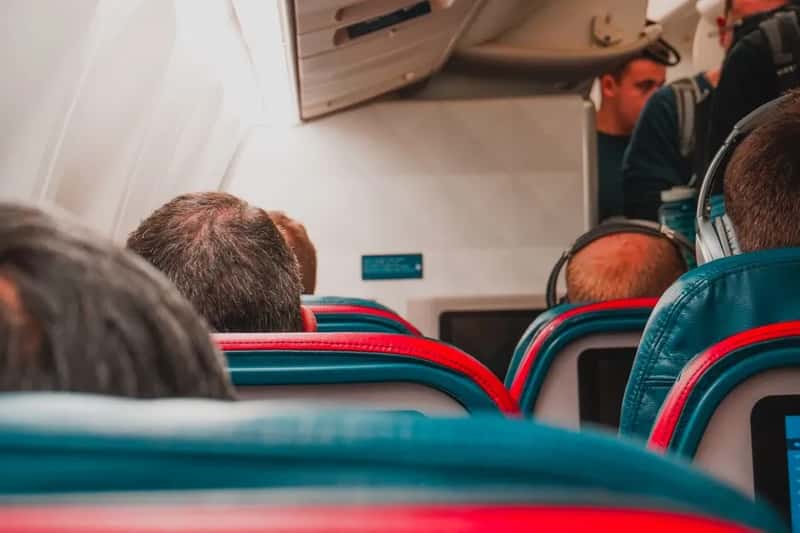
Rear rows usually sit close to the lavatories. That tends to mean constant passenger movement, queues forming beside seats and frequent door noise.[2] On a long haul flight, with meals and drinks flowing, that traffic doesn’t let up.
There’s a physical side to it too. Passengers waiting in line often steady themselves on your seatback, and turbulence or a stretching routine can jiggle it back and forth.[3] Trying to doze in that setting takes real commitment.
Where the Cabin Gets Loudest
Noise is the next issue, and it comes from two directions. Rear galleys bring cart wheels, latch clicks and crew working in a tight space, while lavatories add doors, flushing and people waiting.[4] Even a calm flight can feel busy back there.
Then there’s the engines. Seats behind the wing are in the noisiest part of the cabin because of engine thrust.[5] Sources aren’t unanimous, though. One seat guide describes the front and back of the plane as generally quieter than the middle, but adds that galleys and lavatories raise the noise nearby.
Smells and Light You Can’t Escape
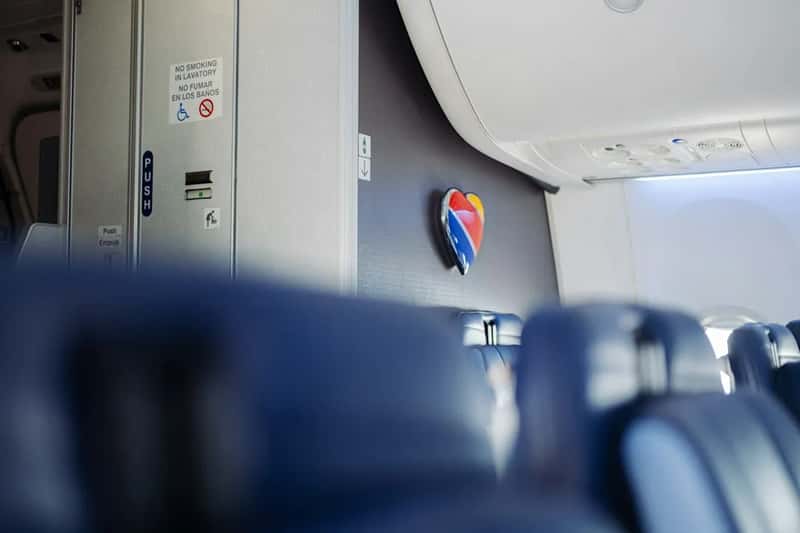
This one isn’t glamorous, yet it comes up in nearly every list of complaints. Seats in the last row are often next to lavatories, which brings increased foot traffic and potential odors.[6] Over twelve hours, even a mild smell becomes hard to ignore.
Light is a quieter problem. Light from the galley can be a nuisance when the cabin is dark.[5] That matters on overnight flights, where most of the cabin is trying to sleep.
A Bumpier Ride Than the Middle
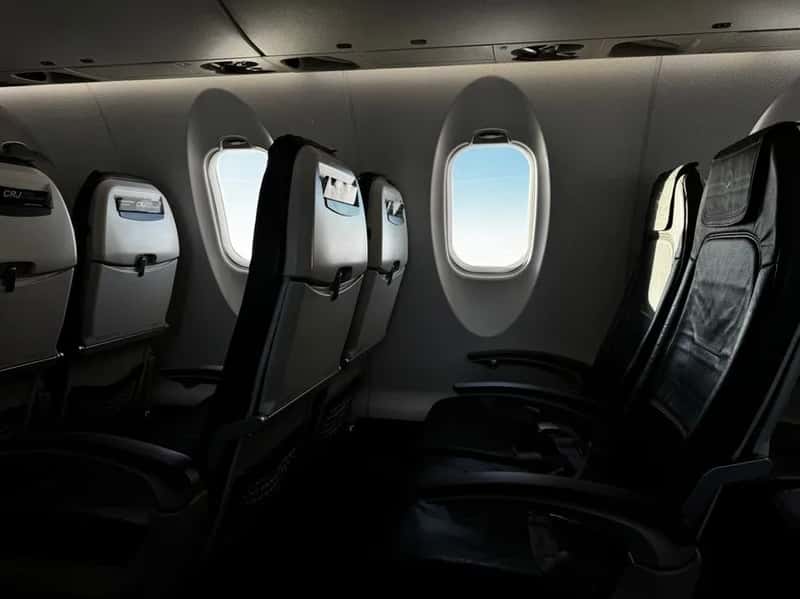
Crew often point to the center of the plane as the smoothest place to be. They know it’s the least turbulent area because it sits near the aircraft’s center of gravity.[1] Move toward the tail and you’re further from that pivot point.
Passengers who’ve tried both notice the difference. One travel reporter who flew in the last row described a slightly bumpier ride than for those sitting closer to the wings.[7] It’s not dangerous, but if you’re prone to motion sickness it can add up over a long flight.
Meal Choices May Run Out Before the Cart Arrives
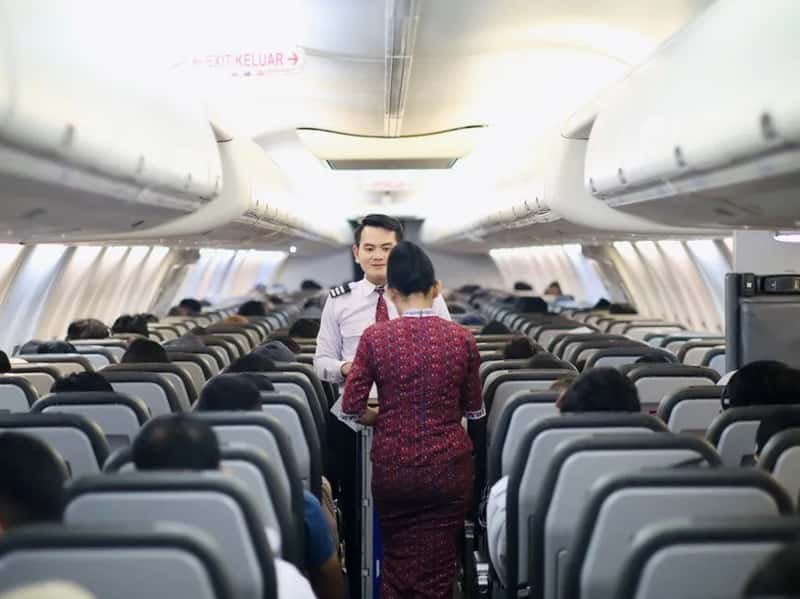
Service patterns matter more than most people realize. Food and bar carts work from front to back on most flights.[1] Sit at the very back, and you may be last in line.
That has consequences. If you’re seated at the back, there’s less chance of getting your chosen meal, so you may have to accept what remains.[1] One caveat: some crew describe starting at both ends and working toward the middle, so the effect depends on the airline and the aircraft.
Waiting to Get Off the Plane
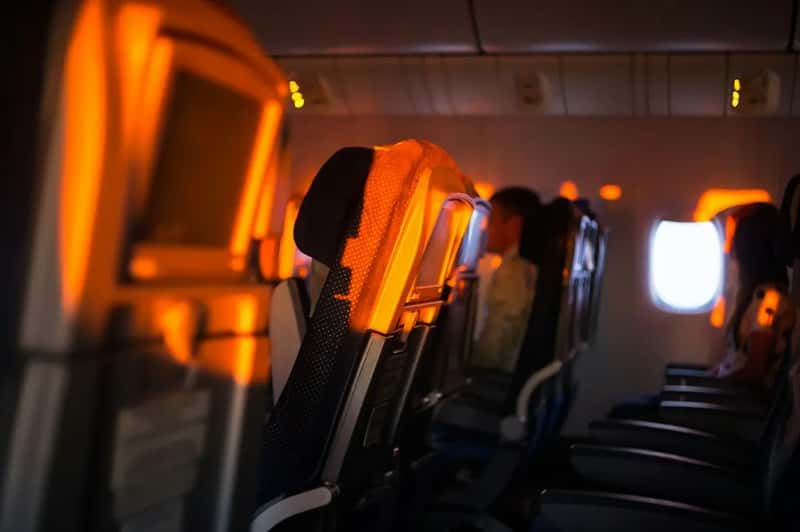
Everyone has watched a cabin empty row by row. The back third of the plane is usually last off, while the front and over wing zones are usually first.[4] After a long flight, that wait can feel longer than it is.
The cost rises if you have somewhere to be. A travel writer who sat in the last row noted that being the last passenger off could be an issue for those with tight connections.[7]
Tight Overhead Bins and a Poor View
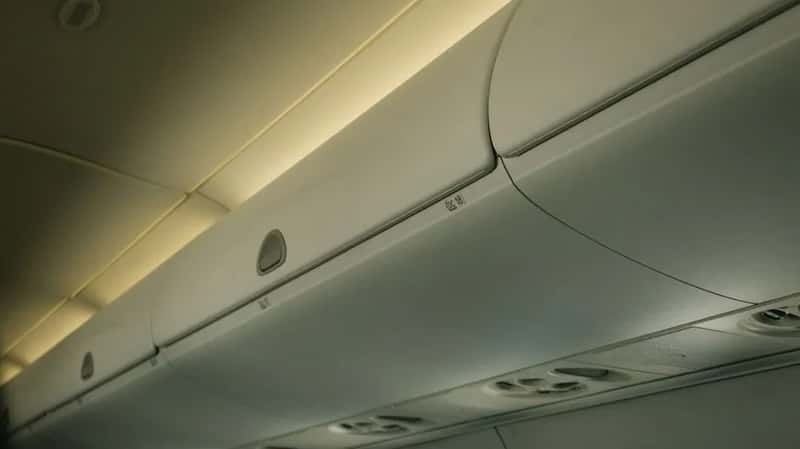
The back of the cabin also shortchanges you on storage. Because rear seats sit near lavatories and crew storage areas, overhead bin space can be limited.[8] If the bins are full, your bag may end up far from your seat.
Window seats in the last row can disappoint as well. The tapering shape of the fuselage can leave rear windows misaligned or partly obstructed.[8] It’s a small thing, but it undercuts the one perk a window seat usually offers.
What About Safety at the Back?
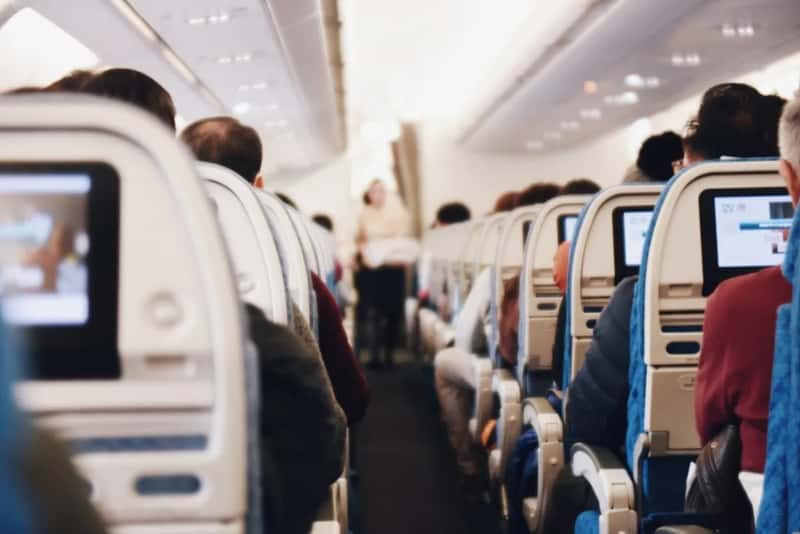
Here the picture gets more complicated. Several analyses suggest the rear of the plane does better in crashes. One study found passengers behind the wing had a survival rate of roughly seven in ten, compared with just under half for those in the front 15 percent of the plane.[9]
Still, the evidence isn’t clean. The 2015 Time analysis acknowledged that crash outcomes depend more on the circumstances than on where you sit.[10] The FAA’s position is that no seat is inherently safer.[11] So the safety angle is a point in the back row’s favor, though it isn’t a strong enough one to override the comfort issues for most crew.
When the Last Row Can Still Make Sense
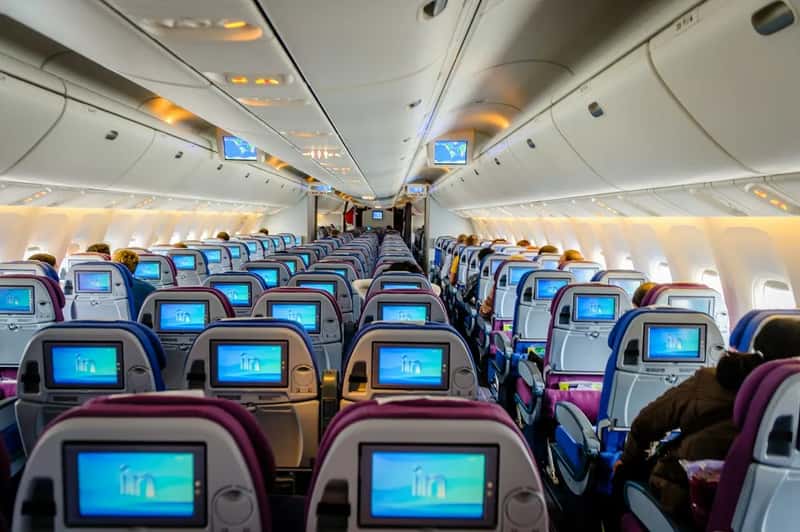
The last row isn’t useless. It’s sometimes the only seat left, and occasionally the middle seats stay empty if the flight isn’t full.[12] Families with small children may also like being close to the lavatories, since engine noise naturally masks crying.[12]
For everyone else on a long haul flight, the checklist is simple. Look at the seat map, confirm whether your aircraft’s final row reclines, and weigh a lower fare against a noisier, busier spot. Cabin crew have made their choice, and a row or two forward is usually where they end up.