Picture yourself browsing through stunning villas overlooking emerald coastlines or charming alpine chalets nestled in snow-covered peaks. You’ve got the budget, the desire, and maybe even a vision of your perfect second home abroad. Then you hit a brick wall of regulations, residency requirements, and outright bans. Turns out, not every country rolls out the welcome mat for foreign property buyers.
In recent years, governments worldwide have tightened restrictions on foreign ownership, citing everything from housing affordability concerns to national security. Let’s be real, the dream of owning a slice of paradise abroad isn’t always as simple as signing on the dotted line. So let’s dive in and explore eight countries where buying property feels more like navigating a legal maze than a straightforward investment.
Switzerland: Where the Lex Koller Law Draws a Hard Line
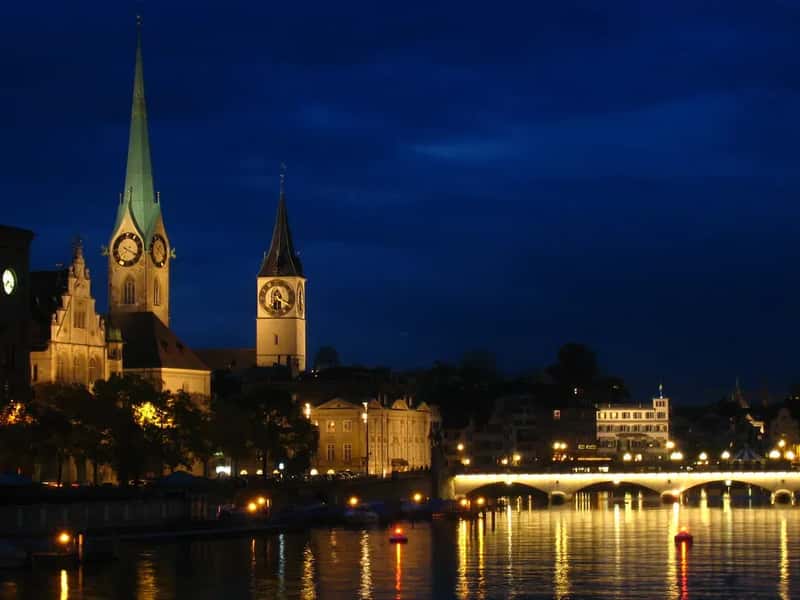
Switzerland might be synonymous with luxury watches and chocolate, but when it comes to foreign property ownership, it’s all about strict control. The “Lex Koller” is a Swiss federal law that specifically restricts the acquisition of real estate by persons from abroad, put in place to limit foreign ownership of Swiss property. The whole system is designed to prevent foreign speculation from overheating the market, especially in those picture-perfect tourist destinations.
Here’s the thing: if you’re not a Swiss resident with the proper permit, your options shrink dramatically. In Switzerland, the number of holiday homes that can be sold to foreign nationals is subject to a national quota (currently 1,500 per year), and in some cantons, such as Geneva and Zurich, the sale of this type of real estate to foreign nationals is not possible at all. Even if you manage to get approval, there are size restrictions. Foreigners living abroad can only buy a second home in a place with which they have “exceptionally close ties worthy of protection,” with the living area not exceeding 200m² and site area not exceeding 1,000m², and renting it out is off the table.
Singapore: High Barriers and Even Higher Stamp Duties
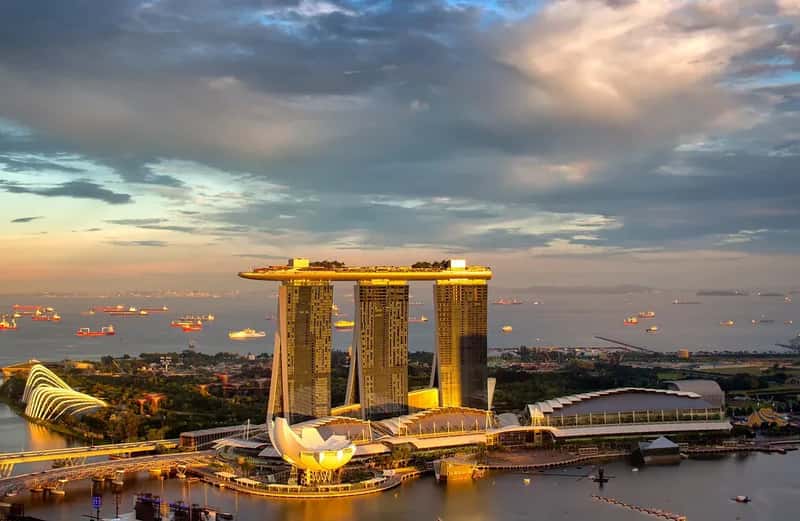
Singapore’s property market is world-class, stable, and frankly, expensive. While foreigners can buy private condominiums relatively freely, landed properties are a completely different story. Foreigners (including Singapore Permanent Residents) can buy landed residential property in Singapore but must obtain approval from the Land Dealings Approval Unit (LDAU) under the Residential Property Act. That approval isn’t handed out casually either.
Each applicant is assessed on a case-by-case basis, and you should be a permanent resident of Singapore for at least five years and must make an exceptional economic contribution to Singapore, taking into consideration factors such as your employment income assessable for tax in Singapore. Even if you’re just eyeing a condo, brace yourself for the financial hit.
China: State-Owned Land and Stringent Residency Rules

China operates under a property system that’s fundamentally different from most Western countries. Land in China is state-owned or collectively owned, meaning foreigners never actually own the land itself. Instead, what you’re buying is a land use right, typically for residential purposes, lasting up to 70 years.
The restrictions don’t stop there. Foreigners must have resided in the country for at least one year for work or study purposes, and this is a country-wide restriction. Qualified foreign individuals can purchase only one residential property for personal use, and investment purchases or multiple property ownership by individuals is generally prohibited. Honestly, it’s hard to say for sure whether the investment will ever be worth it,t given all these limitations and the fact that you cannot rent out the property or act as a landlord.
Thailand: The 49% Ownership Limit
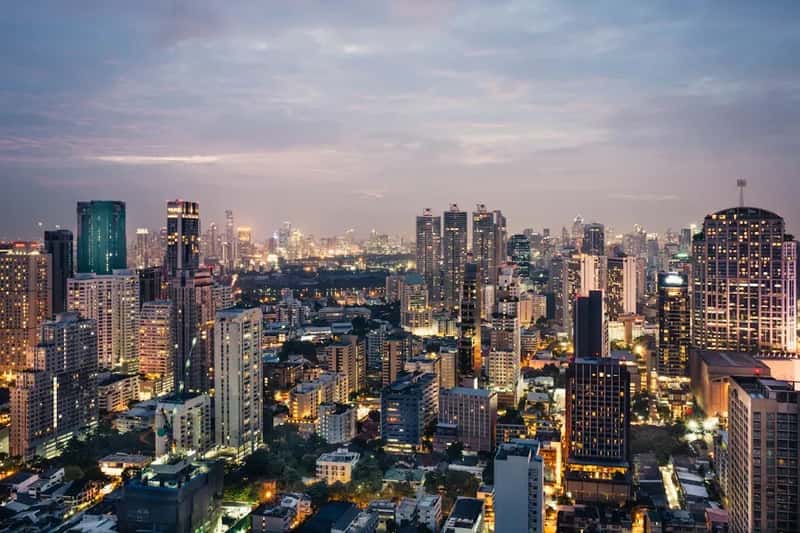
Thailand is a magnet for expats dreaming of tropical living. The beaches are stunning, the cost of living is reasonable, and the lifestyle is appealing. Yet there’s a significant catch when it comes to land ownership. For nationalistic reasons, land must be owned by a Thai, and an expatriate can only own 49% of a piece of land, the rest being co-owned with a local.
While foreigners can own condominiums outright under certain conditions, the restriction on land ownership means that buying a house with land attached becomes a complex legal puzzle. Five countries, namely China, Indonesia, Nigeria, the Philippines, and Thailand, do not allow foreigners to own land, according to a 2023 Law Library report. This makes direct property investment in Thailand tricky at best, forcing many foreigners to rely on long-term leases or convoluted legal structures that come with their own risks.
Austria: Federal and Regional Approval Processes

Austria’s stunning alpine landscapes and historic cities make it a desirable place to own property. The problem? Getting through the approval process can be a bureaucratic nightmare. Austria has limitations on half of the country’s federal states: Burgenland, Vienna, Lower and Upper Austria, Salzburg, Carinthia, Tyrol,ol and Vorarlberg.
Citizens of EU countries, Switzerland, Iceland, Norway, or Liechtenstein will not need additional permits for purchase, but those with an Austrian residence permit need to obtain permission from the local Land Commission to buy. For non-EU citizens, the restrictions are even tighter, and approval is far from guaranteed. The whole process is designed to prioritize residents and control foreign investment in sensitive or desirable regions.
Canada: The Two-Year Foreign Buyer Ban

Canada recently took a bold step to address its housing affordability crisis. The Prohibition on the Purchase of Residential Property by Non-Canadians Act (the “Foreign Buyers Ban”) came into effect on January 1, 2023, and prohibits most foreign nationals from purchasing residential real estate in Canada, with certain exceptions. The ban was implemented to curb speculative demand and ease pressure on housing prices by limiting foreign investors.
Canada banned foreigners from buying real estate to stop real estate speculation that is driving up property prices for locals. While there are exceptions for permanent residents, work permit holders, and certain other categories, the two-year prohibition reflects growing concerns about housing accessibility. It’s a clear message that the Canadian government is prioritizing its citizens over international investors.
Cambodia: Constitutional Restrictions on Land Ownership
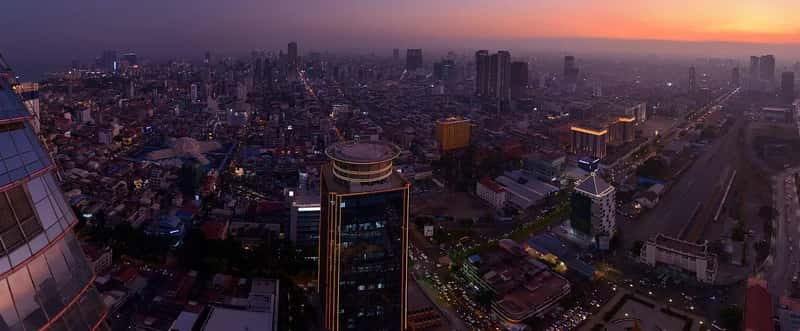
Cambodia’s property market has grown significantly in recent years, particularly in cities like Phnom Penh and Siem Reap. Despite this growth, land ownership remains strictly off-limits to foreigners. Under Article 44 of the Cambodian Constitution, “only natural persons or legal entities of Khmer nationality shall have the right to land ownership,” and foreigners are prohibited from owning or possessing land in Cambodia.
Foreigners can, however, own certain types of property under specific conditions. They can purchase apartments in buildings above the ground floor, but the land beneath those buildings must remain in Cambodian hands. It’s a workaround that allows some foreign investment while maintaining constitutional protections for land ownership. Still, for anyone hoping to buy a beachfront villa or a piece of agricultural land, the answer is a firm no.
New Zealand: The 2018 Ban on Non-Resident Purchases

New Zealand’s pristine landscapes have long attracted foreign buyers, from Hollywood celebrities to wealthy investors. That changed in 2018 when the government introduced sweeping restrictions. New Zealand has banned the purchase of property by non-residents in order to limit inflation.
Certain restrictions apply for foreigners wishing to buy property in New Zealand, covering foreigners who wish to purchase more than 12 acres; the buyer must then obtain permission from the Foreign Investment Commission. The ban was primarily aimed at cooling down the housing market and ensuring that homes remain accessible to New Zealanders. For non-residents hoping to own a piece of Middle-earth, the door has largely been closed unless you’re willing to relocate and gain residency.
Conclusion

Owning property abroad is a dream for many, offering a blend of adventure, investment potential, and a foothold in a new culture. Yet as we’ve seen, the reality is often far more complex. From Switzerland’s Lex Koller quotas to Canada’s outright foreign buyer ban, countries around the world are tightening the reins on foreign ownership.
These restrictions reflect deeper concerns about housing affordability, national security, and protecting local communities from speculative investment. While some nations still welcome foreign buyers with open arms (with the right permits and deep pockets), others have made it abundantly clear that property ownership is a privilege reserved for residents and citizens. If you’re serious about investing in real estate overseas, understanding these barriers is the first step. What’s your take on these restrictions? Do you think they’re justified?