In December 2025, UNESCO added Italian cooking to its list of intangible cultural heritage. The listing describes a communal practice built around respect for ingredients and shared moments at the table.[1] That description hints at something visitors notice quickly: in Italy, how you eat matters almost as much as what you eat.
Many of the customs below aren’t laws, and nobody will throw you out for breaking them. They’re habits that shape menus, bills, and the rhythm of the day. Knowing a few of them can spare you some confusion at the table.
The Coperto Appears on the Bill
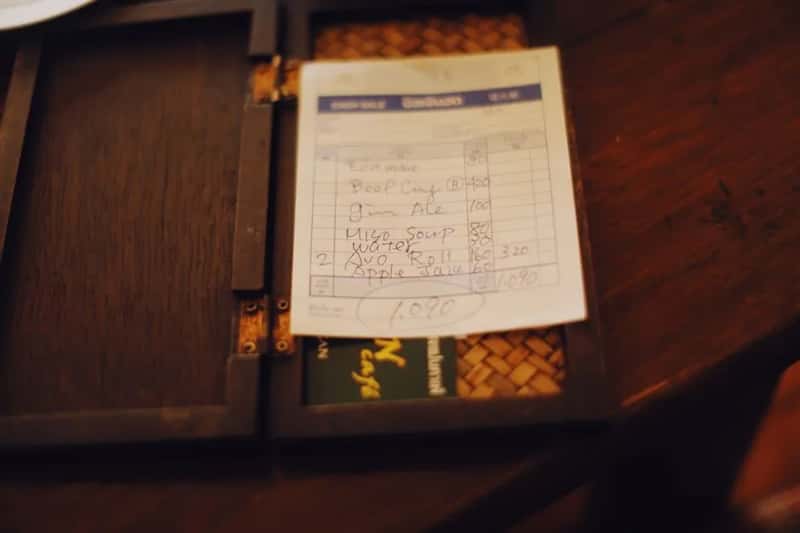
The coperto is a fixed per person charge for the table setting and bread.[2] It should be printed on the menu, and it usually runs a few euros per head, often between one and three.[3] It isn’t a tip, and it doesn’t change with how many courses you order.
Rome has a twist. A 2006 regional law in Lazio prohibits a line item labeled coperto, so Rome restaurants typically charge a clearly indicated bread basket fee instead.[4] You may also see servizio, which is different. It’s a percentage added to the total bill, typically 10 to 15 percent.[2] If a servizio charge isn’t printed on the menu but shows up on your bill, you can ask for it to be removed.[4]
Cappuccino Is a Morning Drink
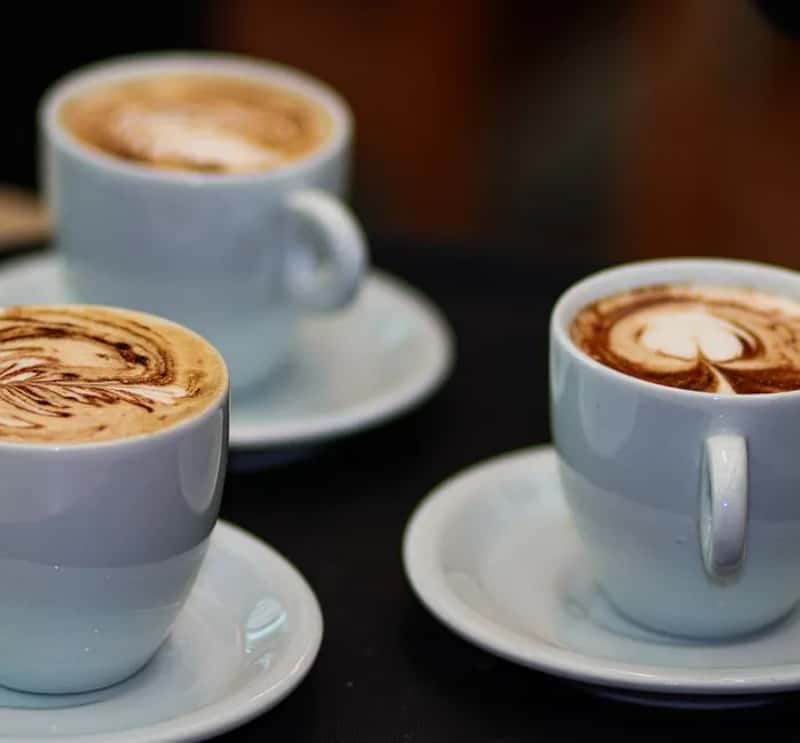
Italians don’t drink cappuccino after about 11 a.m., and almost never after a meal.[5] There’s no law against it.[5] The reasoning is about digestion, since Italians believe large quantities of milk sit heavily on a full stomach.[5]
If you order one at 4 p.m., you’ll still get it. After lunch or dinner, though, your waiter may tease you about it.[6] A small espresso is the usual finish instead, and it’s believed to aid digestion.[7] One more trap: ask for a latte and you may get a glass of milk, because latte simply means milk.[8]
Standing at the Bar Costs Less Than Sitting
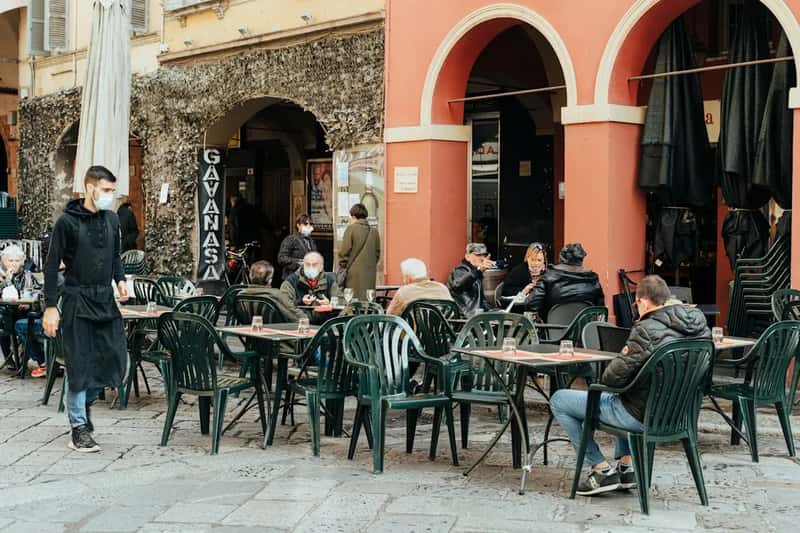
The Italian bar is a coffee stop, not a nightlife venue. Stand at the counter and you pay the base price for your espresso or pastry, while many bars charge more if you sit at a table.[2] One guide says sitting can cost roughly double the counter price.[5]
The ordering routine can throw newcomers. Line up at the cash register, pay first, then place your receipt on the counter for the barista.[6] Prices are creeping up, too. One 2026 guide says espresso prices have risen about one fifth since 2021, and a two euro espresso is becoming realistic in some northern cities.[5] Tipping the barista isn’t expected in any meaningful way.
Lunch and Dinner Run on a Later, Split Schedule
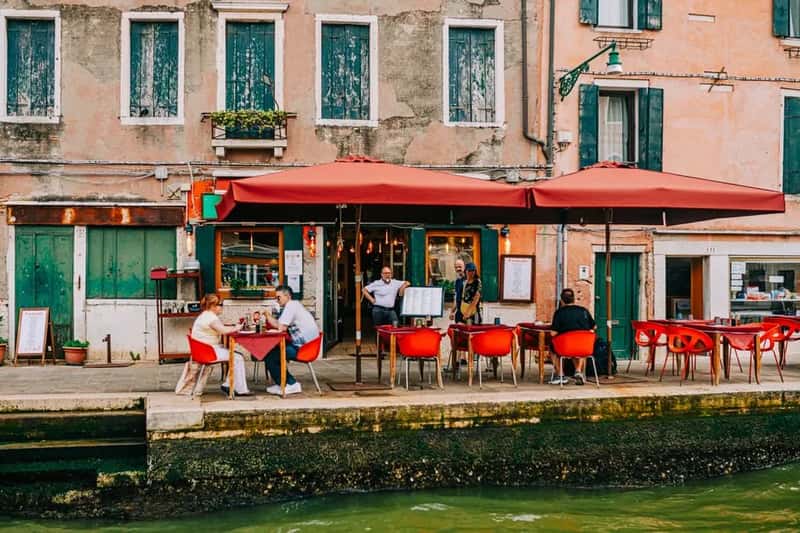
Meal times can catch you out. Lunch usually starts around 1:00 p.m., and dinner often begins no earlier than 8:00 p.m.[10] Restaurants generally close between lunch and dinner service.[10] Some guides put dinner service a little earlier, around seven or half past, so it’s worth checking the door or the website.
The other end of the evening is less relaxed than you might think. Most Italian kitchens stop seating patrons at around 9:30 p.m.[13] Once you’re seated, nobody hurries you. The bill rarely arrives unless you ask for it.[10] For restaurants you’re keen on, one local food writer suggests booking at least five to seven days ahead.[13]
Water and Bread Follow Their Own Rules
Water is a small negotiation. You’ll be asked whether you want it frizzante or naturale, and tap water is rarely served in most restaurants.[4] Bottled water is a normal line on the bill, not an upsell.
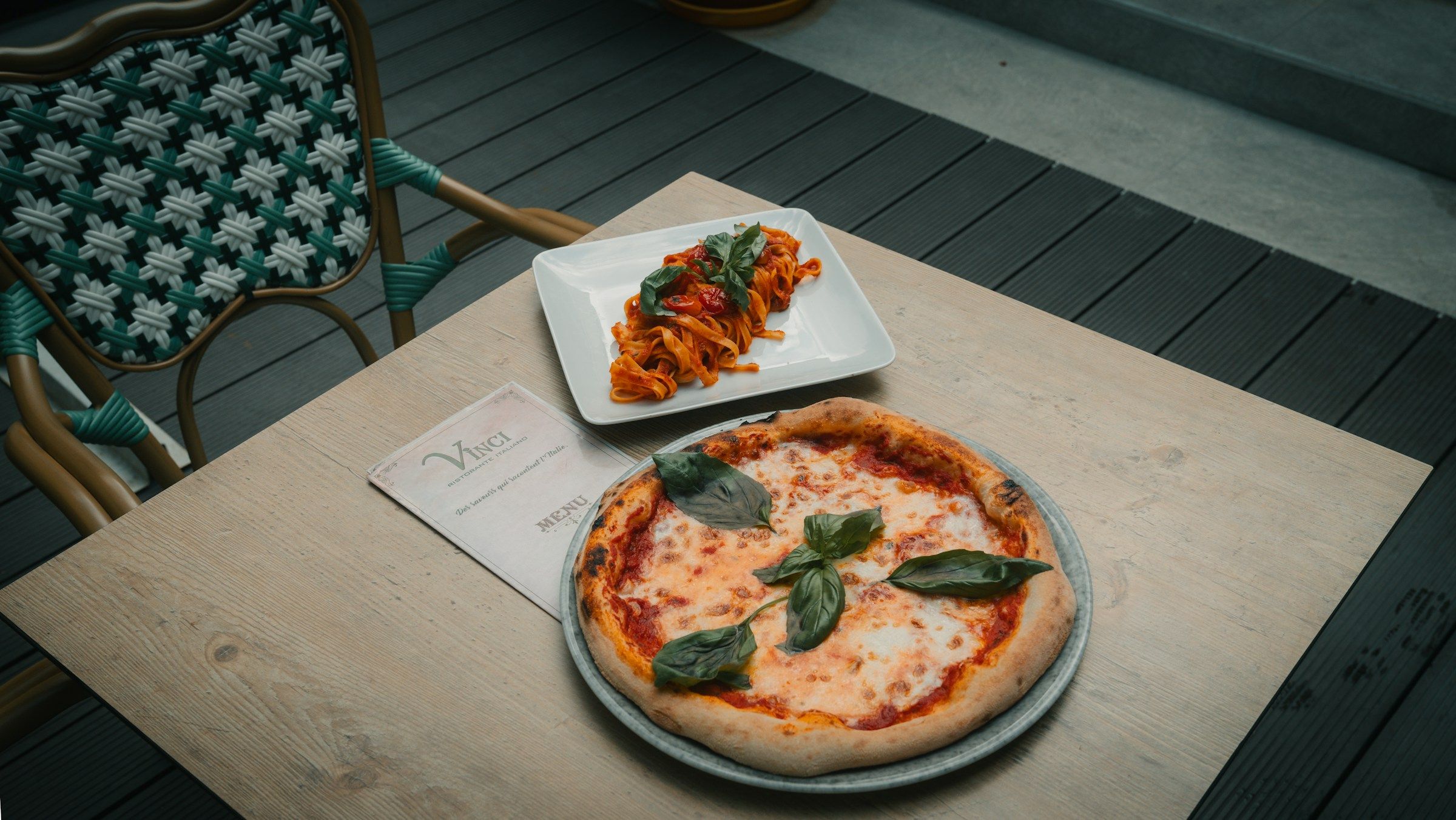
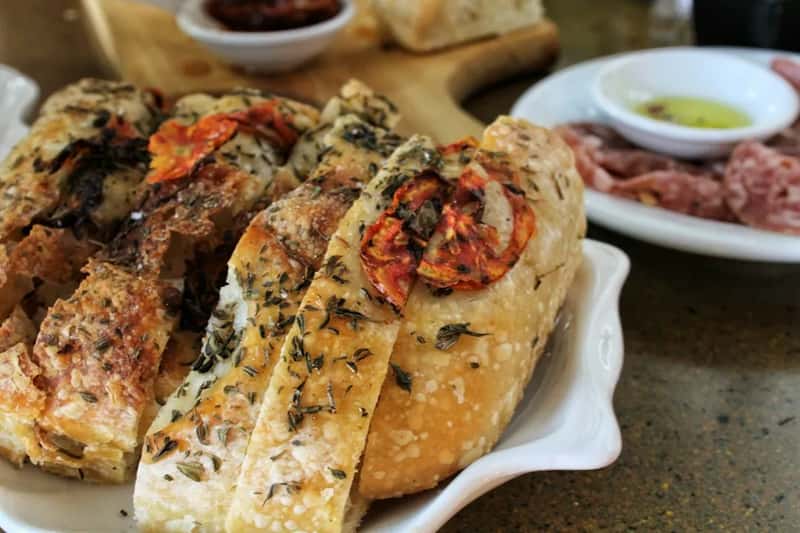
Bread has a job, and it isn’t to fill you up before the pasta. It’s for soaking up sauce at the end of the meal, called fare la scarpetta, which Italians consider a compliment to the chef.[14] Dipping it in olive oil is fine, but not in vinegar.[6] If you don’t want bread, you can opt out, though you may need to check that it’s been taken off the bill.[6]