Texas has long been the dream destination for retirees chasing warm weather, a relaxed pace of life, and the golden promise of zero state income tax. It sounds almost too good to be true. Honestly, in some ways, it is.
Before you load up the moving truck and head south to the Lone Star State, there’s one number you need to look at very carefully. Your property tax bill. Because in 2026, the picture is more complicated than any retirement brochure will ever tell you. Let’s dive in.
Texas Is the Seventh Most Expensive State for Property Taxes in the Nation

Let’s be real: Texas does not have the reputation as a high-property-tax state, but the data tells a very different story. A new WalletHub study has revealed that Texans are saddled with the seventh-highest property taxes in the nation, with homeowners expected to pay a median of $4,232 in property taxes in 2026.
Last year, Texans were already paying $4,111 based on a median home value of $260,400, and residents are now expected to pay $360 more on their property taxes in 2026 than they did in 2024. That’s a steady, year-over-year climb that isn’t showing signs of stopping anytime soon.
Texas carries an average property tax rate of 1.58%, which is considerably higher than the national average of 1.02%, and as a result, roughly half of the state’s property owners pay more than $3,971 annually. For a retiree on a fixed income, that is a number that demands serious attention before you sign any deed.
The “No Income Tax” Promise Comes With a Very Real Hidden Cost
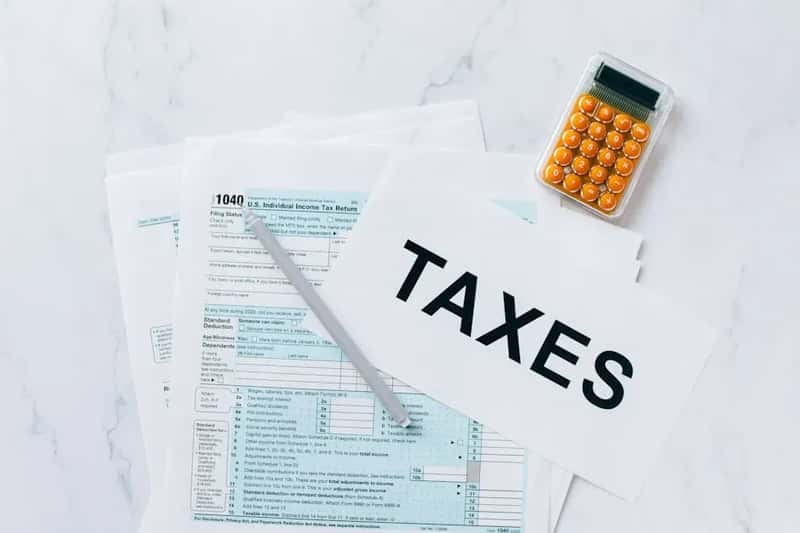
If you’re a homeowner in Texas, you have the joy of living without any state income tax, which has become one of the most powerful selling points of the state. Whether you’re a retiree or a remote worker, the Lone Star State has plenty of appeal. The problem is that the savings don’t tell the whole story, as you can also be stuck with a hefty property bill.
Texas doesn’t tax your income, but someone has to foot the bill. With no state income tax, homeowners carry the lion’s share, funding schools, roads, police, and fire services, with nearly half of all state and local tax revenue coming straight from property. Think of it like a seesaw. The income tax side is lifted high in the air, but the property tax side is firmly planted on the ground, bearing all the weight.
Property taxes and sales taxes can outweigh the savings from no state income tax, especially for retirees on fixed incomes. This is the crucial calculation that too many people skip over when doing their retirement math. The full picture matters enormously.
Statewide Property Tax Bills Have More Than Doubled in a Single Decade

Property taxes across Texas have been steadily climbing for the past decade, reaching a record $125.05 billion levied statewide in 2024, based on the most recent data from the Texas Comptroller. Back in 2014, the total was only $49.06 billion, a growth of more than 160%. Let that sink in for a moment. The collective tax burden has more than doubled in just ten years.
The total market value for all Texas properties combined reached $6.42 trillion in 2024, and while 2025 numbers are still being compiled, all indicators suggest these metrics will continue to rise, driven by economic growth, increasing demand for existing properties, and especially new construction.
In launching his 2026 reelection campaign, Governor Abbott himself acknowledged that the Legislature’s approach, largely centered on buying down school taxes and expanding exemptions, has not solved the underlying problem. Local governments, he argued, continue to increase spending and appraisals, offsetting state relief and pushing tax bills higher year after year.
Some Texas Counties Hit Retirees Especially Hard

Texas relies heavily on property taxes to fund local schools, services, and infrastructure, and some counties have raised their effective tax rates above 2%. To put this into perspective, if you own a home at $300,000 in one of these counties, you could be looking at a property tax bill of $6,000 or more in property taxes alone.
Living in Houston’s Harris County in a $300,000 home, for example, would mean $6,930 in annual property taxes. A similar home in Tarrant County, home to Fort Worth, brings an annual property tax bill of $7,110. These are not luxury homes. These are median-priced homes in major metro areas where many retirees want to live.
Leading the state in property tax burdens, Travis County residents contribute a median of $7,487 annually, with property owners who carry active mortgages facing an average payment of $7,918. That’s a jaw-dropping figure for anyone planning a retirement on a carefully managed withdrawal strategy.
Local Governments Keep Raising Rates Even When the State Offers Relief

Texas cities are approaching their 2026 budgets in very different ways. Bexar County’s proposed 2026 budget holds the county tax rate level, while revenues grow mainly from new property, but Austin’s fiscal year 2025 to 2026 plan includes a notable property-tax revenue increase, driven by rising values and added construction.
Travis County’s FY 2026 adopted budget tax rate increased by slightly more than 3 cents compared to FY 2025. When that tax rate is multiplied by an increased average taxable homestead value of $515,213, the County’s portion of the property tax bill is estimated to increase by more than $200. That’s just one line on your bill, not the total.
Local governments facing budget gaps have quietly increased mill rates, the multiplier used in the property tax formula to determine final bills. Even when assessed values stay stable, a higher mill rate can raise taxes significantly. Retirees often overlook this change because mill rates are buried in county budget documents rather than highlighted on assessment notices. This is the kind of fine print that can completely derail a retirement budget.
The 2025 Homestead Exemption Hike: Real Relief or a Band-Aid?

The largest change in the 2025 legislative session came through Senate Bill 4, which raised the general homestead exemption from $100,000 to $140,000, nearly a tenfold increase since Governor Abbott first took office. Senate Bill 23 went further for seniors and disabled Texans, boosting their combined exemption to $200,000 and effectively eliminating school property taxes for a majority of elderly homeowners.
With the constitutional amendments approved, homeowners and businesses will begin seeing these changes reflected in the 2026 tax year. Most homeowners will notice the increased homestead exemption on the tax bills they receive in late 2026, and those who already have a homestead exemption filed will automatically receive the new amount without submitting additional forms.
For many Texans, the Legislature’s 2025 property tax package offered welcome relief but fell short of the meaningful break they had hoped for, as relentless appraisal growth and local tax hikes have continued to drag bills higher. Think of the exemption increase as a discount coupon applied to a store that keeps raising its prices. You’re saving more, but you’re still paying more overall. That’s an uncomfortable truth.
The Senior Tax Freeze: What It Does, and What It Doesn’t

Once you qualify for the over-65 exemption, your school district property taxes are frozen at the amount you owe in the year you turn 65. Your school tax bill cannot increase, even if your home’s value rises, and the freeze remains in place as long as you own and live in the home as your primary residence.
When you turn 65, you qualify for the senior homestead exemption and a school tax freeze: your school district property tax cannot increase beyond the amount in the year you turn 65, unless substantial home improvements occur. This doesn’t eliminate all taxes, but it halts increases on school taxes. It’s important to understand what “freeze” actually means here. It applies only to one portion of your bill.
The only way school taxes increase is if you make substantial improvements like adding a room or a pool. The freeze applies only to school taxes and provides long-term protection for seniors against rising rates. Additionally, many counties in Texas offer tax deferral programs that allow seniors to postpone their property taxes until they sell their home or pass away, which can be a lifesaver for those on a fixed income.
“Operation Double Nickel”: The Proposal That Could Change Everything for Pre-Retirees

Lt. Governor Dan Patrick has already rolled out a plan he’s calling the “double nickel,” saying it’ll be a top priority for Republicans in 2027: to drop the qualifying age for the senior citizens homestead exemption from 65 to 55. This is potentially big news for anyone currently in their late fifties and planning a Texas retirement in the near future.
Patrick estimates it would cost the state under $4 billion and could save older Texas homeowners close to $10,000 over those extra 10 years. However, no matter what Texas leaders talk about in the leadup to the 2026 midterms, lawmakers won’t be able to make any substantial changes until the Legislature next meets in 2027. So for now, it’s a promise on the campaign trail, not a law on the books.
As the Legislature heads into 2027, the issue of property tax relief is creating contrast among Texas’ top Republican leaders. Abbott is campaigning on a promise to fundamentally restructure how Texans are taxed, while Patrick is signaling caution, incrementalism, and budget discipline. In other words, real structural change is still a political football, not a done deal.
How to Protect Yourself Before You Move to Texas

Loan approvals look at principal, interest, taxes, and insurance, so misjudging 2026 property taxes can derail a carefully planned budget. Homestead exemptions only apply after you apply and qualify, and homestead caps start the year after you first receive the exemption. Rapid appraisal growth in hot Austin neighborhoods and growing San Antonio suburbs can hit the ten-percent cap for several years in a row.
Property owners have fought back against rising costs with tax appeals and protests in record numbers. These appeals have been not just numerous but also incredibly effective, with commercial appeals in Travis County cutting over 9% from the total assessed value. Filing a property tax protest is one of the most underutilized tools available to Texas homeowners, including retirees.
Serious 2026 buyers should model payments with and without exemptions, then add protest strategies and long-range tax assumptions into affordability planning. Here’s the thing a lot of people miss: no income tax doesn’t always mean lowest total taxes. States without income taxes often make up the revenue elsewhere. Doing the full math before you move could save you thousands every single year.
Conclusion: The Lone Star State Is Still Worth It, But Go In With Open Eyes

Texas remains a genuinely appealing retirement destination. The culture is welcoming, the climate is warm most of the year, and the no-income-tax policy does deliver real savings for many retirees. There’s no question about that. But property taxes in 2026 are not a footnote. They are a headline.
For retirees counting on ETFs and withdrawal strategies to cover living expenses, property taxes aren’t just a line item. They are a recurring drag on cash flow that isn’t concerned with whether the market is up or down. That bill arrives regardless of how your portfolio performed that year. It’s relentless in a way that income taxes never quite are.
The exemptions, the proposed freezes, and the political promises are all real developments worth tracking closely. Still, the underlying system remains structurally aggressive for property owners. Know your county, know your eligibility, file every exemption you qualify for, and consider a tax protest every single year. Texas can still work beautifully as a retirement state. Just don’t let the “no income tax” headline be the only number you ever check.
What would you have guessed Texas property taxes would cost you in retirement? Tell us in the comments.