Everyone pictures the same scene: ice cream melting down small hands, a sunny beach, and a grandchild hugging you tight at the goodbye. Grandparents who have actually done solo trips tell a different story. It involves a missing document at a cruise desk, a car seat that doesn’t meet the rules, and a ten-year-old who is bored by day two. If you’re about to book, these 13 rules are worth reading first.
The good news is that almost every disaster on this list is avoidable. A few of the rules are about paperwork, a few are about people, and one is about you. The last one is the rule grandparents say they wish they’d learned on trip number one.
#13 – The Notarized Letter That Can Stop a Trip at the Check-In Desk
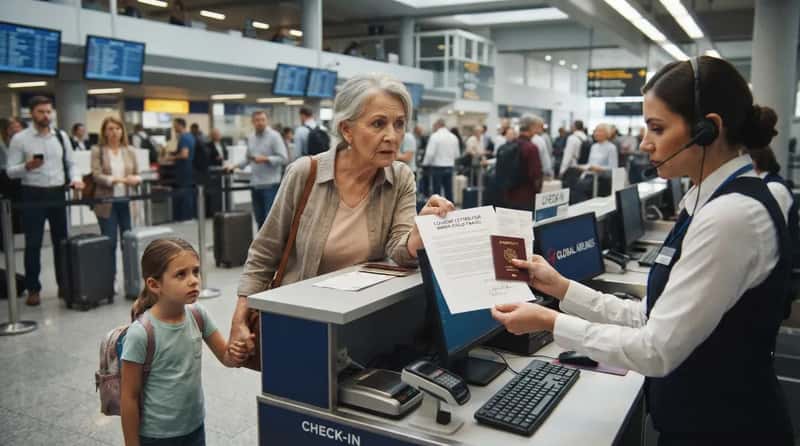
Being “Grandma” or “Grandpa” doesn’t prove a thing to a stranger with a clipboard. AAA notes that grandparents, and any adult whose last name differs from the child’s, may need extra documentation at border crossings, airport immigration checkpoints and cruise check-in desks. Nobody expects to be questioned until the moment it happens, and by then the line behind you is growing.
A signed consent letter is the usual fix. Ask each country on your itinerary what it requires, because rules vary and the check-in line is a terrible place to find out.
Fast Facts: What a Consent Letter Usually Covers
- The child’s full name and birth date
- Your travel dates and destination
- A parent’s contact details
- Both parents’ signatures, unless one has sole custody
- Notarization, which is recommended for international or custody-sensitive travel
But a signed letter is only half the paperwork, and the second half is the one people forget.
#12 – The Medical Form Hospitals Actually Want to See
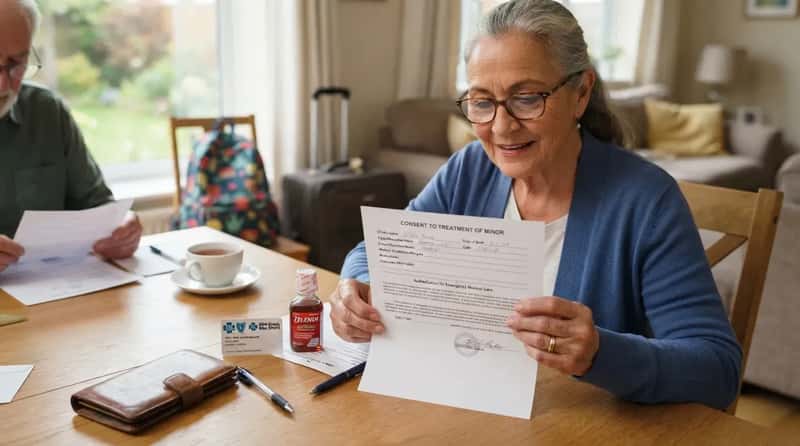
A scraped knee in a new city is easy. A high fever at 2 a.m. is not. When a child travels without a parent, emergency care can be complicated or even refused unless the situation is life-threatening, and a medical authorization letter is meant to close that gap.
AAA advises carrying an original notarized letter from the non-traveling parent or parents that grants permission for emergency medical care. Pack the child’s insurance card, allergies and current medications too. These forms generally state that they don’t transfer custody or remove any parental rights, so you aren’t asking anyone to sign anything scary. Insurance and local hospital policies differ, so check with the child’s parents and their insurer before you go.
But paperwork is the easy part compared to what’s sitting in your back seat…
#11 – The Car Seat Rules Changed Since You Raised Your Own Kids
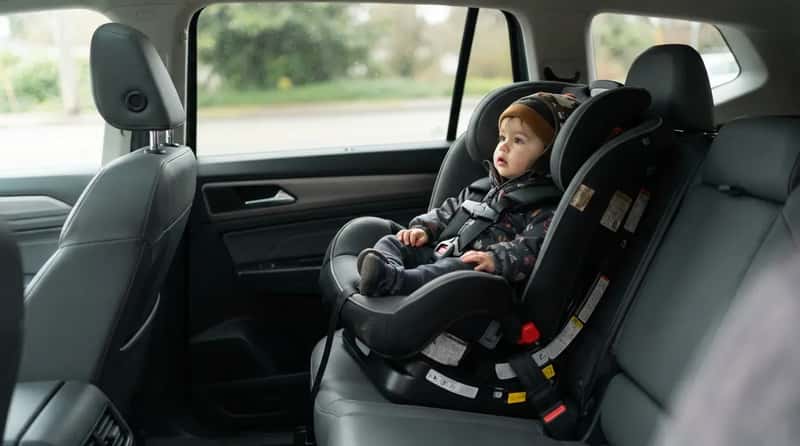
If you last buckled in a small child decades ago, your memory is probably out of date. The CDC says kids should stay rear-facing with a harness until they reach their seat’s maximum weight or height limit, and as long as possible. That covers virtually all children under 2 and most up to age 4.
The back seat matters as much as the seat itself, because children should ride there until age 13. Many grandparents still let a ten-year-old ride up front “just this once.” Booster seats hold a similar surprise: kids move out of them only when the adult belt fits properly, and age alone doesn’t decide that.
Then there’s the seat’s expiration date, and the plane ride before you ever reach the car.
#10 – The Airplane Rule Almost Nobody Mentions
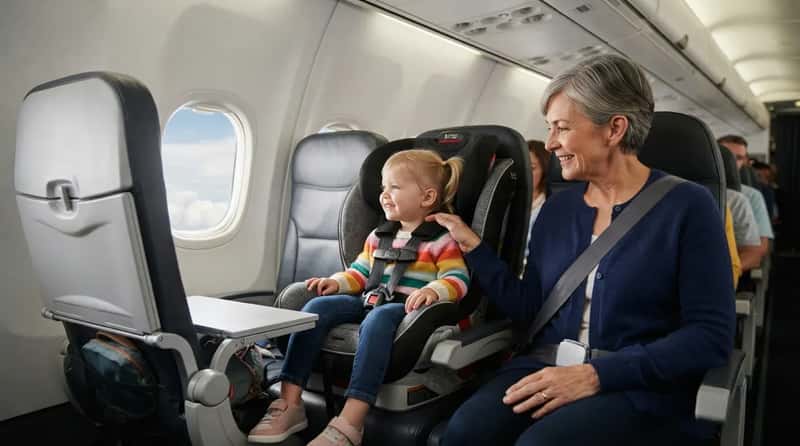
Holding a toddler on your lap feels like the classic grandparent move. Pediatricians see it differently. The AAP recommends that children under 40 pounds ride in an appropriate restraint when flying, and most rear-facing, convertible and forward-facing seats are approved for both cars and planes.
Look for the label that says so. The same guidance warns against any car seat that is too old or has been recalled, which rules out the dusty one in your garage or the one a neighbor offered. Airlines can also have their own rules about seat width and ticketing for children, so check before you book. Once everyone is buckled in, there’s a quieter rule that tends to cause the biggest family blowups.
#9 – Their House Rules Fly With Them
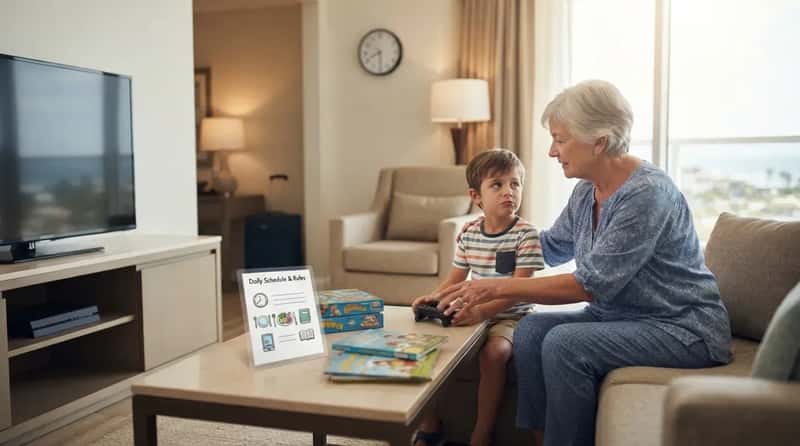
“What happens at Grandma’s stays at Grandma’s” is a lovely tradition for a weekend. On a week-long trip it becomes a problem. Parents have bedtimes, screen limits and food rules, and a child who comes home sugar-wired and sleep-deprived will happily report every detail.
Ask the parents for their non-negotiables before you leave. Allergies, bedtime and screen time are the usual ones, and you can still bend the rest. Some grandparents argue parents should relax about all of it on vacation. Others point out that you are a guest in someone else’s parenting, and that settles it.
Of course, rules only help if you can keep up with the trip itself, and that brings us to your own energy.
#8 – Plan Around Your Stamina, Not Your Bucket List

A theme park with a seven-year-old runs on a very different clock than your usual pace. Between the walking, waiting, heat and nonstop questions, even active grandparents can be wiped out by 3 p.m. A trip that burns you out on day two is a trip the kids will remember for the wrong reasons.
At a Glance: A Day That Fits Your Energy
- Morning: save the big, busy activity for when you’re freshest
- Midday: an easy lunch, shade and a slower pace
- Afternoon: a real rest, even if the kids only nap in spirit
- Evening: something low-key, like a walk, a game or an early dinner
Build the itinerary around your best hours, not the attraction’s opening hours. Consider a hotel or rental with a kitchen so meals don’t always mean a restaurant. In the 2025 Family Travel Survey, 50% of families said they cut costs by booking lodging with a kitchen, and it gives everyone a place to slow down. But the most useful kind of slowing down is the deliberate kind, and it comes next.
#7 – The Free Hours Are Not Wasted Hours

It’s tempting to fill every hour, because you only get so many days together. Experienced grandparents say that’s the mistake. Road Scholar’s guide recommends flexibility, with free time built in to rest or to explore something you didn’t know about. That unplanned detour is often the story the kids tell for years.
A packed schedule leaves no room for the thing that makes these trips special. That could be a puddle they refuse to leave, or a street performer they want to watch for twenty minutes. With some slack in the plan, a rainy morning becomes a different adventure instead of a ruined day. The same goes for the kid who wakes up in a terrible mood.
Then comes the budget talk, which many grandparents avoid until it’s too late.
#6 – Decide Who Pays for What Before You Leave

Money is where good intentions get awkward. Reporting on the 2025 survey says about three-quarters of grandparents plan and organize their skip-generation getaways, and the vast majority pay for the entire experience. Generosity is lovely, but unspoken expectations are not.
Set a spending line for souvenirs, treats and add-ons before you arrive. Otherwise a gift shop turns into a negotiation, and the kids learn that “no” is just the opening bid. A simple rule helps, like one souvenir per kid or a small daily allowance. Tell the parents too, so nobody is surprised by the stuffed animal the size of a toddler.
Picking the destination can be just as loaded as paying for it.
#5 – The Destination Isn’t Always Yours to Choose
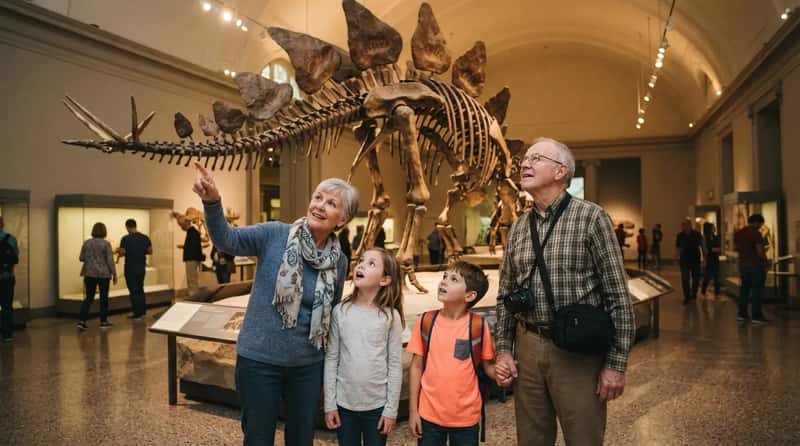
Many grandparents choose the place they’ve always dreamed of and then wonder why the kids are restless. The data shows a pattern. The 2025 survey found that multi-generational trips with parents lean toward beach vacations, while grandparents traveling without parents lean toward museums and cultural attractions. Those are different trips with different energy.
Quick Compare: Two Very Different Trips
- Multi-generational trips with parents: they lean toward beach vacations
- Grandparent-only trips: they lean toward museums and cultural attractions
- The tie-breaker: the child’s age and interests, not the brochure
Here’s an opinion that gets heated in grandparent groups. Some say a famous attraction is the right “first trip” because kids love the big names. Others call it overpriced chaos for a child who would be just as happy at a smaller science museum or a national park. The honest answer depends on the child, not on the brochure. Match the trip to the kid’s age and your odds of a meltdown drop. Then again, the simplest way to find out what a kid wants is to ask.
#4 – Never Make Your Biggest Trip Your First Trip

A two-week trip abroad sounds ambitious. Grandparents who swear by a warm-up say it’s also a gamble. Nobody knows whether a child gets homesick, picky about food or anxious in a strange bed until they’ve spent a night away from home.
Start small with a sleepover, a weekend at a nearby state park, or a day trip with a long car ride. You learn the child’s rhythms and they learn yours. Skip-generation travel is also less common than many assume, with about 11% of parents surveyed saying they plan skip-gen trips in the next 12 months. That suggests the idea is still new for many families, and a smooth short trip can make the next one an easier yes.
Once trust is earned, the next rule keeps it.
#3 – Pack Like You’re the Only Adult for Miles
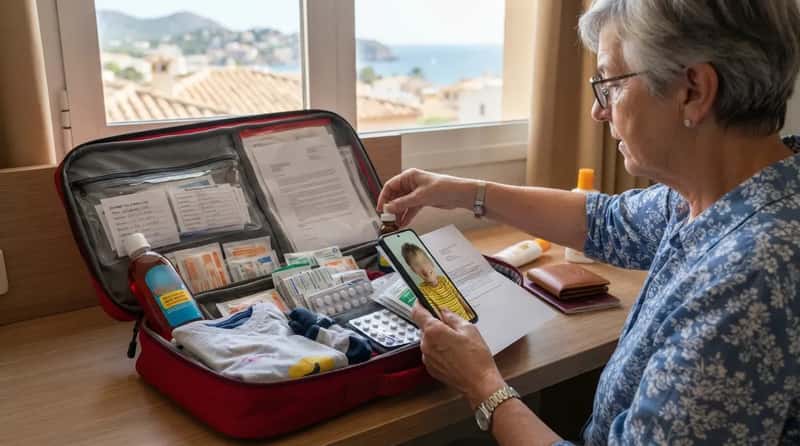
On a family trip, someone else usually remembers the sunscreen. On a skip-gen trip, that someone is you. A solo grandparent has no backup adult to run to the pharmacy while another keeps an eye on the kids.
Make a small kit with children’s pain reliever and fever reducer if the parents approve, bandages, any prescribed medicines in their original containers, a spare change of clothes, and a printed contact list. One sample guide suggests giving the grandparent both a printed and a digital copy of the medical consent letter. Snap a photo of each child on your phone every morning. If you ever lose track of a kid in a crowd, you’ll be able to say exactly what they’re wearing.
Safety is covered, but there’s one more thing parents are quietly watching for.
#2 – Check In With the Parents Every Single Day

Some grandparents treat a trip as a break from reporting back. Parents see it differently, because for them it’s days of not knowing. A short daily message with a photo or a funny line does more than any promise made at the airport.
Schedule a quick video call at the same time each evening, and let the kids do the talking. Younger children especially may feel better after hearing a familiar voice. If something goes wrong, tell the parents right away, even when it feels embarrassing. A small problem you report is a story. A small problem they discover later becomes a trust issue.
And the last rule is the one that changes how the whole trip feels.
#1 – Let the Kids Steer Part of the Trip, Then Actually Listen

The best skip-gen trips turn out to be less about sightseeing and more about getting to know each other. Reporting on the survey says these trips help grandparents get to know their grandchildren better. Grandparents in the study also say the trips help kids become more adventurous, flexible and confident. That happens when kids have a say, not when they simply follow you around.
Road Scholar’s guide offers a related data point. The company says 70% of its grandparent travelers report that children help pick their program. Including kids in decisions gives them a sense of autonomy and lets them choose activities and restaurants that interest them. Let each grandchild pick one meal, one activity or one stop. Then put the phone away and pay attention to what they say while they’re doing it. That’s the part they’ll tell their own kids about someday.
Why It Stands Out
- Road Scholar says 70% of its grandparent travelers report that children help pick their program
- Grandparents in the survey say these trips help them know their grandchildren better
- Kids with a say come home more confident, according to those same grandparents
- It costs nothing: one meal, one activity or one stop per child
Here’s the quiet truth under all 13 rules: the destination matters far less than you’d think. The paperwork, the car seats and the daily check-ins are what keep a trip standing, and a plan that fits your energy keeps you in it. Skip any one of them and the whole thing gets harder.
Get them right, and nobody will remember the notarized letter. They’ll remember the puddle they wouldn’t leave, the pancakes they picked, and the week a grandparent really listened.