You pull up to the gate expecting the same old drill: pay the fee, grab a map, head for the overlook. Standard vehicle entrance fees at individual parks still run $20 to $35 for a seven-day pass, so on the surface nothing looks different. But the rules for getting in, getting around, and getting help have been quietly shifting.
Some of these changes work in your favor. A few will cost you time or money before you even see a mountain. And the one waiting at #1 is the one the rangers’ own advocates keep coming back to, because it changes what happens when your day goes wrong.
#13 – The “Free Days” Calendar Got Quietly Rewritten
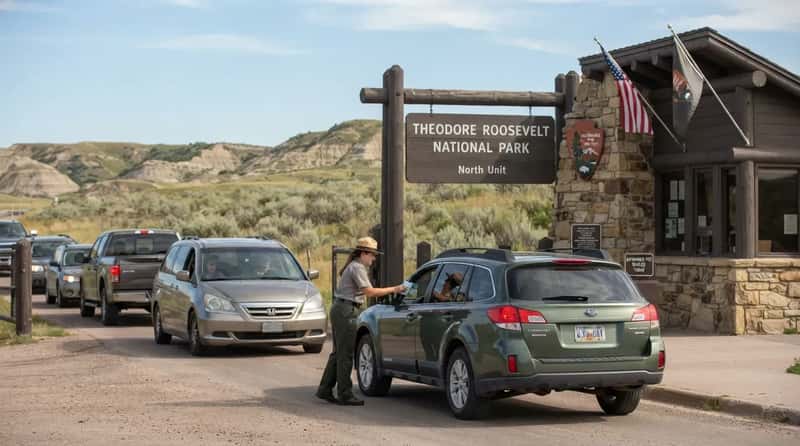
Free-entry days used to feel like a simple perk. The National Park Service announced eight fee-free dates in 2026, exclusively for U.S. residents, running from Presidents’ Day in February through Veterans Day in November. Count the multi-day Independence Day stretch and it adds up to ten fee-free days. Martin Luther King Jr. Day and Juneteenth are gone from the calendar entirely.
Flag Day, June 14, now carries the label of President Trump’s birthday. Two free dates are still ahead this year: October 27, Theodore Roosevelt’s birthday, and November 11, Veterans Day.
Whether the swap feels like a fair trade depends on who you ask, and the comment sections show it. Next up is the change that decides whether you can book a trip at the last minute.
#12 – Four Famous Parks Quietly Dropped Their Reservation Systems
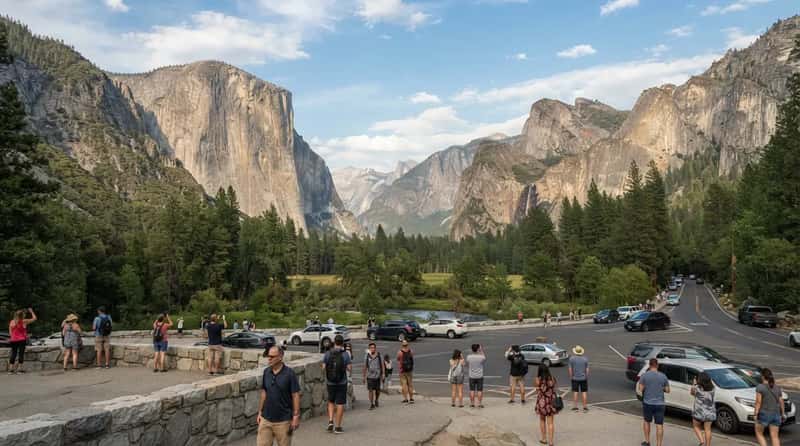
For several summers, getting into Yosemite or Arches meant racing a clock. In 2026, Yosemite, Glacier, Arches, and Mount Rainier eliminated timed-entry reservation requirements. At Arches, that ended a system that had run every spring-to-fall since 2022.
Yosemite says it won’t use a timed system at any time of year, including the February-to-March “firefall” window.
Here’s the catch. “No reservation required” doesn’t mean “no crowds.” The parks now lean on real-time traffic management and temporary parking controls when lots fill up.
So the line you skip at the reservation page can turn into a line at the entrance. There’s also a change that lives on your phone, and it’s less obvious than it sounds.
#11 – Your Park Pass Can Now Live on Your Phone
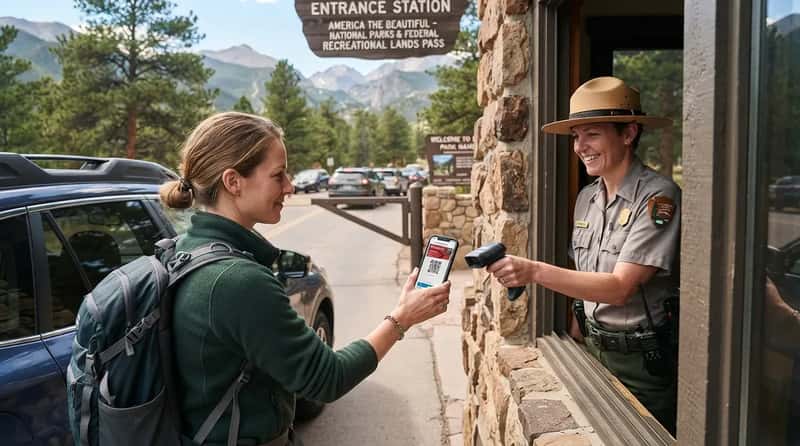
The America the Beautiful pass has gone digital. Passes are available through Recreation.gov, usable instantly, stored on your device, and linkable to a physical card if you want one. That’s a lifesaver if your wallet pass is sitting in a kitchen drawer back home. Each pass now also covers two motorcycles, which is good news for riders.
The new wrinkle is proof. To buy the resident pass, you show proof of U.S. citizenship or residency, such as a passport, a state driver’s license or ID card, or a green card. One travel site advises bringing a government photo ID that matches the name on your pass.
At a Glance
- Buy it on Recreation.gov and use it right away.
- It lives on your phone, with an optional link to a physical card.
- One pass now covers two motorcycles.
- Resident buyers show proof of citizenship or residency.
That small step at the booth can slow things down at busy gates. Next, one park that did not loosen up at all.
#10 – Rocky Mountain Still Makes You Book a Slot
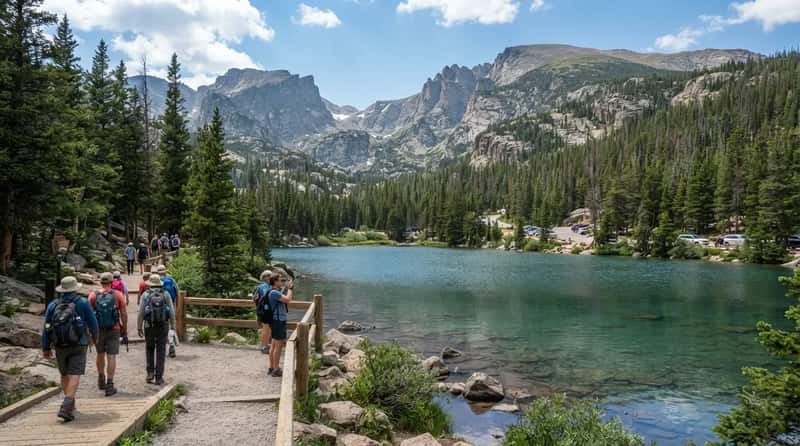
While other parks relaxed, Rocky Mountain held firm. Of the five high-profile parks that have used timed entry in recent years, only Rocky Mountain still requires a day-use reservation in 2026. The reservations run from May 22 through October 12, so late-season visitors should check the details now.
Reservations for Bear Lake Road are needed from 5 a.m. to 6 p.m., while the rest of the park requires them only from 9 a.m. to 2 p.m. If you skip Bear Lake Road, you can enter without a reservation before 9 a.m. and after 2 p.m.
Early birds and late-afternoon wanderers slip past the system entirely. A few other parks hide reservations inside the park, and that’s where visitors get caught.
#9 – The Reservation You Don’t Know You Need Is Hiding Inside the Park
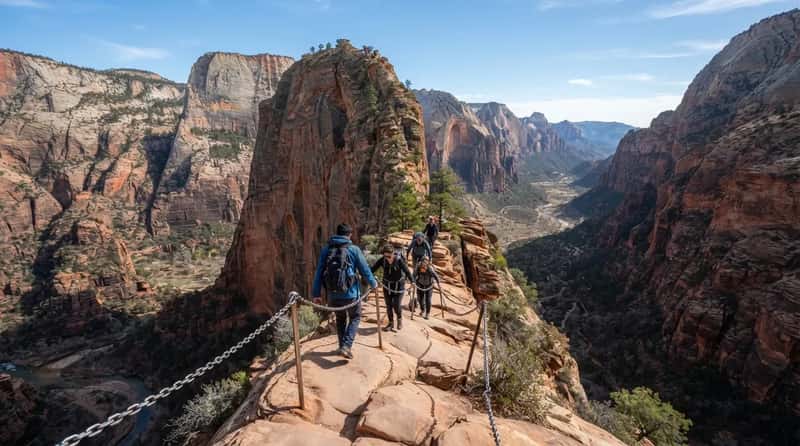
Getting into the park and doing the famous thing inside it can be two different bookings. Acadia’s Cadillac Summit Road requires a $6 vehicle reservation, while the rest of the park does not. Haleakalā’s sunrise summit access covers entry between 3 a.m. and 7 a.m., so showing up at dawn on a hunch won’t work.
Carlsbad Caverns requires a timed cave-entry ticket year-round, booked on Recreation.gov for a 60-minute window. Zion’s Angels Landing needs a hiking permit, and Denali runs on bus tickets. The park gate is only the first checkpoint.
Meanwhile, the parks with no reservations have their own surprises waiting on the road.
#8 – Yellowstone Needs No Reservation, but the Roads Will Make You Wait
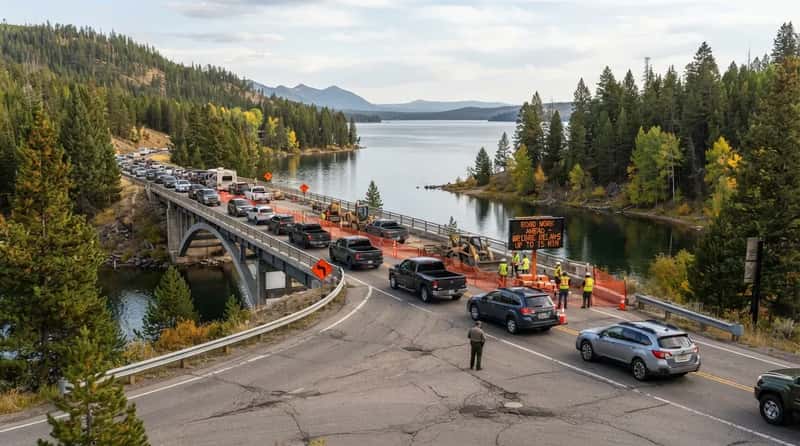
As of 2026, Yellowstone does not require vehicle reservations. Don’t mistake that for smooth driving. Bridge Bay Bridge work means delays of up to 15 minutes from August 25 through November, and oversized and overweight vehicles can’t cross the bridge during that time.
Five full nighttime closures, 9 p.m. to 4 a.m., will also occur after September 7. Annual chip sealing, which preserves the roads, can cause delays of up to 30 minutes throughout 2026.
The high-elevation Dunraven Pass is projected to stay open through October 12, but its closing date depends on the weather. Fall visitors can lose the last warm days to a closed pass.
Fast Facts
- Bridge Bay Bridge: delays up to 15 minutes, August 25 through November.
- Nighttime closures: five of them, 9 p.m. to 4 a.m., after September 7.
- Chip sealing: delays up to 30 minutes all year.
- Dunraven Pass: projected open through October 12, weather permitting.
Next door, a backcountry trailhead disappeared for a whole season.
#7 – A Grand Teton Trailhead Vanished for an Entire Season
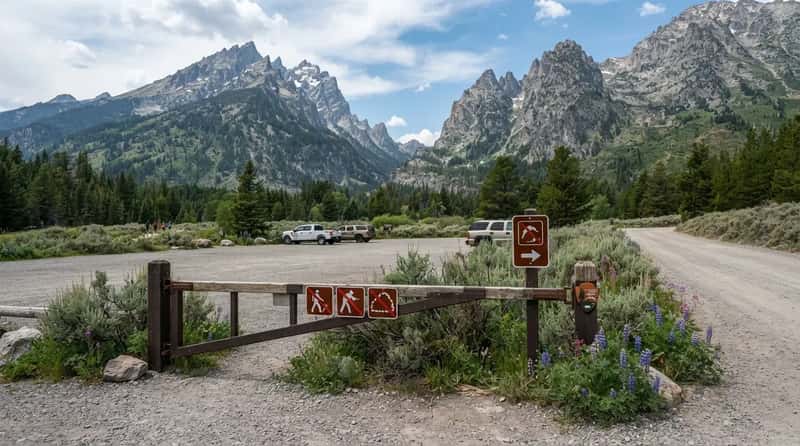
Death Canyon Trailhead was closed for all of summer 2026, with no backcountry access from Death Canyon. It’s being relocated about a mile from its current spot. Hikers who built a whole trip around it had to rework the plan.
Park officials expect 20-minute delays at the Teton Park Road roundabout from May 1 through November 15. The roundabout work isn’t expected to wrap up until June 2027.
So a fall trip isn’t automatically a clear run. Down in Arizona, a repair job has kept a famous trail off the map.
#6 – The Grand Canyon’s Water Pipe Is Rewriting Your Hiking Map
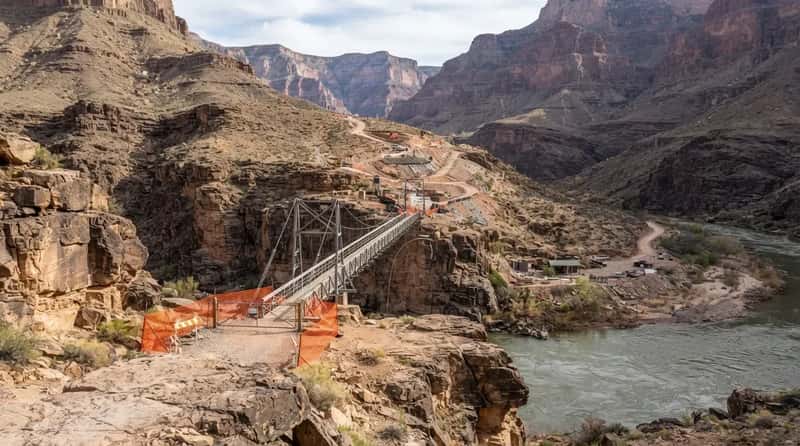
Grand Canyon National Park planned multiple closures in 2026 for construction on the Transcanyon Waterline. The Plateau Point Trail, River Trail east of River Resthouse, and Silver Bridge were scheduled to stay closed until June 30, 2026. A 50-foot section of the River Trail collapsed in a rockfall in August 2025.
The North Kaibab Trail is closed north of the Clear Creek junction from damage in the 2025 Dragon Bravo wildfire. One report says flash flooding on August 29, 2026 closed many inner-canyon facilities, including the North Kaibab to Phantom Ranch, Phantom Ranch lodging, and Bright Angel Campground. That same report lists no estimated reopening date.
Check conditions before you commit to a rim-to-river plan. Then there’s the pass itself, which now has two very different prices.
#5 – The Same Pass Now Costs $80 or $250, Depending on Who You Are
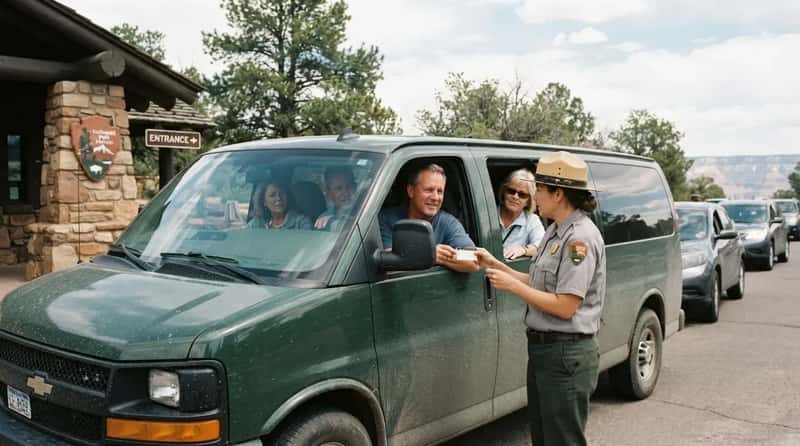
U.S. residents still pay $80 for the annual pass, while nonresidents now pay $250. Both versions exempt the holder, and everyone in their vehicle at a drive-in entrance, from the $100 surcharge. Same card, same parks, a $170 difference.
That pass covers one vehicle, or two motorcycles, or the holder plus three other adults. For international families touring several parks, it can beat paying at every gate.
The people who feel this change most are the ones who never see the headline. The surcharge behind it is coming up.
#4 – Summer Crews Shrank, and Rangers Are Stretched Thin
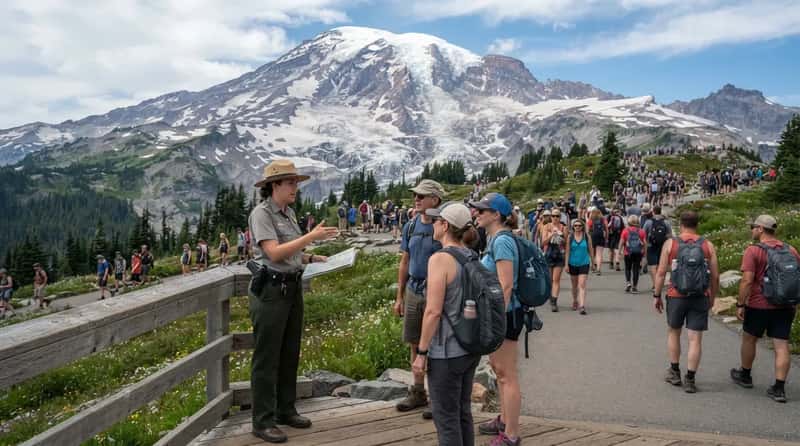
Mount Rainier typically has around 200 summer employees. In 2025, it was down to about 130 to handle roughly 2.5 million visitors. That’s a thinner team for the same crowds.
The hiring freeze has been lifted, but new hires remain difficult. Interior guidance reportedly allows no more than one new employee for every four who depart. Replacing a quarter of the people who leave isn’t a rebuild.
Worth Knowing
- Mount Rainier’s usual summer crew: about 200 people.
- Summer 2025 at Rainier: about 130 staff for roughly 2.5 million visitors.
- Reported hiring rule: one new hire for every four departures.
- Fewer staff can mean less on-the-spot guidance about trails, weather, and wildlife.
With fewer rangers, there may be less guidance on trail conditions, weather hazards, and wildlife. The money fight behind the staffing is next.
#3 – A Record Budget Cut Was Proposed, and Then Mostly Rejected
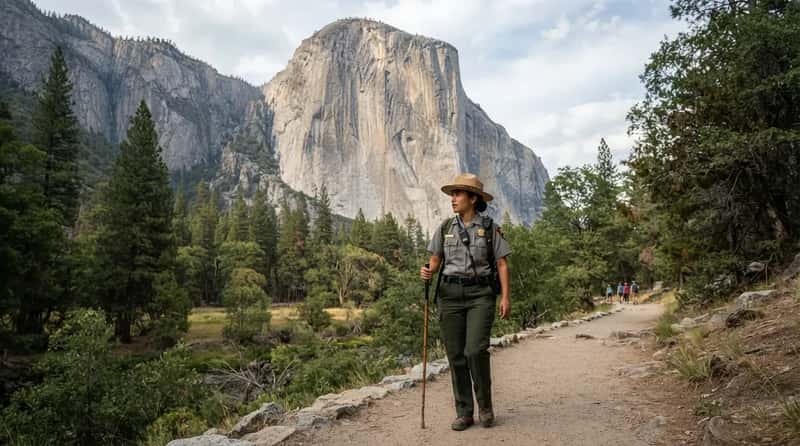
The administration’s fiscal 2026 proposal included $1.2 billion in NPS cuts, a 37% decrease and the largest in the agency’s 110-year history. Congress rejected it and passed a budget with just a 2% decrease. That’s a rare bipartisan win for the parks.
But the relief has a limit. The National Parks Conservation Association’s John Garder says both parties funded the staff the Park Service used to have and directed it to keep enough people. Funding passed, yet staffing didn’t snap back.
Meanwhile, the biggest fee change of all lands on visitors from abroad.
#2 – The $100 Surcharge Hits 11 of the Most Famous Parks
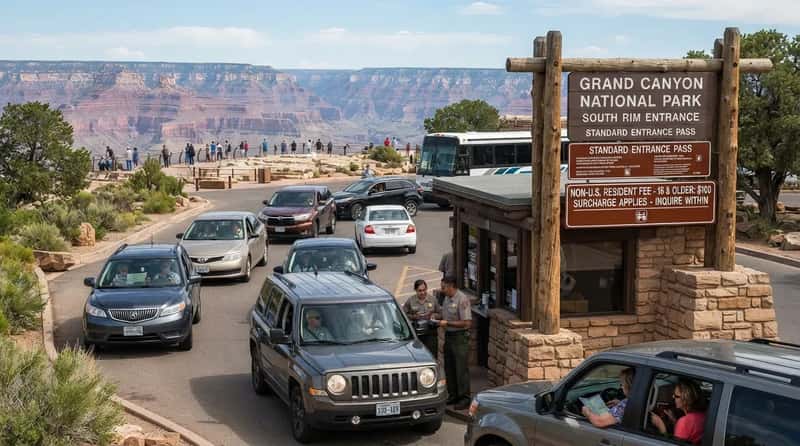
Since January 1, 2026, every non-U.S. resident aged 16 and older pays $100 per person, on top of the standard entrance fee, at 11 designated parks. They are Acadia, Bryce Canyon, Everglades, Glacier, Grand Canyon, Grand Teton, Rocky Mountain, Sequoia and Kings Canyon, Yellowstone, Yosemite, and Zion. Green card holders count as residents and don’t pay.
Of the record 331.8 million park visits last year, an estimated 14.6 million were international tourists. Senators argued the fees were rushed, without public input, and would be a barrier for visitors. The policy traces to a July 2025 executive order, and Interior announced the plan on November 25, 2025.
The last change is the one the rangers’ own advocates keep pointing to.
#1 – A Quarter of the Park Service’s Full-Time Staff Is Gone
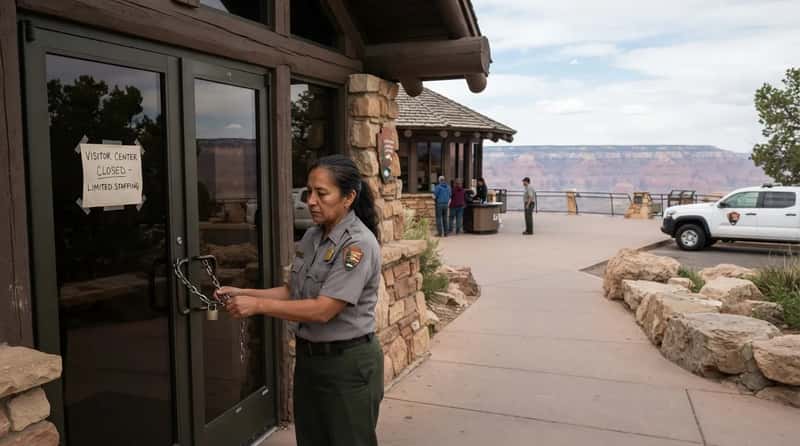
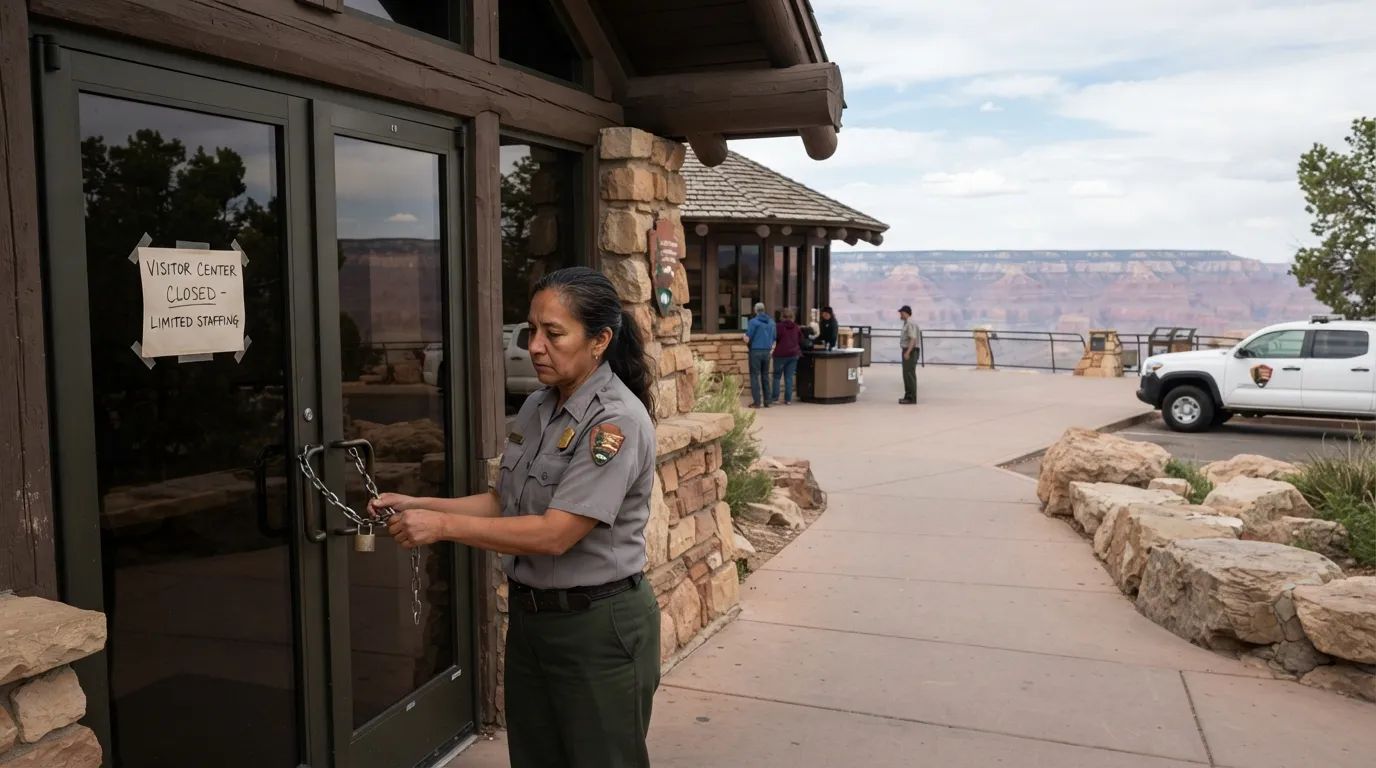
The National Parks Conservation Association puts full-time Park Service employment at 12,600, down 24 percent since the start of the Trump administration. The group’s report says that means fewer rangers to educate and protect the public, slower emergency response, and reduced visitor-center hours. That’s roughly 4,000 permanent jobs gone.
Grand Canyon even warned visitors to expect delayed search and rescue because of limited staffing. Former ranger Bill Wade, who leads the Association of National Park Rangers, says employees live with uncertainty and fear, and that morale is “the lowest it’s ever been.” The person who would once have pointed you to the right trail may not be there, so plan like it.
Fees, reservations, and closures change from year to year. The thinner ranger presence is the one that changes what a bad day in the backcountry looks like.
The views are still worth it. Just check the park’s own page before you go, and pack like help might be a long way off.