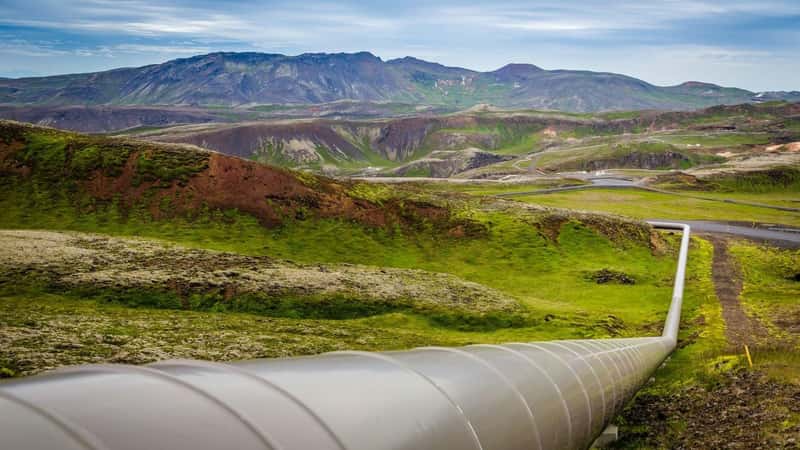
East African Crude Oil Pipeline threatens wetlands, wildlife corridors: Report – Image for illustrative purposes only (Image credits: Unsplash)
Travelers drawn to East Africa’s renowned safari destinations now face new questions about the long-term health of the landscapes they visit. The East African Crude Oil Pipeline, a 1,443-kilometer project linking oil fields near Uganda’s Lake Albert to the Tanzanian port of Tanga, passes through or near wetlands and migration routes that support both local communities and iconic wildlife. A recent analysis from Earth Insight highlights how construction has already affected habitats and how future oil transport could add lasting pressures on these areas. With operations slated to begin as early as October 2026, the stakes extend beyond energy development to the ecosystems that define the region’s appeal for visitors.
Practical Effects on Communities and Ecosystems
Local livelihoods tied to wetlands and water sources stand among the first to feel the pipeline’s presence. The route runs close to areas that supply water security for millions of people across Uganda and Tanzania, where farming, fishing, and pastoral activities depend on stable habitats. Construction activity has already fragmented sections of land, altering daily routines for residents who rely on these corridors for movement of livestock and access to resources. Wildlife faces parallel disruptions. The pipeline intersects ranges used by endangered species, including critical black rhino habitat. One stretch near the Kibale and Bukoora river crossing shows particular risk of dividing migration paths that animals have followed for generations. These changes do not occur in isolation; they compound existing pressures on the same landscapes that attract international visitors seeking authentic wildlife encounters.
Project Timeline and Key Stakeholders
The East African Crude Oil Pipeline represents a partnership among several major players. TotalEnergies holds the largest share at 62 percent, while the governments of Uganda and Tanzania each own 15 percent and China National Offshore Oil Corporation accounts for the remaining 8 percent. Oil will flow from two fields in the Lake Albert region: the Kingfisher development operated by CNOOC and the Tilenga field managed by TotalEnergies. Construction has advanced to the point where first oil transport could start within months. Earth Insight’s mapping work draws on existing data about biodiversity value and economic importance to show how close the route comes to sensitive zones. This timeline leaves limited room for additional adjustments before operations begin, placing immediate focus on monitoring and mitigation measures already in place.
Implications for East African Travel Experiences
Safari itineraries that cross Uganda and Tanzania often highlight the very corridors now under discussion. Visitors who travel to observe elephants, rhinos, and other species in their natural settings may encounter landscapes altered by pipeline infrastructure over time. The report notes that long-term risks include ongoing habitat pressure once oil begins moving through the line. Stakeholders in tourism, from lodge operators to conservation groups, watch these developments closely. The same wetlands that sustain wildlife also support the scenic and ecological qualities that draw repeat visitors. Any reduction in corridor connectivity could gradually shift animal movement patterns, affecting the reliability of sightings that form the core of many travel packages. – Wetlands supporting water security for millions of residents
– Migration routes used by black rhinos and other endangered species
– River crossing zones at risk of fragmentation
– Construction zones already affecting local land use
Looking Ahead for the Region
The East African Crude Oil Pipeline illustrates the tension between large-scale energy projects and the preservation of shared natural assets. Communities in Uganda and Tanzania, along with travelers who value the area’s biodiversity, share an interest in how these overlapping uses evolve. As the October 2026 target approaches, attention remains on whether mitigation efforts can limit further disturbance to the corridors that connect people, wildlife, and the landscapes they both depend upon.