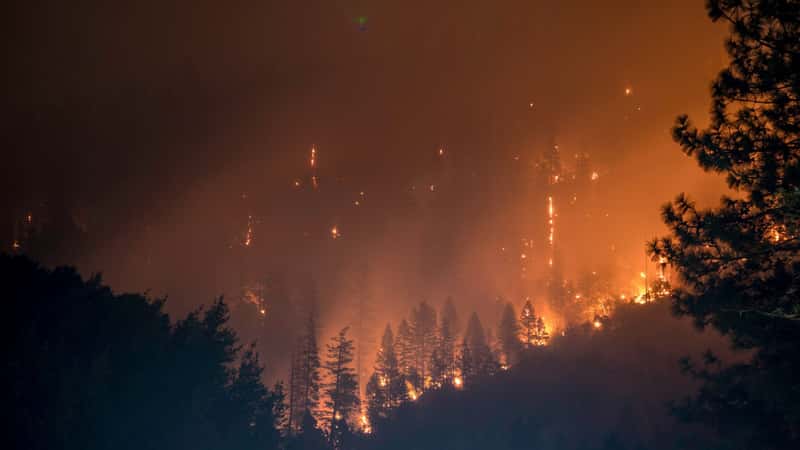
A possible strong El Niño fuels fears for fires across Indonesian tropical peatlands – Image for illustrative purposes only (Image credits: Unsplash)
Jakarta, Indonesia – Forecasters have flagged a likely strong El Niño this year that could intensify wildfires across Indonesia’s vast peatlands during the upcoming dry season. The development raises the prospect of thick regional haze that has disrupted flights and outdoor activities in past events. Travelers heading to Bali, Singapore, and parts of Malaysia may face reduced air quality and possible travel delays if fires take hold.
Climate Signals Point to Drier Conditions
Indonesia’s meteorology agency BMKG and the U.S. National Oceanic and Atmospheric Administration both project elevated chances of a moderate to strong El Niño developing mid-year. Equatorial Pacific waters running more than half a degree Celsius above average for several months trigger the pattern. This shift typically brings hotter, drier weather to Indonesia, home to the world’s largest tropical peatlands. BMKG official Ardhasena Sopaheluwakan noted in mid-June a 50 to 60 percent chance of the event and a drier-than-normal dry season ahead. The combination heightens fire danger on drained or disturbed peat soils that burn readily once ignited.
Peatlands in Borneo Face Heightened Threat
Central Kalimantan province on Borneo stands among the areas of greatest concern. Environmental monitors have warned that ongoing land-use activities on peat increase vulnerability to uncontrolled burning. Satellite data already track early hotspots in neighboring West Kalimantan. Peat fires release dense smoke that can linger for weeks and travel hundreds of kilometers on prevailing winds. Past episodes have produced haze thick enough to ground aircraft and close schools across borders.
Travel Implications Across the Region
Haze events tied to Indonesian fires have repeatedly affected popular tourist routes. Reduced visibility has delayed flights at major hubs serving Bali and Singapore. Air-quality readings in affected cities have reached unhealthy levels for sensitive groups, prompting some visitors to alter outdoor plans. The current dry-season window runs through the coming months, aligning with peak travel periods for many Southeast Asian destinations. Officials continue to monitor conditions, yet the forecast leaves room for rapid deterioration if ignition sources multiply.
Practical Steps for Visitors
– Check air-quality indexes for destination cities before departure and during stays.
– Pack masks rated for fine particles and plan flexible itineraries that allow indoor alternatives.
– Monitor airline and airport alerts for possible schedule changes linked to visibility.
– Consider travel insurance that covers weather-related disruptions. Regional authorities have stepped up fire-prevention patrols, yet the underlying climate driver remains beyond local control. Travelers who stay informed can adjust plans more smoothly if haze develops.