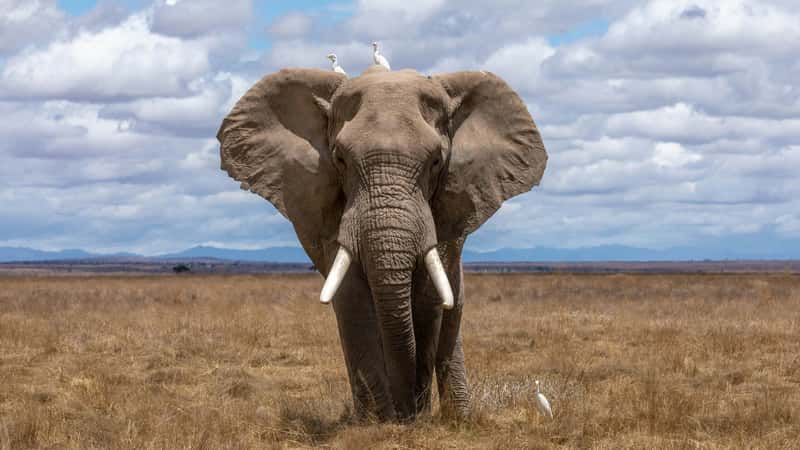
Removal of African elephants causes coextinction of dung beetles, study finds – Image for illustrative purposes only (Image credits: Unsplash)
Kenya – The loss of African elephants does more than remove a charismatic giant from the landscape. It also removes the primary food and shelter source for many smaller creatures that depend on their waste. A long-running field experiment has now shown this link in action, marking the first time researchers have documented coextinction through controlled, large-scale observations rather than models alone.
Building the Test in the Savanna
Researchers established the experiment in 2008 at Mpala in central Kenya. They constructed multiple fenced areas, each covering 10,000 square meters of natural savanna. Some enclosures excluded elephants while allowing other wildlife to remain. This design created realistic conditions for what happens when elephants disappear from a local area. The setup allowed scientists to compare beetle communities inside and outside the barriers over many years. By removing only elephant access, the team isolated the effect of losing one key species on the insects that process its dung.
The Tight Link Between Elephants and Beetles
Dung beetles play a quiet but vital role in savanna ecosystems. They bury and consume feces from large herbivores, preventing waste buildup that can pollute soil and water. The insects also support nutrient cycling that keeps grasslands productive and help limit populations of biting flies. The Kenya team first catalogued dung preferences across 179 beetle species. Elephant dung proved especially attractive. When that resource vanished inside the exclosures, many beetle species lost their main habitat and food supply.
Clear Results From the Field
Computer models had predicted that local elephant extinction would drive roughly 28 percent of the dung beetle species to disappear as well. Actual counts inside the elephant-free enclosures came close, showing about 23 percent of species gone. The match between prediction and observation strengthened the case that the beetles were directly dependent on the elephants. This outcome stands out because it came from a real-world manipulation rather than theory. Earlier studies had suggested coextinction risks, yet few had tested the idea at this scale with living animals.
Ecosystem Services at Risk
The beetles deliver several practical benefits that extend beyond their own survival:
- Breaking down dung to recycle nutrients back into the soil
- Reducing fly breeding sites that affect both wildlife and livestock
- Improving pasture quality by incorporating waste into the ground
When beetle numbers drop, these services weaken. The experiment therefore points to wider effects on savanna health that could influence grazing animals and even human land use. The findings also highlight how the removal of one large species can ripple outward. Conservation efforts focused only on elephants may miss these secondary losses unless they account for the full web of dependencies.