Deep in a mangrove forest in southwestern Sarawak, Malaysia, a small cat with a flattened head and large green eyes has been moving through the damp woodland largely unseen. Researchers using motion-triggered cameras have now documented the flat-headed cat in new detail, including where it tends to spend its time. The work, reported by Mongabay [1], adds to a small body of knowledge about one of Southeast Asia’s rarest and least studied mammals. ([1])
A cat that rarely shows itself
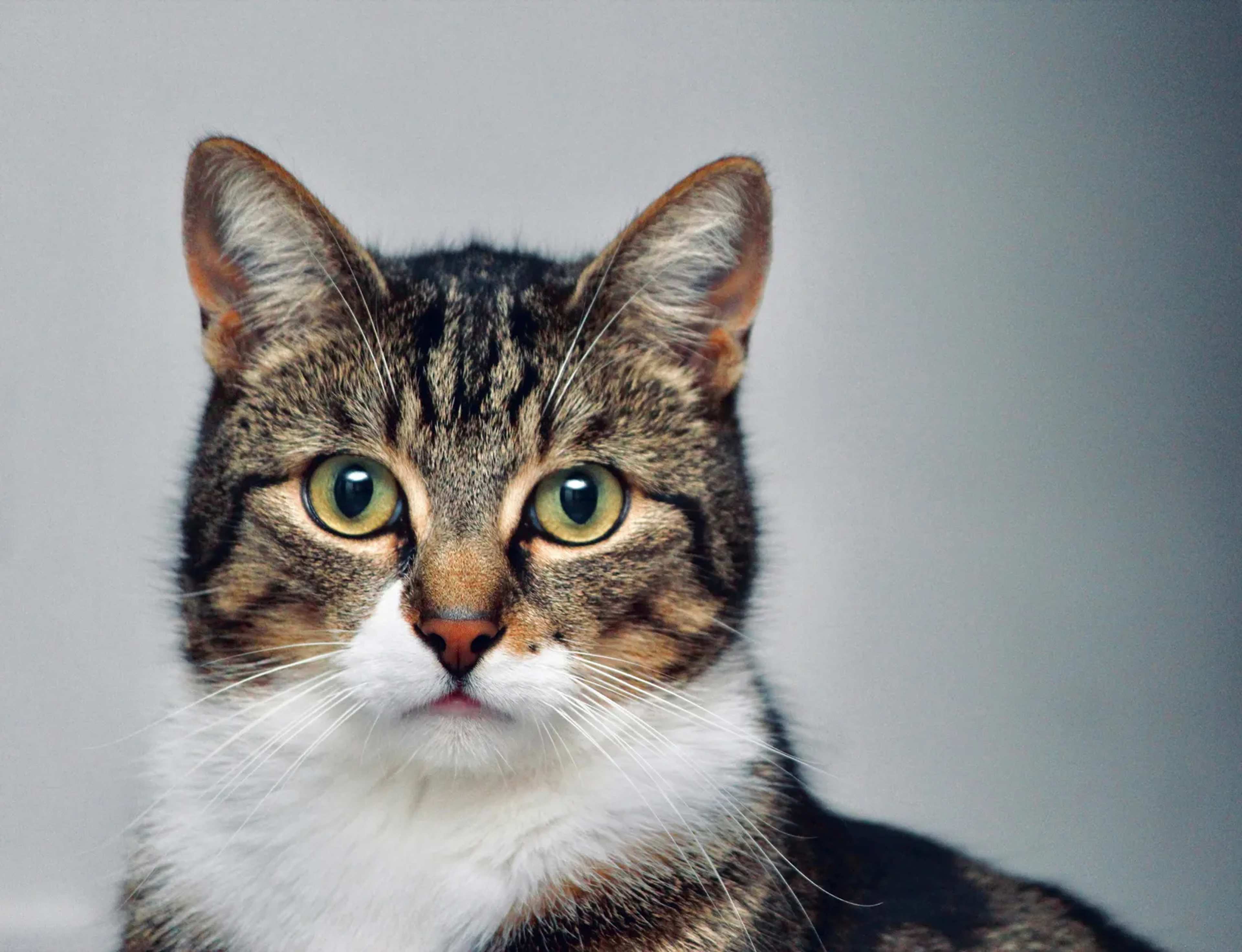
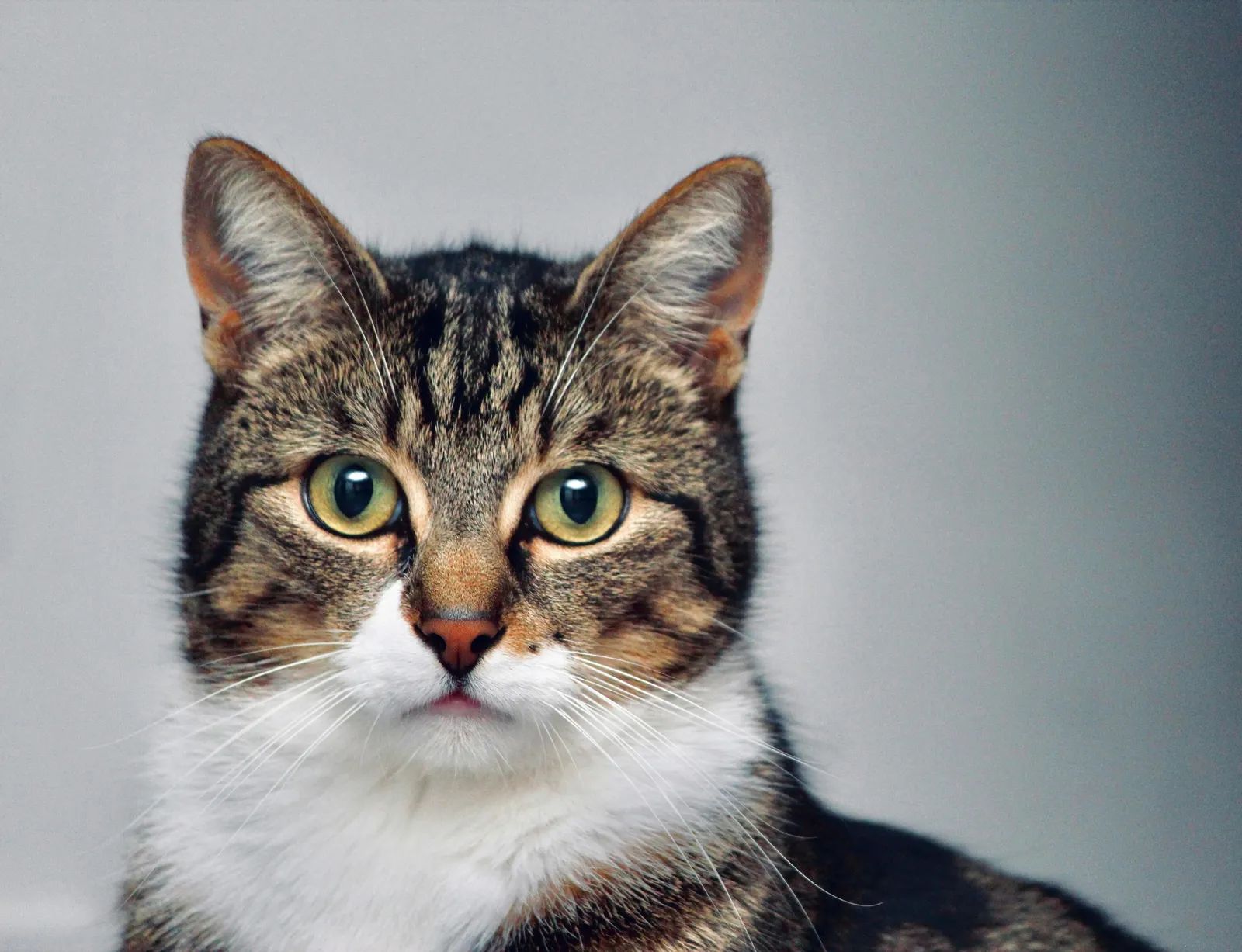
The flat-headed cat, known scientifically as Prionailurus planiceps, is small and semi-aquatic. It has an elongated, flattened skull, small ears set toward the back of the head, and large green eyes positioned at the front. Those eyes help the animal locate aquatic prey, which is central to its way of life in and around wetlands.
Its rarity carries official weight. The species is listed as endangered on the IUCN Red List, a status that reflects both its declining numbers and the limited information available about it. For a cat this elusive, every new record from the field helps fill gaps that have persisted for years.
Three years of cameras in the mangrove
The study monitored the proposed Lundu Mangrove Protected Forest over a survey that ran from August 2021 to May 2024. Across that period, the cameras captured the flat-headed cat 59 times, a count that offers researchers a rare window into the animal’s movements.
The figures are not perfectly consistent across the reporting. The article gives 59 recordings overall and 49 photos and videos from the wetlands dominated by nibong palm. The study’s lead author, however, cited a breakdown of 58 detections. Such small differences are common in field data, but they are worth keeping in mind when reading the totals.
Higher ground, palms, and a clear preference
Most of the sightings came from an unexpected setting. The majority of recordings were made in wetlands dominated by nibong palm, Oncosperma tigillarium, at slightly raised areas between 10 and 20 meters, or 33 to 66 feet, above sea level. These zones are not flooded by tides and contain freshwater puddles, which the researchers consider valuable foraging areas for slippery prey such as fish and amphibians.
The cats appeared to avoid the lower ground. Tidally flooded swamps at or near sea level produced just one detection. Ahmad Ampeng, the study’s lead author and a research officer with the Forest Department Sarawak, described the breakdown in comments to Mongabay.
“Out of 58 recorded detections, 48 were from Nibong, nine from Buta-buta and one from Nipah habitat,” Ampeng said. He added that he considers the findings important because they provide valuable ecological information about a globally endangered and elusive wild cat.
What the study does not yet answer
The results come from a single protected area and one survey window, so they describe this site more than the species as a whole. Researchers will need to determine whether the same preference holds in other mangrove or wetland landscapes where the cat occurs.
Key points from the study
- The flat-headed cat was recorded 59 times between August 2021 and May 2024.
- Most detections came from non-tidal nibong palm wetlands, 10 to 20 meters above sea level.
- Tidal swamps near sea level produced only one detection.
- The findings reflect one site, so broader conclusions remain open.
For now, the cat’s habits offer a quiet reminder of how much remains hidden in Southeast Asia’s wetlands. A small, endangered predator has been spending much of its time on slightly higher ground among palms, and the next step is learning whether that pattern extends beyond Lundu.