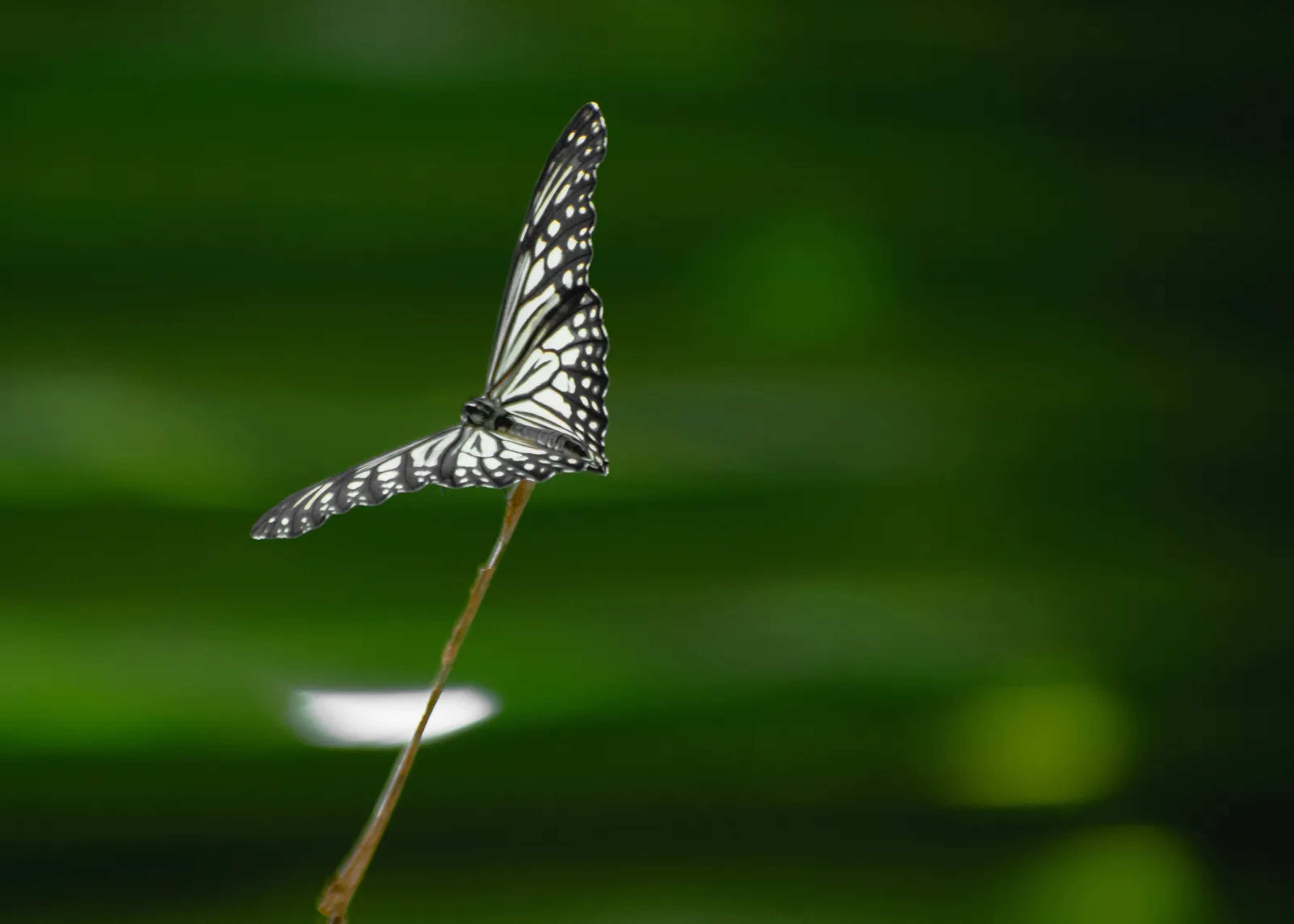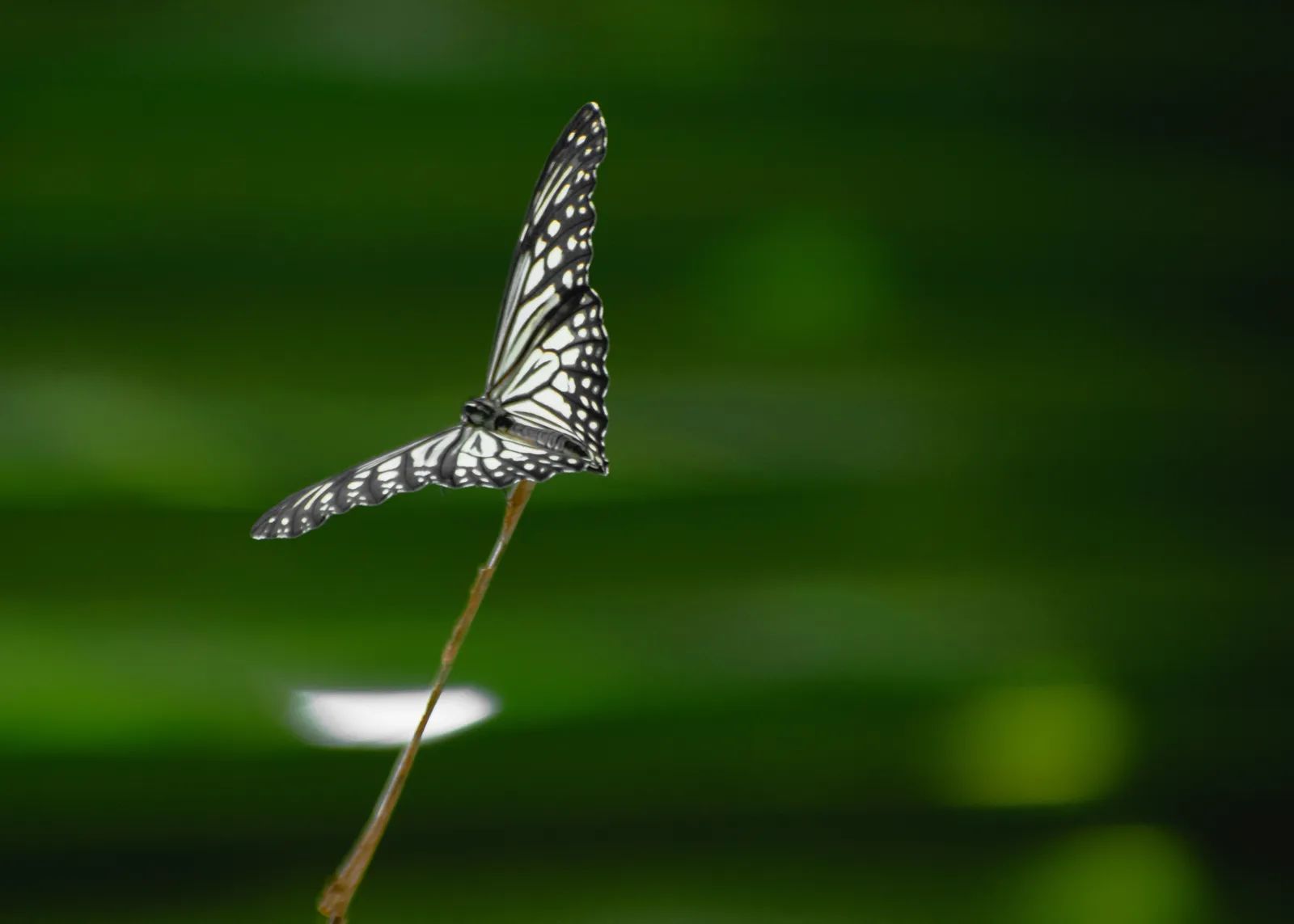
For generations, Sri Lankans have linked the sudden arrival of butterfly swarms to a sacred journey toward Adam’s Peak, the conical mountain in the Central Highlands that people of several faiths revere. This November, the swarms returned to Colombo, where clouds of yellow and white butterflies moved through traffic. ([1])The spectacle has also arrived alongside a new global study on how butterfly ranges are changing, which raises a question the folklore never had to answer.
A spectacle that reaches beyond the capital
The sightings were not confined to Colombo. The phenomenon has been reported not only in Colombo but several other parts of Sri Lanka, says Lakshman Kumara, secretary of the Butterfly Conservation and Research Group of Sri Lanka (BCRG). Social media posts showed large groups in areas including Colombo, Galle and Ratnapura.
Timing is part of the pattern. Butterfly numbers typically peak during two main periods, October to November and February to March. Kumara said this year’s flight path differed from earlier records, with the insects appearing to avoid the hill country, possibly because of weather conditions. Public reaction was mixed, and some questioned whether the unusual movement signals an approaching natural disaster.
What local experts say is happening
Large swarms of white and yellow butterflies spotted across several parts of Sri Lanka in recent days are part of a natural seasonal migration triggered by monsoon rains and the growth of host plants, experts have explained. Those rains lead to more host plants, which in turn support larger populations. When food runs short in one area, the insects spread out.
Researchers are also careful with their language. “We describe this as a ‘mass movement’ rather than a formal migration,” butterfly researcher Dissanayake said, emphasizing the need for scientific caution. Records and studies dating back to 1987 suggest that approximately 70 butterfly species have been identified as participating in this migration. Experts have also stressed that the event is a natural occurrence rather than a sign of an approaching natural disaster.
A global count of shifting ranges
The global study adds a broader frame. Published in Nature Ecology & Evolution, it examined range-shift records for 1,758 butterfly species, 10% of known butterfly species, and found that 80% had expanded their range and that 79% of all recorded range shifts were linked to climate change and extreme weather events. The authors also reported range contractions for 27% of species, and 22% of species showed a change in elevation. The analysis drew on 6,182 range-shift records across 105 countries, which makes it the largest study of its kind.
The study does not treat the Sri Lankan swarms as a case of warming, however. The table below separates what the local sightings show from what the global findings cover.
| Aspect | Sri Lanka sightings | Global study |
|---|---|---|
| Scope | Thousands of butterflies reported in several towns and cities | 1,758 species across 105 countries |
| Explanation offered | Monsoon rains, host plant growth and breeding cycles | Climate change and extreme weather linked to 79% of recorded shifts |
| Open questions | Whether climate change is already altering Sri Lankan populations | Whether individual movements can be directly attributed to warming |
What remains unknown on the island
Scientists in Sri Lanka are still gathering the evidence needed to draw firm conclusions. More research and long-term monitoring are required to establish whether climate change is already altering butterfly populations and their distribution within Sri Lanka, according to one local researcher. The study’s lead author has made a similar point, saying that further research is needed before such movements can be directly attributed to global warming.
The stakes for the island’s butterflies are real, even if the cause of this year’s swarms is still under study. Sri Lanka is home to 245 species of butterflies with 23 of these being endemic to the island. Known threats include habitat destruction and degradation, air pollution, over-usage of pesticides, and over-exploitation for ornamental trade.
For now, the swarms remain a striking sight over Colombo and beyond. Whether the folklore of a pilgrimage to Adam’s Peak or the monsoon explanation offered by specialists captures the event best, the sightings have given researchers a reason to watch more closely.