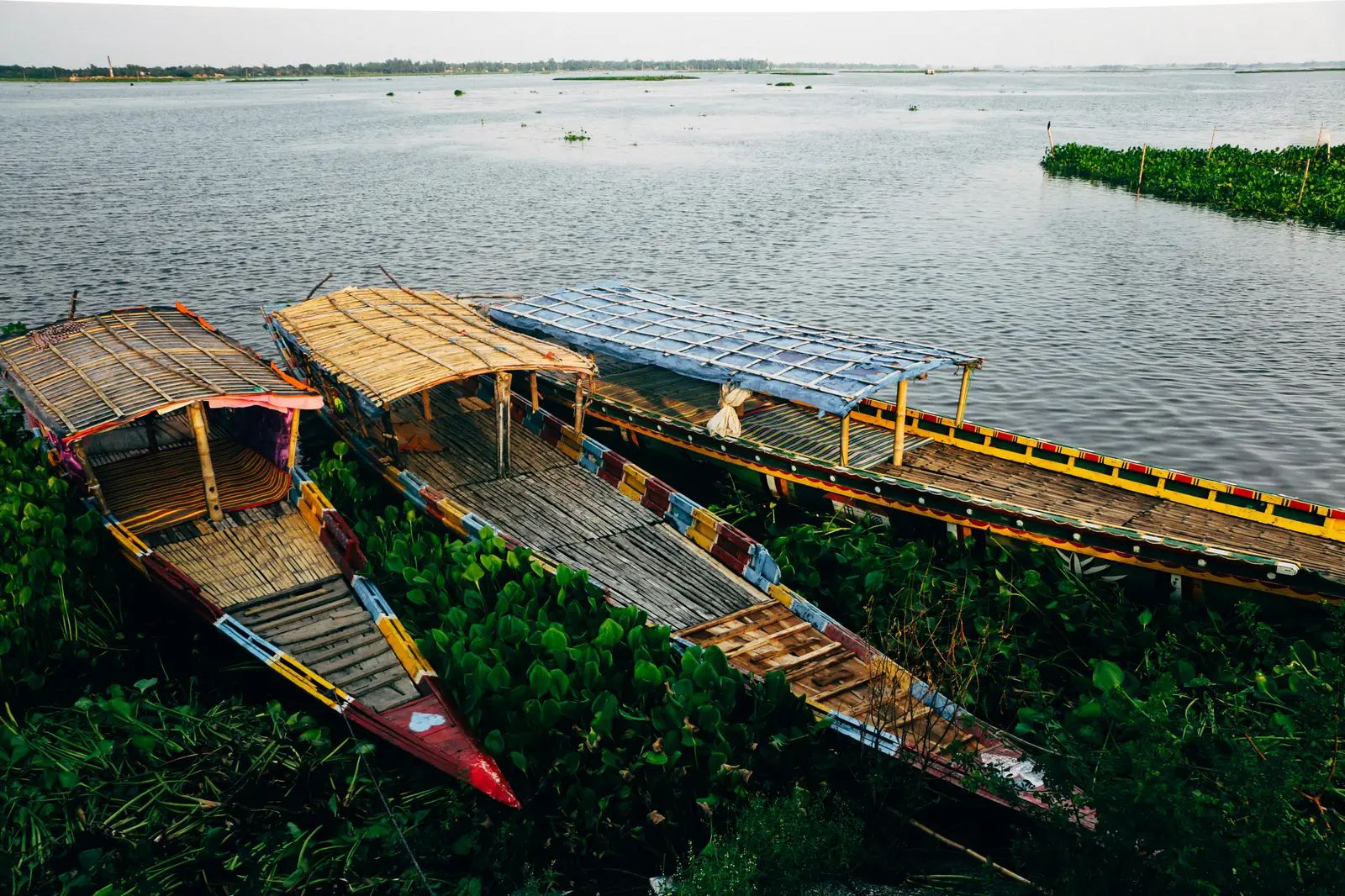
A 12-month survey has documented at least 20 endangered Ganges river dolphins in the Buriganga River, which flows along the southern edge of Dhaka, Bangladesh. The 29-kilometer waterway ranks among the most contaminated urban rivers anywhere, yet the animals continue to appear in small groups. Researchers recorded sightings in 10 of the 12 months studied, with calves making up nearly 16 percent of observations. ([1])
Survey Reveals Unexpected Presence
Between September 2023 and August 2024, scientists covered a 27-kilometer stretch of the river repeatedly. Average group size hovered around four individuals. The consistent appearance of young dolphins points to ongoing reproduction, even though the habitat shows extreme stress. Co-author Md. Aminur Rahman noted that the Buriganga is not a usual place for dolphins because native fishes have largely vanished.
The team expressed surprise at locating the animals at all. Rahman stated that the river is not livable for fish, making the dolphins’ continued presence difficult to explain at first glance. Their observations challenge assumptions about how much degradation a large aquatic mammal can tolerate.
Industrial and Urban Pollution Overload
A separate 2025 analysis of the river documented heavy inputs of untreated waste from tanneries, textile dyeing plants, battery factories, and household sewage. Concentrations of lead, chromium, and cadmium regularly surpass World Health Organization guidelines. Dissolved oxygen drops close to zero during the dry season, creating conditions that eliminate most native fish species.
One pollution-tolerant invader has filled the gap. Suckermouth catfish from South America have spread rapidly in the degraded water. Researchers believe the dolphins have shifted their diet to include these catfish, allowing a small population to persist where local prey has disappeared.
Adaptation Limits and Remaining Questions
The findings show that Ganges river dolphins can adjust to severely altered conditions in the short term. Calves in the sightings indicate that reproduction has not stopped entirely. Still, the study does not determine whether the population can sustain itself over many years under current pollution levels.
Co-author Mohammad Abdul Aziz, a zoology professor at Jahangirnagar University, emphasized that the dolphins appear to rely on the invasive catfish. This dietary shift raises further questions about long-term health effects from consuming prey that itself lives in heavily contaminated water. Continued monitoring will be needed to track whether numbers hold steady or decline.
What the Observations Indicate
The Buriganga case illustrates how some wildlife can endure in places once considered uninhabitable. It also underscores the narrow margin for survival when pollution removes an entire layer of the food web. The presence of these dolphins does not signal recovery; it highlights the narrow ecological space left in one of South Asia’s most stressed rivers.