Canada has always been a magnet for travelers chasing mountains, coastlines, cosmopolitan cities, and wide open spaces, but 2026 brings an extra layer of excitement and complexity.
This guide pulls together the practical details that matter most right now, from paperwork to payment habits to seasonal packing lists. Consider it a starting point rather than the final word, since rules around travel authorization and event logistics can shift with little notice this year.
Entry Requirements: eTA, Visas, and Passports in 2026
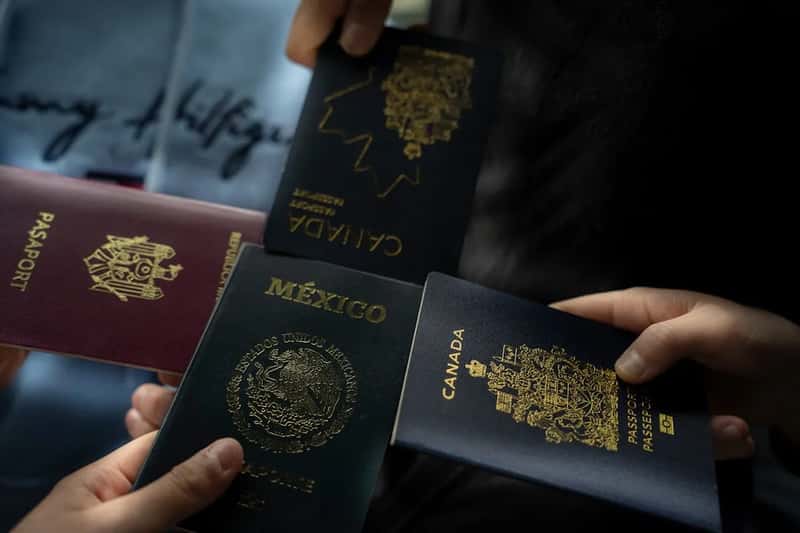
Canada still sorts visitors into three broad categories, and getting yours wrong can mean a denied boarding at the airport check-in counter. Citizens of 54 countries and territories can visit for up to six months without a visa. If you’re one of them and flying in, you’ll still need an Electronic Travel Authorization, which is a quick online form rather than a full visa application. It only costs CAN$7. Americans get an even simpler pass, since U.S. citizens are exempt from the eTA requirement and must carry proper identification such as a valid U.S. passport.
If your country isn’t on the visa-exempt list, you’ll generally need a full Temporary Resident Visa, though there’s a middle path for a growing number of nationalities. Countries in this conditional eTA pathway include Antigua and Barbuda, Argentina, Brazil, Bulgaria, Costa Rica, Morocco, Panama, the Philippines, Romania, Saint Kitts and Nevis, Saint Lucia, Saint Vincent and the Grenadines, Seychelles, Thailand, Trinidad and Tobago, and Uruguay. That list keeps expanding, too, since in May 2026, IRCC extended this pathway to Indonesia and Malaysia as well, giving citizens of those countries a faster route into Canada provided they hold a recent Canadian visa or valid U.S. visa. Mexican travelers should note a notable exception: Mexican citizens were visa-exempt with eTA access from December 2016 until February 29, 2024, when Canada reintroduced the full visa requirement following a sharp rise in asylum claims and irregular border crossings, and that restriction remains in effect through 2026. Whatever category applies to you, apply early. Processing times vary widely by country and season, so early application matters more than ever given current volumes.
Money Matters: Currency, Exchange Rates, and Payments

The Canadian dollar has been sitting on the softer side for a while, which is genuinely good news if you’re arriving with US dollars, euros, or pounds. Economic forecasts expect the Canadian dollar to remain below USD 0.75 in the near term, an exchange rate that remains supportive of domestic travel for Canadians while foreign visitors continue to benefit from a relatively weak Canadian dollar. In practice, that means your money simply goes further than it might in many other developed countries this year.
The currency itself is straightforward. The official currency in Canada is the Canadian Dollar, issued and overseen by the Bank of Canada, with banknotes in 5, 10, 20, 50, and 100 CAD denominations and coins from 5 cents up to 2 CAD. Cards are widely accepted almost everywhere, but it’s smart to carry a bit of cash too. On the payment front, resist the temptation to let a terminal convert your bill into your home currency. Some shops, restaurants and ATMs give the option of using the currency of the country you are in or having the transaction converted into Canadian currency, and you should always choose to be charged in the currency of the country you are in, since you will pay high conversion rates and transaction fees if they convert to Canadian currency. If you do need to exchange cash, steer clear of airport counters when possible, since foreign exchange desks at airports and hotels that will exchange money tend to have very high fees, and even those advertising no commissions may have hidden fees, making these desks the most expensive places to change money.
Tipping Culture: What’s Expected and What’s Not

Tipping in Canada resembles the American system more than European habits, and skipping it entirely at a sit-down restaurant can genuinely raise eyebrows. The general rule most locals follow is that the standard restaurant tip in Canada is 15-20% of the pre-tax bill, with 15% acceptable for average service, 18-20% customary for great service, and anything above 20% reserved for truly exceptional experiences. That last part matters, since post-pandemic norms have crept upward. Tipping in Canada has shifted significantly post-pandemic, with 18–20% now the de facto standard at sit-down restaurants, up from the 15% that was the norm for decades.
One detail trips up a lot of visitors: which total do you actually tip on? You should always calculate your tip on the pre-tax subtotal, not the total after HST, GST, or PST, since sales taxes are government charges rather than part of the service you received. Card machines don’t always make this easy, so many payment terminals default to calculating the tip on the post-tax total, so it’s worth double-checking before tapping. Beyond restaurants, other norms apply too. Hotel housekeeping typically gets a few dollars per night left directly for staff, while for counter service and coffee shops, tipping is genuinely optional, with zero to two dollars perfectly acceptable, and hitting “no tip” on a terminal at a fast-casual spot is not a social faux pas despite what the screen implies.
Weather and What to Pack

Canada’s sheer size means there’s no single answer to “what should I pack,” since conditions in Vancouver in January look nothing like conditions in Winnipeg the same week. Coastal British Columbia stays relatively mild and rainy through the cooler months, while the Prairies and much of Ontario and Quebec see genuinely cold winters with heavy snow, often dropping well below freezing for extended stretches. Summers, by contrast, can get surprisingly warm and humid in cities like Toronto and Montreal, so layering is the safest strategy no matter the season.
If your visit falls in shoulder season, spring or fall, pack for both rain and sudden temperature swings, since a sunny morning can turn into a chilly, damp evening within hours. Anyone heading to the Rockies, the Maritimes, or the far north should research specific regional conditions rather than relying on general Canadian stereotypes, because mountain and coastal microclimates can behave quite differently from what a national forecast suggests. A good waterproof layer, comfortable walking shoes, and a portable phone charger for using offline maps are worth their weight regardless of where in the country you land.
Getting Around: Transportation Tips
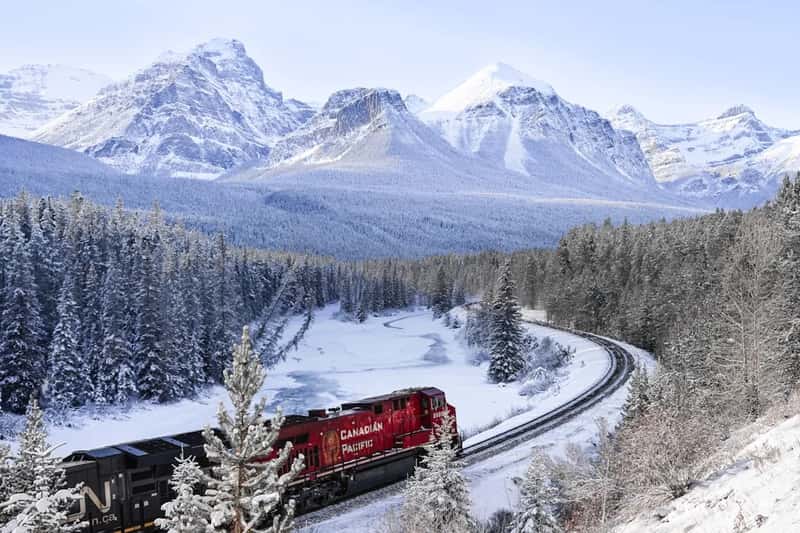
Distances between Canadian cities are often far greater than first-time visitors expect. Toronto to Vancouver, for example, is a genuine cross-continental haul, closer in scale to flying across Europe than hopping between neighboring countries. Domestic flights remain the fastest way to cover these distances, while VIA Rail connects many eastern cities on scenic but slower routes that suit travelers who have time to spare rather than a tight schedule.
Within cities, public transit tends to be reliable in major hubs like Toronto, Montreal, and Vancouver, and rideshare apps operate widely alongside traditional taxis. If you’re renting a car for a road trip, keep in mind that winter driving conditions can be serious business outside the warmer months, and rental agencies in colder regions often expect you to handle snow tires or winter equipment responsibly. Cross-border trips into the United States by land are common for visitors combining itineraries, and it’s worth double-checking entry requirements on both sides before setting out, since land crossings sometimes carry different rules than arriving by air.
Health, Safety, and Insurance

Canada is consistently ranked among the safer countries for international travelers, but that doesn’t mean common-sense precautions go out the window. Big cities have their share of petty theft in tourist-heavy areas, and outdoor destinations carry their own risks, from sudden weather changes in the mountains to wildlife encounters in national parks. Anyone planning hikes, road trips through remote areas, or winter sports should research local conditions and follow posted safety guidance rather than assuming urban comfort extends everywhere.
Travel insurance deserves a serious look before departure, since Canadian healthcare is not automatically free for visitors and out-of-pocket medical costs can be steep if something goes wrong. Pandemic-era entry restrictions are firmly in the past at this point, since as one industry FAQ notes, proof of COVID-19 vaccination, preboard or arrival testing, quarantine, or ArriveCAN submission are not required for entry into Canada. Still, it’s worth keeping copies of prescriptions and any relevant medical documentation handy, particularly if you’re traveling with medication that might raise questions at customs.
Etiquette and Cultural Norms
Canadians have a reputation for politeness that mostly holds up in daily interactions, though like anywhere, norms shift a bit by region and city. Queuing is taken fairly seriously, casual friendliness with strangers is common in smaller towns, and apologizing reflexively, even when it’s not really your fault, is something of a national habit worth adopting for smoother interactions. Bilingualism matters more in some places than others, and Quebec in particular operates predominantly in French, so a few basic French phrases go a long way if you’re spending time in Montreal or Quebec City.
Cultural diversity is one of the country’s defining features, particularly in Toronto and Vancouver, where large immigrant communities have shaped everything from food scenes to neighborhood identities. Indigenous history and ongoing reconciliation efforts are increasingly visible in museums, public art, and local programming, and travelers who take time to learn about First Nations, Métis, and Inuit cultures generally find the experience adds real depth to a trip. Respecting posted rules in national parks and protected areas, many of which sit on traditional Indigenous territories, is both a legal and cultural expectation worth taking seriously.
Connectivity and Practical Extras

Cell coverage is generally strong in cities and along major highways, though it thins out quickly in remote wilderness areas, national parks, and stretches of northern territory. International visitors often find it cheaper to buy a local SIM card or an eSIM plan on arrival rather than relying on international roaming rates from home, especially for longer stays. Free public Wi-Fi is common in cafes, libraries, and larger hotels, which helps if you’re trying to keep data costs down.
Time zones are another detail worth double-checking before booking flights or matches, since Toronto operates on Eastern Time while Vancouver operates on Pacific Time, a three-hour gap that catches out travelers planning tight cross-country connections. Electrical outlets follow the North American standard, so visitors from Europe, the UK, Australia, or much of Asia will need a plug adapter. Finally, keep digital and physical copies of your travel documents, insurance details, and emergency contacts separate from your main luggage, just in case anything goes astray during a long or complicated itinerary.