For almost twenty years, the sight of travellers decanting shampoo into tiny bottles or tipping water into airport bins has been one of the more tedious rituals of flying. That is finally starting to change. After nearly two decades, Europe’s strict limits on liquids in carry-on baggage are finally being lifted at airports, with two United Kingdom airports, Birmingham and Edinburgh, having already scrapped the previous restrictions, and other airports across the continent expected to follow suit.[1]
The shift is not happening everywhere at once, and it is not happening evenly. The days of squeezing shampoo, sunscreen and toiletries into 100ml bottles may finally be numbered, with passengers at a growing number of European airports now able to take liquid containers of up to two litres through security.[2] Still, the story is far messier than a simple headline suggests, and understanding where you’re flying from matters more than ever this year.
What’s Actually Changing at Security
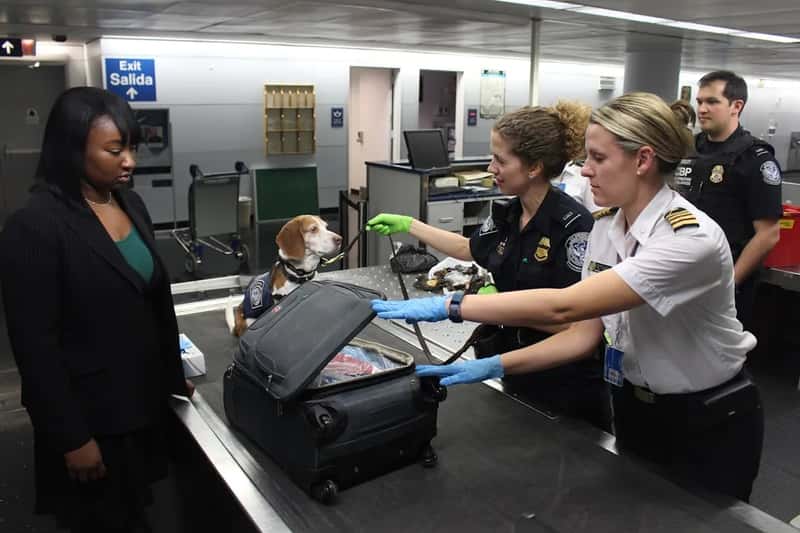
The general European rule continues to restrict liquids to individual containers of no more than 100ml, usually carried inside a transparent one-litre bag, unless passengers are passing through an airport operating approved scanners under the newer rules.[2] Where those upgraded checkpoints exist, the difference is dramatic. Passengers traveling out of airports with the new rules will now be able to carry up to 2 liters of wine, olive oil, perfume and other liquids in their carry-on bags.[1]
There’s a second benefit that often gets overlooked amid the liquid headlines. Another benefit for passengers who encounter these new scanners is that they will no longer have to remove items like laptops and tablets from their carry-ons, which should help expedite the security process.[1] For frequent flyers who dread the shuffle of pulling out electronics and toiletries at every checkpoint, that alone could make the new technology worth the wait.
The Technology Making It Possible
None of this would be happening without a genuine leap in scanning hardware. The change is possible thanks to new C3/CT security scanners, which create detailed three-dimensional images of cabin baggage contents, and where the technology has been fully installed and approved, security staff can examine liquids and electronic devices without passengers necessarily having to remove them from their bags.[2] These machines work much like hospital imaging equipment, building a layered picture of everything inside a bag rather than relying on a flat, two-dimensional X-ray.
The sophistication of the scanning is what allows regulators to trust larger containers. These scanners are capable of producing detailed 3D images of the contents of passengers’ bags, allowing security personnel to see exactly what is inside without the need for passengers to remove liquids or unpack their bags, and this cutting-edge technology can also detect liquid explosives in a way that ensures security standards remain as high as before.[3] In other words, the goal isn’t to loosen security, it’s to make detection smarter so the old blanket restriction becomes unnecessary.
A Rocky Road: The 2024 Reversal
The path to this point hasn’t been smooth, and it’s worth understanding why so many news stories about this topic sound contradictory. The European Commission reinstated the 100ml rule in September 2024 to “address a temporary technical issue,” even though many airports had CT scanners for much longer than that but hadn’t been able to drop the 100ml rule due to EU regulations.[4] That single decision effectively paused what had looked like unstoppable momentum toward two-litre containers across the continent.
The formal mechanism behind that pause has a name and a date attached to it. The Commission suspended the relaxations in Implementing Regulation (EU) 2024/2108, forcing every airport with the new scanners back to 100ml from 1 September 2024 over a technical certification problem, then re-approved recertified equipment in July 2025.[5] Anyone who felt confused reading conflicting travel advice during that period had good reason to be; the rules genuinely flipped back and forth at a regulatory level, not just from one airport to another.
The United Kingdom Leads the Charge
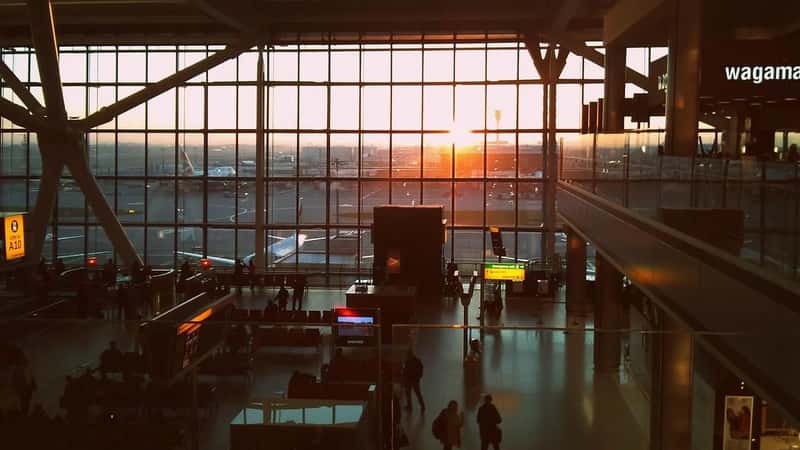
Outside the EU but very much part of this European story, British airports have pushed ahead faster than most of the continent. Heathrow lifted its 100ml limit at the end of January 2026 after a scanner upgrade reported at around £1 billion, the largest single deployment in the country, and Gatwick, Edinburgh and Birmingham now run the same 2-litre allowance.[5] That investment figure alone shows just how expensive this technological overhaul really is for a single hub.
What makes the UK experience notably smoother than elsewhere is the completeness of the rollout at these specific airports. At those airports there is no clear plastic bag, no removing liquids, and no cap on how many containers you bring, provided each one stays under 2 litres.[5] That’s a genuinely different security experience compared with the old routine, and it gives a preview of what full harmonisation across Europe might eventually look like.
Germany’s Slow, Uneven Progress
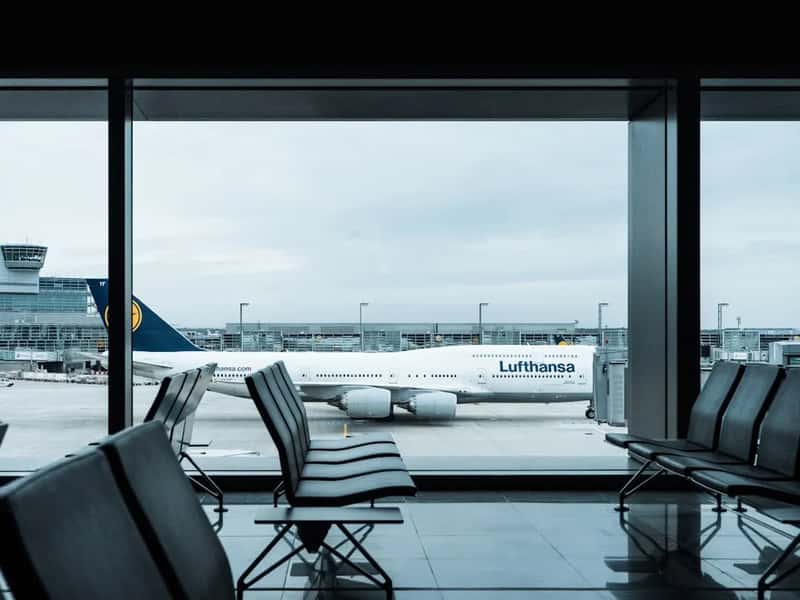
Germany illustrates just how fragmented this transition can be within a single country, and even within a single airport. At selected security lanes with CT scanners in Frankfurt and Munich, passengers can now take liquids up to 2 litres, while at all other controls and airports the 100ml rule continues to apply.[6] That means two travellers departing from the same terminal on the same day might face entirely different rules depending on which lane they’re funnelled into.
Berlin’s timeline has been particularly cautious. Berlin airport has already warned passengers that full upgrades won’t begin until 2026, advising travellers to stick to the 100ml rule if they want to avoid delays.[7] Frankfurt sits somewhere in between, with partial coverage rather than a clean cutover. In Terminal 1, several checkpoints already have next-generation scanners; some lanes allow 2L, but full implementation is still in progress.[8]