Lonely Planet has just dropped its annual Best in Travel guide, and this year’s edition for 2027 is already reshaping travel wish lists across the globe. The publisher’s global network of writers and editors sifted through dozens of nominations to land on 50 destinations and experiences across six regions[1], and Europe earned a healthy share of the spotlight. Ten European entries made the final cut, a mix of quiet coastal towns, storied road trips, and underwater adventures that prove the continent still has plenty of surprises left for even seasoned travelers.
What makes this year’s list interesting is the shift away from the usual suspects. Instead of another nod to Paris or Rome, Lonely Planet’s editors leaned into places that reward a little curiosity, from a German city known for revolutionary design to a fjord tucked into the folds of Connemara. Below are the five European places that stood out most, along with a look at the wider list of experiences worth booking in the year ahead.
Veneto, Italy: Life Beyond Venice’s Canals
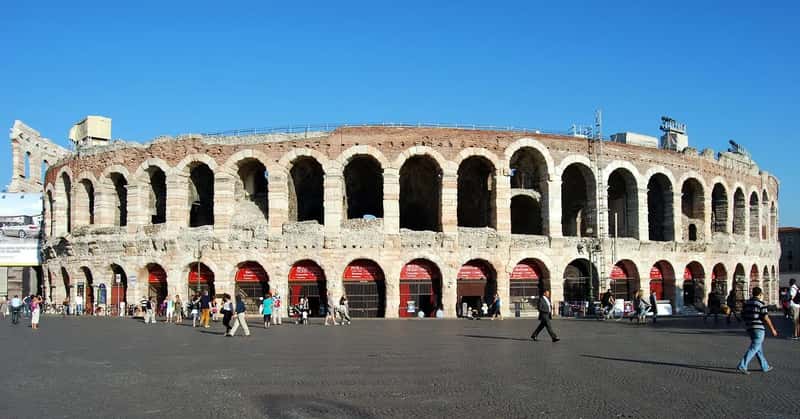
Venice tends to swallow all the attention when people talk about northeastern Italy, and it’s easy to see why given its romantic reputation. Yet when it comes to the Veneto region, Lonely Planet’s Best in Travel list encourages tourists to explore the wider region, from the Dolomites and Lake Garda to other cities like Verona and Padua[2]. This shift toward the broader region also reflects the current pressure Venice faces from overwhelming visitor numbers.
Verona brings its own operatic charm with a well-preserved Roman arena and a historic center that never quite lives in Venice’s shadow once you actually visit. Padua, meanwhile, offers frescoed chapels and a university town energy without the crowds. CNN’s coverage of the list specifically flagged historic Verona and Padua in Italy’s underrated Veneto region[3] as a highlight worth building a trip around.
Šibenik, Croatia: Dalmatia’s Quiet Overachiever
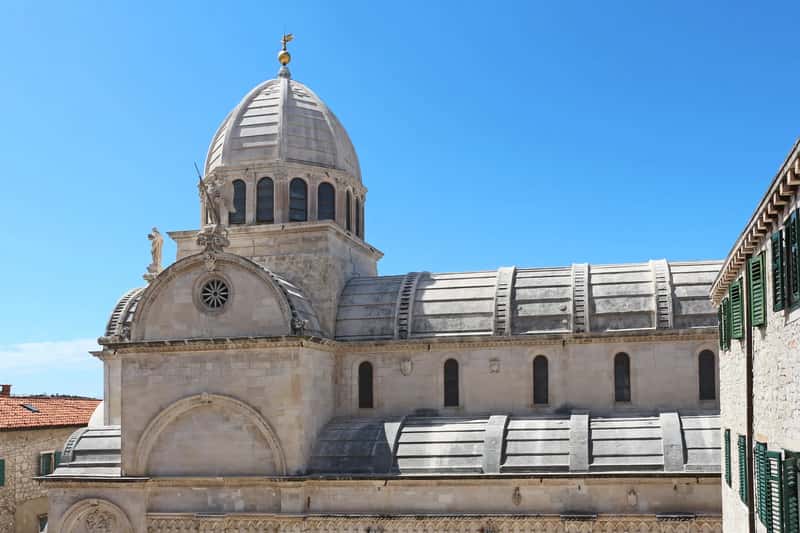
While Dubrovnik and Split continue to dominate Croatia’s tourism marketing, Lonely Planet is steering attention toward Šibenik instead. Described as one of the country’s oldest cities, which Lonely Planet says boasts “impressive architecture, gastronomic delights and a colourful calendar of festivals throughout the year”[2], it offers a version of the Dalmatian coast that feels less scripted for tourists and more lived-in.
The city’s UNESCO-listed cathedral and its labyrinth of stone streets give it a genuine medieval texture that’s increasingly rare along Croatia’s more heavily trafficked coastline. Šibenik also serves as a gateway to the Kornati Islands, making it a smart base for travelers who want beach time without fighting for a spot on the sand. It’s the kind of pick that rewards those willing to skip the obvious itinerary.
The Swedish Riviera: Skåne’s Understated Coastal Escape
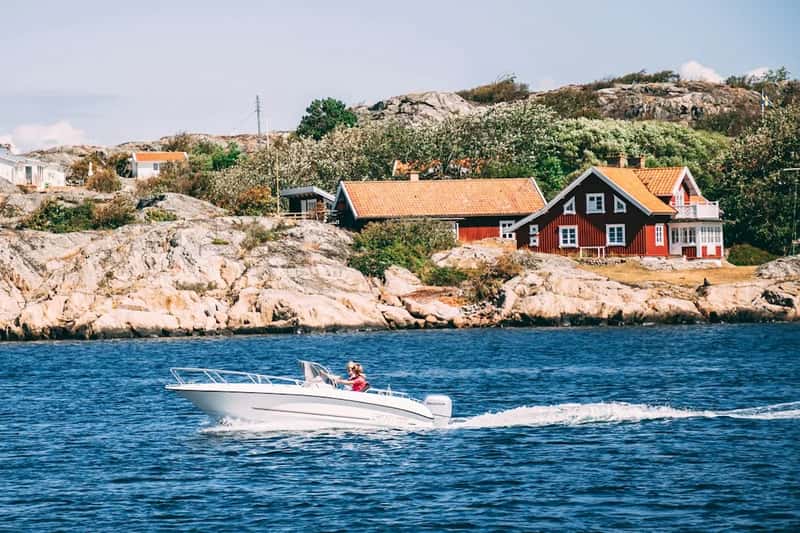
Sweden doesn’t often top European travel lists, but the twin towns of Skanör and Falsterbo earned their place for 2027 by offering something increasingly rare: genuine quiet. Lonely Planet notes that you can’t help but slow down in Skanör-Falsterbo, with its quiet streets and rows of wide, white-walled traditional cottages, and during the Scandinavian summer, the gardens here overflow with blooms[4], making the area a fitting seaside escape.
The two towns sit at the southwestern tip of Skåne, connected by a bridge, and have long been a low-key retreat for Swedes rather than a magnet for international tourists. That’s part of the appeal. Described as charming twin towns, linked by a bridge and home to colourful cottages, blooming gardens, and an endless coastline[5], this stretch of coastline offers a gentler, slower alternative to Europe’s more crowded beach destinations.
Dessau, Germany: Bauhaus Heritage Along the Mulde
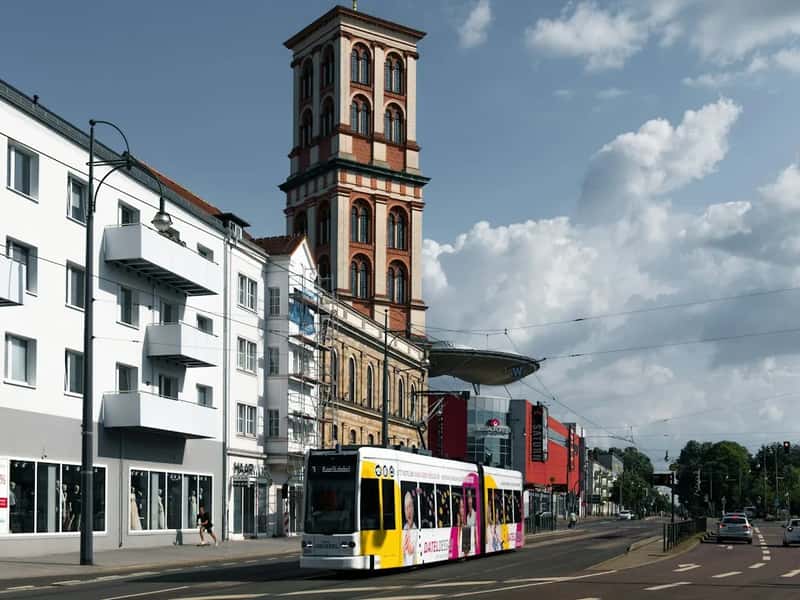
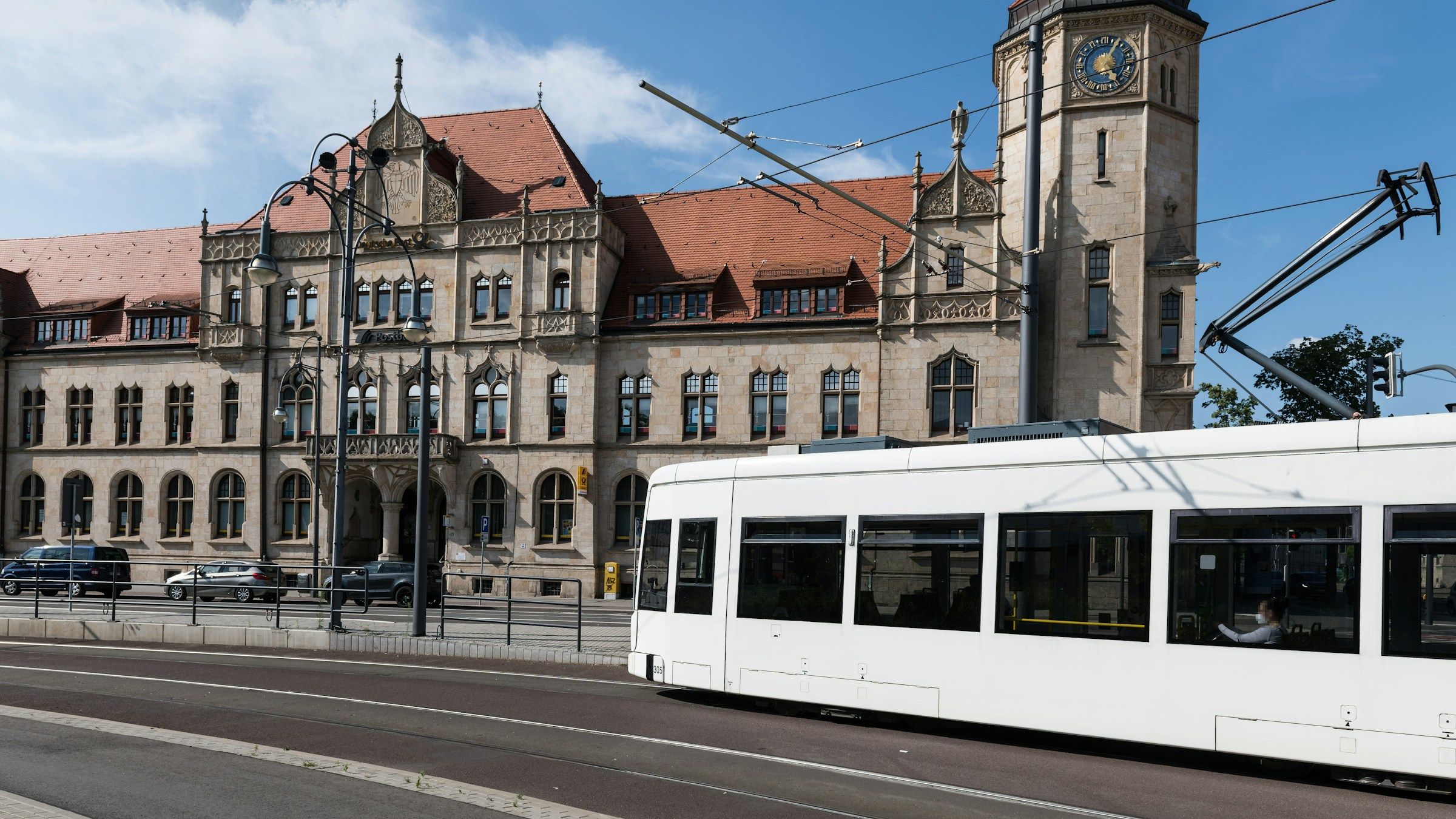
Dessau isn’t a name that pops up on most first-time visitors’ German itineraries, yet it holds a genuinely important place in design history. The city is recognized as the home of the revolutionary Bauhaus architecture and design movement[3], and its collection of Bauhaus buildings remains remarkably intact nearly a century after the school operated there.
Beyond the architecture, the city offers a quieter, riverside pace of life. As Lonely Planet points out, the Mulde River flows through Dessau[6], giving the city a pleasant green backdrop for wandering between its design landmarks. For architecture enthusiasts or anyone curious about the roots of modernist design, Dessau offers a genuinely worthwhile detour that most travelers still overlook.
Killary Fjord And Ireland’s Wild Atlantic Way
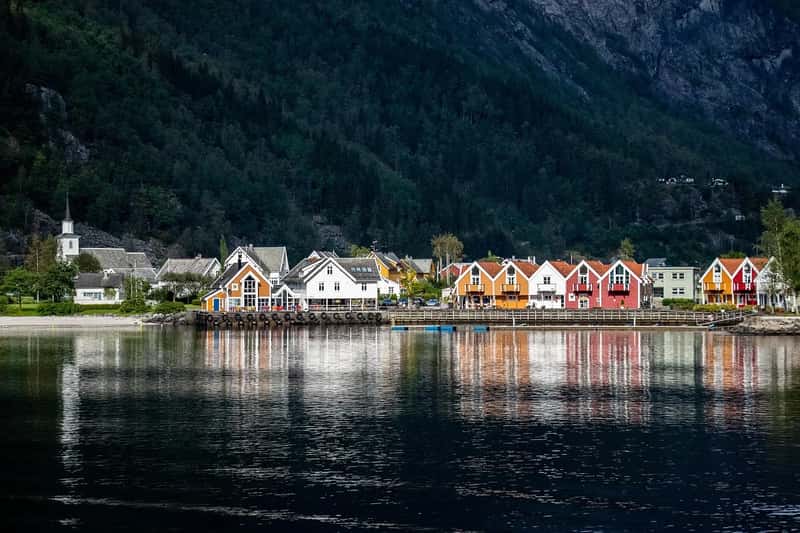
Ireland’s Wild Atlantic Way has been drawing road trippers for years, but Lonely Planet is pointing to one specific stretch worth prioritizing in 2027. Ireland’s Wild Atlantic Way takes in 2,600 kilometres of road[7], yet the guide singles out Killary Fjord as a shorter, more concentrated dose of the region’s drama.
Tucked along the intricate Connemara coastline, the fjord is described as one that cuts its way 10 miles inland towards the village of Leenaun, past steep peaks that change dramatically with the seasons[5], earning its reputation as a genuine standout even in a country full of scenic coastline. It’s the kind of place where a short detour off the main route delivers an outsized payoff, especially for travelers chasing dramatic landscapes without committing to the full length of the Wild Atlantic Way.
Beyond The Top Five: More European Experiences Worth Booking
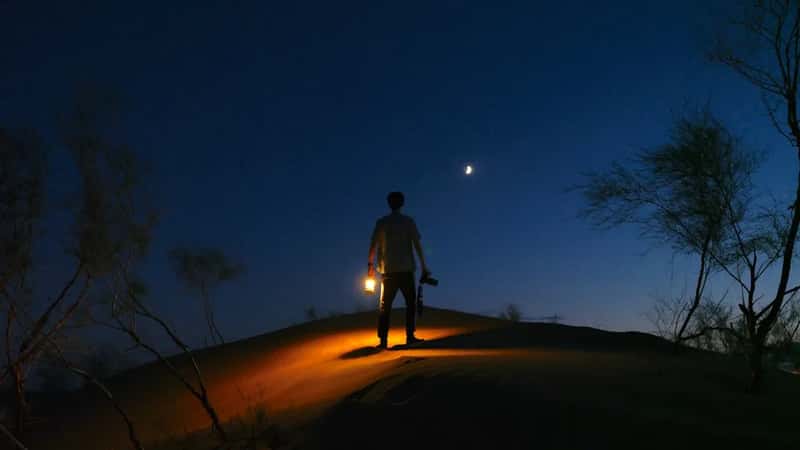
Lonely Planet’s 2027 list splits its European picks between places and experiences, and several of the latter deserve attention too. France’s Route Napoléon is having a milestone moment, since the route, which passes through spots like Grasse, Castellane and Sisteron, will celebrate its 95th anniversary[2] next year. For those who prefer the water to the road, Lonely Planet suggests sailing Italy’s Aeolian Islands, “where rugged coastlines, crystal-clear waters and the authentic Italian lifestyle is waiting”[2].
Underwater adventure gets its own nod too, with Greece’s Aegean Sea highlighted as an ideal gateway to the Aegean Sea and what lies beneath its surface, centuries-old wrecks and dramatic underwater caves waiting to be explored[4]. Meanwhile, in the north, Scotland and England share credit for St Cuthbert’s Way, a route where pilgrims tread among windswept hills, little villages and tumbledown farms[4] before crossing the tidal causeway to the Holy Island of Lindisfarne on the final stretch.
Why These Destinations Made The Cut For 2027

A recurring theme across this year’s European selections is a quiet pushback against overtourism. Lonely Planet’s own coverage acknowledges that much like Venice, Spain has generated plenty of headlines this year regarding overtourism, though that doesn’t mean travelers can’t visit the country responsibly by picking a destination that actually wants more tourism[2]. That same logic runs through picks like Šibenik, Dessau, and the Swedish Riviera, all of which offer rich experiences without the crowd-management headaches of their more famous neighbors.
The list itself is structured deliberately, with Lonely Planet noting that the guide is split into two: 25 best places to visit, and 25 best experiences to book[8]. This format lets the publisher highlight both slow, immersive destinations and shorter, activity-driven trips side by side, which explains why a fjord in Ireland and a road trip anniversary in France can sit comfortably on the same list.
Planning Your 2027 European Getaway
For travelers looking to build a trip around these picks, timing matters. Several of these destinations, particularly the Swedish Riviera and Šibenik, are best visited outside peak summer months when their appeal as quieter alternatives really shines through. The Route Napoléon’s anniversary year also gives road trippers a natural reason to plan a France-based itinerary around the milestone rather than waiting for another excuse.
Lonely Planet releases this list annually ahead of the holiday booking season specifically to give travelers a head start on planning, and the 2027 edition is no exception. Whether the goal is architecture in Dessau, diving in the Aegean, or simply slowing down along a quiet Swedish coastline, these picks offer a useful starting point for anyone mapping out next year’s European adventures.
Final Thoughts
What stands out most about this year’s European lineup is how deliberately it avoids the predictable. There’s no Paris, no Rome, no Santorini repeat performance, just a collection of places that ask travelers to look a little closer at regions they might otherwise skip past. That alone makes the 2027 list worth paying attention to.
Whether you end up chasing Bauhaus history in Dessau or crossing a tidal causeway to Lindisfarne, the throughline is clear: Europe still rewards those willing to wander off the well-worn path. Sometimes the best trip is the one nobody else is talking about yet.